Table of Contents >> Show >> Hide
- Why Do Shoes Smell in the First Place?
- Quick Check: Is It the Shoe or Your Feet?
- Fast Fixes: How to Remove Odor from Shoes Today
- Deep Cleaning: How to Remove Odor from Different Types of Shoes
- Foot Care: The Secret Weapon Against Smelly Shoes
- Long-Term Strategies to Prevent Shoe Odor
- When Shoe Odor Could Be a Bigger Issue
- Real-Life Experiences: What Actually Works Long-Term
- Final Thoughts
We’ve all been there: you kick off your shoes after a long day, and suddenly the room smells like a gym bag that’s been left in a hot car since 2012. The good news? Smelly shoes are fixable. The better news? You don’t need fancy sprays or a hazmat suit to deal with them.
In this guide, you’ll learn why shoes smell, the fastest ways to remove odor from shoes, how to deep-clean different materials, and how to keep your sneakers, dress shoes, and gym shoes smelling fresh for the long run. We’ll mix science, simple home remedies, and real-life experienceso your shoes stop announcing themselves before you do.
Why Do Shoes Smell in the First Place?
Shoe odor is basically a team effort between sweat, bacteria, and sometimes fungus. Your feet have more sweat glands than almost any other part of your body, and when that moisture gets trapped inside warm, dark shoes, bacteria throw a little party and leave bad smells behind.
A few common culprits:
- Sweaty feet: Some people naturally sweat more, especially during workouts or in hot weather.
- Poor ventilation: Shoes made with non-breathable materials trap heat and moisture.
- Dirty insoles: Old, worn-out insoles can hold onto odor like a sponge.
- Wearing the same pair every day: Shoes never get time to fully dry out between uses.
- Skin conditions or fungal infections: Athlete’s foot and similar issues can add a noticeably stronger smell.
The key to removing odor from shoes is simple: reduce moisture, kill or control bacteria, and keep things clean consistently.
Quick Check: Is It the Shoe or Your Feet?
Before you attack your shoes with every home remedy in the pantry, do a quick check:
- If multiple pairs of shoes smell bad, the problem might be your feet and socks.
- If only one pair smells awful, it’s probably that specific shoe’s material, age, or how you use it.
- If there’s odor plus redness, itching, peeling, or burning, you may have a fungal infection and should talk with a healthcare professional.
Ideally, you tackle both sides: clean your shoes and practice good foot hygiene. That’s how you get long-term results instead of a temporary cover-up.
Fast Fixes: How to Remove Odor from Shoes Today
Need your shoes to smell less like swamp and more like “socially acceptable” by tomorrow? Start with these quick odor-removal methods.
1. Air Them Out and Use Sunshine
The simplest step: let your shoes breathe. Loosen the laces, open them up wide, and place them in a well-ventilated area. If it’s sunny and dry, set them outside in indirect sunlight for a few hours. Fresh air and mild UV exposure help reduce moisture and surface bacteria.
Avoid leaving them in harsh, direct midday sun for too longsome materials (especially certain glues and foams) don’t love extreme heat. But a few hours can make a big difference.
2. Use Baking Soda as a Natural Deodorizer
Baking soda is a classic for a reason: it absorbs moisture and neutralizes odor-causing acids. To use it safely:
- Sprinkle 2–3 tablespoons of baking soda into each dry shoe.
- Tap and shake to distribute the powder throughout the insole and toe area.
- Leave it overnight (or at least 8–12 hours).
- In the morning, shake out the excess powder before wearing.
This works especially well for fabric, mesh, and canvas shoes. For leather or suede, use baking soda inside a thin sock or breathable sachet instead of dumping it directly in, so you don’t risk drying out the material over time.
3. Make a Vinegar Deodorizing Spray
White vinegar smells sharp at first, but it’s excellent for neutralizing odor and discouraging bacterial growth. Here’s a simple shoe deodorizer spray:
- Mix equal parts white vinegar and water in a clean spray bottle.
- Lightly mist the inside of the shoedo not soak it.
- Let the shoes air-dry completely in a ventilated space.
Don’t use this method on delicate materials (like certain leathers or specialty finishes) without spot-testing a small hidden area first. And avoid spraying into shoes that are already soaking wettoo much moisture is exactly what we’re trying to avoid.
4. Drop in Tea Bags, Coffee Grounds, or Rice Socks
If you’re trying to remove odor from shoes using things you already have in the kitchen, try:
- Dry tea bags: Place 2–3 unused black tea bags in each shoe and leave overnight. The tannins help absorb odor and moisture.
- Coffee grounds: Put dry coffee grounds in a breathable pouch or coffee filter and tuck it into each shoe to soak up smells (and add a coffee-shop aroma).
- Rice + baking soda sock: Fill a clean sock with uncooked rice and a spoonful of baking soda, tie it off, and leave in the shoe overnight to draw out moisture and odor.
5. Use a Bar of Soap as a Freshener
Another low-effort hack: place a dry bar of soap inside each shoe when you’re not wearing them. Soap bars are designed to give off a pleasant scent, and they can help absorb some moisture at the same time. Just remove the soap before wearing the shoes, obviouslyunless you’re going for the world’s slipperiest insole.
6. Try Charcoal or Store-Bought Deodorizing Inserts
Activated charcoal packets and shoe-specific deodorizing inserts are made to trap odor molecules and keep shoes dry. You simply slip them into the shoes after wearing them and let them work between uses. This is especially helpful for gym shoes or work boots that go through heavy daily use.
Deep Cleaning: How to Remove Odor from Different Types of Shoes
Sometimes surface fixes aren’t enough. If your shoes still smell after baking soda and sprays, it may be time for a deeper clean.
1. Athletic and Canvas Shoes
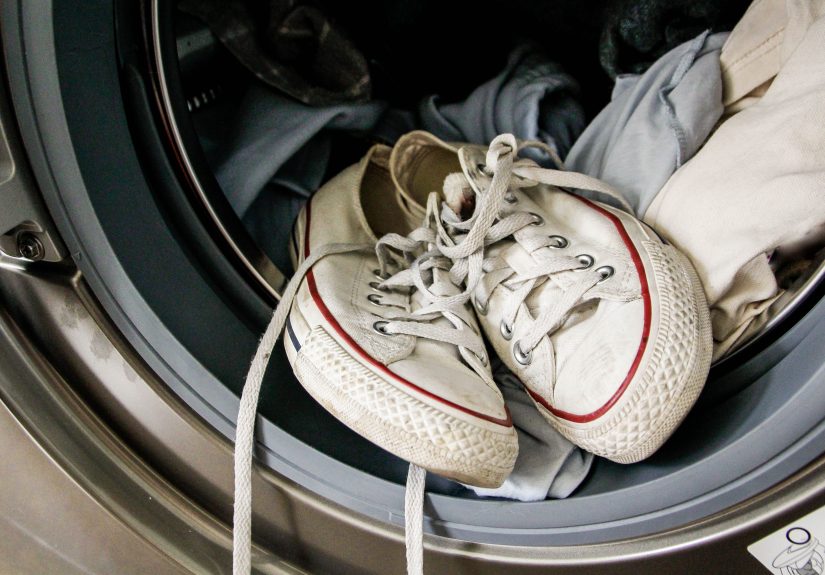
Many athletic, mesh, and canvas shoes can handle gentle machine washing, but always check the manufacturer’s care label first. If they’re machine-safe:
- Remove the insoles and laces.
- Place shoes in a mesh laundry bag or pillowcase to protect them.
- Wash on a cold, gentle cycle with a small amount of mild detergent.
- Air-dry completelynever put them in a hot dryer, which can warp the shape and soften glue.
Once dry, treat the inside with a light sprinkle of baking soda or a deodorizing insert to keep future odor under control.
2. Leather Shoes
Leather shoes need a little more TLC:
- Wipe the inside with a slightly damp cloth and a tiny bit of mild soap if needed.
- Let them air-dry away from direct heat.
- Use removable leather or fabric insoles so you can take them out and air them separately.
- Deodorize using baking soda sachets, charcoal inserts, or cedar shoe trees rather than sprinkling powder directly onto the leather.
Cedar shoe trees are a smart investment for leather dress shoes: they help absorb moisture, maintain shape, and add a subtle, fresh smell.
3. Suede and Delicate Materials
Suede, specialty fabrics, or shoes with glued-on decorations should not be tossed into a washing machine or soaked. Instead:
- Use a suede brush or soft cloth to clean the interior gently.
- Spot-clean only when necessary, following brand-specific instructions.
- Rely on odor absorbers (baking soda sachets, charcoal, cedar, rice socks) rather than heavy liquids.
4. Don’t Forget the Insoles and Laces
Insoles and laces are often odor hotspots.
- Insoles: Many insoles can be hand-washed with mild soap and water, then air-dried fully. If they’re cracked, worn flat, or permanently smelly, replace them.
- Laces: Toss laces in the washing machine in a small laundry bag or wash them by hand in soapy water, then air-dry.
A fresh pair of insoles can instantly reduce odor and make older shoes feel new again.
Foot Care: The Secret Weapon Against Smelly Shoes
You can remove odor from shoes all day long, but if your feet stay sweaty and unwashed, the smell will return. Think of your shoes and feet as a team project.
- Wash your feet daily: Use warm water and soap, and scrub between your toesbacteria love hiding there.
- Dry thoroughly: Pat your feet dry, especially between toes, before putting on socks.
- Trim and clean toenails: Short, clean nails reduce the places where sweat and debris can hide.
- Use foot powders or antiperspirants: Apply to clean, dry feet to keep moisture under control during the day.
If your feet sweat heavily, consider carrying an extra pair of socks so you can change mid-dayespecially after workouts.
Long-Term Strategies to Prevent Shoe Odor
Once you’ve learned how to remove odor from shoes, the next step is making sure it doesn’t keep coming back. A few simple habits can make a big difference.
1. Rotate Your Shoes
Avoid wearing the same pair two days in a row, especially for athletic or work shoes. Giving shoes at least 24 hours to dry out between uses lets moisture evaporate and keeps bacteria under control.
2. Choose the Right Socks
Socks are your first line of defense:
- Pick moisture-wicking fabrics (certain synthetic blends or wool) rather than heavy cotton that stays damp.
- Change socks dailyor more often if you work out or sweat heavily.
- Avoid wearing shoes without socks for long periods, especially with closed-toe shoes.
3. Store Shoes in a Dry, Ventilated Space
Tossing your shoes into a dark, damp closet right after wearing them is an invitation for odor. Instead:
- Let them air out first.
- Use a shoe rack or open shelving rather than sealed bins.
- Consider adding cedar blocks, charcoal bags, or deodorizing inserts to your storage area.
4. Replace Old Shoes When Needed
Sometimes the most honest solution is this: the shoes are simply too old. Once the inner lining breaks down, foam absorbs sweat permanently, and soles are worn thin, shoes may hold on to odor no matter what you try. If you’ve cleaned, deodorized, and replaced insoles and they still smell terrible, it may be time to retire them.
When Shoe Odor Could Be a Bigger Issue
Smelly shoes are usually just an inconvenience, not a medical emergency. However, if you notice:
- Persistent, strong odor that doesn’t improve with cleaning and deodorizing,
- Redness, peeling, blisters, or itching between the toes or on the soles,
- Pain, swelling, or skin that looks broken or infected,
then it’s worth talking with a healthcare professional or podiatrist. Conditions like athlete’s foot, bacterial infections, or other skin issues may need medicated creams or specialized treatment.
Real-Life Experiences: What Actually Works Long-Term
Most people don’t just wake up one day and think, “I’d like to become an expert in shoe odor removal.” It usually starts with embarrassment: the moment you take off your shoes at a friend’s house, or the day your gym bag smells like it’s plotting revenge.
Over time, people who deal with smelly shoesathletes, nurses, chefs, retail workers, parents, and anyone on their feet all dayend up testing a lot of methods. Here’s what consistently rises to the top in real-world experience.
The Runner’s Routine
Daily runners quickly learn that rotating shoes is non-negotiable. A typical routine looks like this:
- Own at least two pairs of running shoes and alternate them.
- After each run, remove the insoles and let them dry separately.
- Stuff the shoes lightly with newspaper or use shoe trees to draw out moisture.
- Once a week, sprinkle baking soda inside, let it sit overnight, and shake it out in the morning.
Many runners also swear by switching to moisture-wicking socks and using an antiperspirant on their feet before long runs. The combination keeps shoes noticeably fresher.
The All-Day-On-Your-Feet Crew
Nurses, restaurant staff, warehouse workers, and retail employees often spend 8–12 hours in the same shoes. Common lessons from their experience:
- Carrying a spare pair of socks can be life-changing on long shifts.
- Slip-on shoes with removable insoles are easier to clean and dry.
- A quick wipe of the inside with a damp cloth and mild soap every few days keeps odor from building up.
- Having a “work shoes only” rule prevents tracking sweat and odor into other shoes at home.
Many also use charcoal odor packets or cedar shoe trees in their shoes between shifts. It’s a small habit that adds up in comfort and confidence.
Parents, Teens, and the Mystery of the Locker Room Shoe
If you’ve ever opened a teenager’s gym bag, you know shoe odor can move from “annoying” to “weapon-grade” pretty quickly. Families that win this battle tend to:
- Set a routine: sports shoes come out of the bag as soon as they get home to air out.
- Keep a bin of baking soda sachets or charcoal inserts near the shoe rack.
- Wash gym socks and sportswear promptly rather than letting them sit damp.
- Occasionally deep-clean athletic shoes in the washer (if allowed by the manufacturer) and sun-dry them.
Teaching kids to handle their own footwear earlyempty the bag, air the shoes, change socksprevents many future odor disasters.
Trial, Error, and Finding Your Combo
The real secret from all these experiences is that there’s rarely one magic trick. Instead, people end up with a combo that fits their lifestyle:
- Baking soda or charcoal inserts for daily deodorizing,
- Vinegar spray or machine washing for deep cleaning when needed,
- Foot hygiene, better socks, and shoe rotation to prevent odor from returning.
Once you find the rhythm that works for you, removing odor from shoes becomes a simple maintenance habit, not a constant fight. And the payoff is more than just nicer-smelling footwear: you’ll feel more confident kicking off your shoes anywhereat a friend’s house, on a long flight, or after a workoutwithout worrying about clearing the room.
Final Thoughts
Smelly shoes aren’t a personal failurethey’re just the natural result of sweat, bacteria, and busy days. The good news is that you can absolutely take control. By combining fast fixes (like baking soda, vinegar spray, and odor-absorbing inserts) with deeper cleaning and smart prevention habits, you can keep your shoes fresher for much longer.
Treat your shoes like part of your regular hygiene routine, not an afterthought. Rinse, dry, deodorize, rotate, and replace when needed. Do that, and the only thing people will notice about your shoes is how good they looknot how strong they smell.