Table of Contents >> Show >> Hide
- Why Chlorine Can Be Rough on Skin and Hair
- 1. Soak Your Hair and Skin with Fresh Water Before You Swim
- 2. Add a Barrier for Hair Before You Get in the Pool
- 3. Protect Dry or Sensitive Skin with Moisturizer
- 4. Wear a Swim Cap and Choose Hairstyles That Limit Exposure
- 5. Use Broad-Spectrum Water-Resistant Sunscreen
- 6. Shower Right After Swimming, Not Two Hours Later
- 7. Wash Hair Carefully and Follow with Conditioner
- 8. Moisturize Again After You Dry Off
- 9. Know When to Cut Back and When to Get Help
- Bonus Tips for Frequent Swimmers
- Experiences: What Chlorine Protection Looks Like in Real Life
- Conclusion
Chlorine is the pool’s hardworking bouncer. It keeps a lot of gross stuff out, helps kill germs, and makes summer swimming possible without turning every pool into a giant science experiment. But while it’s great at protecting public health, it is not always gentle on your skin or your hair. If you’ve ever climbed out of the pool feeling like a raisin with straw-like hair, you already know the plot.
Chlorinated pool water can strip away natural oils, leave skin feeling tight and itchy, and make hair feel dry, brittle, or rough. For people with eczema, sensitive skin, color-treated hair, or curls that already need extra TLC, the effects can be even more noticeable. The good news is that you do not need to swear off cannonballs forever. A few smart habits before and after swimming can make a big difference.
This guide breaks down 9 practical steps to help protect your skin and hair from chlorine without making your swim routine feel like a part-time job. Think of it as your anti-crunch, anti-itch, anti-“why does my hair feel like hay?” game plan.
Why Chlorine Can Be Rough on Skin and Hair
Before we get into the steps, it helps to know what you’re dealing with. Chlorine is used to disinfect pool water, but it can also remove some of the oils that help keep your skin soft and your hair smooth. That can leave skin dry, irritated, or more reactive, especially if you already deal with eczema or sensitive skin. Hair can lose moisture too, which is why frequent swimmers sometimes notice frizz, rough texture, dullness, or breakage.
There is also a second player in the pool drama: chloramines. These form when chlorine combines with sweat, dirt, oils, and body waste in the water. They are one reason some pools have that strong “chlorine smell.” Ironically, that heavy smell is not a sign of a cleaner pool. It can be a sign that irritating byproducts have formed. In other words, if a pool smells like it is trying to clean your soul, your skin and hair may not be thrilled about it.
So how do you enjoy swimming without coming home looking like you wrestled a mop? Start here.
1. Soak Your Hair and Skin with Fresh Water Before You Swim
This is one of the easiest and most useful tricks in the book. Hair is porous, and dry hair tends to absorb more of whatever it meets. If you wet your hair with clean water before getting into the pool, it has less room to soak up chlorinated water. The same basic idea applies to your skin. Damp skin may absorb less pool water than bone-dry skin.
Take a quick shower before you swim, even if you are tempted to skip it and do the dramatic sprint-to-the-pool thing. A pre-swim rinse is a small move that can help in two ways: it may reduce how much chlorinated water your hair and skin take in, and it also washes off sweat, makeup, and body products that contribute to those irritating chloramines.
Think of it as giving your skin and hair a polite glass of water before chlorine tries to move in uninvited.
2. Add a Barrier for Hair Before You Get in the Pool
If your hair gets dry easily, or if you color it, bleach it, relax it, curl it, or simply love it very much, add a little protection before swimming. A small amount of conditioner or a pre-swim hair protectant can help coat the hair shaft and reduce chlorine exposure. You do not need to turn your head into a frosting project. A light, even layer is enough.
This step is especially helpful for curly, coily, textured, bleached, blonde, gray, and color-treated hair, all of which tend to be more vulnerable to dryness and roughness. If your hair already has a dramatic personality, chlorine usually does not calm it down.
A simple routine works well: wet your hair with fresh water, smooth on a little conditioner, then secure your hair before putting on a swim cap. That gives you a moisture base plus a light barrier, which is much better than sending dry hair into chlorinated water with no backup.
3. Protect Dry or Sensitive Skin with Moisturizer
If your skin runs dry, reactive, or eczema-prone, do not head into the pool bare-skinned and hopeful. Apply a fragrance-free moisturizer before swimming, especially on areas that tend to flare up, sting, or get rough. Some people with very sensitive skin do well with a thicker cream or ointment on trouble spots, such as elbows, knees, hands, and patches affected by eczema.
The goal is not to create a magical chlorine-proof force field, because let’s be honest, that would require wizardry. The goal is to support your skin barrier so it is less likely to dry out or get irritated. Moisturizer can help reduce that tight, squeaky-clean feeling that sounds good in theory and feels terrible in practice.
If you have eczema, broken skin, or open sores, be extra careful. A pool may sting irritated skin, and active flares may need more than home care. When in doubt, check with a dermatologist.
4. Wear a Swim Cap and Choose Hairstyles That Limit Exposure
A swim cap will not keep your hair perfectly dry unless you are part submarine, part magician. But it can reduce how much chlorinated water reaches your hair, and that matters. It also helps keep conditioner close to the hair and prevents strands from getting dragged through the water nonstop.
If caps annoy you, try this anyway: braid long hair, put it in a bun, or secure it close to the head before swimming. The less loose hair floating around, the less contact it has with chlorinated water. A snug cap over damp, conditioned hair is even better.
For kids and adults who swim often, this simple habit can make the difference between hair that bounces back and hair that feels like it lost an argument with a broom.
5. Use Broad-Spectrum Water-Resistant Sunscreen
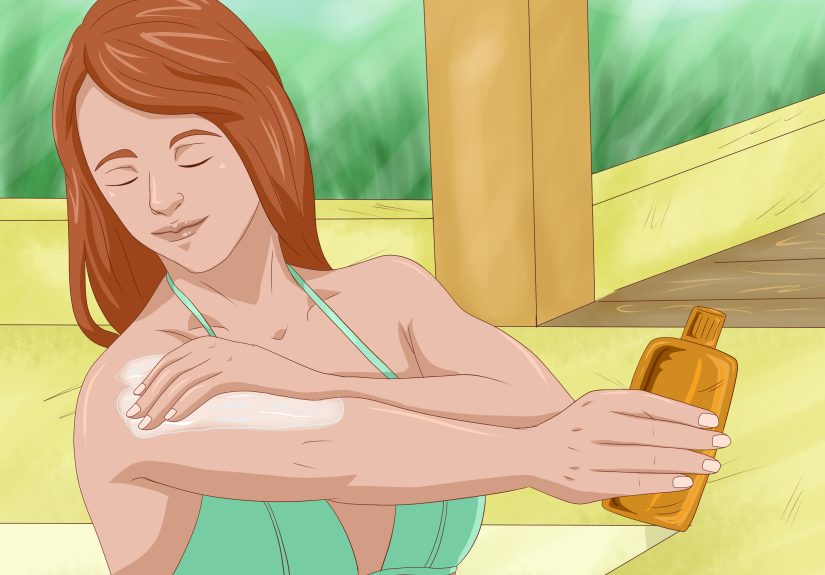
Chlorine is not the only thing trying to start trouble at the pool. Sun exposure also dries and stresses the skin, and it can make hair more fragile over time. If you are swimming outdoors, apply a broad-spectrum, water-resistant sunscreen with at least SPF 30 to exposed skin before you swim. Reapply it according to the label, especially after swimming, toweling off, or sweating.
This matters because sun and chlorine can team up like an annoying buddy comedy. One dries you out. The other helps finish the job. If your skin is already sensitive, the combination can be especially irritating.
For sensitive or eczema-prone skin, mineral sunscreens with zinc oxide or titanium dioxide are often easier to tolerate. And yes, sunscreen is still necessary even if you plan to spend most of the time “just floating.” The sun respects no floaties.
6. Shower Right After Swimming, Not Two Hours Later
Once you get out of the pool, rinse off as soon as you can. Not “eventually.” Not after snacks, gossip, and scrolling. Promptly. The longer chlorine and chloramine residue stay on your skin and hair, the more opportunity they have to keep drying things out.
Use fresh water and a gentle cleanser on your skin. If you are a frequent swimmer, a cleanser or body wash made for swimmers may help remove pool residue more effectively, but the most important part is rinsing well and not scrubbing your skin like you are sanding furniture.
Warm water is usually better than very hot water here. Hot water can add even more dryness, which is not the grand finale your skin was hoping for.
7. Wash Hair Carefully and Follow with Conditioner
After swimming, wash your hair to remove chlorine and other pool residue. If you swim often, a swimmer’s shampoo can be useful, especially if your hair feels coated, dry, or dull. But do not treat shampoo like a punishment. The goal is cleansing, not stripping your hair into a new dimension.
Follow with a rich conditioner, and give it a minute or two to do its job. This step helps restore slip, softness, and moisture. If your hair is curly, color-treated, or naturally dry, you may want to use a deep conditioner regularly during swim season.
One more tip: be gentle with wet hair. Chlorine plus rough towel rubbing plus aggressive brushing is a trio nobody asked for. Use a soft towel, blot instead of scrubbing, and detangle gently.
8. Moisturize Again After You Dry Off
Post-swim moisturizing is not optional if you want to keep chlorine from winning. After you shower, pat your skin mostly dry, then apply a fragrance-free moisturizer while your skin is still slightly damp. That helps trap water in the outer layer of the skin and supports your skin barrier.
If you are swimming frequently, consider switching to a thicker cream rather than a lightweight lotion. Lotions can be fine for normal skin, but very dry or chlorine-exposed skin often wants something with a bit more staying power. Hands, arms, legs, and any eczema-prone patches usually need the most attention.
This is also a smart time to use a leave-in conditioner or lightweight hair oil on the ends of your hair if they tend to frizz or feel crunchy after swimming. You are not trying to create red-carpet hair after every lap session. You are just trying to stop your ends from filing a complaint.
9. Know When to Cut Back and When to Get Help
Some dryness after pool time is common. Ongoing itching, rash, burning, cracking, or worsening eczema is not something to ignore. If your skin keeps reacting every time you swim, you may need to adjust your routine, switch products, try shorter pool sessions, or talk with a dermatologist.
The same goes for hair. If your hair is becoming unusually brittle, tangled, or damaged, it may need a more protective pre-swim routine or less frequent exposure for a while. Children with sensitive skin, adults with eczema, and people with freshly colored or chemically treated hair usually benefit from extra caution.
Also pay attention to the pool itself. A very strong chemical odor, burning eyes, or irritated skin can sometimes signal more chloramines in the environment. A clean pool should not feel like it is staging a chemical ambush.
Bonus Tips for Frequent Swimmers
Build a simple swim kit
Keep a small bag with travel-size shampoo, conditioner, gentle body wash, moisturizer, sunscreen, a wide-tooth comb, and a swim cap. When the products are with you, you are much more likely to use them.
Be careful with harsh DIY fixes
You do not need to dump random kitchen ingredients on your head every weekend. Some DIY tricks are harmless, but others can irritate skin, fade color, or make hair feel worse. Stick with gentle, proven basics unless your dermatologist or hair professional tells you otherwise.
Kids need help with the routine too
Children are not famous for carefully rinsing conditioner through every strand or moisturizing on schedule. If your child swims often and gets dry skin, walk them through the routine and keep it simple enough that it actually happens.
Experiences: What Chlorine Protection Looks Like in Real Life
In real life, protecting your skin and hair from chlorine is usually less about one miracle product and more about consistency. For example, a parent of a child with eczema may notice that pool days go much better when they apply a thick, fragrance-free cream before swimming, keep the session short, rinse the child off right away, and moisturize again before heading home. Skip those steps, and the same child may be scratching all evening like they lost a fight with an invisible cactus.
Adults who swim laps before work often learn this lesson through trial and error too. At first, many do the classic routine: jump in with dry hair, swim hard, towel off, and rush straight to the rest of the day. After a few weeks, their scalp feels tight, their ends feel rough, and their skin starts acting personally offended. Then they make small changes. They wet their hair first. They wear a cap. They keep a swimmer’s shampoo and conditioner in the gym bag. Suddenly, everything is more manageable. Same pool. Same swimmer. Better system.
People with color-treated hair tend to become chlorine detectives very quickly. One missed rinse may not seem like a big deal, but regular exposure without protection can leave hair dull, dry, and harder to style. Many find that the combination of pre-wetting the hair, using a little conditioner before swimming, and washing immediately after is the difference between color that still looks polished and color that looks like it had a stressful week.
There are also plenty of swimmers who assume the problem is just “too much chlorine,” when the bigger issue is often the aftercare. Chlorine exposure is part of pool life, but letting it sit on your skin and hair for hours is what turns a manageable issue into a crunchy little crisis. The people who do best are rarely doing anything dramatic. They are just rinsing promptly, moisturizing faithfully, and paying attention to how their body responds.
Another common experience is realizing that outdoor pool days can be sneakier than indoor ones. You think the pool is the main problem, but it is really the pool plus sun plus heat plus wind plus forgetting to drink water. By the end of the day, your skin feels parched and your hair resembles decorative straw. That is why sunscreen, shade, hats, hydration, and post-swim conditioning deserve a place in the plan. Chlorine may start the mischief, but summer weather often joins in.
The encouraging part is that most swimmers can still enjoy the water. You do not need a 14-step luxury ritual and a bathroom shelf that looks like a small boutique. Usually, you need a rinse before, a barrier step if you are prone to dryness, a cap if possible, a fast shower afterward, and moisturizer that you actually remember to use. Simple wins. Repeated often. That is what makes chlorine a manageable nuisance instead of the villain of your summer.
Conclusion
Swimming is supposed to leave you refreshed, not flaky, frizzy, and vaguely offended. Chlorine does an important job in pools, but it can also dry the skin, strip moisture from hair, and aggravate sensitive conditions if you do nothing to protect yourself. Thankfully, the fix is usually practical, not complicated.
If you remember the basics, you are already ahead: rinse before you swim, protect your hair, support your skin barrier, shower promptly, condition generously, and moisturize like you mean it. Those habits will not make you chlorine-proof, but they can help your skin stay calmer and your hair stay softer all swim season long.
So go ahead and enjoy the pool. Just make sure chlorine does not get the last laugh.