Table of Contents >> Show >> Hide
- Quick Facts (So You Sound Like a Pro)
- What Exactly Are Sundrops?
- Choosing the Right Variety
- Where Sundrops Thrive
- Planting Sundrops: Step-by-Step
- Watering & Feeding (Low Maintenance = More Weekends)
- Pruning, Deadheading & Division
- Propagation: Seeds, Cuttings & Clump Splits
- Containers & Small-Space Success
- Pests, Diseases & Common Problems
- Design Ideas: Where Sundrops Shine
- Season-by-Season Care Calendar
- Troubleshooting FAQ
- Beginner-Friendly Planting Blueprint
- Companion Plants That Get the Vibe
- Cost, Effort & Payoff
- Conclusion
- Real-World Grower Notes & Experiences ()
Short on patience and long on sunshine? Meet sundropsthose cheerful, lemony blooms that pop like confetti in late spring and early summer. Often sold under the botanical name Oenothera fruticosa (and close cousins like Oenothera tetragona), sundrops are tough, drought-tolerant perennials that thrive where other plants grumble. With the right site and a little smart care, you’ll get weeks of glowing yellow flowers that make your borders look like they’re holding a tiny sunrise party.
Quick Facts (So You Sound Like a Pro)
- Botanical name: Oenothera fruticosa (commonly called sundrops; related to evening primrose)
- USDA zones: Typically 4–9 (varies by cultivar)
- Bloom time: Late spring to midsummer
- Light: Full sun (6–8+ hours) for best flowering
- Height/spread: 12–24 inches tall; 12–18 inches wide (clump-forming)
- Soil: Well-drained; tolerates sandy or rocky soil
- Water: Low to moderate once established; avoid soggy sites
- Behavior: Clumps slowly spread; great in naturalistic plantings
- Wildlife: Pollinator-friendly; deer usually pass them by
What Exactly Are Sundrops?
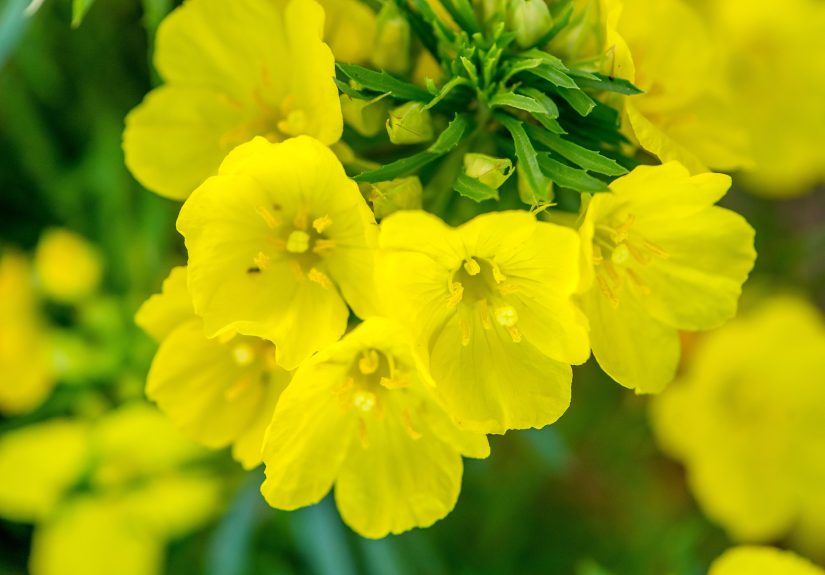
Sundrops are day-blooming members of the evening primrose family (Onagraceae). While evening primroses often open at dusk, sundrops prefer to shine when the sun’s outhence the name. Expect saucer-shaped flowers in saturated yellow (sometimes with bronze-tinged stems or reddish foliage in certain cultivars), carried above narrow green leaves. Plants form tidy mounds that look right at home in cottage gardens, prairie borders, xeriscapes, and pollinator beds.
Choosing the Right Variety
You’ll see sundrops labeled simply as “Oenothera (Sundrops).” Popular forms include:
- Oenothera fruticosa – The classic sundrops with bright yellow blooms and medium-green foliage.
- Oenothera tetragona selections – Often sold under names like ‘Sonnenwende’ or ‘Glowing Magenta’ (the latter for its foliage highlights). These can offer stronger stems and vivid color contrasts.
- Compact cultivars – Bred to stay neat in small spaces or containers.
For tight spaces, look for compact or “dwarf” forms. For mixed borders and prairie-style plantings, standard selections give you the most flower impact.
Where Sundrops Thrive
Sunlight
Full sun is nonnegotiable for peak performance. Less than 6 hours of direct sun leads to fewer blooms and leggier growth. If your site gets hot, greatsundrops love it. If it’s a bit breezy, also greatair movement keeps foliage dry and healthy.
Soil
Think “lean and clean.” Sandy or rocky, well-drained soils are ideal. Heavy clay is acceptable only if you amend it with grit or compost to improve drainage. Sundrops don’t appreciate wet feet; overly rich soil can make them floppy and short-lived.
USDA Hardiness
Most sundrops are hardy in zones 4–9. In cooler zones, mulch lightly after the ground freezes to prevent heaving. In hot, arid climates, a thin organic mulch helps conserve moisture.
Planting Sundrops: Step-by-Step
- Timing: Plant in spring after the soil is workable or in early fall 6–8 weeks before frost. Container-grown plants can go in any time the ground isn’t frozen.
- Prep the site: Loosen soil 8–10 inches deep. Mix in coarse sand or small gravel if you have heavy soil. A light dusting of compost is fine, but skip heavy fertilization.
- Spacing: Set plants 12–18 inches apart. They’ll fill in to form generous, clumping patches.
- Planting depth: Keep the crown level with surrounding soil. Backfill, firm gently, and water to settle.
- Mulch: Add a 1–2 inch layer of shredded bark or gravel, keeping it an inch away from stems.
Watering & Feeding (Low Maintenance = More Weekends)
Newly planted sundrops need consistent moisture during the first 4–6 weeks. After they’ve rooted in, water deeply but infrequentlylet the top few inches of soil dry between sessions. In typical summers, rainfall may be enough. A balanced slow-release fertilizer in early spring is optional; too much nitrogen equals lanky growth. If your soil is reasonably fertile, skip feeding.
Pruning, Deadheading & Division
Deadheading
Spent flowers naturally drop, and the plants stay fairly tidy even without deadheading. If you want a clean look or to curb volunteer seedlings, clip spent stems after the main flush of bloom.
Shearing
After peak bloom, you can shear plants by one-third to refresh foliage and encourage a lighter rebloom later in summer. Water afterward to help them bounce back.
Division
Every 3–4 years, divide congested clumps in early spring or early fall. Replant divisions immediately at the same depth. Division keeps plants vigorous and lets you spread the golden wealth around the garden.
Propagation: Seeds, Cuttings & Clump Splits
- Seeds: Collect ripe seed pods after bloom if you want to start a meadowy patch. Some species benefit from a short cold stratification; sow outdoors in fall or tray-sow and chill for 4–6 weeks before spring germination.
- Basal cuttings: In spring, take non-flowering shoots 3–4 inches long, strip lower leaves, dip in rooting hormone, and root in a gritty mix. Keep evenly moist.
- Division: The simplest methodlift the clump, tease apart natural offsets, and replant.
Containers & Small-Space Success
Yes, you can grow sundrops in containersjust choose a pot at least 12 inches wide with a free-draining mix (potting soil plus 20–30% perlite or fine grit). Water when the top inch is dry. In containers, a light spring feeding is helpful. Rotate pots weekly so plants don’t lean toward the sun like overenthusiastic fans at a concert.
Pests, Diseases & Common Problems
- Flop alert: Too much shade or nutrients causes floppy stems. Fix the environment, not just the symptoms.
- Root rot: Poor drainage is the #1 enemy. Elevate beds or amend soil with grit.
- Foliage issues: Occasional leaf spots or rust may appear in humid spells. Improve airflow, remove affected leaves, and water at the base early in the day.
- Wildlife: Deer usually prefer other entrées; rabbits sometimes nibble young shootsuse a temporary guard if needed.
Design Ideas: Where Sundrops Shine
- Pollinator island: Pair with catmint (Nepeta), alliums, and salvias for a humming, buzzing buffet.
- Warm meadow palette: Mix with coreopsis, blanket flower, and prairie dropseed. Instant summer!
- Rock garden glow: Tuck sundrops into gravelly pockets with sedums and lavender for a Mediterranean vibe.
- Color echo: Mirror the yellow with daylilies or contrast against purple coneflowers for complementary pop.
Season-by-Season Care Calendar
Spring
- Rake off winter mulch as growth emerges.
- Divide clumps if crowded; replant immediately.
- Optional: light, balanced fertilizer if soil is poor.
Summer
- Water during extended dry spells; otherwise, let them be.
- Shear lightly after peak bloom to tidy and coax sporadic rebloom.
- Deadhead if you want to reduce reseeding.
Fall
- Divide again if needed (early fall is best).
- Top-dress with compost; avoid heavy nitrogen.
- Add a thin mulch after the ground cools in cold zones.
Winter
- Leave spent stems for winter interest and beneficial insects, or cut to a few inches if you prefer tidy beds.
- In frost-heave areas, check crowns midwinter and tamp soil gently if they lift.
Troubleshooting FAQ
Why aren’t my sundrops blooming?
Usually it’s shade. Move them to a full-sun spot or prune surrounding plants. Overfertilizing can also produce leaves at the expense of flowersease off the feed.
Are sundrops invasive?
They’re enthusiastic, not invasive in most gardens. They form expanding clumps; divide or edge annually if you want tight boundaries.
Do sundrops attract pollinators?
Yes, bees and other pollinators love the open, nectar-rich blooms. Plant in a drift for the best pollinator party.
Can I grow sundrops from grocery-store evening primrose seeds?
Those are typically Oenothera biennis (a biennial evening primrose) rather than clumping perennial sundrops. They’re related, but growth habit and bloom time differ. Look for Oenothera fruticosa or named sundrops cultivars for the look described here.
Beginner-Friendly Planting Blueprint
- Pick the sunniest spot you have.
- Improve drainage if needed. Mix in coarse sand or gravel with the top 8–10 inches of soil.
- Plant 12–18 inches apart. Water well once. That’s the hard part.
- Forget the fertilizer (mostly). Feed lightly only if your soil is poor.
- Enjoy the show. Shear post-bloom if you want extra neatness or a light encore.
Companion Plants That Get the Vibe
- Purple coneflower (Echinacea): The purple/yellow contrast is peak summer energy.
- Catmint (Nepeta): Hazes of lavender-blue make sundrops look extra sunny.
- Coreopsis: Keep the golden theme going with different textures and bloom times.
- Switchgrass (Panicum): Adds movement and fall interest behind the bright blooms.
- Lavender: Loves the same lean, well-drained soil; bonus fragrance.
Cost, Effort & Payoff
Cost: Low to moderateone or two pots can be divided over time. Effort: Low once establishedwater during prolonged droughts and shear after bloom if you want. Payoff: Weeks of sunshine-yellow flowers, pollinator traffic, and low water bills. Not bad for plants that essentially enjoy neglect.
Conclusion
Sundrops are the gardening equivalent of a sunny playlist: upbeat, dependable, and guaranteed to brighten the mood. Give them sun, drainage, and an occasional haircut, and they’ll reward you with a generous season of color. Whether you’re filling a rock garden, building a pollinator border, or just craving easy-care gold, sundrops deliver in spades.
Publish-Ready SEO Details
sapo: Sundrops (Oenothera fruticosa) are bright, drought-tolerant perennials that thrive in full sun and well-drained soil. This in-depth guide covers everything from site prep and planting to pruning, division, and propagationplus smart design ideas and a seasonal care calendarso you can enjoy a long flush of sunshine-yellow blooms with minimal fuss.
Real-World Grower Notes & Experiences ()
The “Set It and Forget It” Experiment: In a suburban front border with reflected heat off the driveway, three small sundrops were plunked into gritty soil in late springno amendments beyond a handful of compost. After the first month of weekly watering, they were largely ignored. By midsummer, they formed tidy, flower-laden mounds, barely flinching during a dry spell. The key was drainage: rain ran through quickly, preventing soggy roots, and the full sun kept blooms coming. Neighbors asked what “those little suns” were.
Lessons from a Shady Strip: A side-yard bed that only sees 3–4 hours of direct sun produced taller, sparser plants with noticeably fewer flowers. Moving half the clump to a brighter spot the following spring restored performance. Takeaway: if your sundrops underwhelm, count the hours of direct sun before you blame the soil or fertilizer.
Shear Genius: After the first big flush, a gentle sheartrimming stems by about one-thirdneatened the plants and encouraged a lighter second wave of blooms. Without shearing, the plants still looked fine, but the tidy-up helped them mingle better with mid-summer companions like catmint and coneflowers. If your garden leans toward “well-groomed,” shearing is worth the five-minute effort.
Division Day Payoff: A three-year-old clump in a community garden was lifted on a cool April morning. It separated easily into five pieces, each with healthy crowns and roots. These divisions filled gaps along a gravel path, unifying the border with repeat hits of yellow. By early summer, all divisions were blooming. Moral: division isn’t just maintenanceit’s free plants and instant cohesion.
Container Case Study: On a sunny balcony, a 14-inch clay pot filled with a gritty mix (standard potting soil plus 25% perlite) housed a single sundrops plant. It got watered deeply about twice a week in peak heat; the pot’s drainage kept roots happy. Paired with trailing thyme, the combination looked like a tiny Mediterranean hillsideand the sundrops never flopped, even in a strong breeze. A light spring feeding kept flower production robust in its second year.
Deer & RabbitsReality Check: In a semi-rural garden with heavy deer pressure, sundrops consistently escaped browsing while hostas took the hit. Rabbits occasionally sampled tender spring shoots but moved on when other greens were available. A simple hoop of mesh for the first few weeks of growth prevented early nibbling and was removed once stems toughened.
Weather Whiplash: One unusually wet spring caused temporary yellowing and a touch of leaf spotting. The fix wasn’t a fungicideit was airflow and patience. Removing a dense neighboring plant to increase circulation and switching to morning-only watering helped foliage dry quickly. By early summer warmth, new growth appeared clean and the plants rebounded with vigor.
Design Wins: Repeating clumps every 2–3 feet along a path created a ribbon of gold that tied together a mixed border of lavender, blue salvias, and soft grasses. Sundrops also excel in gravel gardens where reflective heat intensifies color; their clear yellow reads like sunshine even on overcast days. The best compliment came from a visitor who thought the garden had “extra lighting.”
Bottom Line: If you can offer sun and drainage, sundrops will reward you with a long, bright season and very little drama. They’re the low-maintenance extroverts your garden has been waiting for.