Table of Contents >> Show >> Hide
If you’ve ever looked at a bowl of haleem and thought, “That looks like beige baby food,” you are technically correctand also missing out on one of the most comforting, flavor-packed dishes on the planet. Haleem is a rich, slow-cooked porridge made from grains, lentils, spices, and meat that’s cooked until everything melts together into silky, spoonable goodness. In this version, we’ll use minced meat to keep things simple, fast, and weeknight-friendly while still giving you that classic, stretchy, velvety texture you see in all the mouthwatering pictures.
Traditionally, haleem simmers for hours and uses chunks of beef, lamb, or mutton with cracked wheat and a mix of lentils. Our method borrows all the best ideas from classic Hyderabadi and Pakistani recipessoaking grains, slow cooking, long stirringbut streamlines the process for a modern kitchen. Think of it as “haleem for real life”: big flavor, basic tools, and no need for a giant cauldron or an army of hungry neighbors (although they may show up once they smell it).
What Is Haleem (and Why Is It So Good)?
Haleem is a beloved dish across South Asia and the Middle East, especially popular during Ramadan for iftar, but it’s also a cold-weather comfort food and a special-occasion showstopper. It’s built on three main elements:
- Grains: typically cracked wheat (dalia) plus barley or rice, which give that thick, creamy body.
- Lentils: a mix such as chana dal, masoor dal, and moong dal for protein, fiber, and earthy flavor.
- Meat: usually beef, lamb, or mutton cooked until it practically dissolves into the grains.
Seasoned with warm spices, fried onions, ginger, and fresh herbs, haleem tastes like a hug in a bowl. Using minced meat makes it easier to handle and faster to cook while still giving you that rich, meaty depthperfect if you’re new to haleem but determined to nail it on the first try.
Ingredients for Minced Meat Haleem
For the Grain and Lentil Base
- 1 cup cracked wheat (dalia) or bulgur wheat, rinsed
- 1/4 cup pearl barley (optional but great for texture)
- 1/4 cup chana dal (split chickpeas)
- 1/4 cup masoor dal (red lentils)
- 1/4 cup moong dal (split yellow mung beans)
- 6–7 cups water or low-sodium beef/chicken broth (more as needed)
- 1/2 teaspoon ground turmeric
- Salt to taste
For the Minced Meat Masala
- 1 1/2 pounds (about 700 g) minced beef or lamb
- 3 tablespoons ghee or neutral oil, plus more for garnish
- 2 large onions, thinly sliced (divided: about 1 1/2 for frying, 1/2 for the masala)
- 2 tablespoons ginger-garlic paste
- 2–3 green chilies, finely chopped (adjust to heat tolerance)
- 1/2 cup plain yogurt, whisked
- 2 teaspoons ground coriander
- 1 1/2 teaspoons ground cumin
- 1–2 teaspoons red chili powder or cayenne (to taste)
- 1 teaspoon garam masala
- 1/2 teaspoon black pepper
- Salt to taste
For Garnish (Highly Recommended)
- Fried onions (from the sliced onions above)
- Fresh cilantro, chopped
- Fresh mint leaves, chopped (optional but amazing)
- Julienned ginger
- Lemon or lime wedges
- Green chilies, thinly sliced
Picture idea: At this stage, a flat lay shot of neatly arranged bowls of grains, lentils, minced meat, spices, and herbs looks great and helps readers visualize the recipe.
4 Simple Steps to Make Haleem with Minced Meat
Step 1: Soak and Cook the Grains and Lentils
Good haleem starts with soft, silky grains. If the wheat and lentils are undercooked, no amount of stirring will save you.
- Rinse the cracked wheat, barley, and all lentils under cold water until the water runs mostly clear.
- Soak them together in plenty of water for at least 1–2 hours. If you remember the night before, soak them overnightyour future self will be grateful.
- Drain and transfer the soaked grains and lentils to a large, heavy-bottomed pot.
- Add 6–7 cups of water or broth, turmeric, and salt. Bring to a boil, then reduce to a gentle simmer.
- Cook uncovered or partially covered for 60–90 minutes, stirring occasionally, until everything is very soft and starting to break down. Add hot water as needed to keep a soupy consistency and prevent sticking to the bottom.
Once cooked, the grains should mash easily between your fingers. Use a potato masher or immersion blender to partially blend the mixture until thick, creamy, and porridge-like but not completely smooth. This is the base that will give your haleem its signature body.
Picture idea: Show a before-and-after: one photo of the grains simmering, another of the thick, blended porridge.
Step 2: Make the Minced Meat Masala
Next, we build flavor with a spiced minced meat mixture. This is where your kitchen starts smelling like a restaurant everyone suddenly wants to visit.
- In a large skillet or heavy pot, heat 3 tablespoons ghee or oil over medium heat.
- Add about half of the sliced onions and cook, stirring often, until golden brown and caramelized. Remove a small handful to use for garnish later if you like.
- Stir in the ginger-garlic paste and sauté for 1–2 minutes until fragrant.
- Add the minced meat, breaking it up with a spatula. Cook until it’s no longer pink and starts to brown slightly.
- Add chopped green chilies, coriander, cumin, red chili powder, black pepper, and salt. Cook for 3–4 minutes so the spices bloom in the fat.
- Lower the heat and stir in the whisked yogurt gradually to avoid curdling. Cook for 5–10 minutes until the mixture thickens and the oil or ghee starts to separate around the edges.
You should now have a rich, fragrant minced meat curry that you’d happily eat with ricebut we’re going to make it even better by marrying it to the grains.
Picture idea: A close-up photo of the browned minced meat masala in the pan, with visible chilies and spices.
Step 3: Combine, Blend, and Slow-Cook
This is the magic step where everything comes together into classic haleem texture: thick, smooth, stretchy, and utterly comforting.
- Pour the minced meat masala into the pot with the cooked grain-and-lentil mixture.
- Stir well to combine. At first it will look too loose or too chunkydon’t panic.
- Use a potato masher, wooden spoon, or immersion blender to blend the mixture. With minced meat, you don’t need to shred anything manually; the meat disperses easily into the grains, creating that signature “pulled” look.
- If the haleem seems too thick, stir in hot water or broth, 1/2 cup at a time. If it’s too thin, keep simmering uncovered.
- Sprinkle in the garam masala and adjust salt and heat (more chili powder or sliced green chilies if you like it spicy).
- Let the haleem cook on low heat for 20–30 minutes, stirring frequently to prevent sticking. Think of this as the “slow love” stagethe more you stir, the creamier and silkier it becomes.
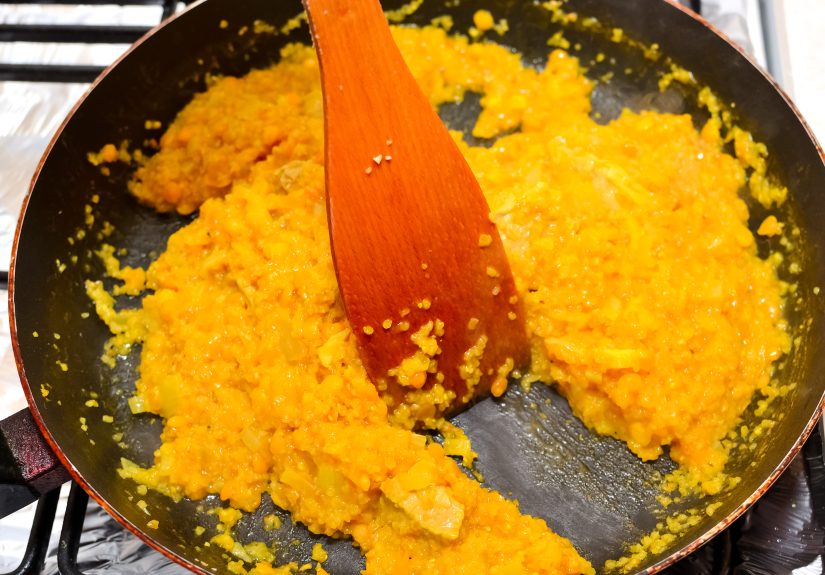
Picture idea: Show the thick, glossy haleem being stirred in the pot, with a spoon standing almost upright in the center.
Step 4: Fry the Onions and Garnish Like a Pro
Haleem without toppings is like a sundae without sprinklesstill good, but why would you? The garnish adds crunch, freshness, and brightness to an otherwise rich, soft dish.
- In a small pan, heat a few more tablespoons of ghee or oil over medium heat.
- Add the remaining sliced onions and cook, stirring constantly, until deep golden brown and crispy. Drain on paper towels. These are your legendary fried onions.
- Ladle haleem into bowls and top with fried onions, chopped cilantro, mint, julienned ginger, and sliced green chilies.
- Drizzle each bowl with a little ghee. Serve with lemon wedges on the side and warm naan or flatbread if you like.
Picture idea: A final glamour shot: a bowl of haleem loaded with fried onions, herbs, ginger, and lemon wedges on the side.
Tips for Perfect Minced Meat Haleem
- Use a heavy pot: Haleem is thick and can easily stick or burn. A heavy-bottomed Dutch oven or stockpot is your best friend.
- Low and slow wins: Even with minced meat, give the haleem time on low heat. That’s when flavors marry and the grains break down fully.
- Don’t skip soaking: Soaking grains and lentils shortens cooking time and helps them cook evenly and smoothly.
- Control the consistency: Traditional haleem is thick but still spoonable, not a brick. Add hot water or broth if it thickens too much as it sits.
- Make it ahead: Haleem tastes even better the next day. Store in the fridge for up to 4–5 days or freeze in portions. Reheat gently with a splash of water or broth.
Variations You Can Try
- Chicken haleem: Swap the minced beef or lamb for minced chicken. It cooks faster and is lighter but still comforting.
- Extra-healthy haleem: Use more lentils and barley, less ghee, and lean minced meat. Serve with a big side salad for a balanced meal.
- Mild family version: Reduce the chili powder and green chilies, then put extra sliced chilies and chili oil on the table for spice lovers.
- Gluten-free option: Replace cracked wheat with short-grain rice and skip barley. The texture will be slightly different but still delicious.
Serving Ideas and Nutrition Notes
Haleem is a complete meal in a bowlprotein from meat and lentils, complex carbs from grains, and healthy fats from ghee or oil. Pair it with:
- a crisp cucumber and tomato salad with lemon juice,
- a side of yogurt or raita to cool things down, and
- warm naan, roti, or crusty bread for dipping.
Because haleem is rich and filling, a small bowl often goes a long way. It’s perfect for feeding a crowd during holidays, family gatherings, or game dayyes, you can absolutely serve haleem instead of chili.
Experience: What It’s Like to Make Haleem at Home
The first time you make haleem, it might feel like you’re committing to a relationship instead of a recipe. There’s soaking, simmering, stirring, and more stirring. But that’s part of the charmit’s not just a dish, it’s a whole cozy afternoon project.
As the grains and lentils simmer away, your kitchen fills with the aroma of toasted wheat and earthy dal. Then you brown the minced meat with onions, and suddenly it smells like you’re making a hearty stew. When you finally combine the two pots and start stirring, the texture transforms from “soup plus meat” into a smooth, velvety porridge. This is the moment you realize why people dedicate hours to making haleemit’s oddly satisfying to watch everything melt together.
If you’re cooking for family or friends, someone will inevitably wander into the kitchen and ask, “Is it ready yet?” The correct answer is: “Almost. Here, taste this.” Haleem is one of those dishes that invites people to lean on the counter, sample a spoonful, and offer extremely helpful advice like “more spice” or “more ghee.” It becomes a shared project long before it hits the table.
Using minced meat makes the whole process feel more approachable. You skip the step of fishing out bones and shredding meat, and you get instant distribution of meaty flavor throughout the pot. It’s especially handy if you’re new to South Asian cooking or don’t have much time. Once you’ve tried it this way, you may find yourself making haleem more often, not just for special occasions.
Serving haleem is its own little ritual. You ladle the thick, golden mixture into bowls, then build a mini “topping bar”: fried onions in one dish, chopped cilantro and mint in another, lemon wedges on a plate, sliced chilies for the brave, and ginger matchsticks for extra zing. Everyone customizes their bowl, and suddenly this humble porridge feels like a personal feast.
Leftovers are a bonus. Haleem thickens in the fridge, so when you reheat it with a splash of water or broth, it becomes even creamier. It’s the kind of meal you look forward to on a busy weeknight: no chopping, just heat, garnish, and eat. If you pack it for lunch, expect at least one coworker to peer over and ask, “What is that and why does it smell so good?”
Most importantly, making haleem at home gives you control. You can adjust the spices, richness, and texture to match your tasteextra ghee for a celebration, lighter on the oil for everyday comfort food, super spicy for chili fans, or mild and soothing for days when you need something gentle. Once you know the basic method, the dish becomes endlessly customizable, but the feeling is always the same: warm, nourishing, and deeply satisfying.