Table of Contents >> Show >> Hide
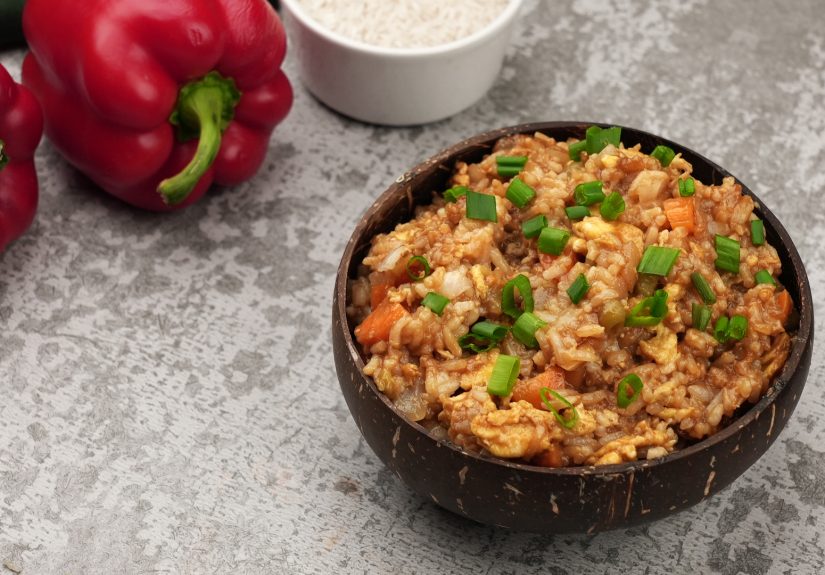
Chinese fried rice is one of those magical dishes that seems simple until your first homemade batch turns into a pan of steamy beige regret. You wanted glossy, separate grains and that irresistible takeout-style aroma. Instead, you got sticky rice, sleepy vegetables, and eggs that look like they lost a fight. The good news? Fried rice is not difficult. It is just fast, and fast food punishes chaos.
The secret is not some mysterious restaurant-only ingredient hidden in a vault beneath a wok station. It is technique. Great fried rice depends on dry rice, high heat, quick timing, and a light hand with sauce. Once you understand those basics, you can make a version at home that tastes deeply savory, beautifully textured, and far more customizable than the carton you usually open with one hand while looking for a fork with the other.
This guide breaks the process into six practical steps, with clear explanations, beginner-friendly tips, and enough real-world advice to help you avoid the usual fried rice disasters. Whether you want a simple egg fried rice, a chicken version, or a “clean out the fridge” masterpiece, this method will get you there.
Why Chinese Fried Rice Works
At its core, Chinese fried rice is a leftovers miracle with excellent marketing. Cooked rice gets a second life in a hot pan with eggs, aromatics, vegetables, and a modest amount of seasoning. The goal is not to smother the rice. The goal is to wake it up. Each grain should stay distinct, absorb flavor, and pick up just a little toasty character from the pan.
That is why texture matters so much. Freshly cooked rice is too moist and soft for ideal fried rice. It tends to clump, steam, and go mushy when it hits the skillet. Chilled rice, especially rice made a day ahead, dries out just enough to fry well. It separates more easily, browns more effectively, and gives you that restaurant-style chew instead of a soft rice pile wearing soy sauce like a heavy winter coat.
It also helps to remember that there is no single universal “Chinese fried rice” formula. Different households, regions, and restaurants use different proteins, vegetables, sauces, and finishing touches. That is part of the beauty of the dish. The structure stays smart and efficient, while the details remain flexible.
What You Need Before You Start
Best Rice for Fried Rice
Use cooked white rice that has been chilled. Jasmine rice is a popular choice because it is fragrant and fluffy, but other long-grain rice can work well too. Medium-grain rice is possible, though it may be a little stickier. Brown rice can work if you want a nuttier, slightly firmer version.
If you do not have day-old rice, do not panic and order takeout out of shame. Spread freshly cooked rice on a tray or baking sheet, let the steam escape, and chill it until it feels cool and dry. It is not exactly the same as overnight rice, but it is much better than dumping hot rice straight into a pan and hoping for emotional support.
Basic Ingredients
- 3 to 4 cups chilled cooked rice
- 2 to 3 eggs, lightly beaten
- 2 to 3 tablespoons neutral oil, such as canola or peanut oil
- 2 to 3 scallions, sliced
- 2 cloves garlic, minced
- 1 teaspoon grated ginger, optional but excellent
- 1 cup mixed vegetables, such as peas, carrots, corn, or diced onion
- 1 to 2 cups cooked protein, such as chicken, shrimp, pork, tofu, or ham
- 1 to 2 tablespoons soy sauce
- 1 teaspoon sesame oil for finishing
- White pepper or black pepper to taste
Best Pan to Use
A wok is wonderful because it heats quickly and gives you room to toss ingredients without launching peas across the kitchen. But a large skillet works too. Carbon steel, cast iron, or nonstick can all get the job done. The only real requirement is space. If the pan is too crowded, the rice will steam instead of fry, and then you are basically making sad rice salad.
How to Make Chinese Fried Rice: 6 Steps
Step 1: Start With Cold, Dry Rice
This is the most important step, and yes, it deserves the dramatic lighting. Use rice that has been chilled and separated. Before cooking, break up any clumps with your fingers or a fork so the grains are loose. If the rice goes into the pan in one giant refrigerated brick, the outside may burn while the center stays cold and lumpy.
Dry rice fries. Wet rice steams. That one sentence explains about half of all fried rice failures. If your rice feels sticky and damp, give it more time to cool and dry before you begin.
Step 2: Prep Everything Before the Pan Gets Hot
Fried rice is not the time to discover you still need to chop the onion. Once the pan is hot, the cooking moves fast. Slice the scallions, mince the garlic, beat the eggs, measure the soy sauce, and set the protein and vegetables within arm’s reach. This classic mise en place approach saves the dish because there is no room for hesitation once the sizzling starts.
If you are making a sauce, keep it simple. Soy sauce is the backbone. A tiny splash of sesame oil adds aroma. Some cooks add oyster sauce, white pepper, a pinch of sugar, or even a touch of fish sauce, but the trick is restraint. Fried rice should taste savory and balanced, not like the bottom of a soy sauce bottle.
Step 3: Cook the Eggs and Protein First
Heat the pan over medium-high to high heat and add a bit of neutral oil. Pour in the beaten eggs and scramble them quickly until just set. Remove them to a plate. If you are using raw shrimp, diced chicken, or another uncooked protein, cook that next and set it aside too. Already-cooked meat, like leftover roast pork or rotisserie chicken, only needs a quick reheat later.
Why cook these first? Control. Eggs overcook fast, and proteins need their own moment to brown properly. If everything goes in at once, the pan cools down, moisture builds up, and your fried rice loses the crisp, quick-fired personality that makes it special.
Step 4: Stir-Fry Aromatics and Vegetables
Add a little more oil if needed, then toss in onion, garlic, ginger, and any vegetables that need a bit of cooking time. Carrots and onions go in earlier. Peas, scallion whites, and bean sprouts go in later. Stir constantly, but not frantically. You want the ingredients to cook, not to enter a witness protection program under a mountain of over-stirring.
This stage builds flavor fast. Garlic and ginger perfume the oil. Onion adds sweetness. Vegetables bring texture and color, which is important because delicious beige can only do so much heavy lifting.
Step 5: Add the Rice and Season It Wisely
Turn the heat up if needed and add the rice. Spread it out, toss it, and break up any remaining clumps. Let it sit briefly between stirs so some grains can toast. That slight contact with hot metal creates a better texture than nonstop stirring ever will.
Now add the soy sauce in small amounts, ideally around the edge of the pan so it hits the hot surface before coating the rice. That helps it caramelize slightly and distribute more evenly. Return the cooked eggs and protein to the pan. Toss everything together until the rice is hot, the ingredients are evenly mixed, and the grains look glossy rather than drenched.
The biggest beginner mistake here is over-seasoning. You can always add another splash of soy sauce. You cannot easily rescue fried rice that tastes like it has been marinating in a salt pond.
Step 6: Finish Strong and Serve Immediately
Stir in the scallion greens, a few drops of sesame oil, and a pinch of pepper. Taste and adjust. Need a touch more saltiness? Add a little soy sauce. Want more brightness? Toss in extra scallions. Like heat? Add chili crisp or a dash of chili oil.
Serve the fried rice right away while it is hot, aromatic, and just a little dramatic. Fried rice waits for no one. It is at its best right out of the pan, when the grains are springy and the edges of the vegetables still have life.
Common Fried Rice Mistakes to Avoid
- Using hot, freshly cooked rice: This leads to clumps and mush.
- Overcrowding the pan: Too much food lowers the temperature and creates steam.
- Adding too much sauce: Fried rice should be seasoned, not soaked.
- Skipping prep: The dish cooks too quickly for mid-recipe chopping.
- Using low heat: Fried rice needs energy, not a gentle spa treatment.
- Overcooking the eggs: They should stay tender, not turn into tiny rubber erasers.
Easy Variations You Can Try
Egg Fried Rice
Keep it simple with eggs, scallions, peas, soy sauce, and sesame oil. This version is fast, classic, and ideal for weeknights when your patience has officially left the building.
Chicken Fried Rice
Use diced cooked chicken breast or thigh meat. Add onion, peas, carrots, and a little ginger for a familiar takeout-style profile.
Shrimp Fried Rice
Shrimp cooks quickly and adds a slightly sweet, juicy contrast to the rice. Just do not overcook it, unless you enjoy seafood with the texture of a pencil eraser.
Vegetable Fried Rice
Use mushrooms, carrots, peas, corn, cabbage, bell pepper, or bok choy. Tofu works well here too. A vegetarian version can still be deeply savory if you build flavor with aromatics and careful seasoning.
Pork or Ham Fried Rice
This is a smart use for leftover roast pork, char siu-style pork, or ham. The salty-sweet richness pairs especially well with scallions and egg.
A Simple Example Formula for Home Cooks
If you like structure, here is a reliable formula: for every 3 cups of cooked rice, use about 2 eggs, 1 cup vegetables, 1 cup protein, 1 to 2 tablespoons soy sauce, and 2 tablespoons neutral oil. That balance gives you enough flavor and texture without burying the rice under too many distractions.
You can also think of fried rice as a ratio instead of a strict recipe. Rice is the lead singer. Eggs, vegetables, and protein are the backup band. If the backup band gets louder than the lead, the whole performance gets weird.
Experience and Real-Life Lessons From Making Chinese Fried Rice
The first time many people make Chinese fried rice at home, they expect it to behave like a slow skillet dinner. It does not. It behaves more like a short performance in a hot kitchen where timing matters, your spatula becomes an extension of your hand, and every ingredient suddenly has opinions. That experience is part of what makes fried rice such a satisfying dish to learn.
One of the biggest lessons you pick up is respect for preparation. When the rice is cold, the vegetables are chopped, the eggs are beaten, and the sauce is measured, the whole process feels easy. When those things are not ready, the pan becomes a bully. Garlic burns while you search for soy sauce. The eggs overcook while you open a bag of peas. The rice clumps because you are trying to separate it and stir at the same time. Fried rice teaches you, kindly but firmly, that a few minutes of prep can save dinner.
There is also something deeply practical and comforting about the dish. Chinese fried rice rewards thrift without tasting thrifty. Leftover rice becomes the foundation of a meal that feels intentional. A small piece of chicken, a handful of peas, half an onion, and two eggs can suddenly look like you had a plan all along. It is the culinary version of turning “I have nothing to eat” into “Actually, I am a genius.”
Over time, you also start noticing the sensory details. The rice changes sound as it cooks. At first it lands in the pan with a dull, soft thud. Then, as moisture evaporates and the grains heat through, the sound becomes lighter and sharper. The aroma changes too. Raw garlic smells harsh. Garlic in hot oil smells promising. Soy sauce hitting the pan smells like dinner just got serious. Scallions added at the end smell fresh and bright, like the final note in a song that suddenly makes the whole tune work.
Experience also teaches flexibility. Maybe you do not have a wok. A large skillet will do. Maybe you do not have perfect day-old rice. Cool the rice down and keep going. Maybe your family likes more vegetables, less soy sauce, extra egg, no peas, all the peas, or enough chili oil to make everybody quietly reach for water. Fried rice can handle all of that. Once you understand the method, the recipe becomes less intimidating and more personal.
Most importantly, making Chinese fried rice a few times builds kitchen confidence. It teaches heat management, timing, seasoning, and improvisation in one dish. That is why so many home cooks come back to it. Fried rice is quick, useful, and forgiving enough to invite creativity, but demanding enough to make you better. And honestly, any recipe that helps you clean out the fridge while feeling like a weeknight hero deserves a permanent place in your rotation.
Final Thoughts
If you want homemade Chinese fried rice that tastes bold, balanced, and a little bit restaurant-like, focus on technique before ingredients. Use cold rice. Heat the pan properly. Prep ahead. Cook in stages. Go easy on the sauce. Those six moves will do more for your fried rice than any trendy shortcut ever could.
Once you get the rhythm down, this dish becomes one of the most useful meals in your kitchen. It is fast enough for busy nights, flexible enough for leftovers, and delicious enough to keep people hovering near the stove asking, “Is it ready yet?” That, more or less, is the universal sign that you nailed it.