Table of Contents >> Show >> Hide
- What Makes a Laugh Stunning?
- The Health Benefits Behind a Better Laugh
- Start With Your Smile
- Train Your Breathing for a Better Laugh
- Care for Your Voice and Throat
- Improve Your Laugh With Body Language
- Build Confidence Around Your Laugh
- Develop a Better Sense of Humor
- Use Laughter to Connect, Not Dominate
- How to Laugh More Naturally in Social Situations
- Common Laugh Problems and How to Fix Them
- Daily Habits for a More Stunning Laugh
- Experiences Related to Learning How to Have a Stunning Laugh
- Conclusion
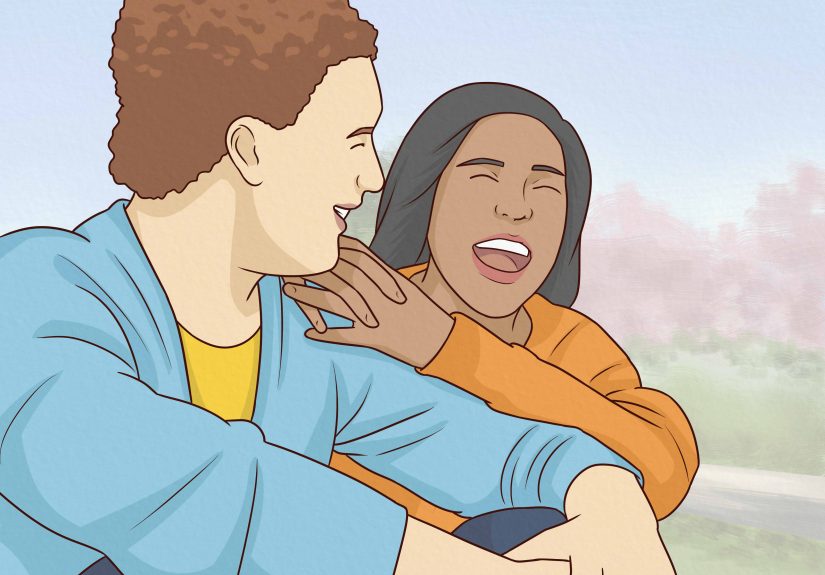
A stunning laugh is not about sounding like a movie star, flashing teeth bright enough to guide ships through fog, or forcing a “ha-ha” so polished it belongs in a toothpaste commercial. A truly stunning laugh is natural, warm, confident, healthy, and contagious in the best possible way. It makes people feel welcome. It makes a room loosen its shoulders. It says, “I am comfortable enough to enjoy this moment, and you are invited too.”
The good news? You do not need to be born with the perfect laugh. Like posture, conversation, confidence, and even a good selfie angle, laughter can be improved with awareness and practice. The goal is not to fake a new personality. The goal is to remove the tiny barriers that keep your real laugh from showing up: self-consciousness, poor breathing, dry throat, dental insecurity, stress, or the habit of holding back joy because you are worried someone might look at you.
This guide explains how to have a stunning laugh by improving your smile, voice, breath, body language, humor habits, and social confidence. Think of it as a makeover for your laughbut without the dramatic reality-show lighting.
What Makes a Laugh Stunning?
A stunning laugh has three qualities: it feels genuine, it sounds comfortable, and it connects with others. People usually remember how your laugh made them feel more than the exact sound of it. A tiny giggle, a deep belly laugh, a bright chuckle, or a wheezy “please-send-help” laugh can all be charming when they are authentic.
Authenticity Beats Perfection
The most attractive laugh is rarely the most controlled one. A forced laugh often sounds like a polite car engine trying to start in winter. Genuine laughter has rhythm, breath, facial expression, and timing. Your eyes soften. Your shoulders relax. Your voice changes naturally. That is what makes people believe itand enjoy it.
Trying to manufacture a “perfect” laugh can make you more tense. Instead, aim for a laugh that is relaxed, expressive, and socially aware. You can improve the delivery without editing out your personality.
A Stunning Laugh Is Also Kind
There is a big difference between laughing with people and laughing at people. A beautiful laugh builds connection; a careless laugh can embarrass someone. The most memorable laugh in a room is not the loudest one. It is the one that makes people feel safe enough to laugh along.
The Health Benefits Behind a Better Laugh
Laughter is not just social decoration. It has real physical and emotional benefits. A good laugh can increase oxygen intake, stimulate the heart and lungs, relax muscles, and help cool down the stress response after it briefly activates. In plain English, laughter gives your body a mini reset button. Unfortunately, the button does not also fold laundry.
Laughter may also support mood by encouraging the release of feel-good brain chemicals. It can reduce tension, create emotional distance from stress, and help people feel more resilient. That does not mean laughter fixes every problem. A joke will not pay your electric bill, but it may help you stop staring at it like it personally betrayed you.
Socially, laughter works like glue. Shared laughter tells people, “We are in the same moment.” It can smooth awkwardness, deepen friendship, reduce conflict, and make conversations feel less stiff. This is why the best dinner parties often sound like clinking glasses, overlapping stories, and at least one person laughing so hard they briefly forget how chairs work.
Start With Your Smile
Your laugh begins before sound comes out. It starts with your face, especially your smile. If you feel confident about your smile, you are more likely to laugh freely instead of covering your mouth, looking down, or swallowing the moment.
Take Care of the Basics
You do not need celebrity veneers to have a stunning laugh. A healthy, clean smile matters more than a blindingly white one. Brush with fluoride toothpaste, clean between your teeth daily, drink enough water, and keep up with dental visits based on your dentist’s recommendation. These simple habits help prevent cavities, gum problems, bad breath, and the kind of dental panic that begins with “I think I can just chew on the other side forever.”
If your laugh feels hidden because of tooth stains, crowding, chips, missing teeth, or gum concerns, consider talking with a dental professional. Sometimes a small fixprofessional cleaning, whitening guidance, bonding, aligners, or gum carecan dramatically improve confidence. The goal is not a plastic-looking smile. It is a smile you are willing to share.
Fresh Breath Matters
A stunning laugh should not arrive with a warning label. Fresh breath helps you laugh close to people without worrying that your joy has garlic subtitles. Hydration, tongue cleaning, flossing, and regular dental care can help. If bad breath is persistent, it may be linked to gum disease, dry mouth, acid reflux, certain medications, or other health issues, so it is worth getting checked.
Train Your Breathing for a Better Laugh
A laugh is powered by breath. If your breathing is shallow, your laugh may sound tight, nervous, or cut off. When your breathing is relaxed, your laugh has more warmth and body.
Practice Belly Breathing
Try this: place one hand on your chest and one hand on your belly. Inhale through your nose and let your belly expand slightly. Exhale slowly through your mouth. Repeat for one minute. This type of breathing helps relax your throat, jaw, and shoulders. It also gives your laugh better support, so it sounds less like a startled squeak escaping a balloon.
You can practice before social events, dates, presentations, interviews, or any situation where you want to feel more comfortable. Calm breathing makes genuine laughter easier because your body is not locked in “please do not perceive me” mode.
Let the Laugh Flow Out
Many people hold their laugh in their throat. That can make it sound strained or choked. Instead, imagine the laugh beginning lower in your chest or belly and traveling upward. Do not push it. Let it ride the breath. A stunning laugh has space in it.
Care for Your Voice and Throat
Your laugh uses your voice, so vocal health matters. Dryness, irritation, shouting, smoking, heavy alcohol use, and too much caffeine can make the throat feel scratchy. When your vocal folds are dry or irritated, your laugh may sound rough or uncomfortable.
Hydration Is Your Laugh’s Best Friend
Drink water consistently throughout the day. Hydration helps the throat stay comfortable and supports smoother vocal sound. If you talk a lot for work, sing, teach, record videos, or spend your evenings passionately explaining movie plot holes, hydration becomes even more important.
Steam from a warm shower, a humidifier in dry rooms, and avoiding excessive throat clearing may also help. If you often feel hoarse, lose your voice, or have throat pain, check with a healthcare professional. A stunning laugh should feel good, not like your throat is filing a formal complaint.
Warm Up Gently
Before a big social event or public speaking moment, hum softly for a minute. Try light lip trills or gentle “mmm” sounds. This relaxes the voice without forcing it. Do not shout to “wake up” your voice. Your vocal cords are not a stubborn lawn mower.
Improve Your Laugh With Body Language
Laughter is not only sound. It is a full-body signal. If your arms are crossed, shoulders lifted, jaw tight, and eyes scanning the exit, your laugh may seem guarded even if the joke was funny. Relaxed body language makes your laugh look and feel more open.
Open Your Posture
Keep your shoulders relaxed, chest open, and head upright. You do not need to stand like a superhero on a rooftop. Just avoid collapsing inward. Good posture gives your breathing room and makes your laugh feel more confident.
Use Natural Eye Contact
When you laugh with someone, brief eye contact can strengthen connection. You do not need to stare into their soul like you are reading a haunted diary. A quick glance, smile, and relaxed expression are enough. The message is simple: “I am enjoying this with you.”
Stop Hiding Your Mouth All the Time
Many people cover their mouth when laughing because they feel self-conscious. A small gesture can be cute, but constantly hiding your laugh may signal insecurity. Try lowering your hand after the first second. Let your smile show. You are allowed to take up space when you are happy.
Build Confidence Around Your Laugh
If you hate your laugh, you may have learned that from a careless comment. Maybe someone once said you laugh too loud, too weirdly, too high, too much, or like “a cartoon villain’s assistant.” That comment may have lasted five seconds for them and five years for you.
Confidence begins by questioning the criticism. Is your laugh actually unpleasant, or are you simply remembering one rude person? Most people enjoy hearing genuine laughter. It signals warmth, humor, and openness.
Record Yourself Kindly
If you are brave, record yourself laughing while watching something genuinely funny. Listen oncenot like a detective hunting flaws, but like a friend. Notice what sounds natural. Notice whether you are forcing anything. You may discover your laugh is much better than the villainous version your imagination has been replaying.
Practice Laughing Without Performing
Watch a comedy clip alone and let yourself laugh without editing the sound. Then practice laughing with a trusted friend. The point is not to rehearse a fake laugh. It is to remove the habit of suppressing a real one.
Develop a Better Sense of Humor
A stunning laugh is easier when you let more humor into your daily life. Humor is a skill, not just a personality trait. You can train yourself to notice absurdity, enjoy playful moments, and stop treating every inconvenience like a courtroom drama.
Collect What Makes You Laugh
Make a “laugh list” of shows, comedians, podcasts, books, memes, friends, animals, family stories, or harmless personal disasters that make you laugh. Keep it nearby for stressful days. This is emotional first aid, but with more raccoons stealing snacks.
Find Humor Without Being Cruel
The best humor does not need a victim. You can laugh at awkward moments, exaggerated expectations, everyday chaos, and your own harmless mistakes. Self-deprecating humor can be charming when it is light, but avoid turning yourself into the punchline every time. Laughing at yourself should feel freeing, not like a tiny roast hosted by your inner critic.
Use Laughter to Connect, Not Dominate
A stunning laugh has emotional intelligence. It fits the moment. Laughing loudly during a friend’s sad story is not confidence; it is a social emergency. Good laughter pays attention to context.
Match the Room
At a party, a big laugh may be perfect. During a work meeting, a softer laugh may land better. On a first date, genuine laughter can be magnetic, but constant forced giggling may feel nervous. In a serious conversation, a small warm chuckle can soften tension, but only if it respects the other person’s feelings.
Do Not Use Laughing as a Shield
Some people laugh when they are uncomfortable, embarrassed, or afraid to disagree. This is common, but it can confuse communication. If you notice yourself laughing after every sentence, pause and breathe. Let silence exist. Silence is not a monster. It is just a pause wearing dramatic clothing.
How to Laugh More Naturally in Social Situations
Natural laughter grows from presence. If you are busy planning your facial expression, monitoring your volume, and wondering whether your teeth look weird, you will miss the moment. The more present you are, the easier laughter becomes.
Listen for Playfulness
People often invite laughter through tone, exaggeration, timing, or facial expression. Listen for those cues. Responding with a smile or light laugh can encourage connection. You do not need to laugh at everything, but when something is funny, let yourself react.
Share Small Funny Observations
You do not have to become a stand-up comedian. Try simple, gentle observations: “This printer has the emotional stability of a raccoon,” or “I came here for one item and somehow adopted half the grocery store.” Everyday humor makes laughter easier because it lowers the pressure.
Spend Time With People Who Laugh Well
Laughter is contagious. If you surround yourself with people who enjoy life, tell stories, and laugh kindly, your own laughter becomes more relaxed. If you spend all your time with people who treat joy like a suspicious package, it may be harder to let your laugh out.
Common Laugh Problems and How to Fix Them
“My Laugh Is Too Loud”
A loud laugh is not automatically bad. It can be joyful and memorable. The key is control. Practice lowering the volume without shutting down the laugh. Use deeper breathing, relax your jaw, and notice the setting. Big laugh at a barbecue? Wonderful. Big laugh in a silent elevator? Perhaps save a little sparkle for later.
“My Laugh Sounds Fake”
Fake-sounding laughter often comes from tension or politeness. Instead of pushing out a “ha-ha,” smile first, breathe, and allow a smaller genuine chuckle. You do not owe everyone a full theatrical laugh. A sincere smile is better than a forced performance.
“I Snort When I Laugh”
Congratulations, you are human. Snorting happens when laughter and breathing collide in a chaotic little parade. If it embarrasses you, slow your breathing and avoid holding your laugh in your nose. But honestly, a surprise snort often makes people laugh more because it is real.
“I Hate My Teeth When I Laugh”
Start with dental care and confidence-building. If there is a fixable issue, explore options. If your teeth are healthy but imperfect, remember that character is not a flaw. Many unforgettable smiles are not symmetrical, bleached, or magazine-perfect. They are alive.
Daily Habits for a More Stunning Laugh
To improve your laugh, build habits that support your whole self: oral hygiene, hydration, stress relief, posture, humor, and confidence. None of these habits needs to be complicated.
- Brush and clean between your teeth consistently.
- Drink water throughout the day.
- Practice one minute of belly breathing.
- Watch or read something funny on purpose.
- Spend time with people who make you feel safe.
- Smile at small moments instead of waiting for perfect happiness.
- Let yourself laugh without apologizing for it.
These small actions create the conditions for laughter to appear naturally. You are not trying to become louder, prettier, or more entertaining. You are becoming more open to joy.
Experiences Related to Learning How to Have a Stunning Laugh
One of the most useful experiences in learning how to have a stunning laugh is noticing when laughter changes the energy of a room. Imagine a tense family dinner where everyone is politely chewing like they are in a historical drama. Then someone drops a dinner roll, it bounces with unreasonable confidence, and one person laughs. Suddenly, shoulders drop. Someone else laughs. The room remembers it is allowed to be human. That is the power of a good laugh: it gives everyone permission to breathe.
Another common experience happens in professional settings. Many people think they must be serious all the time to seem competent. But a warm, well-timed laugh can make you appear more approachable, not less capable. In meetings, a natural laugh after a light moment can reduce tension and make collaboration easier. The key is timing. Laughing at a harmless shared frustrationlike a slideshow refusing to cooperatecan bond the group. Laughing at a coworker’s mistake can do the opposite. A stunning laugh has judgment. It knows when to sparkle and when to sit quietly with a cup of coffee.
There is also the deeply personal experience of learning to stop hiding your laugh. Many people cover their mouth, look away, or press their lips together because they were once teased. The first time you let your laugh come out without apology may feel strangely bold. You may worry it is too much. But then a friend smiles back, or someone says, “I love your laugh,” and your brain has to update an old file. The laugh you thought was a flaw may actually be one of your most memorable features.
A stunning laugh often grows from self-acceptance. You may not have the delicate laugh of a romantic comedy lead. Maybe your laugh arrives in chapters. Maybe it starts as a chuckle, turns into a squeak, and ends with you wiping tears while saying, “I’m fine,” even though you are clearly not fine. That can be wonderful. The world does not need everyone to laugh the same way. It needs more people who laugh sincerely.
Daily life gives you plenty of chances to practice. Laugh when your pet acts like a tiny unpaid actor. Laugh when your recipe looks nothing like the picture but still tastes heroic. Laugh when your phone autocorrects “meeting” into “meating” and suddenly your calendar sounds like a barbecue invitation. These little experiences train your mind to notice humor instead of rushing past it.
Over time, your laugh becomes stunning not because you engineered it, but because you stopped blocking it. You cared for your smile, relaxed your breath, protected your voice, and allowed joy to show up without a permission slip. That is the kind of laugh people remember.
Conclusion
Learning how to have a stunning laugh is not about copying someone else’s sound. It is about creating the conditions for your real laugh to feel free, healthy, confident, and kind. Start with practical basics: care for your teeth, freshen your breath, hydrate your throat, breathe deeply, and relax your posture. Then work on the emotional side: stop judging your laugh, spend time with people who bring out your humor, and let yourself enjoy small ridiculous moments.
A stunning laugh does not need to be perfect. It needs to be honest. It can be soft, loud, squeaky, deep, elegant, messy, or occasionally interrupted by a snort with excellent comedic timing. When your laugh comes from genuine joy and makes others feel included, it becomes one of the most attractive things about you.
Note: This article is for educational and lifestyle purposes only. If concerns about your teeth, breath, throat, voice, anxiety, or confidence are affecting your daily life, consider speaking with a qualified dental, medical, voice, or mental health professional.