Table of Contents >> Show >> Hide
- Why Growing Bamboo from Seed Is Different
- Step 1: Choose Fresh, Viable Bamboo Seed
- Step 2: Pick the Right Location Before You Even Germinate
- Step 3: Start Bamboo Seeds the Right Way
- Step 4: Care for Bamboo Seedlings Without Loving Them to Death
- Step 5: Pot Up as the Seedlings Grow
- Step 6: Harden Off Before Moving Outdoors
- Step 7: Transplant Bamboo into the Ground or Permanent Containers
- Step 8: Water Consistently While Bamboo Establishes
- Step 9: Fertilize for Steady Growth, Not for Drama
- Step 10: Understand What “Mature Bamboo” Actually Means
- Common Problems When Growing Bamboo from Seed
- Best Tips for Growing Bamboo Successfully from Seed
- Practical Experiences Growing Bamboo from Seed into Mature Plants
- Conclusion
Growing bamboo from seed is a little like deciding to bake your own croissants instead of buying them from a bakery. Is it the fastest route? Absolutely not. Is it a little fussy? You bet. Is it weirdly satisfying when it works? Oh, yes. Very much yes.
Most home gardeners never grow bamboo from seed because bamboo rarely flowers, seed is not always easy to find, and many growers simply propagate by division instead. But if you do get viable seed, raising bamboo from scratch is one of the most rewarding long-game projects in gardening. You get to watch a giant grass begin as a tiny sprout, build a root system, thicken up over time, and eventually become the privacy screen, specimen planting, or tropical-looking focal point you had in mind.
This guide walks you through the entire process of growing bamboo from seed into mature plants, from choosing seed and starting a tray to transplanting, feeding, watering, and waiting patiently while your young bamboo stops acting like a dramatic houseguest and starts behaving like a real landscape plant.
Why Growing Bamboo from Seed Is Different
Before you plant a single seed, it helps to understand one big truth: bamboo does not behave like a tomato, a zinnia, or even a shrub. It is a woody grass, and its life cycle is a little eccentric. Many bamboo species flower only rarely, and when they do, seed viability may be limited. That means growing bamboo from seed is more unusual than growing it from divisions or rhizome pieces.
The second truth is even more important for your expectations: bamboo maturity happens in stages. A young plant may spend its first years building roots and rhizomes before it produces the thicker, taller culms you are dreaming about. In other words, if you are expecting a six-foot privacy screen by next Tuesday, bamboo would like to respectfully decline.
Still, patience pays off. Once a healthy bamboo colony is established, new culms often emerge rapidly during the main growth season, and each new generation can be taller and thicker than the last. That is how bamboo “sizes up” over time.
Step 1: Choose Fresh, Viable Bamboo Seed
If there is a golden rule for growing bamboo from seed, this is it: start with the freshest seed you can get. Old bamboo seed is not the kind of thing you want lurking in a drawer like forgotten coupons. Freshness matters because viability drops with storage, even under good conditions.
What to look for when buying bamboo seed
Choose seed from a reputable seller that clearly lists the species name, harvest or packing date if available, and basic germination guidance. Avoid mystery seed mixes that promise impossible results such as “giant black bamboo for any climate.” That sort of listing belongs in the same category as miracle weight-loss tea and one-size-fits-all jeans.
Also pay attention to species habit. Some bamboos are clumping, while others are running. If you are growing bamboo for a home landscape, clumping bamboo is often the easier choice for smaller properties. Running bamboo can be beautiful, but it requires planning, space, or physical containment.
Step 2: Pick the Right Location Before You Even Germinate
Bamboo starts in trays or pots, but mature success depends on where the plant will eventually live. Think ahead now, not after you have lovingly raised twenty seedlings and realized they are all destined for the one tiny sunny corner already occupied by a grill, a hose reel, and somebody’s abandoned patio chair.
Light
Most bamboo species prefer bright light, and many do best in full sun to partial shade once established. Young seedlings, however, are more tender and should be protected from harsh direct sun until they are stronger. Bright, indirect light is ideal during germination and early seedling growth.
Soil
Bamboo generally prefers soil that is rich, loose, moisture-retentive, and well drained. That sweet spot matters. Soil that dries out immediately stresses young plants, but soggy soil can suffocate roots and invite rot. If you are growing in containers first, use a quality seed-starting or potting mix that holds moisture without becoming dense and swampy.
Space
If your species is a runner, plan for a barrier or container culture from the beginning. If your species is a clumper, give it enough room to expand gracefully over time. Remember: the plant tag may whisper. Mature bamboo tends to speak with more confidence.
Step 3: Start Bamboo Seeds the Right Way
The easiest approach is to start bamboo seeds in a greenhouse, propagation tray, or warm indoor seed-starting setup. Use a sterile seed-starting medium rather than garden soil. Garden soil is often too heavy for trays and can lead to poor aeration around delicate roots.
Basic germination setup
Fill trays, cell packs, or small pots with a moist seed-starting mix. The medium should feel evenly damp, not dripping wet. Sow the seed and cover it lightly so the seed is well covered but not buried like treasure. Bamboo seed does not need to be planted to the center of the earth.
Keep the containers in a warm place with bright, indirect light. Room temperature to slightly warm conditions usually work well for seed-starting. Humidity helps, but stale, soaked conditions do not. A clear dome can be useful early on, as long as you ventilate it enough to prevent fungal issues.
How long does bamboo take to germinate?
Under decent conditions, many bamboo seeds germinate in about two to three weeks. Some may sprout sooner, some later. Do not panic if the tray looks empty for a bit. This is bamboo, not popcorn.
Step 4: Care for Bamboo Seedlings Without Loving Them to Death
Once the seedlings emerge, remove any humidity dome gradually and keep air moving around them. The biggest early mistake is overwatering. Seedlings need consistent moisture, but roots still need oxygen. Let the surface approach barely moist before watering again, rather than keeping the mix permanently soggy.
Light for seedlings
Young bamboo seedlings want brightness without scorching. A bright window, filtered greenhouse light, or grow lights positioned correctly can all work well. Strong afternoon sun on baby seedlings is a fast way to create disappointment.
Thinning and spacing
If you sowed thickly, thin the seedlings so they are not competing shoulder-to-shoulder like bargain hunters on sale day. Good spacing improves airflow and reduces damping-off and weak growth.
Feeding seedlings
Do not rush to fertilize the moment the seedlings appear. Very young seedlings are better off establishing roots first. Once they have produced a few true leaves and are growing steadily, you can begin a diluted, balanced fertilizer program. Go lightly. More fertilizer does not equal more bamboo. It usually equals stressed roots and regrettable muttering.
Step 5: Pot Up as the Seedlings Grow
Bamboo seedlings do not stay tiny for long if they are happy. Once roots begin to fill the starter cells or the seedlings start drying out too quickly between waterings, move them into larger containers. This is called potting up, and it gives the developing rhizome system room to expand.
Use a loose, rich potting mix with good drainage. Containers must have drainage holes. Pebbles in the bottom are not a magical fix for poor drainage. They are just pebbles at the bottom of a problem.
Best container strategy
Move gradually from small starter cells to nursery pots, rather than jumping straight into a giant container. Oversized pots hold extra wet soil around a small root system, which can lead to rot. Each move should match the plant’s current size and root mass.
Step 6: Harden Off Before Moving Outdoors
If you started your bamboo indoors or in a greenhouse, do not send it straight outdoors into sun, wind, and temperature swings like a reality show challenge. Harden it off first.
Over seven to ten days, gradually expose the plants to outdoor conditions. Start with shade and shelter, then increase light and wind exposure a little at a time. This helps toughen leaves, stems, and roots before transplanting.
Step 7: Transplant Bamboo into the Ground or Permanent Containers
Once your seedlings are sturdy and have developed a useful root system, they can move to a more permanent home. Spring is usually the best time to transplant because the plant has a full growing season ahead to establish.
How to plant bamboo in the ground
Prepare the area by loosening soil deeply and mixing in organic matter if your native soil is poor. Bamboo appreciates deep, workable soil. Aim for a site that stays evenly moist but never boggy. Set the young plant so the top of the root mass sits slightly above or level with the surrounding soil line, then firm the soil around it and water thoroughly.
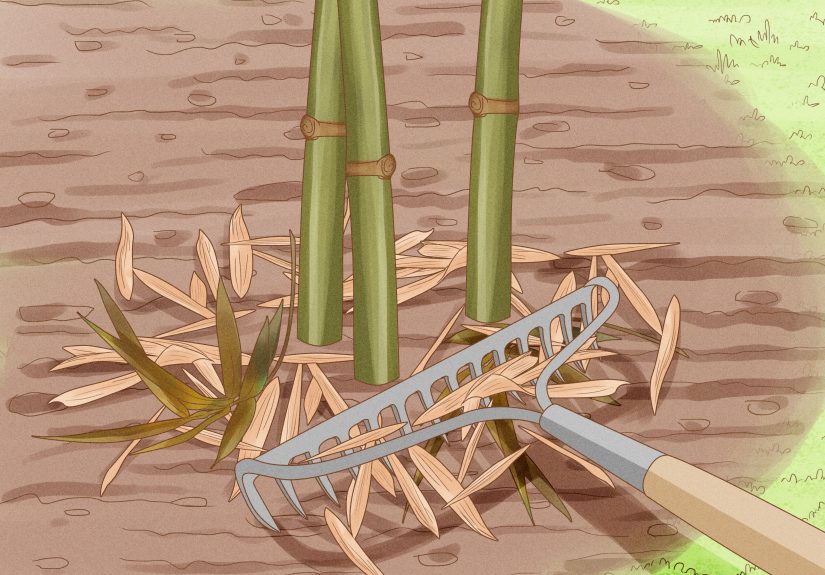
Mulch with two to three inches of organic mulch, keeping it slightly away from the stems. Mulch helps conserve moisture, moderate soil temperature, and build better soil over time.
Growing bamboo in containers
Container culture works especially well for gardeners who want to keep a close eye on running types or who garden on patios and small urban lots. Use large, sturdy pots with excellent drainage. Container-grown bamboo dries faster than in-ground bamboo, so watering becomes more important. Think of it as the difference between a houseplant and a teenager with a sports drink habit.
Step 8: Water Consistently While Bamboo Establishes
Watering is where many bamboo projects either become a success story or a cautionary tale. During establishment, bamboo needs regular moisture. That does not mean daily flooding. It means steady, even watering that encourages roots to spread into the surrounding soil.
As a general rule, newly planted bamboo benefits from watering one to two times per week depending on soil type, heat, and rainfall. Once established in the ground, many plantings do well with about an inch of water every seven to ten days, adjusted for weather. Leaves that roll inward can be a sign the plant needs water.
The first three to six months after transplanting are especially important. If the root zone dries hard during that window, young bamboo can stall badly.
Step 9: Fertilize for Steady Growth, Not for Drama
Bamboo is often described as a heavy feeder, but that does not mean you should throw fertilizer at it like confetti. Young plants need roots before they need aggressive feeding. After bamboo is established, a balanced program works best.
For in-ground bamboo, many growers use a well-balanced fertilizer and rely on mulch and falling leaves to enrich the soil over time. For container bamboo, slow-release fertilizers are especially convenient because nutrients wash out of pots more quickly. Once plants are established, feeding during the active growing season can support stronger culm production and foliage color.
Skip the temptation to overdo phosphorus, and avoid fertilizing stressed, wilted, or newly transplanted plants heavily. Feed a healthy plant, not a struggling one.
Step 10: Understand What “Mature Bamboo” Actually Means
This part trips people up. A single bamboo culm usually reaches its full height in its first growing season. After that, it may leaf out more fully and harden, but it does not keep getting taller the way a tree trunk does. The colony, however, matures over time because each year’s new culms can emerge taller and thicker than the previous generation.
So when you grow bamboo from seed, maturity is not one magic date on the calendar. It is a progression:
Year 1
Seed germinates, seedling develops, and roots begin exploring their world.
Years 2 to 3
The plant builds rhizomes, increases foliage mass, and begins to behave more like a real bamboo instead of an ambitious grass in training.
Years 3 to 5 and beyond
Depending on species and conditions, culms become more substantial, the plant fills in, and the grove or clump starts approaching its ornamental role. Some larger bamboos may take much longer to approach full stature.
Translation: mature bamboo is a marathon, not a microwave meal.
Common Problems When Growing Bamboo from Seed
Poor germination
Usually caused by old seed, inconsistent moisture, or temperatures that swing too wildly. Start with fresh seed and keep the medium evenly moist.
Seedlings collapsing
This is often damping-off or rot from poor airflow and excessive moisture. Use sterile mix, avoid overcrowding, and do not overwater.
Yellowing leaves after transplanting
Some transplant shock is normal, especially after a change in light or temperature. Keep the plant evenly moist, lightly shaded if needed, and do not panic-fertilize.
Slow growth
Welcome to bamboo from seed. Slow growth can be normal in the early years. Check light, water, drainage, nutrition, and species suitability before assuming disaster.
Unwanted spreading later on
If you planted a running bamboo without a plan, future-you may have some colorful opinions about past-you. Install barriers, use containers, or choose clumping species when space is limited.
Best Tips for Growing Bamboo Successfully from Seed
- Use fresh seed and sow it promptly.
- Start in a clean, airy seed-starting mix.
- Keep the medium consistently moist, never swampy.
- Give seedlings bright, indirect light at first.
- Pot up gradually as roots develop.
- Harden plants off before outdoor planting.
- Mulch generously after transplanting.
- Water consistently during establishment.
- Choose clumping versus running bamboo carefully.
- Measure progress in seasons and years, not days.
Practical Experiences Growing Bamboo from Seed into Mature Plants
Gardeners who have actually grown bamboo from seed tend to report the same emotional arc. First comes excitement: you find seed, set up trays, and imagine yourself standing in front of a dramatic green grove by midsummer. Then comes reality: the tray sits there looking like a pan of damp optimism. A few seedlings finally appear, and you immediately become protective to an almost unreasonable degree. You check moisture too often. You move the tray three times because the light “feels different.” You stare at seedlings that appear unchanged for days and assume they are either doomed or secretly plotting something. Usually, they are just growing roots.
One of the most useful lessons growers learn is that bamboo rewards steadiness more than fussing. The best results usually come from warm temperatures, even moisture, good drainage, and restraint. Not neglect, exactly, but restraint. Bamboo seedlings do not need a daily strategy meeting. They need consistency. Overwatering is a common mistake, especially when a gardener interprets “likes moisture” as “would enjoy living in soup.” It would not.
Another common experience is surprise at how different the timeline feels compared with vegetables or annual flowers. With bamboo, the early stages can seem almost too quiet. But that quiet period matters. When growers stick with the process, they often notice that once the plant settles in and develops a stronger rhizome system, later growth becomes much more convincing. The plant starts looking less like an experiment and more like an investment.
Many gardeners also say the biggest strategic decision was not germination but placement. A bamboo that is perfectly charming in a pot can become intimidating in open ground if it is a vigorous runner planted without containment. On the other hand, a clumping bamboo in the right spot can be one of the most elegant and low-drama screening plants in the landscape. In other words, the seed tray is only the beginning; the real wisdom shows up when choosing the permanent home.
There is also a surprisingly sentimental side to raising bamboo from seed. Because it takes time, growers tend to remember the process clearly: the first sprout, the first pot-up, the first winter of protection, the first real culm that looked like bamboo instead of just “green grass with ambition.” By the time the planting begins to mature, it feels earned. You did not just buy a screen in a pot and plunk it into the ground. You watched the whole story unfold from the first viable seed onward.
That is probably the best way to think about growing bamboo from seed. It is not the fastest method, and it is not always the easiest. But it is deeply satisfying for gardeners who enjoy process, patience, and a little botanical weirdness. When it finally matures, the payoff is more than visual. It feels like you learned the plant instead of merely purchasing it.
Conclusion
If you want the quickest path to a bamboo hedge, buying established plants is easier. But if you want the full gardening experience, complete with patience, surprise, and the occasional muttered pep talk to a seed tray, growing bamboo from seed is worth trying. Start with fresh seed, use a good seed-starting medium, keep moisture steady, protect seedlings from harsh sun, and give the plants time to build roots before you judge their future.
The final reward is not just a mature bamboo planting. It is the satisfaction of knowing you raised it from the very beginning, from a rare little seed into a strong, lasting plant that can define a garden for years.