Table of Contents >> Show >> Hide
- What “Free Credit Report” Really Means (and What It Doesn’t)
- The Only Official Place to Get Your Free Reports from All Three Bureaus
- Option 1 (Fastest): How to Get Your Free Credit Report Online
- Option 2: How to Get Your Free Credit Report by Phone
- Option 3: How to Get Your Free Credit Report by Mail
- How Often Should You Check Your Credit Report?
- What to Look for on Your Credit Report (The Stuff That Actually Matters)
- Found an Error? How to Dispute It (Without Losing Your Weekend)
- If You Suspect Identity Theft: Fraud Alert vs. Credit Freeze
- Don’t Stop at the Big Three: Other “Consumer Reports” That Matter
- Common “Free Credit Report” Traps (and How to Dodge Them)
- Quick Checklist: Your 10-Minute Free Credit Report Routine
- Conclusion
- Experiences and Lessons Learned (500+ Words of Real-World Scenarios)
Checking your credit report is like checking the smoke detector in your home: not exciting, but wildly important the day something goes wrong. The good news? In the U.S., you can access your free credit reports (yes, actually freeno “just enter your card for a $1 trial” nonsense) and use them to catch errors, fraud, or identity theft early.
This guide walks you through exactly how to get your free credit report, the safest place to do it, what to look for once you have it, and how to fix problems without spiraling into a weekend-long rage scroll.
What “Free Credit Report” Really Means (and What It Doesn’t)
Let’s clear up the most common confusion: a credit report is your credit history file (accounts, payments, inquiries, collections, and more). A credit score is a number calculated from information in that file. Many “free credit report” ads actually push a score subscription, credit monitoring, or a trial you have to cancel like it’s a part-time job.
Your baseline right (the classic rule)
Federal law gives you access to a free credit report from each of the three nationwide credit bureausEquifax, Experian, and TransUnionon a regular basis. Historically, that meant one from each bureau every 12 months.
Your upgraded reality (the modern rule you should use)
Today, you can typically view free weekly online credit reports from the three bureaus through the official authorized channel. Translation: you can check more often than “once a year,” which is great because scammers don’t politely wait 12 months to cause chaos.
Bonus heads-up: There are also occasional extra-free programs (for example, additional Equifax reports available more frequently through certain periods). So if you’re the type who checks your bank balance for fun (no judgment), you can often keep an even closer eye on your file.
The Only Official Place to Get Your Free Reports from All Three Bureaus
If you remember only one thing, make it this: AnnualCreditReport.com is the official website authorized to provide the free reports you’re entitled to. Not “AnnualCreditReportsNow.biz.” Not “TotallyLegitFreeScoreAndReport.com.” The real one.
There are three official ways to request your reports through that system: online, by phone, or by mail. Online is fastest, but phone and mail are handy if you prefer paper or don’t want to wrestle with online identity verification questions like, “Which of these streets have you never lived on?” (Trick question: you’ve lived on all of them in some alternate timeline.)
Option 1 (Fastest): How to Get Your Free Credit Report Online
Online is the “I want it now” methodalso known as the correct method for most of us.
Step-by-step
- Go directly to AnnualCreditReport.com (type it in; don’t rely on sketchy ads).
- Choose which reports you want: Equifax, Experian, TransUnionor all three.
- Verify your identity. You’ll typically provide your name, address, Social Security number, and date of birth. If you moved recently, be ready with your previous address.
- Answer security questions. These might reference loans, credit cards, or monthly payment amounts. Each bureau may ask different questions.
- View, download, and save your report. If you’re doing a “credit clean-up,” download a PDF or print it so you can mark it up.
Pro tips to avoid the “identity verification failed” headache
- Use your legal name as it appears on accounts (no nicknames).
- Match your current address formatting with how your lenders report it (Apartment vs. Unit can matter).
- Have your info nearby (mortgage/auto loan statements can help with security questions).
- Don’t panic if one bureau won’t verify online. Use phone or mail for that bureau’s report instead.
Option 2: How to Get Your Free Credit Report by Phone
If online verification feels like a pop quiz you didn’t study for, phone ordering is a calmer alternative. You’ll request your reports through the official toll-free system and receive them by mail.
Phone method basics: Call the authorized number, follow the prompts, and your report is processed and mailed. Expect delivery by mail rather than instant access.
Best for: people who prefer paper, anyone who wants a record mailed to their address, or those who had trouble verifying online.
Option 3: How to Get Your Free Credit Report by Mail
Mail ordering is the most old-school option, but it’s still fully validand sometimes the simplest route if technology isn’t cooperating.
How it works
- Download the official request form (the “Annual Credit Report Request Form”).
- Fill it out with your identifying information.
- Mail it to the designated request service address (listed on the form).
- Wait for processing and delivery. This method is slower than online, but reliable.
Best for: anyone who wants a paper trail, prefers mail, or needs an alternative when online verification fails.
How Often Should You Check Your Credit Report?
The most “correct” answer is: as often as your life requires. The most practical answer is: more often than never, less often than every hour.
A simple schedule that works for most people
- Routine monitoring: once a month or once a quarter
- Before a big money moment: 1–3 months before applying for a mortgage, auto loan, apartment, or a new credit card
- After a data breach: check now, then keep an eye out for new accounts or inquiries
- If you’re rebuilding credit: check more frequently to make sure reporting is accurate
If you don’t want to check all three at once, a classic trick is to rotateone bureau every few months. But if you have access to weekly online reports through the official channel, it’s easier to check all three whenever you need peace of mind.
What to Look for on Your Credit Report (The Stuff That Actually Matters)
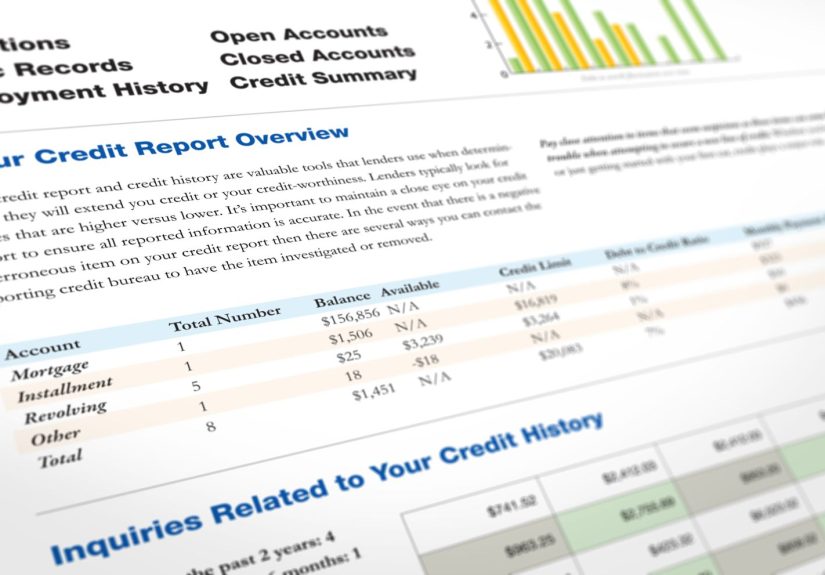
When you open your report, don’t just admire the typography and call it a day. Scan for accuracy in these key sections:
1) Personal information
Look for wrong names, addresses you’ve never used, strange employers, or incorrect phone numbers. One random typo isn’t always a crisis, but unfamiliar addresses can be a clue that someone tried to use your identity.
2) Accounts (open and closed)
Confirm you recognize every credit card, loan, and line of credit. Check balances, credit limits, payment status, and whether accounts are marked “late” when you paid on time.
3) Inquiries
Hard inquiries appear when you apply for credit and can affect your score. If you see a hard inquiry you don’t recognize, treat it like a flashing “investigate me” sign.
4) Collections and public records
Collections can show up for medical bills, old utilities, or accounts that fell behind. If it’s not yours, dispute it. If it is yours, the report can help you prioritize what to resolve.
Found an Error? How to Dispute It (Without Losing Your Weekend)
Mistakes happen. Sometimes it’s a simple reporting error. Sometimes it’s identity theft. Either way, you can take action for free.
The golden rule
Dispute the error with both: (1) the credit bureau showing the mistake, and (2) the company that furnished the information (the lender, collection agency, etc.). Doing both helps the fix stick.
How to file a dispute
- Online: The bureau’s dispute portal is often the fastest.
- By mail: Send a letter with copies (not originals) of supporting documents. Certified mail with return receipt is a smart move if you want proof it arrived.
- By phone: Available, but written documentation is usually easier to track.
What to include in your dispute
- Your full name and address
- The specific item you’re disputing (creditor name + account number if available)
- Why it’s wrong
- Copies of proof (statements, letters, payment confirmations, identity theft reports)
- A copy of your report with the item clearly circled/highlighted
After you file, the bureau investigates and sends you the results. If the dispute leads to changes, you should review your updated report to confirm the correction actually happened (because “trust but verify” is basically the unofficial motto of adult finances).
If You Suspect Identity Theft: Fraud Alert vs. Credit Freeze
If your report shows accounts you didn’t open, inquiries you didn’t authorize, or other signs of fraud, you’ll likely want extra protection.
Fraud alert (the “verify it’s really me” flag)
A fraud alert tells lenders they should take extra steps to confirm your identity before granting new credit. Typically, you contact one bureau, and that bureau notifies the other two.
- Initial fraud alert: usually lasts one year and can be renewed
- Extended fraud alert: for identity theft victims who have proper documentation; lasts longer
Credit freeze (the “lock the front door” move)
A credit freeze restricts access to your credit file, making it harder for someone to open new accounts in your name. You usually place it with each bureau. It’s free, and you can lift it temporarily when you legitimately apply for credit.
When to choose which: If you want maximum protection, a freeze is often the go-to. If you’re actively applying for credit and don’t want the extra steps of thawing, a fraud alert may be easier. In serious fraud situations, many people do both (freeze + alert) and also report identity theft through the official recovery steps.
Don’t Stop at the Big Three: Other “Consumer Reports” That Matter
Your credit life is bigger than just credit cards and loans. There are also specialty consumer reporting companies that may hold information about:
- Bank account history (think: overdrafts and account closures)
- Tenant screening (rental applications)
- Utilities and telecom accounts
- Employment background screening
- Insurance claims history
If you’re planning to rent, switch banks, or set up utilities, it can be smart to review relevant specialty reports too. The Consumer Financial Protection Bureau maintains a list of these companies, and many provide a free report at least annuallythough the request process is usually separate for each company.
Common “Free Credit Report” Traps (and How to Dodge Them)
Trap #1: “Free” that requires your credit card
If a site asks for payment details to access a “free” report, you’re probably being funneled into a subscription or trial. The legit, law-authorized free reports don’t require you to buy monitoring.
Trap #2: Lookalike websites
Scam sites love domain names that are one letter off from the official one. Type the correct address yourself and avoid clicking sponsored ads when possible.
Trap #3: Surprise emails asking for your Social Security number
Be skeptical of unsolicited messages claiming you must “confirm your SSN” to get your report. Go straight to the official channels instead.
Trap #4: “Credit repair” promises that sound like magic
No one can legally remove accurate negative information just because you paid them to “work their special credit wizardry.” You can dispute errors yourself for free, and legitimate negative marks generally remain for a set period.
Quick Checklist: Your 10-Minute Free Credit Report Routine
- Pull your reports through the official authorized system (online is fastest).
- Save a copy (PDF or print) so you can compare later.
- Scan personal info for weird addresses or names.
- Check accounts: anything you don’t recognize is priority #1.
- Review inquiries: hard inquiries you didn’t authorize need attention.
- Look for collections you don’t recognizeor that should’ve been updated.
- Dispute errors with both the bureau and the furnisher.
- If fraud is likely: place a freeze and/or fraud alert.
- Check specialty reports when renting, changing banks, or setting up utilities.
- Repeat on a schedule that matches your life (quarterly is a great start).
Conclusion
Getting your free credit report isn’t just a “nice to do.” It’s one of the simplest, most powerful ways to protect your financial lifebecause you can’t fix what you don’t see. Use the official source, check your reports with a routine that fits your goals, and treat surprises like a smoke alarm: investigate immediately, even if you were having a perfectly good day.
Experiences and Lessons Learned (500+ Words of Real-World Scenarios)
Below are a few common, real-life-style experiences people run into when they finally pull their free credit reports. These are illustrative scenarios based on patterns consumers frequently reportnot “one weird trick” fairy talesjust the kinds of situations that make you say, “Wait… that’s on my report?”
1) The Apartment Application Surprise
A renter applies for an apartment and feels confidentsteady job, decent savings, no drama. Then the landlord says the screening report flagged a delinquent account. The renter pulls all three credit bureau reports and finds a small collection account from an old utility bill tied to a previous address. It wasn’t even a massive amount; it was the kind of bill you assume is settled when you turn in the keys and move on with your life.
The fix: they contact the utility company (the furnisher) to confirm the balance and request an itemized explanation, then dispute any incorrect dates or amounts with the bureau showing the collection. The biggest lesson is timing: if they had checked their free reports a month earlier, they could’ve resolved it calmly. Instead, they had to do it while also hunting for moving boxes and pretending to be emotionally stable in emails to property managers.
2) The Phantom Address That Wouldn’t Leave
Another common moment: someone pulls a report and sees an address they’ve never lived at. Sometimes it’s a simple mix-upan old landlord’s office address, a typo, or a transposed number. But sometimes it’s a breadcrumb of identity theft, especially if it appears alongside unfamiliar inquiries or accounts.
The smart move is to treat it like a clue, not a decoration. They check the rest of the report: inquiries, new accounts, and any “authorized user” lines. If anything else looks suspicious, they place a credit freeze and file disputes. Even if the address itself doesn’t change a score, it can make future verification harder and can be an early warning sign. The lesson: “weird but harmless” is still worth checking, because weird sometimes becomes expensive.
3) The “Free Trial” That Wasn’t Free (and the Monthly Charge That Followed)
A lot of people go searching for “free credit report” and end up on a site offering a “$1 report” or “free access” with a card on file. It feels convenientuntil the monthly fee kicks in, the cancellation process requires three passwords you never created, and suddenly you’re negotiating with customer service like you’re in a hostage movie.
The cleaner approach is going straight to the official authorized source for your free reports, then separately choosing whether you want paid monitoring. Many people don’t need paid monitoring if they’re already checking reports regularly and have alerts enabled through their bank or credit card. The lesson: “free” that needs your credit card is often just “expensive with extra steps.”
4) The Pre-Mortgage Tune-Up
One of the best uses of a free credit report is proactive: pulling reports 60–90 days before applying for a mortgage. In this scenario, someone discovers a paid-off loan still showing a balance on one bureau, and a credit card reporting a late payment that doesn’t match their records. That’s a big deal when rates and approvals are on the line.
They dispute the incorrect balance with documentation, and they request the lender correct the late payment reporting if it was an error. Even when disputes take time, starting early gives you room to breathe. The lesson: your credit report isn’t just about the past; it’s a document that can change what your future costs. Checking early can literally save thousands of dollars over the life of a loan.
Bottom line: Most credit report “horror stories” aren’t solved by panicthey’re solved by pulling the report, documenting the issue, disputing correctly, and following up. The free report is your starting line. The habit is your advantage.