Table of Contents >> Show >> Hide
- Why Soccer Dribbling Skills Matter
- The Foundations of Good Soccer Dribbling
- Best Soccer Dribbling Drills for Beginners and Developing Players
- Essential Dribbling Moves to Practice
- How to Practice Dribbling Alone
- Common Dribbling Mistakes and How to Fix Them
- How Coaches Can Teach Dribbling Effectively
- Warm Up and Stay Safe
- How Long Does It Take to Improve Soccer Dribbling?
- Conclusion
- Field Experience: What Really Helps Players Become Better Dribblers
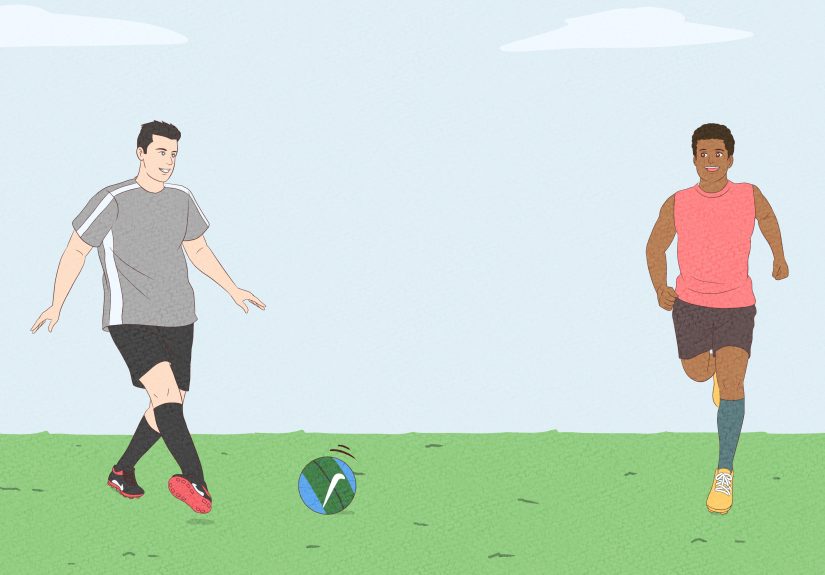
Great soccer dribbling looks like magic, but the secret is wonderfully unglamorous: thousands of smart touches, good body shape, brave decisions, and enough repetition to make the ball feel like it pays rent on your foot. Whether you are a beginner trying not to trip over your own laces or a competitive player trying to embarrass defenders politely, improving soccer dribbling skills starts with learning control before speed.
Dribbling is not just “running with the ball.” It is a blend of ball control, balance, awareness, timing, change of direction, acceleration, shielding, and decision-making. The best dribblers do not simply wiggle through defenders because they own fancy cleats. They know when to take small touches, when to push the ball into space, when to slow down, when to explode, and when to pass because three defenders have formed a tiny neighborhood around them.
This guide breaks down the essential tips and drills that help players develop good soccer dribbling skills in a practical, fun, and game-ready way.
Why Soccer Dribbling Skills Matter
Dribbling is one of the core soccer skills because it lets a player move the ball under pressure, create space, beat opponents, and open passing or shooting lanes. A player with strong dribbling technique can escape crowded areas, advance the attack, protect possession, and force defenders to make uncomfortable choices.
Good dribbling also builds confidence. When players trust their first touch and close control, they are less likely to panic when pressure arrives. Instead of treating the ball like a hot potato, they can scan the field, adjust their body, and make smarter decisions. That confidence matters for every position. Wingers need it to attack wide spaces. Midfielders need it to turn away from pressure. Defenders need it to carry the ball out safely. Even goalkeepers benefit from calm footwork when playing out from the back.
The Foundations of Good Soccer Dribbling
1. Keep the Ball Close When Space Is Tight
Close control is the first rule of dribbling. When defenders are nearby, the ball should stay within quick reach, almost as if it is inside an invisible hula hoop around your body. Use frequent light touches with the inside, outside, laces, and sole of the foot. The goal is not to kick the ball forward and chase it like a golden retriever. The goal is to move with the ball while staying ready to turn, stop, shield, or accelerate.
2. Use Bigger Touches When Space Opens
Small touches are perfect in traffic, but they are not always the fastest option. If you have open grass ahead, take a larger touch into space and sprint after it. This is called running with the ball. The skill is knowing the difference. Close defender? Small touches. Open field? Bigger touch, head up, full speed. Soccer rewards players who can change gears like a sports car, not a shopping cart with one squeaky wheel.
3. Keep Your Head Up
Players often stare at the ball while learning, and that is normal. But long-term improvement requires scanning. Lift your eyes between touches to see defenders, teammates, space, and the goal. A good drill is to have a coach or teammate hold up fingers while you dribble; call out the number without losing control. This trains your feet to work while your brain does actual soccer thinking.
4. Bend Your Knees and Stay Balanced
Dribbling is easier when your body is low, loose, and balanced. Bend your knees slightly, keep your chest over the ball, and stay on the balls of your feet. A lower center of gravity helps with quick turns and body feints. Standing tall while dribbling under pressure is like trying to dodge a sprinkler while carrying a bowl of soup.
5. Train Both Feet
Your dominant foot may be your favorite child, but the weaker foot needs attention too. Defenders quickly notice players who only cut one way. Training both feet makes you less predictable and more useful in games. Start with simple touches, turns, and cone work using only your weaker foot for short sets. It will feel awkward at first. That awkwardness is not failure; it is the sound of improvement warming up.
Best Soccer Dribbling Drills for Beginners and Developing Players
Drill 1: Toe Taps and Foundations
Purpose: Improve rhythm, coordination, and ball familiarity.
Place the ball in front of you. Lightly tap the top of the ball with the sole of one foot, then switch feet. Keep your touches soft and quick. After 30 seconds, move into foundations: pass the ball gently between the inside of both feet, keeping it under your body.
Coaching points: Stay light on your feet, keep knees bent, and avoid stomping on the ball like it owes you money. Try three rounds of 30 seconds each.
Drill 2: Cone Weave Dribbling
Purpose: Build close control and turning technique.
Set five to eight cones in a straight line, about one yard apart for beginners or closer for advanced players. Dribble through the cones using small touches. Use the inside of the foot first, then outside touches, then alternate feet.
Progression: Time each run, but do not sacrifice control for speed. If cones are flying everywhere, slow down. The cones are not defenders, and they have no health insurance.
Drill 3: Red Light, Green Light
Purpose: Practice stopping, starting, and controlling speed.
Players dribble freely in a grid. When the coach says “green light,” they dribble forward. “Yellow light” means slow down with close touches. “Red light” means stop the ball immediately with the sole. Add “blue light” for a turn, “purple light” for a stepover, or “turbo” for a short burst of acceleration.
This drill is especially useful for young players because it feels like a game while teaching control, listening, reactions, and speed changes.
Drill 4: Gates Dribbling
Purpose: Improve dribbling with awareness.
Create several small “gates” using pairs of cones spread around a playing area. Each player has a ball. The goal is to dribble through as many gates as possible in one minute. Players must keep their heads up to find open gates and avoid traffic.
Progression: Require players to use only the weaker foot, perform a turn after each gate, or accelerate for three steps after passing through. This turns a simple activity into a game-like challenge.
Drill 5: Box Dribbling Under Pressure
Purpose: Develop close control in tight spaces.
Set up a square about five yards by five yards. One player dribbles inside the box while a defender applies light pressure and tries to poke the ball away. Start with passive pressure, then increase intensity as the attacker improves.
Coaching points: Use the body to shield the ball, turn away from pressure, and keep touches small. The attacker should learn to feel where the defender is, not just see them.
Drill 6: 1v1 to End Line
Purpose: Teach players how to beat a defender with purpose.
Set up a narrow channel with an end line. One attacker starts with the ball and one defender starts a few yards away. The attacker scores by dribbling over the end line under control. The defender tries to win the ball or force the attacker out.
This is one of the best soccer dribbling drills because it connects technique to real decisions. Players learn that a move is not decoration. A move should unbalance the defender and create a lane.
Essential Dribbling Moves to Practice
The Inside Cut
Use the inside of the foot to cut the ball across your body. This move is simple, reliable, and useful when changing direction quickly. Sell it with your shoulders and hips before cutting away.
The Outside Cut
Use the outside of the foot to push the ball away at an angle. This is excellent for accelerating past a defender after they shift their weight.
The Sole Roll
Place the sole on top of the ball and roll it across your body. It helps you escape pressure, change direction, and protect the ball in tight areas.
The Stepover
Circle one foot around the ball to fake a movement one way, then push the ball the other way. The stepover works best when performed with a real body lean. Without the body fake, it becomes soccer karaoke: technically the same song, but nobody is convinced.
The Cruyff Turn
Fake a pass or shot, then drag the ball behind your standing leg with the inside of your foot. This move is perfect when a defender expects you to play forward and overcommits.
How to Practice Dribbling Alone
You do not need a full team to develop good soccer dribbling skills. A ball, a small space, and consistency can take you far. Solo training should include ball mastery, cone work, weak-foot touches, speed dribbling, and wall passing.
Try this 20-minute solo session:
- 3 minutes: Toe taps, foundations, sole rolls, and light juggling.
- 5 minutes: Cone weave using both feet.
- 4 minutes: Weak-foot-only dribbling in a small square.
- 4 minutes: Practice three moves: inside cut, stepover, and Cruyff turn.
- 4 minutes: Sprint dribble into open space, stop the ball, turn, and repeat.
Do this three to five times a week and track your progress. The best players do not always train the longest; they train with focus.
Common Dribbling Mistakes and How to Fix Them
Mistake 1: Kicking the Ball Too Far Ahead
If the ball keeps getting away, shorten your touches. Think “tap, tap, tap” instead of “boot and pray.” Practice in a small grid until close control improves.
Mistake 2: Looking Down Too Much
Start by glancing up every three touches. Then every two touches. Then between touches. Awareness improves gradually, so be patient.
Mistake 3: Practicing Moves Without Pressure
Moves look beautiful in empty space, but soccer includes defenders who rudely refuse to stand still. After learning a move, practice it against passive pressure, then active pressure, then in small-sided games.
Mistake 4: Ignoring the Weak Foot
A one-footed dribbler is easier to defend. Add weak-foot rules to drills. For example, every third round must be weaker foot only, or every turn must use the weaker foot.
Mistake 5: Going Fast Before Gaining Control
Speed matters, but control comes first. Slow practice builds clean technique. Once the movement feels smooth, increase speed. Fast chaos is still chaos, just with better cardio.
How Coaches Can Teach Dribbling Effectively
For coaches, the best dribbling sessions combine repetition, fun, and realistic decisions. Young players need many touches on the ball, not long lines where they wait, shiver, and contemplate snack time. Use small groups, grids, tag games, cone gates, and 1v1 challenges to keep players moving.
A strong practice structure might include a dynamic warm-up, ball mastery activity, technical dribbling drill, opposed 1v1 drill, and small-sided game. The small-sided game is important because players must learn when to dribble and when to pass. Dribbling is powerful, but it is not a legal obligation. Sometimes the best dribble is two touches and a pass.
Warm Up and Stay Safe
Dribbling training includes quick cuts, stops, starts, and changes of direction, so players should warm up properly. A good soccer warm-up includes light running, dynamic mobility, balance work, activation exercises, and gradual ball touches. Players should also build strength in the hips, thighs, core, ankles, and calves to support better movement and reduce injury risk.
Before intense dribbling drills, spend at least 10 minutes preparing the body. Include movements such as high knees, side shuffles, lunges, skips, ankle hops, and controlled accelerations. Then add easy touches with the ball. Cold muscles and sharp cuts are not best friends.
How Long Does It Take to Improve Soccer Dribbling?
Players can feel improvement within a few weeks if they train consistently, but strong dribbling takes months and years of repetition. The key is quality. Ten focused minutes every day can be more useful than one unfocused marathon session per week.
Track progress with simple goals: fewer cone touches, faster controlled runs, more weak-foot touches, better success in 1v1 drills, and more confidence during games. Improvement is not always dramatic. Sometimes it looks like one cleaner turn, one smarter touch, or one moment where you escape pressure and think, “Wait, did I just do that?”
Conclusion
Developing good soccer dribbling skills is about more than learning flashy tricks. It is about building control, balance, awareness, timing, and confidence. Start with close touches, train both feet, keep your head up, learn basic moves, and use drills that gradually add pressure. Cone work helps. Ball mastery helps. 1v1 practice helps even more because it teaches real decisions.
The best dribblers are not always the players with the fanciest moves. They are the players who know when to protect the ball, when to attack space, when to change speed, and when to release the pass. Train with purpose, stay patient, and remember: every great dribbler once looked awkward learning a toe tap. The ball forgives clumsy beginnings as long as you keep showing up.
Field Experience: What Really Helps Players Become Better Dribblers
One of the most useful lessons from real training environments is that dribbling improves fastest when players stop treating drills like chores and start treating them like small battles. A cone weave is fine, but a cone weave with a challenge is better. Can you finish without touching a cone? Can you beat your time while keeping the ball close? Can you complete the same pattern using only your weaker foot? Suddenly, the drill has a pulse.
In youth practices, players often want to learn the coolest move first. They want stepovers, rainbows, spins, and anything that looks good in a highlight video. That excitement is valuable, but the foundation still matters. The player who can make five clean touches in a row, stop the ball instantly, turn both ways, and accelerate under control will usually beat the player who knows one fancy trick but needs three business days to set it up.
Another experience-based truth: pressure changes everything. A player may look smooth during individual ball mastery, then freeze when a defender closes space. That is why opposed practice is essential. Start with light pressure so the attacker can succeed, then increase the defender’s intensity. Over time, players learn to use their arms legally for balance, place their body between the defender and the ball, and turn away from danger instead of dribbling directly into the defender’s shin guards.
Parents and coaches can help by praising brave decisions, not just successful outcomes. If a young player tries to beat a defender in the attacking third and loses the ball, that can still be a good learning moment. The attacking third is often the right place to take creative risks. But if the same player tries a stepover in front of their own goal with two opponents nearby, that is not creativity; that is a suspense movie. Teach players where risks make sense.
Small-sided games are also gold for dribbling development. In 3v3, 4v4, or 5v5, players get more touches, more 1v1 moments, and more chances to solve problems. Full-field games can hide timid dribblers because the ball may not come often. Small-sided games put the player in the action again and again, which is exactly what development needs.
The final experience worth remembering is that confidence grows from preparation. Players who touch the ball every day walk into games differently. They are calmer. They recover faster after mistakes. They see pressure as a puzzle instead of a disaster. A player does not need a perfect field, expensive equipment, or elite training facility to improve. A driveway, backyard, garage wall, or small patch of grass can become a dribbling laboratory. Add a ball, a few cones, and consistent effort, and the results will show.
Note: This article provides general soccer training guidance. Players recovering from injury or managing pain should consult a qualified coach, athletic trainer, physical therapist, or medical professional before increasing training intensity.