Table of Contents >> Show >> Hide
- Why Washing Machines Grow Mold (Even Though They’re Always “Washing”)
- Safety First: What Not to Do
- What You’ll Need
- Step-by-Step: Deep Clean a Front-Load Washer (Where Mold Loves to Vacation)
- Step-by-Step: Deep Clean a Top-Load Washer (Yes, They Can Get Mold Too)
- If You’re Dealing With Heavy Mold: A “Two-Round” Strategy
- How to Keep Mold From Coming Back (The Part That Saves Your Sanity)
- Troubleshooting: When the Smell Won’t Quit
- When to Call a Pro (or Consider a Repair)
- FAQ
- Real-World Experiences and Lessons Learned (The 500-Word “This Is What Actually Happens” Section)
- Conclusion
Your washing machine has one job: make things cleaner. So when it starts growing mold like it’s auditioning for a nature documentary, it feels deeply personal.
The good news: you can usually evict mold and mildew without replacing the washer, burning incense, or moving to a laundromat forever. The better news:
once you know where mold hides (spoiler: rubber seals and soap gunk), keeping it away becomes mostly habit, not heroics.
This guide walks you through a thorough, safe clean for both front-load and top-load washers, plus prevention tips that actually work in real homes with real schedules.
We’ll also cover when vinegar is helpful (and when it’s a rubber-seal villain), when bleach makes sense, and how to stop that “clean laundry, mystery funk” situation.
Why Washing Machines Grow Mold (Even Though They’re Always “Washing”)
Mold and mildew love three things: moisture, warmth, and something to snack on. Your washer offers all three:
- Moisture that lingers in the drum, hoses, gasket folds, and dispenser compartments.
- Detergent and fabric softener residue that turns into a sticky biofilm (aka “gunk buffet”).
- Cool or cold cycles that clean clothes but don’t always flush away buildup as well as hot water does.
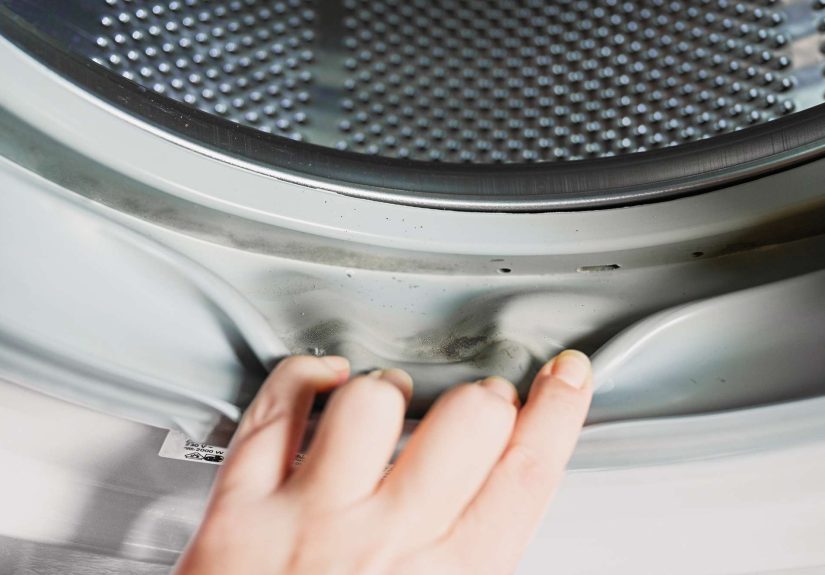
Front-load washers are especially prone to mold around the door gasket because that rubber seal is designed to keep water inand it does… even after the cycle ends.
Safety First: What Not to Do
- Never mix bleach and vinegar (or bleach and ammonia). That combo can create dangerous fumes.
- Don’t “marinate” rubber parts in strong acids (like undiluted vinegar) for long periods. Some manufacturers warn acids can degrade rubber seals and hoses over time.
- Ventilate the laundry area if you’re using bleach or strong cleaners.
- Wear gloves and consider a mask if you’re sensitive to mold or strong odors.
What You’ll Need
Pick one cleaning approach based on your washer manual and what you have on hand.
Options for the wash cycle
- Washing machine cleaner tablet/powder (often the easiest and gentlest option)
- Liquid chlorine bleach (excellent for killing mold, when your manual allows it)
- Oxygen bleach (color-safe alternative that helps with odor and buildup)
Tools for the “hidden zones”
- Microfiber cloths or old towels
- Soft brush/toothbrush (for dispenser corners and gasket grooves)
- Small bowl/bucket of warm soapy water
- Optional: spray bottle with diluted cleaner (water + a little dish soap, or a manufacturer-approved solution)
Step-by-Step: Deep Clean a Front-Load Washer (Where Mold Loves to Vacation)
Plan for about 30–60 minutes of hands-on work plus a cleaning cycle. If the mold is heavy, you may repeat the cycle.
1) Empty the washer and inspect the usual suspects
- Remove all laundry (including that one rogue sock living its best life behind the drum).
- Check the door gasket (rubber seal), especially under the folds at the bottom.
- Open the detergent drawer and look for slime or black specks.
- If your washer has a drain pump filter access panel, note it for later.
2) Clean the door gasket (the mold penthouse)
- Pull back the rubber folds gently and wipe out hair, lint, and residue.
- Use warm soapy water and a cloth to scrub all around the seal.
- If you see visible mold:
- Use a manufacturer-approved cleaner or a mild bleach solution if your manual permits.
- Apply with a cloth/brush, scrub the folds, then wipe with clean water.
- Dry the gasket thoroughly with a clean towel.
Mold often returns when moisture remains trapped. Drying isn’t a bonus stepit’s the closing argument.
3) Remove and scrub the detergent dispenser drawer
- Pull the drawer out (most have a release tab).
- Rinse with hot water, then scrub with a toothbrush to remove softener slime and detergent crust.
- Wipe inside the drawer cavity (where the drawer slides in). Mold loves the shadows back there.
- Dry everything before reassembling.
4) Run a “Clean Washer” (or hottest) cycle
Use your washer’s Clean Washer / Tub Clean cycle if available. Otherwise choose the hottest, longest cycle with the highest water level
the machine allows.
- If using a washer cleaner tablet: place it in the drum (or follow product instructions) and run the clean cycle.
- If using bleach (only if your manual allows): measure the recommended amount and add it to the bleach dispenser (or as instructed),
then run the clean cycle with hot water and an extra rinse if available. - If odor is persistent: some manufacturers recommend repeating tub-clean cycles weekly for a short stretch (for example, a few consecutive weeks) before returning to monthly maintenance.
5) Clean the drain pump filter (the “surprise soup” zone)
Many front-loaders have a small access door near the bottom front. Behind it may be a drain pump filter that catches coins, lint, and small items.
When it clogs, water sits. When water sits, mold throws a party.
- Place a shallow pan and towels under the access area (water may spill).
- Open the panel, then slowly unscrew the filter cap (follow your manual).
- Remove debris, rinse the filter, and wipe the housing clean.
- Reinstall securely and close the panel.
6) Final wipe-down and dry-out
- Wipe the door glass, the gasket, and the front edge of the drum.
- Leave the door open for several hours (or overnight) to let moisture evaporate.
Step-by-Step: Deep Clean a Top-Load Washer (Yes, They Can Get Mold Too)
Top-load washers usually have fewer gasket issues, but they can still grow mildew under the lid, around the rim, inside dispensers,
and beneath the agitator or impeller area.
1) Clean the lid, rim, and dispensers
- Wipe under the lid and around the top rim with warm soapy water.
- Remove dispenser cups (if detachable) and scrub away residue.
- Pay attention to the fabric softener dispensersoftener buildup is basically mold’s favorite appetizer.
2) Run a tub-clean cycle (or hot cycle) with the right cleaner
- Select Tub Clean or the hottest, longest cycle available.
- Add a washer cleaner tablet/powder, or use bleach if your manual approves it.
- Choose an extra rinse if possible to flush loosened residue.
3) Scrub stubborn spots (especially around the inner rim)
After the cycle, wipe the tub, rim, and any visible residue. If you see black specks returning quickly, it’s often a sign of biofilm
inside the tub arearun another tub-clean cycle and reassess detergent/softener use.
If You’re Dealing With Heavy Mold: A “Two-Round” Strategy
When mold is visible and odor is strong, one cycle may not be enough. A practical approach:
- Round 1: Run a washer-cleaner tablet cycle (or a manufacturer-approved cleaning cycle).
- Round 2: Follow with a hot rinse cycle and thorough gasket/dispenser wipe-down.
This helps remove buildup first, then sanitize what’s leftwithout overdoing harsh chemicals in one go.
How to Keep Mold From Coming Back (The Part That Saves Your Sanity)
Leave the door (or lid) open between loads
Airflow is mold’s kryptonite. For front-loaders, even cracking the door helps the gasket dry out.
Wipe the gasket and door glass regularly
In a perfect world you’d wipe after every load. In the real world, aim for:
- Front-loaders: wipe gasket folds a few times a week (or whenever you remember).
- Top-loaders: wipe the rim and underside of the lid weekly.
Use the right detergentand less than you think
Too much detergent can leave residue that traps moisture and feeds odor. Use HE detergent for high-efficiency machines and follow the dosing for your water hardness and load size.
If your clothes feel “waxy” or your washer smells musty, detergent overload is a common culprit.
Skip (or reduce) fabric softener
Fabric softener can coat internal surfaces and contribute to slime buildup. If you love the feel, consider using less or switching to alternatives your machine supports.
Run a monthly maintenance cycle
Most manufacturers recommend running a cleaning cycle about once a month (more often if you do many loads, use cold water frequently, or notice odors).
Move wet laundry quickly
Leaving damp clothes sitting in the drum warms things up and keeps moisture trappedexactly what mold wants. Transfer to the dryer or hang to dry promptly.
Troubleshooting: When the Smell Won’t Quit
Odor returns within a day or two
- Recheck the drain pump filter (front-loaders) and hose area.
- Clean the detergent drawer cavity again (it’s sneakier than it looks).
- Reduce detergent/softener and run another cleaning cycle.
You see black flakes in the wash
That can be biofilm breaking loose. Run repeated tub-clean cycles per your manufacturer’s guidance and adjust product usage going forward.
The washer drains slowly or water remains after cycles
Standing water is a mold factory. Clean the pump filter, check the drain hose for kinks, and consider professional service if draining issues persist.
When to Call a Pro (or Consider a Repair)
If you’ve done multiple cleaning cycles, cleaned the gasket and dispensers, checked filters, and you still have strong odor or recurring mold,
the problem may be deeper in the drainage system, hoses, or internal parts. A technician can inspect for hidden buildup, drainage failures, or seal issues.
FAQ
Is vinegar safe for cleaning a washing machine?
Vinegar can help dissolve some residue and deodorize, but repeated useespecially undilutedmay damage rubber components in some machines.
Many manufacturers recommend washer-cleaner tablets or bleach (when approved) instead. If you use vinegar, keep it diluted and avoid frequent deep-clean use.
Can I just run hot water and call it a day?
Hot cycles help, but they don’t remove the sticky residue that mold clings toespecially in the gasket folds and dispenser compartments.
A “hands-on” wipe plus a cleaning cycle is the winning combo.
How often should I clean my washer to prevent mold?
A common routine is monthly tub-clean plus quick wipe-downs. If you notice odors, do it more often until the problem resolves.
Real-World Experiences and Lessons Learned (The 500-Word “This Is What Actually Happens” Section)
In real homes, washer mold rarely shows up because someone “never cleans anything.” It shows up because life is busy, laundry piles up, and the washer is a
closed, damp environment that politely waits for the moment you forget about it. A very common experience: everything seems fine until one day the door opens
and you catch that unmistakable musty smelllike a basement had a baby with a gym bag.
One of the most frequent “aha” moments people report is discovering how much grime can hide inside a front-loader’s gasket folds. From the outside, the seal
looks clean. Then you pull back the lower lip and find a little ecosystem: lint, pet hair, detergent sludge, and black spots in the creases. The fix usually
isn’t complicatedit’s just a bit gross. A soft brush, warm soapy water, and patient wiping often remove the buildup, and a follow-up clean cycle helps flush
out whatever loosened residue you didn’t see.
Another common lesson: too much detergent is often the quiet villain. People assume more soap equals cleaner clothes, but many high-efficiency
washers use less water. Extra detergent can cling to the drum and hoses, creating a sticky film that traps moisture. The “real-world” symptom is oddly specific:
towels that come out technically clean but smell stale as soon as they get slightly damp again. When households cut detergent down to the recommended dose (and
occasionally add an extra rinse), the odor often improves dramatically within a couple of weeks.
There’s also the classic mistake of shutting the washer door immediately after the last loadespecially in smaller spaces where an open door feels “messy.”
People try to be tidy and accidentally create a humidity chamber. The simple habit changeleaving the door cracked opencan be surprisingly effective. Some
folks go one step further and keep a dedicated “washer cloth” nearby, so wiping the gasket becomes a 20-second task instead of an annual archaeological dig.
And then there’s the drain pump filter discovery. Many owners don’t realize it exists until they’re chasing a stubborn smell. Opening that little access panel
can reveal the greatest hits of forgotten laundry: coins, bobby pins, tiny socks, and lint that has been slowly marinating in trapped water. Cleaning the filter
is one of those experiences that’s equal parts horrifying and satisfyingbecause once it’s done, the washer often smells noticeably fresher, and draining improves.
Finally, a lot of people find success by treating washer cleaning like brushing teeth: not a once-a-year event, but a small routine. Monthly tub-clean cycles,
quick wipe-downs, and using the right amount of detergent don’t feel dramaticbut they’re exactly what keeps mold from turning your washer into a science project.
Reporting note: This article synthesizes widely cited maintenance guidance from major U.S. consumer publications and appliance/manufacturer resources, plus cleaning-industry recommendations, including advice commonly published by brands and outlets such as Consumer Reports, GE Appliances, Whirlpool/affresh, Maytag, LG (U.S. support), Clorox, The Spruce, Martha Stewart, Southern Living, Better Homes & Gardens, BobVila.com, and appliance service experts.
Conclusion
Cleaning mold out of a washing machine is mostly about attacking two things: moisture and residue. Scrub the gasket and dispenser where grime hides,
run a proper cleaning cycle with a machine-appropriate cleaner, and then make drying the drum part of your routine. Do that, and your washer can go back to being
a laundry toolnot a mold terrarium.