Table of Contents >> Show >> Hide
- Understanding Louis Vuitton Leather Before You Clean
- What You Need to Clean Louis Vuitton Leather Safely
- What Not to Use on Louis Vuitton Leather
- How to Clean Louis Vuitton Vachetta Leather
- How to Clean Louis Vuitton Coated Canvas
- How to Clean Louis Vuitton Calfskin, Cowhide, and Epi Leather
- How to Clean Louis Vuitton Vernis Leather
- How to Clean the Inside of a Louis Vuitton Bag
- How to Clean Louis Vuitton Hardware
- Common Louis Vuitton Leather Stains and What to Do
- How Often Should You Clean Louis Vuitton Leather?
- How to Protect Louis Vuitton Leather Long-Term
- When to Call a Professional
- Real-World Experience: What Cleaning Louis Vuitton Leather Teaches You
- Conclusion: Clean Gently, Protect Wisely, Let the Patina Live
Note: This guide is based on real Louis Vuitton care principles and professional handbag-care best practices. Always test gently, avoid harsh products, and consult Louis Vuitton or a trusted luxury leather specialist for rare, vintage, heavily stained, or high-value pieces.
Cleaning Louis Vuitton leather sounds simple until you meet vachetta. One minute you are admiring that pale, buttery trim on a Speedy, Neverfull, Alma, Noé, or Pochette; the next minute a raindrop lands on the handle and your soul briefly exits your body. Relax. Louis Vuitton bags are built to be used, loved, and carried through real lifenot locked in a glass museum with a tiny velvet rope.
Still, Louis Vuitton leather deserves a gentler approach than ordinary leather goods. Vachetta leather, in particular, is untreated, absorbent, and famous for developing a warm honey patina over time. That patina is part of the charm. The goal is not to make the leather look factory-new forever. The goal is to clean Louis Vuitton leather safely, prevent avoidable damage, and let the bag age with elegance instead of chaos.
This guide explains how to clean vachetta leather, coated canvas, calfskin, cowhide, Epi leather, Vernis patent leather, interiors, hardware, and common stains. Think of it as a calm, practical conversation with your bag before anyone reaches for baby wipes, saddle soap, or a questionable “miracle hack” from the internet.
Understanding Louis Vuitton Leather Before You Clean
Before cleaning any Louis Vuitton item, identify what material you are touching. Many Louis Vuitton bags are not entirely leather. The famous Monogram and Damier patterns are usually coated canvas, while the handles, tabs, straps, piping, and trim may be leather. This matters because canvas, vachetta, Vernis, and grained leather respond differently to moisture, oils, and cleaning products.
What Is Vachetta Leather?
Vachetta leather is natural, vegetable-tanned cowhide often used on Louis Vuitton handles and trim. It usually starts as a pale beige color and darkens naturally with air, light, touch, and time. This darkening is called patina. A good patina looks even, honey-toned, and lived-in. A stressed patina can look blotchy, gray, orange, greasy, or cracked.
Because vachetta is absorbent, it can soak up water, hand oils, lotion, makeup, sanitizer, perfume, and even dye from clothing. That is why cleaning vachetta leather is less about scrubbing and more about prevention, gentle maintenance, and knowing when to stop.
Other Louis Vuitton Materials You May Need to Clean
Coated canvas is more forgiving than vachetta and can usually be wiped with a soft, slightly damp cloth. Calfskin and cowhide leathers may tolerate a soft damp cloth for light surface dirt, but commercial cleaners should be approached carefully. Epi leather is textured and durable, yet it still dislikes harsh chemicals. Vernis leather has a glossy patent finish and is highly vulnerable to color transfer. Exotic skins such as python, crocodile, or lizard are specialty materials and should usually be handled by professionals.
What You Need to Clean Louis Vuitton Leather Safely
The best Louis Vuitton cleaning kit is surprisingly humble. You do not need a potion cabinet worthy of a medieval wizard. In fact, the fewer products involved, the safer your bag usually is.
- Soft, white microfiber cloths
- Lint-free, light-colored absorbent cloth
- Distilled water for careful damp wiping
- Soft-bristled brush for interiors or suede-like linings
- Lint roller for fabric interiors
- Cotton swabs for small hardware areas
- Acid-free tissue paper or clean bag pillow for shaping
- Original dust bag or breathable cotton cover
White cloths are important because colored cloth can transfer dye. Distilled water is safer than tap water because it reduces the risk of mineral marks. And microfiber is your best friend because it lifts dust without scratching delicate surfaces.
What Not to Use on Louis Vuitton Leather
Now for the danger zone. Do not use hand sanitizer, alcohol, acetone, bleach, ammonia, vinegar, perfume, makeup remover, household cleaner, saddle soap, mink oil, heavy leather oils, shoe polish, or random leather conditioners on vachetta. These products can darken, stain, dry, soften, or permanently alter the leather.
Baby wipes deserve their own little warning sign. Many people use them because they seem gentle, but they can contain chemicals, moisturizers, alcohol, fragrance, or surfactants that may darken vachetta or leave uneven marks. A baby wipe may be fine for a kitchen counter emergency, but your Louis Vuitton handle is not a kitchen counter. It has feelings. Expensive feelings.
How to Clean Louis Vuitton Vachetta Leather
Cleaning vachetta leather requires restraint. If the leather is new, pale, and unstained, the best “cleaning” is often simply keeping it dry and handling it with clean hands. If the leather already has patina, you can maintain it more comfortably, but you still need a light touch.
Step 1: Dust the Leather First
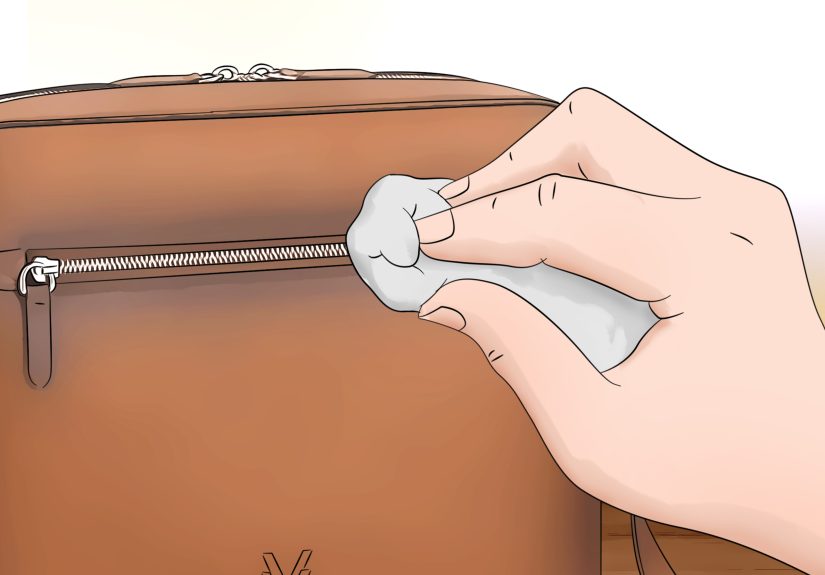
Start with a clean, dry microfiber cloth. Gently wipe the vachetta handles, tabs, trim, and strap. Do not rub aggressively. The purpose is to remove surface dust, not erase history. Work in the direction of the leather and use small motions around stitching, seams, and corners.
Step 2: Blot Water Immediately
If vachetta gets wet, do not panic and do not rub. Blot the area immediately with a light-colored, lint-free cloth. Press gently to absorb moisture. Let the leather air dry naturally away from direct heat, sunlight, radiators, hair dryers, or car vents. Heat can make leather brittle, shrink, or crack.
If a water spot remains, it may become less visible as the leather continues to patina. Trying to “fix” one tiny spot with too much water can create a larger ring. This is the handbag version of trimming your own bangs: one small adjustment can become a full evening of regret.
Step 3: Avoid Cleaning Fresh, Pale Vachetta Stains
If your brand-new vachetta gets a stain before the patina develops, the safest approach is often to leave it alone. Natural leather darkens over time, and minor marks may blend into the patina. Scrubbing pale vachetta can cause uneven darkening, rough texture, or permanent blotches.
Step 4: Use Professional Help for Oil, Ink, or Deep Stains
Oil stains, pen marks, heavy handle darkening, and dye transfer are not beginner projects. A professional leather restorer may be able to reduce staining, even out color, or replace badly damaged vachetta. DIY experiments can lower resale value and make later restoration harder.
How to Clean Louis Vuitton Coated Canvas
Louis Vuitton Monogram and Damier coated canvas is generally easier to maintain than leather. For everyday cleaning, wipe the canvas with a soft microfiber cloth. For light grime, use a cloth slightly dampened with water. If needed, a tiny amount of mild soap can be used on coated canvas, but avoid printed or delicate areas and never soak the bag.
After wiping, dry the canvas with another clean microfiber cloth. Be careful not to wet the vachetta trim. Canvas may tolerate a little moisture, but vachetta is the friend who cannot swim and should not be pushed into the pool.
How to Clean Louis Vuitton Calfskin, Cowhide, and Epi Leather
For smooth calfskin or cowhide, remove dust with a dry microfiber cloth. For light surface marks, use a soft cloth slightly dampened with water and wipe gently. Do not apply cleaner directly to the leather. Do not saturate the surface. Let it air dry completely before storing.
Epi leather is known for its textured, structured finish. It is more durable than vachetta, but it still benefits from gentle cleaning. Wipe with a soft dry cloth first. If needed, use a barely damp cloth and dry immediately. Dirt can settle into the grooves, so use light pressure and patience rather than force.
How to Clean Louis Vuitton Vernis Leather
Vernis leather is glossy, glamorous, and slightly dramaticlike a handbag wearing lip gloss. It is prone to color transfer from denim, magazines, receipts, dark fabrics, and other leather goods. Once dye transfers into Vernis, it can be difficult or impossible to remove completely.
To clean Vernis, use a soft, light-colored microfiber cloth. For fingerprints or dust, a dry cloth is often enough. If the surface needs more attention, use a barely damp cloth and dry immediately. Avoid rubbing, solvents, alcohol, and patent leather cleaners unless they are specifically recommended by a qualified luxury care professional. Store Vernis away from dark materials and direct sunlight, especially light-colored Vernis pieces that may yellow or fade over time.
How to Clean the Inside of a Louis Vuitton Bag
The inside of the bag deserves attention too. Empty every pocket, shake out loose crumbs, and remove mystery receipts from 2019. Use a soft brush or microfiber cloth to loosen dust. A lint roller can lift hair, fuzz, and tiny debris from fabric linings.
For small interior fabric stains, blot gently. Avoid pouring cleaner inside the bag because moisture can seep into seams, leather, or canvas layers. If the lining has ink, makeup, perfume, or a strong odor, professional cleaning is safer. Interior stains are sneaky because they can spread or bleed if over-treated.
How to Clean Louis Vuitton Hardware
Louis Vuitton hardware can collect fingerprints, tarnish, and residue. Use a dry microfiber cloth for regular polishing. Around zippers, locks, studs, and rings, a cotton swab can help clean tight areas. Be careful with metal polish because it can touch and stain surrounding leather or canvas. If you use any hardware product, apply it to the clothnot directly to the bagand keep it away from vachetta.
Common Louis Vuitton Leather Stains and What to Do
Water Spots
Blot immediately, air dry naturally, and avoid heat. On pale vachetta, do not chase the spot with more water. Let time and patina do some of the work.
Oil and Hand Grease
Dark handles usually come from repeated contact with skin oils, lotion, sunscreen, or hand cream. Prevention is best: carry with clean hands, rotate straps, and avoid applying lotion right before holding the bag. For heavy darkening, consult a professional.
Ink Marks
Ink is serious. Do not use alcohol or acetone on Louis Vuitton leather. These may remove color, damage finish, or spread the stain. Professional treatment is the safest option.
Denim Dye Transfer
Dark jeans can transfer dye to light canvas, Vernis, and leather. Wipe fresh transfer gently with a dry microfiber cloth. If it remains, stop and seek expert help. Prevention is much easier: avoid rubbing light bags against dark denim, especially in humid weather.
How Often Should You Clean Louis Vuitton Leather?
For regular use, wipe the exterior with a dry microfiber cloth once a week. Clean high-touch areas such as handles and base corners after heavy use. Brush or lint-roll the interior every few weeks. Deep cleaning should be rare and cautious. A luxury bag should not be treated like a gym sneaker after a muddy 5K.
Seasonal maintenance is also smart. Before storing a bag for several months, empty it, dust it, shape it with acid-free tissue or a bag pillow, and place it in a breathable dust bag. Store it in a cool, dry, ventilated area away from sunlight, humidity, and heat. Avoid plastic bags because they can trap moisture.
How to Protect Louis Vuitton Leather Long-Term
The best Louis Vuitton leather care routine is mostly prevention. Keep the bag away from rain, direct sunlight, makeup spills, perfume sprays, hand sanitizer, oily lotions, and dark clothing that bleeds dye. Do not overpack your bag, because weight can stress handles, seams, and corners. Rotate your bags if you own more than one, and avoid setting them on rough surfaces, restaurant floors, or mystery-sticky countertops.
For new vachetta, some owners choose professional protectant services, while others prefer leaving the leather untreated so it develops a natural patina. Both approaches have supporters. The key is to avoid untested sprays or conditioners that can darken leather unevenly. If you want protection, test first in a hidden area or ask a reputable luxury handbag specialist.
When to Call a Professional
Call a professional if your Louis Vuitton leather has deep oil stains, ink, mold, heavy odor, cracking, peeling, sticky Vernis, major water damage, broken piping, torn trim, or severely darkened handles. Professional restorers can sometimes clean, recolor, condition, or replace vachetta. Louis Vuitton may also offer repair options depending on the item, age, condition, and material.
Professional care costs more than a DIY cloth, but it is often cheaper than accidentally turning a beautiful bag into a cautionary tale with handles.
Real-World Experience: What Cleaning Louis Vuitton Leather Teaches You
Anyone who has owned a Louis Vuitton bag with vachetta leather learns one lesson quickly: the first mark hurts the most. The first raindrop, first tiny handle stain, or first corner scuff can feel like a personal betrayal. But after carrying the bag for a while, you begin to understand that vachetta is not meant to stay pale forever. It is meant to record use. The trick is helping it age evenly instead of letting random disasters write the whole story.
One practical experience many owners share is that clean hands matter more than fancy products. A Neverfull or Speedy handle can darken quickly when carried after applying sunscreen, hand cream, or sanitizer. Even clear products can leave oils that sink into the leather. The simple habit of letting lotion dry fullyor wiping hands before grabbing the handlescan prevent a surprising amount of discoloration.
Another real-life lesson is that rain planning is not dramatic; it is smart. If the forecast looks suspicious, carry a darker bag, use a bag organizer with a foldable cover, or keep a light cotton scarf inside to shield vachetta in an emergency. If your bag does get wet, blotting calmly is better than frantic rubbing. Rubbing usually makes the spot worse and can roughen the surface.
Owners of older Louis Vuitton pieces often discover that a mature patina is forgiving. A honey-colored handle can hide tiny marks better than fresh pale leather. This is why trying to keep vachetta “new” forever can become exhausting. At some point, the bag looks better when you let it become what it naturally wants to become: warm, golden, and personal.
Storage habits also make a visible difference. Bags stuffed properly hold their shape better. Bags stored in dust bags breathe better than bags trapped in plastic. Bags kept away from windows avoid unnecessary fading. And bags that are not overpacked avoid stretched handles and tired corners. Cleaning is important, but daily habits do most of the heavy lifting.
The biggest experience-based tip is knowing when not to clean. If a mark is small, stable, and on pale vachetta, waiting may be wiser than treating. Many minor stains soften into the patina over time. On the other hand, ink, oil, and dye transfer deserve professional attention sooner rather than later. Good Louis Vuitton care is not about doing more. It is about doing the right amount, at the right time, with the right level of caution.
Conclusion: Clean Gently, Protect Wisely, Let the Patina Live
Learning how to clean Louis Vuitton leather is really learning how to respect the material. Vachetta leather is delicate, absorbent, and beautifully alive. Coated canvas is easier to maintain, but it still needs gentle care. Vernis leather needs protection from color transfer. Calfskin, cowhide, and Epi leather should be cleaned lightly and never drowned in products.
The safest routine is simple: dust often, blot water fast, use minimal moisture, avoid harsh chemicals, store properly, and call a professional when stains are serious. Your Louis Vuitton bag does not need to look untouched to look luxurious. A soft, even patina tells a story. Just make sure the story is “well-loved classic,” not “I attacked it with saddle soap at midnight.”