Table of Contents >> Show >> Hide
- Why Speed Matters (and Why “I’ll Deal With It Tomorrow” Is a Trap)
- Before You Start: What You’ll Need (No Fancy Gadgets Required)
- The First 10 Minutes: Emergency Steps for Any Wet Mattress
- Identify the Spill: Clean Water vs. “This Has a Backstory”
- How to Dry a Wet Mattress Quickly (Without Cooking Your Mattress Like a Lasagna)
- Deodorizing and “Finishing” the Mattress (So It Smells Like Sleep, Not Regret)
- What Not to Do (A Quick List of Regrets to Avoid)
- When to Call a Pro (or Consider Replacing the Mattress)
- Preventing the Next Wet Mattress (Because You Deserve Peace)
- FAQ: Quick Answers You Actually Need
- Experience-Based Tips: What People Learn the Hard Way (So You Don’t Have To)
A wet mattress is one of life’s sneakier problems: it starts as “Oops,” and can turn into “Why does my bedroom smell like a forgotten gym bag?” if you don’t move fast.
The good news: most spills and accidents are totally salvageable with the right order of operationssoak up, clean smart, dry fast, deodorize.
The bad news: your mattress is basically a giant layered sponge with a trust fund, so you can’t treat it like a bath towel.
This guide walks you through what to do in the first 10 minutes, how to adjust for different messes (water, coffee, urine, etc.), how to dry a mattress quickly without damaging it,
and when it’s time to call in a pro (or accept that it’s replacement season).
Why Speed Matters (and Why “I’ll Deal With It Tomorrow” Is a Trap)
Moisture trapped inside a mattress can invite mold and mildew surprisingly fastespecially in warm, humid rooms or when liquid soaks deep into foam layers.
Your main goal is to get the wet area dry within the first day, and ideally much sooner.
Think of it like this: you’re not just cleaning the surfaceyou’re trying to prevent a “moisture sandwich” inside the mattress where air can’t circulate.
That’s why the best plan combines absorption + suction + airflow + time.
Before You Start: What You’ll Need (No Fancy Gadgets Required)
Grab what you have. You can improvise, but the basics matter:
- Clean, absorbent towels or paper towels (lots)
- A spray bottle (or a clean bowl + cloth)
- Cold water (hot water can set some stains)
- Mild dish soap or gentle laundry detergent (bleach-free)
- Baking soda (for moisture + odor control)
- Fan (or two), plus open windows if weather allows
- Vacuum with upholstery attachment (ideal) or wet/dry vacuum (best for heavy saturation)
- Enzyme cleaner (recommended for urine/vomit/bodily fluids)
- Optional but amazing: dehumidifier
Safety note: Don’t mix cleaning products “to make them stronger.” In particular, never combine bleach with ammonia or acids like vinegar.
Also, avoid soaking your mattress with lots of liquidmore cleaning solution often means more drying problems.
The First 10 Minutes: Emergency Steps for Any Wet Mattress
If you do nothing else, do this part. These steps handle most spills and buy you time.
1) Strip the bed and protect the rest of the room
- Remove sheets, mattress pad, and protector immediately.
- Toss washable items into the laundry (cold or warm cycle depending on fabric; check labels).
- If liquid is still spreading, slide a towel under the edge or place a waterproof barrier (trash bag works) to protect the bed frame.
2) Blotdon’t rub
Press towels firmly into the wet area to soak up moisture. Replace towels as they get saturated.
Rubbing pushes liquid deeper and turns a small problem into a mattress-core problem.
3) Use suction if you can
If you have a wet/dry vacuum, this is its big moment. Use the upholstery tool and pull moisture out slowly, overlapping passes.
If you only have a regular vacuum, skip liquid suction (water + regular vacuum = bad idea).
4) Start airflow immediately
Turn on a fan aimed directly at the wet spot. If you have a second fan, aim it across the mattress surface to create cross-breeze.
If the room is humid, run a dehumidifier to pull moisture out of the air so the mattress can actually evaporate.
Identify the Spill: Clean Water vs. “This Has a Backstory”
The cleaning step depends on what soaked your mattress. A water spill is mostly a drying problem.
Coffee, juice, wine, urine, and other “oops” moments are a clean + deodorize + dry situation.
Scenario A: Clean water (water bottle, humidifier tip-over, melted ice pack)
- Blot aggressively with towels.
- Suction with wet/dry vacuum if available.
- Run fans + dehumidifier.
- When the area is only slightly damp, sprinkle a light layer of baking soda, let sit 4–8 hours, then vacuum.
If it’s a large saturation (like a full glass or more), plan for extended drying time and consider propping the mattress up (see drying section).
Scenario B: Coffee, soda, juice, wine (sticky + staining)
You’re dealing with sugar, pigments, and sometimes acidity. The trick is cleaning without over-wetting.
- Blot firstuntil towels come up mostly dry.
- Mix a gentle solution: 1 cup cold water + a few drops of mild dish soap.
- Lightly dampen a cloth (don’t pour) and dab the stain from the outside in.
- Use a second cloth dampened with plain water to “rinse” by blotting (again, minimal moisture).
- Dry with fans. Finish with baking soda once dampness is minimal.
Scenario C: Urine (the odor is the boss fight)
For urine, the goal is to break down odor-causing compounds and pull moisture out before it settles in.
Enzyme cleaners are usually the most effective option for biological stains and smells.
- Blot repeatedly with towels.
- If you have an enzyme cleaner: apply according to label, typically by dampening a cloth and blotting, or lightly spraying the affected area (avoid soaking).
- If you need a DIY approach: a 1:1 mix of white vinegar and water can help with fresh urine odorsspritz lightly, let sit about 10–15 minutes, then blot thoroughly.
- Once the area is only damp, apply baking soda generously (not a mountain range), leave several hours or overnight, then vacuum.
Tip for foam mattresses: they absorb quickly and hold smells longer, so suction + airflow matters even more.
If the odor lingers, you may need a second round after the mattress is fully dry.
Scenario D: Vomit or other bodily fluids (protein stains)
Remove any solids first (paper towels, not your favorite hand towel).
Use an enzyme cleaner if possible. For stubborn discoloration, some people use small amounts of 3% hydrogen peroxide,
but it can discolor certain fabricsalways patch test in an inconspicuous spot.
How to Dry a Wet Mattress Quickly (Without Cooking Your Mattress Like a Lasagna)
Drying is where most people accidentally make things worseeither by under-drying (“it feels fine-ish”) or by over-heating foam and adhesives.
Use this step-by-step setup instead.
Step 1: Create airflow around the mattress
- If you can, stand the mattress on its side to expose more surface area to air.
- Keep it a few inches away from walls so moisture doesn’t get trapped.
- Aim a fan at the wet area, and another fan across the surface if available.
Step 2: Lower humidity (the secret speed boost)
If you live in a humid climate, fans alone may just blow wet air around.
A dehumidifier helps pull moisture out of the room so the mattress can actually release water.
Step 3: Use gentle heat only if needed
A hair dryer can help on small damp spots, but use low or cool settings and keep it moving.
High heat can damage memory foam and some mattress materials.
Step 4: Plan realistic drying time
Light dampness can dry in a few hours with strong airflow.
Deep saturation (especially in foam) can take 24–48 hours.
Don’t remake the bed until the mattress is dry all the way throughtop-dry is not the same as fully dry.
Deodorizing and “Finishing” the Mattress (So It Smells Like Sleep, Not Regret)
Baking soda, but smarter
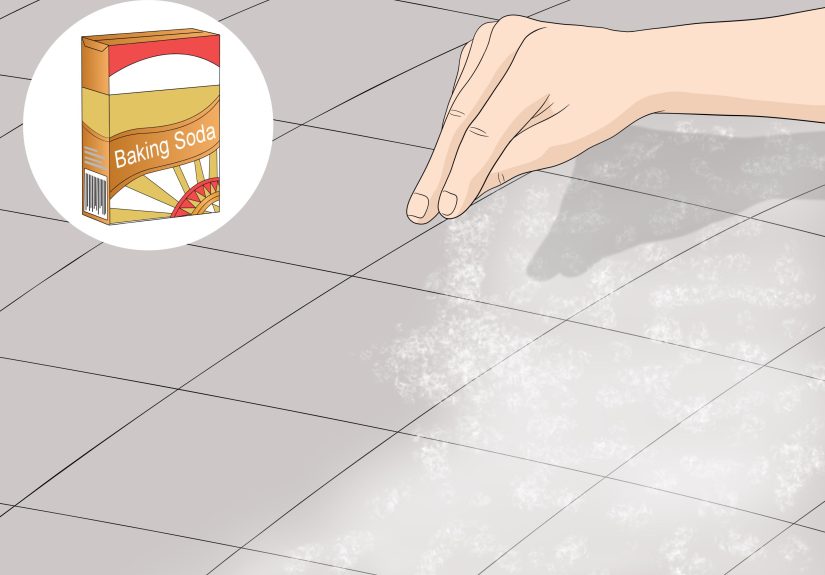
Baking soda is great for odors and leftover moisture, but you don’t need to empty the whole box like you’re salting a driveway.
A moderate, even layer works.
- Wait until the spot is only slightly damp.
- Sprinkle baking soda in a thin, even coat.
- Let it sit 4–8 hours (overnight is fine).
- Vacuum thoroughly with an upholstery attachment. Clean/replace your vacuum filter afterward if needed.
Optional odor boosters
- Cornstarch + baking soda can help absorb oils and odors (use sparingly).
- If you use essential oils, keep it minimalstrong scents can be irritating and don’t replace cleaning.
What Not to Do (A Quick List of Regrets to Avoid)
- Don’t soak the mattress with buckets of cleaner. You’ll trade “stain” for “mold risk.”
- Don’t steam clean unless you’re confident you can dry the mattress thoroughly afterwardsteam introduces deep moisture.
- Don’t mix cleaning chemicals to DIY a “super cleaner.” Follow labels and keep combinations simple.
- Don’t sleep on it damp. Besides comfort, trapped moisture is exactly what mildew likes.
When to Call a Pro (or Consider Replacing the Mattress)
Most everyday spills are manageable. But there are times when the safest move is professional helpor letting go.
- Floodwater or sewage exposure: this can contaminate internal layers and is not a typical DIY cleanup.
- Soaked-through mattress that won’t dry after strong airflow and dehumidification.
- Visible mold or persistent musty odor even after the mattress is fully dry and cleaned.
- Allergy/asthma concerns: lingering moisture and mold exposure isn’t worth the gamble.
Preventing the Next Wet Mattress (Because You Deserve Peace)
- Use a waterproof mattress protector (the easiest “future you” gift).
- Keep drinks in closed containers near the bedcups without lids are basically chaos invitations.
- If accidents are common (kids, pets, caregiving situations), add a washable pad on top of the protector.
- Let your bed “air out” when you change sheetsleaving it unmade for a bit helps moisture escape.
FAQ: Quick Answers You Actually Need
Can I sleep on the mattress tonight?
Only if it’s truly drynot just “feels dry on top.” If it’s even a little damp deep down, you risk odor and mildew.
If you must sleep in that room, consider temporarily sleeping on the dry side (if only a small area is affected) with a clean, breathable barrier.
How do I know it’s fully dry?
Press a dry paper towel firmly into the cleaned area and hold for 10 seconds. If it picks up moisture, keep drying.
Also pay attention to smelldamp mattresses often smell “sweet” or musty before you see any issues.
Should I use vinegar and baking soda together?
They can be useful separately, but mixing them into one fizzy cocktail mostly cancels out their cleaning power.
A better approach is vinegar/water for spot treatment (lightly), then baking soda later once the area is only damp.
What about hydrogen peroxide?
It can help lift certain stains (especially protein-related), but it may discolor fabric covers and printed mattress panels.
Patch test first, use small amounts, and don’t oversaturate.
Experience-Based Tips: What People Learn the Hard Way (So You Don’t Have To)
After enough real-life mattress incidentswater bottles, sick days, pet accidents, and the occasional “I balanced my coffee on a pillow like an acrobat” momentpatterns show up.
Here are the lessons that tend to repeat, told through the kinds of scenarios people actually face.
The Midnight Water Bottle Fiasco
A classic: you wake up at 2:00 a.m., reach for water, and discover your bottle’s lid was “technically on” in the way a hat is technically a helmet.
The best move in this situation isn’t perfectionit’s speed. People who succeed do three things fast: strip the bed, blot with real pressure (body weight helps),
and start airflow immediately. The big mistake is thinking, “I’ll just throw a towel on it and go back to sleep.”
By morning, the surface might feel dry, but moisture can still be trapped inside the foam layers, and that’s when the smell storyline begins.
The Juice Box Incident (Sticky Spills Are Sneaky)
Sugary spills don’t always look dramatic, so it’s easy to under-clean them. Then the mattress feels crunchy in that spotlike it’s trying to become a dessert.
People who get the best results treat it like a two-part mission: blot first (until the towel stops picking up liquid), then use a barely damp soapy cloth to lift the sticky residue.
The key is minimal water. Over-wetting turns a small sticky stain into a drying marathon.
The Pet Accident Problem (Odor Removal Is Not Just “Cover It Up”)
When pets are involved, the odor can feel like it has a personal grudge. Most folks who win this battle use an enzyme cleaner and accept that it may take more than one round.
The most common fail is using a heavily scented spray and hoping the fragrance “wins.”
It doesn’t. Odor-covering sprays often fade, while what’s inside the mattress hangs around like an uninvited houseguest.
The better “experience move” is to clean, dry completely, then deodorize with baking soda overnight.
The Humid-Climate Trap (Why Fans Sometimes Don’t Work)
In humid rooms, a fan can feel like you’re blow-drying hair in a sauna. People often report, “I ran a fan all day and it still won’t dry.”
That’s because evaporation slows when the air is already full of moisture. The fix that consistently helps is pairing airflow with a dehumidifier
even a small oneso the room air can actually accept more moisture from the mattress.
If you don’t have a dehumidifier, opening windows may help if outside air is drier than inside; if it’s more humid outside, keep the room closed and focus on airflow.
The “Let’s Pour Cleaner On It” Mistake
This one shows up a lot: someone sees a stain and decides the solution is more liquid. More spray. More scrubbing. More everything.
The stain might lighten… but now the mattress is soaked with cleaner, and drying becomes the real problem.
The best results come from treating mattresses like upholstery: apply cleaner to a cloth, dab gently, and rinse by blotting.
The mattress should never feel “wet-cleaned” like a floor. If it does, it will punish you with a long drying time and, sometimes, a lingering smell.
The overarching lesson from nearly every wet-mattress story is this: drying is the finish line, not an afterthought.
A mattress that’s “clean but damp” is basically a delayed problem delivery service. If you focus on absorption, gentle cleaning, and aggressive drying,
you can save the mattressand your nose.