Table of Contents >> Show >> Hide
- Start Here: Check the Tag (Microfiber’s “Choose-Your-Own-Adventure” Code)
- What You’ll Need: The Microfiber Cleaning Kit
- Microfiber Rules That Save Your Couch (and Your Mood)
- Routine Maintenance: The 10-Minute Reset
- How to Deep Clean a “W” or “W/S” Microfiber Couch (Soap Suds Method)
- How to Clean an “S” (or “W/S”) Microfiber Couch (Rubbing Alcohol Method)
- Stain Guide: What to Do (and What Not to Do) on Microfiber
- Deodorize a Microfiber Couch Without Starting a Perfume War
- What Not to Do (Unless You Enjoy Regret)
- Can You Steam Clean a Microfiber Couch?
- When to Call a Professional Upholstery Cleaner
- How to Keep a Microfiber Couch Cleaner Longer
- FAQ: Quick Answers for Real-Life Sofa Problems
- Real-World Microfiber Couch Experiences (So You Don’t Feel Alone)
- Conclusion
- SEO Tags
Microfiber couches are like magnets for popcorn crumbs, pet hair, and that one mysterious smudge that appears
the second you sit down with a drink. The good news: microfiber is tough, forgiving, and usually very cleanable.
The “bad” news: it’s also dramatic about water if you use the wrong method. Clean it the right way and it’ll look
fresh and feel soft againclean it the wrong way and you may end up with water rings that resemble modern art.
This guide walks you through how to clean a microfiber couch step by step, including how to decode
the upholstery tag, remove common stains (grease, ink, pets, kids, the whole cast), and restore that cozy, brushed
finish microfiber is known for.
Start Here: Check the Tag (Microfiber’s “Choose-Your-Own-Adventure” Code)
Before you mix anything in a bucket or unleash your inner scrub-hero, find the care tag (often under a cushion or
on the underside of the sofa). Microfiber upholstery commonly uses cleaning codes that tell you what’s safe:
| Code | What it means | What to use | What to avoid |
|---|---|---|---|
| W | Water-based cleaners are safe | Soap suds, mild detergent + water, upholstery shampoo | Solvent-heavy cleaners unless spot-tested |
| S | Solvent-only (no water) | Rubbing alcohol (isopropyl), solvent upholstery cleaner | Water (can cause rings and texture issues) |
| W/S (or W-S) | Either water-based or solvent-based | Choose based on stain type; test first | Over-wetting (still a bad idea) |
| X | Professional cleaning only | Vacuum/brush only; call a pro for stains | DIY liquids (water or solvent) |
Why this matters: Microfiber is tightly woven. Some versions behave like suede and can “show”
moisture. Using the right approach prevents water spots, crunchy texture, and the dreaded patchy “nap” that makes
your couch look like it’s growing a hairstyle.
What You’ll Need: The Microfiber Cleaning Kit
Gather your supplies first so you’re not sprinting to the sink mid-stain like it’s an Olympic event.
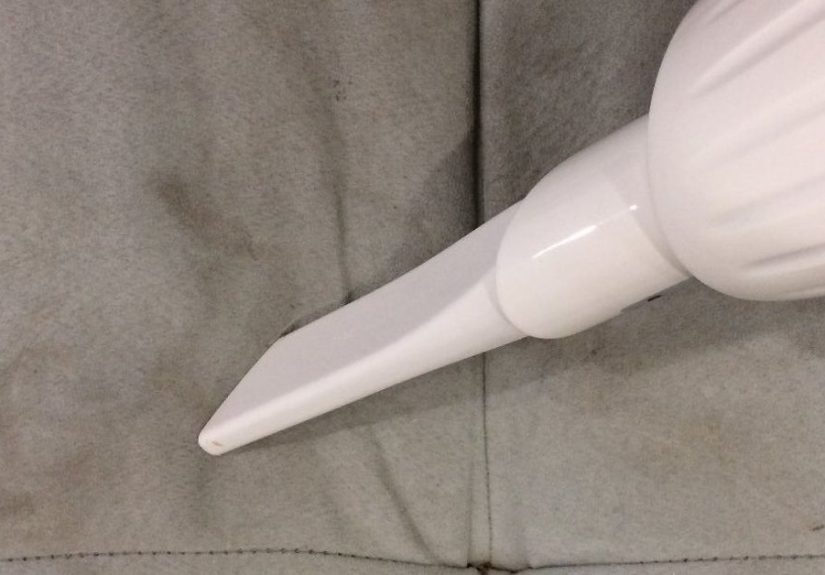
- Vacuum with upholstery and crevice tools
- Soft-bristle brush (nylon or natural; clean and dry)
- White microfiber cloths or white cotton cloths (avoid dye transfer)
- Spray bottle
- Mild dish soap (for W / W-S fabrics)
- Distilled water (helps prevent mineral spotting)
- 70% isopropyl rubbing alcohol (for S / W-S fabrics)
- Baking soda or cornstarch (for odors and oily stains)
- Enzyme cleaner (optional, for pet messescheck code first)
Microfiber Rules That Save Your Couch (and Your Mood)
1) Blotdon’t rub
Rubbing pushes spills deeper and can fray or distort fibers. Blot gently with a clean cloth and switch to a fresh
area of the cloth often.
2) Always spot-test
Test any cleaner on a hidden area (like the back or under a cushion). Wait for it to dry fully and check for
color change, rings, or stiffness.
3) Work in small sections
Microfiber shows “edges” if you clean one patch and leave the rest. Whether you’re spot-cleaning or deep-cleaning,
blend into surrounding fabric.
4) Restore the nap
Microfiber can dry stiff. The fix is usually simple: once dry, brush in gentle circles to fluff the fibers and
even out the texture.
Routine Maintenance: The 10-Minute Reset
If your goal is “clean enough that guests don’t immediately spot last week’s snack choices,” routine upkeep goes
a long way.
- Remove cushions and vacuum underneath (crumbs love hiding there).
- Vacuum the entire couch, including arms, back, seams, and tufted areas.
- Use a soft brush to lift pet hair and revive the nap.
- Spot-clean fresh spills immediately (microfiber rewards speed).
How to Deep Clean a “W” or “W/S” Microfiber Couch (Soap Suds Method)
If your tag says W or W/S, you can typically use a water-based approachjust
don’t soak the fabric. Microfiber prefers “light moisture, strong technique.”
Step 1: Vacuum like you mean it
Vacuum the cushions, frame, seams, and crevices. This removes grit that can turn into sandpaper when you scrub.
Step 2: Mix a sudsy solution (use the foam, not the flood)
In a bowl or bucket, combine warm water and a small amount of mild dish soap. Whisk until you get lots of foam.
The goal is to clean with suds, which helps minimize water spots.
Step 3: Scrub with suds in small sections
- Dip your brush or sponge into the foam (not the watery part).
- Starting at the top of a section, scrub gently in overlapping strokes.
- Use a clean white cloth to blot away loosened dirt and excess moisture.
Step 4: “Rinse” carefully
Lightly dampen a clean cloth with distilled water and wipe the area to remove soap residue.
Keep the cloth just barely dampmicrofiber is not auditioning for a swimming pool.
Step 5: Dry and brush
- Let the couch air-dry fully (use a fan for faster drying).
- Once dry, brush the fabric in gentle circles to restore softness and even color.
- Optional: a quick vacuum pass can lift fibers and remove any remaining residue.
How to Clean an “S” (or “W/S”) Microfiber Couch (Rubbing Alcohol Method)
If your tag says S, skip water. Many microfiber couches labeled S respond well to
isopropyl rubbing alcohol, which evaporates quickly and helps avoid water rings.
Step 1: Vacuum first
Yes, again. You want loose dirt gone before you start wiping it into the fabric.
Step 2: Lightly mist rubbing alcohol
Fill a spray bottle with 70% isopropyl alcohol. Mist a small areadon’t drench it. Good ventilation is smart
here (open a window).
Step 3: Gently scrub and blot
- Use a clean white sponge or cloth to scrub lightly.
- Blot with a dry cloth to lift soil as it loosens.
- Repeat as needed, working in sections to avoid “clean patches.”
Step 4: Let it dry, then brush
Alcohol dries quickly, but microfiber often feels stiff at first. Once fully dry, brush in circles to lift and
soften the fibers. This step is the difference between “freshly cleaned” and “why is my couch crunchy?”
Stain Guide: What to Do (and What Not to Do) on Microfiber
Stain removal on a microfiber sofa is mostly about timing and choosing the right approach for
your cleaning code.
Food and drink spills (coffee, soda, sauces)
- Blot immediately with a dry cloth. Don’t smear it around.
- W / W-S: Use soap suds, then a barely damp rinse cloth.
- S / W-S: Use rubbing alcohol to lift the stain, then brush when dry.
Grease and oil stains (pizza, lotion, sunscreen)
Oil is microfiber’s sneaky nemesis because it clings to fibers. Start dry.
- Blot excess oil gently.
- Cover the spot with baking soda or cornstarch and let it sit 15–30 minutes.
- Vacuum thoroughly.
- Then clean what remains with the appropriate method for your code (W suds or S alcohol).
Ink and marker
- S / W-S: Dampen a cloth with rubbing alcohol and blot carefully (don’t pour directly).
- W: Spot-test alcohol first; if it passes, use it sparingly. If not, use a small amount of
suds and blot repeatedly. - Work from the outside edge toward the center to avoid spreading.
Mud and ground-in dirt
- Let mud dry completely (wet mud is just paint you didn’t ask for).
- Vacuum and gently brush to lift particles.
- Use W suds or S alcohol depending on the tag.
Pet accidents (urine, vomit)
Speed matters. If you can treat it immediately, you’re far more likely to avoid lingering odor.
- Blot up as much as possible with a dry cloth (pressdon’t rub).
- W / W-S: Use mild suds to clean, then a light rinse wipe. Consider a pet-safe enzyme cleaner
if your tag allows water-based products (spot-test first). - S: Use alcohol for cleaning, then deodorize with baking soda once dry. For persistent pet odors
on solvent-only fabrics, professional cleaning is often the safest path.
Water rings and “cleaning halos”
These usually happen when moisture dries unevenly or when minerals are left behind. The fix is often to
even out the area rather than attacking the ring itself.
- W / W-S: Lightly clean a broader area with suds, then wipe evenly with distilled water.
- S / W-S: Lightly mist alcohol over the ring and surrounding area, then brush once dry.
- Use a fan to dry evenly.
Deodorize a Microfiber Couch Without Starting a Perfume War
If your couch smells like “wet dog meets takeout,” deodorizing is usually a two-step process: remove debris, then
neutralize odor.
- Vacuum thoroughly, including under cushions.
- Sprinkle baking soda over the surface, let sit 15–60 minutes (overnight for strong odors), then vacuum again.
- Air it out with open windows or a fan.
If you’re tempted to use a heavy fragrance spray, consider this: you don’t want your couch to smell like a flower
shop that lost a fight with a taco truck. Neutral is the goal.
What Not to Do (Unless You Enjoy Regret)
- Don’t use water on an S-coded couch. That’s how rings and stiffness happen.
- Don’t use bleach or harsh solvents without expert guidance.
- Don’t scrub with dyed cloths or sponges that can transfer color.
- Don’t over-wet cushionstrapped moisture can lead to odor and slow drying.
- Don’t heat-blast with a hair dryer up close; fast, uneven drying can make marks worse.
Can You Steam Clean a Microfiber Couch?
In many cases, gentle steaming can help loosen soil and refresh upholstery, especially when paired with vacuuming.
Use a handheld garment steamer (not a high-pressure carpet steamer head) and keep it moving. Avoid saturating the
fabric, and always check your care code first.
When to Call a Professional Upholstery Cleaner
DIY works well for routine maintenance and many stains, but pros are worth it when:
- Your tag says X (professional cleaning recommended).
- Stains are large, old, or unknown (mystery stains are notoriously stubborn).
- Odors persist after proper cleaning and drying (especially pet-related issues).
- You want a full, even refresh without patchinessand without experimenting on your favorite seat.
How to Keep a Microfiber Couch Cleaner Longer
- Vacuum weekly (especially with pets or kids).
- Use washable throws on high-use areas (arms, seat, pet zones).
- Enforce the “no mystery liquids” rule (lids, trays, and common sense help).
- Brush occasionally to keep the nap even and prevent “shiny patches.”
- Handle spills fast: blot, don’t panic, don’t smear.
FAQ: Quick Answers for Real-Life Sofa Problems
Why does my microfiber couch feel stiff after cleaning?
It’s usually the nap laying flat or residue left behind. Make sure you didn’t use too much soap, let it dry fully,
then brush in circles. A final vacuum pass can help lift fibers.
Can I use vinegar on microfiber?
Vinegar can help with odors and some stains, but only use it on W or W/S fabrics,
diluted and spot-tested. Vinegar plus “too much water” can still create rings.
Can I use a carpet/upholstery machine?
If your couch is W or W/S, a low-moisture upholstery tool can workjust avoid
over-wetting and extract as much moisture as possible. If it’s S only, skip machines that rely on water.
How often should I deep clean my microfiber sofa?
A full refresh once or twice a year is common, with more frequent spot-cleaning as needed. Homes with pets, kids,
or allergies may benefit from more frequent maintenance.
Real-World Microfiber Couch Experiences (So You Don’t Feel Alone)
Let’s talk about the part no one puts on the furniture tag: life happens. Microfiber couches tend to be
chosen by people who actually use their living roomsmovie nights, homework marathons, pets doing interpretive dance
across the cushions. Below are common “microfiber couch moments” and what usually works when they show up.
The Movie-Night Salsa Incident
This one starts with confidence (“I can balance the bowl on my lap”) and ends with a red-orange dot that looks like
a tiny sunset. The biggest mistake people make is adding water too soon, especially if they haven’t checked the code.
The best approach is boring but effective: blot immediately, then use your tag-appropriate method (suds for W, alcohol
for S) and clean a slightly larger area around the spot so you don’t get a “clean circle” spotlighting the stain’s
former location. Once it’s dry, brushing the nap usually erases that faint outline that makes you squint and wonder,
“Is it gone… or am I hallucinating?”
The “Why Is This Armrest Darker?” Mystery
Armrests often collect body oils, lotion, hair product, and the general essence of being human. People scrub harder,
which can flatten microfiber and make it look even darker. A better strategy is to treat it like an oil stain:
start with baking soda or cornstarch to absorb oils, vacuum thoroughly, then do a gentle overall clean in sections.
The goal is evenness. If you only attack the dirtiest area, you’ll create contrast that makes the rest of the couch
look guilty by association.
The Pet “Oops” That Won’t Quit
Pet accidents aren’t just about stainsthey’re about lingering odor. The common experience here is: it looks clean
after a day, then the smell returns when humidity rises or someone sits down. Usually, that means moisture or residue
stayed in the cushion. Blotting thoroughly (pressing with clean towels) is essential, and drying evenly with a fan
is underrated. If your couch is W-coded, an enzyme cleaner (spot-tested) can help break down odor-causing compounds.
If your couch is S-coded, deodorizing after it’s dry with baking soda helps, but sometimes the safest “experience-based”
truth is this: a professional upholstery cleaner can save you hours of re-cleaning and second-guessing.
The Hard-Water Ring Surprise
This happens when someone uses tap water, wipes a spot, and walks awayonly to discover a ring later. The “aha” moment
is realizing it’s not always a dirt ring; it can be minerals drying unevenly. Distilled water is your best friend on
W-coded couches because it reduces spotting. On S-coded microfiber, alcohol often helps blend the area because it
evaporates quickly. The real-world lesson: microfiber rewards gentle, even cleaning across a broader area rather than
tiny spot-only scrubs.
The “It’s Clean, But It Feels Weird” Phase
Many people panic when microfiber dries stiff or slightly crunchy. This is extremely common and usually fixable.
The solution is not “add more cleaner” (that’s how you get residue). Instead: let it dry fully, then brush the nap in
circles. This restores that soft, suede-like feel and evens out light and dark patches. If you’re still not happy,
a quick vacuum pass can lift fibers and remove any leftover powder or loosened soil.
If there’s one universal experience with microfiber, it’s this: the couch looks its best when you clean it like a
fabric that hates extremesno soaking, no harsh chemicals, no frantic scrubbing. A little patience and the right
method usually wins.
Conclusion
Cleaning a microfiber couch isn’t complicatedit’s just specific. Check the tag, choose the right approach (soap suds
for W, rubbing alcohol for S), work in small sections, and always restore the nap with a brush once dry. Treat stains
quickly, deodorize with baking soda when needed, and don’t be afraid to call a professional for X-coded fabric or
stubborn pet odors. With the right routine, your microfiber sofa can stay comfy, clean, and ready for whatever
life (or snack time) throws at it.