Table of Contents >> Show >> Hide
- Start With the Job You Need the Heater to Do
- The Main Types of Space Heaters
- How to Match Heater Type to Room Size
- What Features Actually Matter
- Safety Rules You Should Not Ignore
- Energy Use, Efficiency, and Running Costs
- Quick Match Guide: Which Type Should You Choose?
- Mistakes People Make When Buying a Space Heater
- Experience-Based Advice: What People Often Learn After Living With a Space Heater
- Final Thoughts
If winter has turned your home office into a walk-in refrigerator and your bedroom into a dramatic reenactment of the Arctic, a space heater can feel like a tiny miracle with a power cord. The tricky part is choosing the right one. Space heaters come in several styles, and each one has a different personality. Some blast warm air fast. Some quietly radiate heat like a calm little sun. Some are great for short bursts. Others are better for all-evening comfort. And some look inexpensive until your electric bill arrives and starts judging you.
The good news is that choosing a type of space heater is less about buying the “best” one and more about matching the heater to your room, schedule, comfort preferences, and safety needs. A heater for a drafty home office should not be chosen the same way as a heater for a nursery, a basement den, or a garage workshop. In other words, this is not a one-size-fits-all situation. It is more of a “one-size-fits-one-cold-corner-of-your-life” situation.
This guide breaks down the major types of space heaters, explains where each one works best, and shows you how to think about room size, noise, energy use, and safety before you buy. By the end, you will know whether you need fast heat, steady heat, direct heat, or the kind of heat that does not sound like a hair dryer having an existential crisis.
Start With the Job You Need the Heater to Do
Before comparing features, ask the most important question: what exactly do you want the heater to accomplish? This matters more than the brand name on the box.
Choose based on your real use case
If you want to warm your body quickly while working at a desk or watching TV, a radiant or infrared-style heater may be the smart pick. These heaters are good at heating people and objects directly, so you feel warmer faster without waiting for the whole room to catch up.
If you want to warm an entire small or medium room, a ceramic fan heater or an oil-filled radiator often makes more sense. Ceramic models warm up fast and circulate heat. Oil-filled radiators are slower, but they offer steady, quiet comfort that feels less like a blast furnace and more like civilized indoor living.
If you need something for longer stretches of time, like evenings in a bedroom or several hours in a home office, prioritize a heater with a thermostat, multiple heat settings, and stable heat delivery. If you need something for occasional spot heating, portability and quick warm-up matter more.
And if your real goal is to heat a very large open floor plan, keep a chilly whole house comfortable, or survive regular winter outages, a typical plug-in space heater may not be the hero you are hoping for. Sometimes the honest answer is that you need a better whole-home heating solution, improved insulation, or a heat pump rather than a stronger little box on the floor.
The Main Types of Space Heaters
Ceramic space heaters
Ceramic heaters are among the most common electric space heaters, and for good reason. They usually heat up quickly, often use a fan to push warm air into the room, and come in compact tabletop, tower, and portable whole-room designs. If you want heat now, this type is often the easiest answer.
Best for: bedrooms, home offices, living rooms, and people who want quick heat in a modest amount of space.
Pros: fast warm-up, easy to move, widely available, and often packed with convenient features like timers, remotes, oscillation, and digital thermostats.
Cons: fan noise, less “gentle” heat than radiator-style models, and the warm airflow can feel a little direct if you are sitting right in front of it.
Infrared or radiant heaters
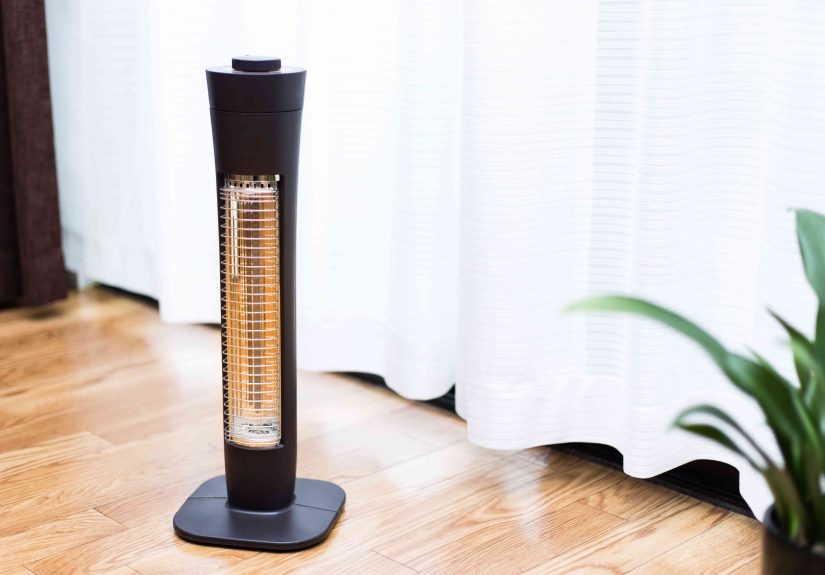
Infrared and radiant heaters work differently. Instead of warming the air first, they warm people and objects in their line of sight. That makes them especially useful if you are sitting in one place for a couple of hours and want to feel comfortable quickly.
Best for: desk work, reading corners, TV rooms, and spot heating where the heater is pointed toward you.
Pros: fast personal comfort, less waiting around for a room to warm up, and often a good choice when you are using a room briefly.
Cons: less effective for heating an entire room evenly, especially if the room is large, drafty, or full of furniture that blocks the heater’s line of sight.
Oil-filled radiator heaters
Oil-filled radiators look a bit old-school, but that is part of their charm. Inside, electricity heats oil sealed within the unit, and the heater then radiates warmth gradually. They usually take longer to get going, but once warm, they offer stable, quiet, consistent heat.
Best for: bedrooms, home offices, and people who hate fan noise with the intensity of a thousand suns.
Pros: quiet operation, gentle and steady heat, and excellent comfort during longer use sessions.
Cons: slower warm-up, heavier to move, and less ideal when you want instant heat.
Micathermic and convection-style heaters
Some heaters combine radiant and convection heating or use panels to deliver broad, gentle warmth. These can be great for people who want quieter operation than a fan heater but quicker comfort than a traditional radiator.
Best for: bedrooms, dens, and spaces where you want balanced comfort without a lot of noise.
Pros: often lightweight, fairly quiet, and comfortable for general room heating.
Cons: less common, and performance varies more from model to model.
Gas, propane, or kerosene space heaters
Fuel-burning space heaters can provide serious heat and may be attractive for garages, workshops, or outage situations. But they also bring extra safety, ventilation, and indoor air quality concerns. That means they are not the casual choice for a bedroom just because the price tag looked friendly.
Best for: specific approved spaces and scenarios where fuel-burning equipment is appropriate and safely installed.
Pros: can produce strong heat, and some models may help during power outages.
Cons: more safety considerations, possible carbon monoxide risk, more ventilation concerns, and generally more responsibility than most people bargain for during a shopping trip.
How to Match Heater Type to Room Size
This is where many buyers go wrong. They buy based on looks, online hype, or the emotional promise of words like “turbo warmth.” Then they wonder why their large drafty basement still feels like a hockey rink.
Most standard plug-in electric space heaters max out at around 1,500 watts. That means many of them are playing in the same general heating league, even if their marketing teams wear different jerseys. What changes is how they deliver warmth.
A practical sizing rule
As a rough guide, a 1,500-watt heater is often reasonable for a room of around 150 to 250 square feet, depending on ceiling height, insulation, draftiness, and whether the heater is supplementing central heat or trying to do all the work alone. If your room already has central heat and you just want extra comfort, one portable heater may be enough. If the room is poorly insulated or has no other heat source, you may need more capacity than a typical plug-in model can provide.
High ceilings, old windows, tile floors, and “mysterious winter drafts from nowhere” all increase heating needs. In those cases, an oil-filled radiator may feel more comfortable over time, while a ceramic or infrared heater may help you feel warm faster.
If you are buying for a small personal zone, like under a desk or near a chair, focus on heater style and placement. If you are buying for a whole room, focus on room dimensions, insulation, and whether you want fast circulation or long-lasting gentle heat.
What Features Actually Matter
Not every feature deserves a standing ovation. Some are useful. Some are basically decorative applause.
Built-in thermostat
A thermostat matters because it helps prevent overheating the room and wasting electricity. It also saves you from manually switching the heater on and off every time the room goes from freezing to tropical.
Tip-over shutoff and overheat protection
These are non-negotiable. A good heater should shut off if it tips and should protect itself from overheating. Safety is not an optional “premium add-on.” It is the whole game.
Oscillation
Oscillation helps spread heat more evenly, which is particularly useful with ceramic tower heaters. It can make a room feel more balanced instead of turning one knee into toast while the rest of you remains confused and chilly.
Timer and remote control
These are convenience features, but good ones. A timer can help you avoid leaving the heater on longer than necessary. A remote is especially nice for bedrooms or living rooms where nobody wants to crawl out from under a blanket fortress.
Noise level
If you are using the heater while working, sleeping, or taking calls, noise matters more than you think. Oil-filled radiators are usually much quieter than fan-forced heaters. So if you need peaceful warmth instead of a constant whoosh, choose accordingly.
Safety Rules You Should Not Ignore
A space heater is not a candle, but it is also not harmless. Treat it with respect. That means reading the manual, choosing a model with recognized safety testing, and following the boring rules that turn out to be wildly important.
- Keep the heater at least three feet away from bedding, curtains, furniture, paper, and anything else that can burn.
- Plug electric space heaters directly into a wall outlet, not a power strip or extension cord.
- Place the heater on a level, stable surface away from foot traffic.
- Turn the heater off before sleeping unless the manufacturer specifically designs and approves it for that use and you are following all instructions exactly.
- Keep children and pets away from the heater.
- Look for a UL mark or other recognized safety certification.
If you are considering a fuel-burning heater, the safety bar gets even higher. Venting, fuel handling, carbon monoxide alarms, and proper placement all matter. If you are not confident about those issues, stick with an electric model for indoor use.
Energy Use, Efficiency, and Running Costs
Here is the truth that heater ads sometimes dance around: most electric resistance space heaters are similarly efficient at turning electricity into heat at the point of use. That means a fancy-looking 1,500-watt heater is not magically creating bonus heat out of charisma.
What does change is comfort, control, and how effectively the heater matches your use case. A radiant heater may feel more efficient because it warms you directly. An oil-filled radiator may feel more efficient because it cycles more gently and keeps the room comfortable. A ceramic heater may feel more efficient because it heats the space quickly so you can turn it down sooner. But the wattage still matters.
A simple way to estimate operating cost is this:
(Watts ÷ 1,000) × hours used × your electricity rate
For example, if a 1,500-watt heater runs for 4 hours at an electricity rate of $0.18 per kWh, that is 1.5 × 4 × 0.18 = $1.08. Use it every day, and suddenly your “tiny helper” has become a recurring household expense with opinions.
Space heaters can save money when you are heating one occupied room instead of warming the whole house. They are less likely to save money when you use them all day in large spaces, run several at once, or rely on them as a full-time substitute for better home heating. And if you are shopping because your entire home is consistently too cold, you may get better long-term value from insulation improvements, air sealing, or a high-efficiency heat pump.
One more shopping note: many buyers look for an ENERGY STAR label out of habit. For typical portable space heaters, that label is generally not the deciding factor because standard electric resistance heaters are not a major ENERGY STAR category the way other appliances are. So instead of chasing a sticker, focus on safety features, thermostat quality, room fit, and realistic energy use.
Quick Match Guide: Which Type Should You Choose?
Choose a ceramic heater if…
You want quick heat, easy portability, and a good all-around option for bedrooms, home offices, or living rooms.
Choose an infrared or radiant heater if…
You mostly want to warm yourself, not every molecule of air in the room.
Choose an oil-filled radiator if…
You value quiet, steady warmth and plan to use the heater for longer sessions.
Choose a micathermic or convection panel heater if…
You want a quieter, more balanced feel than a fan heater, with comfortable background warmth.
Choose a fuel-burning heater only if…
You fully understand the safety, ventilation, and installation requirements and the heater is appropriate for the space.
Mistakes People Make When Buying a Space Heater
The most common mistake is choosing based on hype instead of use case. The second most common mistake is underestimating safety. The third is assuming every large room can be “fixed” with one cute portable heater from aisle seven.
Other classic mistakes include buying a heater that is too loud for the bedroom, too weak for the room size, too bulky to move, or too complicated to use without a user manual and emotional support. A good purchase feels boring in the best way: it fits the room, it feels comfortable, and it does not require daily negotiations.
Experience-Based Advice: What People Often Learn After Living With a Space Heater
Once people actually live with a space heater for a few weeks, their opinions usually become much more practical. At first, many shoppers focus on the promise of “fast heat” or the sleekest design. After using one through real winter mornings, though, they usually care more about how the heater fits into daily life. That is when the little details start to matter a lot.
For example, someone working from home may discover that a ceramic tower heater feels wonderful at 8:00 a.m. because it warms the office quickly, but by day three the fan noise becomes the uninvited coworker at every video call. Meanwhile, another person who bought an oil-filled radiator may complain the first morning because it warms up slowly, then fall completely in love with it by the end of the week because it delivers a calmer, quieter kind of comfort.
People also learn that “whole-room” heating can mean very different things depending on the house. In a newer, better-insulated bedroom, one compact heater may be enough to stay cozy all evening. In an older house with leaky windows and cold floors, the same heater may feel like it is bravely trying its best while winter keeps winning. That experience teaches a valuable lesson: heater performance is never just about the heater. It is also about insulation, drafts, ceiling height, and where the cold is really coming from.
Another common experience is realizing that heater placement changes everything. Put a radiant heater where it can actually “see” you, and it can feel wonderfully efficient. Put it behind a chair or too far off to the side, and suddenly it seems underpowered. Place a ceramic fan heater where airflow is blocked, and the room warms unevenly. Place an oil-filled radiator near the part of the room that feels coldest, and the comfort often feels much more natural.
Many people also discover that the thermostat is the feature they appreciate most over time. Without one, it is easy to overheat a room, get too warm, switch the heater off, get cold again, and repeat that annoying cycle like some kind of indoor climate yo-yo. A decent thermostat makes the experience much more stable and helps the heater feel less needy.
Then there is the issue of expectations. Buyers sometimes expect a portable electric heater to solve a major heating problem in a large open area. After a few cold nights, they learn the uncomfortable truth: a space heater is a supplement, not a magical replacement for poor home heating, bad insulation, or drafty construction. That lesson can be frustrating, but it is also useful because it leads people to better long-term fixes.
Finally, experienced users tend to become safety evangelists very quickly. After living with a heater near blankets, pets, cords, and everyday household clutter, the safety rules stop sounding overly cautious and start sounding extremely sensible. The best real-world experience is not just “this heater warms my room.” It is “this heater fits my routine, stays out of the way, feels comfortable, and never makes me nervous.” That is the kind of heater worth keeping through more than one winter.
Final Thoughts
The best type of space heater depends on what you value most. For fast warmth, ceramic is hard to beat. For direct personal comfort, radiant or infrared can be excellent. For quiet, steady heat, oil-filled radiators are the cozy overachievers of the group. Whatever you choose, size it honestly, use it safely, and remember that the perfect heater is not the one with the most dramatic marketing. It is the one that makes your space comfortable without turning your electric bill, your floor plan, or your peace of mind into a side quest.