Table of Contents >> Show >> Hide
- First Things First: Identify What Type of “Grass” You Actually Have
- Spring Care: The Big Reset (a.k.a. The Annual Haircut)
- Summer Care: Support the Show (Without Babysitting)
- Fall Care: Set Up Winter Interest (and Next Year’s Success)
- Winter Care: Mostly “Look, Don’t Touch”
- Troubleshooting: Quick Fixes for Common Ornamental Grass Problems
- A Simple Seasonal Checklist (Print This, Stick It Somewhere, Feel Organized)
- Seasonal “Experience Notes” Gardeners Swear Are True (Even If They Didn’t Write Them Down)
- Conclusion
Ornamental grasses are the overachievers of the garden world: they swish, they shimmer, they show up in fall,
and they somehow look expensive even when you’re basically ignoring them. But “low maintenance” doesn’t mean
“no maintenance.” If you give them the right care at the right timeespecially the yearly haircut and the
occasional clump-splitting workoutyour grasses will stay fuller, cleaner, and more dramatic (in a good way).
This guide walks you through ornamental grass maintenance season by season, with practical timing tips,
examples of popular grasses, and a few “learned-the-hard-way” remindersbecause nothing humbles a gardener
like trying to divide a mature miscanthus with a shovel that suddenly feels like a spoon.
First Things First: Identify What Type of “Grass” You Actually Have
Seasonal care depends less on your calendar and more on your plant’s growth style. Most ornamental grasses fall
into three categories, and each one wants a different kind of trim.
Warm-season ornamental grasses
These wake up later (late spring/early summer), do their best growing in summer heat, and turn golden or tan as
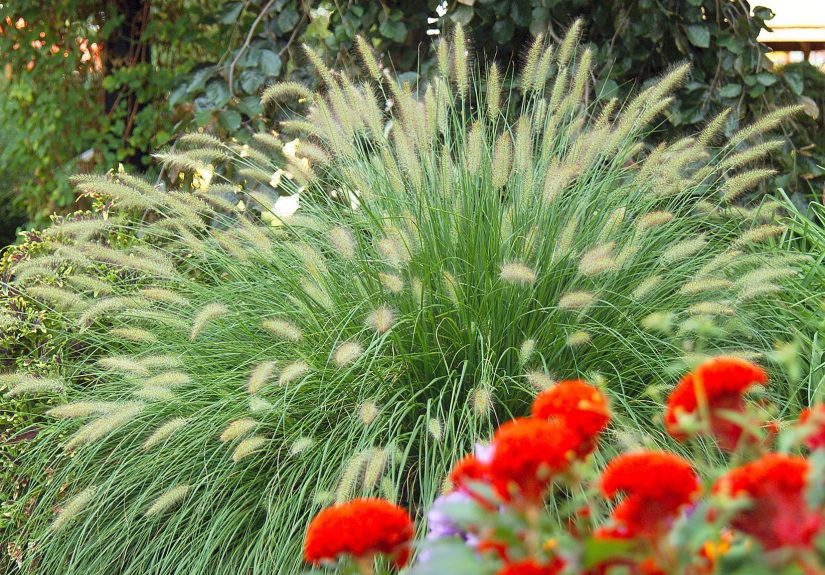
they go dormant in fall. Examples include switchgrass (Panicum), fountain grass (Pennisetum),
muhly grass (Muhlenbergia), and many miscanthus varieties (Miscanthus).
Warm-season grasses usually get cut back fairly low while dormant.
Cool-season ornamental grasses
These start growing early, prefer mild temperatures, and may slow down during summer heat. Examples include
feather reed grass (Calamagrostis), blue fescue (Festuca), and some tufted hair grasses
(Deschampsia). Many cool-season grasses should not be cut all the way down; a lighter trim is safer.
Evergreen or semi-evergreen grass-like plants
Not everything that looks grassy is a true grass. Sedges (Carex) and rushes often stay partly green and
typically want grooming (combing out old blades) instead of a buzz cut. Treat these like “tidy-up” plants, not
“cut-to-the-ground” plants.
Spring Care: The Big Reset (a.k.a. The Annual Haircut)
Spring is prime time for caring for ornamental grasses because you can remove last year’s growth before it
tangles with new shoots. The goal is simple: clear out the old to make room for the newwithout accidentally
giving your grass a “reverse mohawk.”
Step 1: Cut back at the right time
-
Warm-season grasses: Cut back while dormantlate winter through early spring is the classic
window. If your grass is under 3 feet, you can often cut to about 3 inches; if it’s taller, around 6 inches is
a common target. The key is to cut before new growth gets tall enough to slice. -
Cool-season grasses: Avoid cutting to the ground. A safe approach is trimming to about
one-third of the plant’s height (or just cleaning out dead blades and shaping lightly). If it’s already sending
up green growth early, be gentlecool-season grasses don’t love drastic haircuts. -
Evergreen sedges and fescues: Try grooming first. Use gloved hands or a leaf rake to comb out
tan blades; then snip only the ugly tips. If you shear, do it lightlythink “tidy bangs,” not “boot camp.”
Step 2: Make cutting cleaner (and less annoying)
Bundle the clump with twine or a bungee cord before you cut. It turns a chaotic tumbleweed into a neat sheaf you
can carry away. For small clumps, hand pruners work. For medium to large clumps, hedge shears or an electric
trimmer can save your wrists. Wear long sleeves and sturdy glovesmany grass blades have sharp edges that can
irritate skin.
Step 3: Clean the crown and improve airflow
After cutting, pull out loose debris from the center. A dense mat of old growth can trap moisture and reduce
airflow, which is exactly the kind of environment fungi enjoy. You’re not trying to excavate the plantjust
remove the dead, floppy stuff that blocks light and air.
Dividing and transplanting in spring
If your clump has a dead center, looks weak, flops more than usual, or has expanded into “dinner-plate size”
territory, it may be time to divide. Many clump-forming grasses don’t need division every year; a realistic
rhythm is every few years, or whenever the center starts to thin out.
- Pick a mild day. Cloudy is ideal. Water the area a day ahead if soil is dry.
- Cut back first. Shorter foliage makes the plant easier to handle and shows where to split.
- Dig and lift. Use a spade or garden fork to loosen around the root mass.
- Split decisively. Small clumps can be teased apart; older clumps may need a sharp spade,
pruning saw, or even an axe (no shamebig grasses are basically woody at the base). - Replant promptly. Put divisions back at the same depth and water well.
Pro tip: divisions need consistent moisture for the first few weeks, especially if spring turns dry. Think of it
like moving dayyour plant is stressed and needs snacks (water), not a surprise heat wave.
Planting new ornamental grasses in spring
Spring planting is great because roots have a full growing season to establish. Aim for full sun unless your
plant prefers shade (many sedges and Japanese forest grass like some protection). Prioritize drainage: grasses
are tolerant, but sitting in soggy soil can invite crown and root problems. When planting, keep the crown at
(or just slightly above) soil level rather than burying it.
Fertilizer in spring: go easy
Most ornamental grasses don’t need heavy feeding. In average garden soil, you can often skip fertilizer
altogether. If your soil is very sandy, depleted, or you’re growing in containers, a light application of a
balanced fertilizer in late spring can help. Avoid overdoing nitrogentoo much can push lush, floppy growth and
reduce the strong, upright habit you actually want.
Summer Care: Support the Show (Without Babysitting)
Summer care is mostly about establishment watering, keeping weeds from stealing resources, and preventing
“top-heavy flop.” Your grasses should look lively and full, not like they’re fainting onto neighboring plants.
Watering ornamental grasses: the establishment rule
-
Year 1: Water regularly until roots extend into native soil. Deep watering is better than
daily sprinkles. Your goal is steady establishment, not a spa membership. -
After establishment: Many grasses handle normal rainfall well and only need supplemental water
during extended heat or drought. -
Containers: Expect more frequent watering. Pots dry faster, and ornamental grasses in
containers can go from “fine” to “crispy” in a weekend.
Weed control and mulch (with one important caution)
A thin mulch layer helps with weeds and moisture, but keep mulch a few inches away from the plant base so the
crown doesn’t stay constantly damp. Over-mulching around the crown can contribute to rotespecially in heavier
soils or rainy climates. If you mulch, think “donut,” not “volcano.”
Staking and flop management
Some taller grasses (like switchgrass and little bluestem) can flop if they get too much water, fertilizer, or
shade. If a clump starts leaning, use a discreet ring stake early in the season while stems are still flexible.
You can also “corral” a plant with twine looped around a few stakeslike a supportive group hug for your grass.
Deadheading and reseeding control
Many gardeners leave seed heads for beauty and wildlife, especially in late summer and fall. If you’re worried
about self-seeding, you can remove seed heads before they mature. Deadheading is optional; do it for control,
not because your grass will send you a guilt trip.
Summer watch-outs: pests and disease (rare, but possible)
Ornamental grasses are typically pest-light, but wet, humid conditions and poor drainage can encourage leaf
spots, rust, and crown/root problems. Good airflow, full sun (when appropriate), and avoiding constant overhead
watering help keep foliage healthier.
Fall Care: Set Up Winter Interest (and Next Year’s Success)
Fall is when ornamental grasses earn their keepplumes, color shifts, and that effortless movement that makes
everything else look a little too rigid. Fall care is mostly about restraint: don’t “fix” what’s about to become
the best part of the show.
Should you cut back ornamental grasses in fall?
Usually, no. Leaving grasses standing provides winter texture, can offer shelter for beneficial insects, and
gives birds access to seeds. In cold climates, standing stems may also help protect the crown from harsh
temperature swings.
There are exceptions:
- Wildfire-prone regions: Dry grasses can be fuel. Cutting back after browning in fall may be
the safer choice. - Mess management: If a grass collapses into mush or smothers nearby plants, a partial tidy-up
can help. - Allergies and access: If grasses block walkways or shed heavily where it’s annoying, you can
trim earlierjust avoid cutting into green, active growth.
Fall planting and dividing: possible, but timing matters
Early fall planting can work well in many regions because soil is still warm for root growth. If you divide in
fall, do it early enough that roots can establish before hard freezesespecially in colder zones where
freeze-thaw cycles can heave new divisions out of the ground. If your area heads straight from “pleasant fall”
to “surprise winter,” spring division is usually safer.
Fall watering: don’t forget drought happens now too
Many gardeners stop watering in fall out of habit, but newly planted or recently divided grasses still need
consistent moisture. Even established grasses may benefit from occasional deep watering during unusually dry
stretches, especially in windy sites.
Invasiveness and spread: the fall reality check
Some ornamental grasses can spread aggressively or reseed in certain regions. If you notice seedlings popping
up everywhere, remove seed heads earlier next year or consider swapping to regionally appropriate, non-invasive
optionsoften native grasses are both beautiful and easier to manage responsibly. When shopping, check local
guidance (your state extension or invasive plant council) because what behaves politely in one climate may throw
a party in another.
Winter Care: Mostly “Look, Don’t Touch”
Winter care is minimal, and that’s part of the charm. Your main job is to keep plants from staying wet at the
crown and to prevent storm damage where possible.
Leave standing (unless safety says otherwise)
Upright blades and seed heads look great with frost and snowand they provide habitat value. If you prefer a
tidier look, you can cut back in late fall, but most gardeners wait until late winter/early spring to avoid
damaging emerging shoots and to enjoy winter interest longer.
Snow and wind management
In heavy snow or ice regions, tall grasses may splay outward. You can loosely tie tall clumps in fall (not too
tightairflow matters) to reduce breakage and keep the plant’s shape. If a storm flattens them anyway, don’t
panic. You’ll reset in spring.
Mulch wisely
If you mulch for winter protection, keep it modest and keep it off the crown. A thin layer can buffer soil
temperatures; a thick, soggy pile can keep the base wet and encourage rot. If you already have layers of old
mulch, rake and fluff before adding more so it doesn’t become a matted moisture blanket.
Troubleshooting: Quick Fixes for Common Ornamental Grass Problems
“My grass has a dead center.”
Classic sign a clump is aging outward. Divide in spring (or early fall where safe) and replant the healthiest
outer sections. Compost the dead middle like it never existed.
“It flops every year.”
Check three things: too much shade, too much nitrogen, or too much water. Move it to more sun, reduce fertilizer,
and water deeply but less often. A ring stake can help, but fixing the cause is better than giving your grass a
permanent brace.
“The tips look brown.”
Brown tips can come from drought stress, salty splash (roads), wind burn, or a too-short haircut on a
cool-season/evergreen type. Trim tips for looks, then adjust watering and pruning approach next season.
“It’s not growing much.”
Warm-season grasses wake up latersometimes they’re simply waiting for real heat. If it’s midsummer and still
unimpressive, consider drainage issues (too wet), too much shade, or a plant that isn’t suited to your zone.
A Simple Seasonal Checklist (Print This, Stick It Somewhere, Feel Organized)
| Season | What to Do | What to Avoid |
|---|---|---|
| Spring |
Cut back warm-season grasses; lightly trim cool-season grasses; groom evergreen sedges; divide if crowded; water new/divided plants; weed early. |
Cutting cool-season grasses to the ground; burying crowns; over-fertilizing. |
| Summer | Water during establishment and drought; mulch lightly (donut style); stake if flopping; optional deadheading. | Daily shallow watering; heavy nitrogen feeding; constant overhead irrigation in humid weather. |
| Fall |
Enjoy plumes and color; plant or divide early where appropriate; remove seed heads if reseeding is a problem; water if dry. |
Late fertilizing; cutting everything down “just because”; fall division too close to hard freeze in cold zones. |
| Winter | Leave standing for winter interest; tie tall clumps if needed; keep crowns from staying wet; plan spring cutback. | Smothering crowns with thick mulch; hacking back during midwinter warm spells when ice may return. |
Seasonal “Experience Notes” Gardeners Swear Are True (Even If They Didn’t Write Them Down)
If you garden long enough, ornamental grasses become the plants you measure your seasons by. In early spring,
there’s that moment when you step outside, see last year’s straw-colored clumps, and think, “Today is the day.”
You bundle the grass with twine, make the cut, and suddenly feel like you just gave your garden a fresh
haircutone that instantly makes everything look more intentional. Then you discover the hidden reality:
underneath that tidy cut is a surprising amount of leaf litter and debris, and you realize grasses are secretly
excellent at collecting everything the wind can deliver. A quick clean-out at the center feels oddly satisfying,
like finding the bottom of your junk drawer.
The first time you divide a mature clump, you learn a valuable truth: ornamental grass division is not delicate
work. It’s part gardening, part cardio, and part negotiating with a root mass that refuses to admit it’s one
plant. You might start with optimism“I’ll just slice it in half”and end with a pruning saw, a sharper spade,
and a new respect for anyone who divides miscanthus without making sound effects. But the payoff is immediate:
the divisions look cleaner, you get multiple plants for free, and the original spot stops looking like a bald
donut.
Summer brings a different kind of lesson: most grasses don’t want you hovering. The newest plantings, yesthey
appreciate regular watering while roots establish. But established grasses often look best when you back off a
little. Overwatering can make tall varieties flop like they’ve had a long day. Overfeeding can do the same,
producing lush growth that looks impressive until a thunderstorm arrives and your “upright accent plant” becomes
a “horizontal suggestion.” Many gardeners eventually settle into a calm routine: deep water during long dry
spells, pull weeds early, and otherwise let the grasses do what they were designed to do.
Fall is when ornamental grasses feel like they’re showing off. You notice how a single clump of switchgrass can
look like it’s glowing at sunset, or how feather reed grass stays upright when everything else collapses. This is
also the season when you learn to resist the urge to tidy too soon. Leaving plumes and blades standing feels
slightly rebellious if you grew up thinking gardens should be “clean” before winterbut then you catch the
morning frost on the seed heads, or spot birds hopping around for seeds, and suddenly the messy choice looks
like the smarter one.
Winter is mostly observation. After a snow, you see which grasses hold their shape and which ones splay outward
like they’re doing interpretive dance. If you tied a tall clump in fall, you feel smug. If you didn’t, you tell
yourself it’s “naturalistic.” Either way, by late winter you’re ready for the reset again. And that’s the real
experience of caring for ornamental grasses through the seasons: it’s a loop. Cut back, watch, enjoy, repeat.
The routine is simple, but the results look like you tried much harder than you didwhich might be the most
beautiful thing about ornamental grasses.
Conclusion
Caring for ornamental grasses through the seasons is less about doing more and more about doing the right few
things at the right time: identify whether your plant is warm-season, cool-season, or evergreen; cut back (or
groom) appropriately while dormant; divide when the clump gets crowded or hollow; and water well during
establishment. Let fall and winter be the “enjoy it” seasons, unless safety concerns (like wildfire risk) change
the plan. With that rhythm, ornamental grasses stay healthy, handsome, and delightfully dramaticwithout turning
into a yearly chore.