Table of Contents >> Show >> Hide
- Why a wound still needs care after stitches come out
- What to do right after stitches are removed
- A simple daily routine for wound care after stitch removal
- Can you shower, exercise, or swim?
- What a normal healing wound may look like
- Signs a wound may not be healing well
- How to reduce scarring after stitches are removed
- Common mistakes people make after stitch removal
- Common experiences people have after stitches are removed
- Quick tips for different wound locations
- Final thoughts
Getting your stitches removed can feel like a graduation ceremony for your skin. You show up, sit still, try not to flinch, and leave thinking, “Great, I’m done now.” Not quite. Once the stitches are out, your wound is usually better, but it is not magically transformed into brand-new superhero skin. It still needs a little care, a little patience, and a firm boundary against your inner urge to poke it every six minutes.
If you are wondering how to care for a wound after stitches are removed, the short version is this: keep it clean, protect it from friction and sun, avoid harsh products, watch for signs of infection, and give the skin time to rebuild strength. The longer version is a lot more useful, so let’s get into it.
Why a wound still needs care after stitches come out
Stitches do one very important job: they hold the edges of a wound together while your body starts the repair work. But stitch removal is not the finish line. It is more like the point where the scaffolding comes off and the building still needs inspection, touch-ups, and a few “please do not lean on this” signs.
Even if the surface looks closed, the deeper layers of skin are still healing. That means the area may be a little pink, slightly tender, mildly itchy, or tight when you move. This is common. The wound is also more vulnerable to reopening if it gets stretched, rubbed, soaked too long, or irritated by harsh products.
That is why good wound care after stitches are removed matters. A few smart habits can help lower the risk of infection, reduce irritation, and improve how the scar looks later.
What to do right after stitches are removed
Clean the area gently
Once your stitches are out, gentle cleaning is usually the name of the game. Wash the area with mild soap and water, then pat it dry with a clean towel or gauze. Patting is your friend. Scrubbing is not. This is not the time to exfoliate like you are auditioning for a skin care commercial.
If your clinician gave you specific instructions, follow those over any general advice. Some wounds need extra support depending on location, size, depth, or the reason for the stitches in the first place.
Do not attack it with peroxide, alcohol, or iodine
A lot of people still reach for hydrogen peroxide or rubbing alcohol because it feels “medical.” Unfortunately, it can also irritate healing tissue and slow the process down. If your provider did not specifically tell you to use one of those products, skip them. Gentle soap and water is usually enough.
Use a simple protective layer if needed
Some wounds do fine left open to air once the stitches are gone, especially if the skin is dry, closed, and not rubbing against clothing. Others benefit from a thin layer of petroleum jelly and a nonstick bandage for a while longer, particularly if the area is still fragile, dry, or likely to get bumped. Think of it as giving your skin a soft little raincoat instead of a full winter parka.
Leave Steri-Strips alone if they were applied
Sometimes clinicians remove the stitches and place Steri-Strips over the wound for extra support. If that happens, resist the temptation to peel them off early. Let them curl and fall off on their own unless your provider tells you otherwise.
A simple daily routine for wound care after stitch removal
Here is a practical routine that works for many minor surgical incisions and repaired cuts after the stitches come out:
- Wash your hands first.
- Clean the wound gently with mild soap and lukewarm water.
- Rinse away any residue.
- Pat the area dry with a clean towel or gauze.
- Apply a thin layer of petroleum jelly if your clinician recommended keeping it moist.
- Cover with a clean nonstick dressing if the area rubs against clothes, leaks a little, or still feels delicate.
- Repeat once or twice a day, or as instructed.
If the wound is fully closed, dry, and not exposed to friction, you may not need a bandage at all. The key is to keep the area clean and protected, not overly complicated. A healing wound does not need a twelve-step routine.
Can you shower, exercise, or swim?
Showering
Showering is often fine after stitches are removed, especially if the wound is closed. Let water run gently over the area, then pat it dry. Long soaking sessions are another story. Baths, hot tubs, and swimming pools can soften the skin, irritate the wound, and increase the chance of trouble if the area is not fully healed.
Exercise
This depends on where the wound is. A tiny incision on your arm is very different from a repaired cut over a knee or an abdominal surgical site. In general, avoid activities that stretch the area, create friction, or could cause the wound edges to separate. If moving the area makes the skin feel tight, tuggy, or painful, your body is basically sending you a polite but firm email that says, “Not yet.”
Swimming and soaking
Wait until your clinician says it is okay, especially if the wound is not fully sealed. Pools, lakes, oceans, and hot tubs are not known for respecting fresh healing tissue.
What a normal healing wound may look like
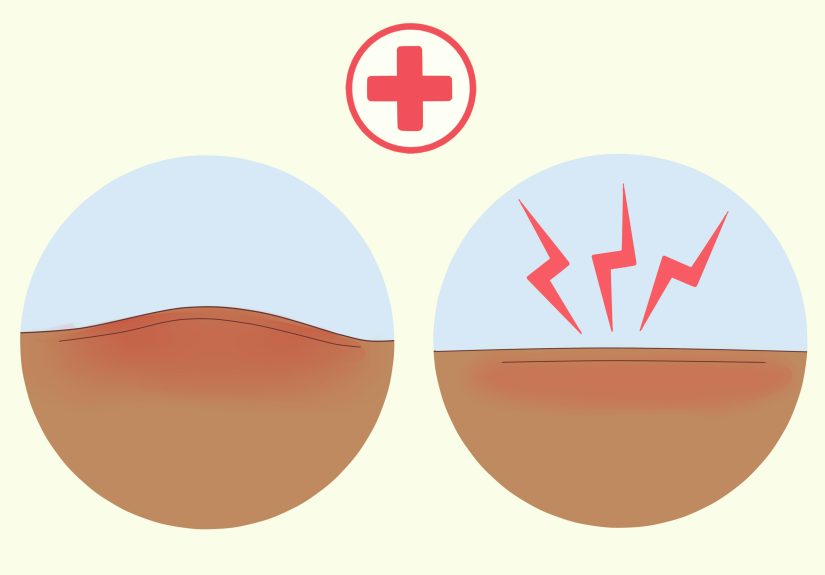
After stitches are removed, many wounds look a little dramatic before they look better. That can be unsettling, but it is often normal. A healing wound may be:
- Pink or light red
- Slightly raised
- Mildly itchy
- A bit tight with movement
- Tender when touched
- Dry or flaky around the edges
Some wounds also look like a thin line with tiny cross marks where the stitches used to sit. That is common. The scar usually changes over weeks and months, often becoming flatter, paler, and softer over time.
Signs a wound may not be healing well
Call a doctor if you notice any of the following after stitch removal:
- Increasing redness instead of gradual improvement
- Swelling that worsens
- Warmth, throbbing, or increasing pain
- Yellow, green, or foul-smelling drainage
- Bleeding that does not stop with gentle pressure
- The wound edges separating or reopening
- Fever or feeling generally unwell
- Red streaks moving away from the wound
Those are not signs to “just keep an eye on it for a week.” They are signs to get medical advice sooner rather than later.
How to reduce scarring after stitches are removed
No honest article can promise zero scarring. Skin keeps receipts. But you can absolutely help a scar heal as neatly as possible.
Keep the wound slightly moist while it finishes closing
For many wounds, a small amount of petroleum jelly helps prevent excessive drying and scabbing. Bigger scabs are not trophies. They can sometimes slow surface healing and make the scar more noticeable.
Protect it from sun exposure
Sun is rude to fresh scars. UV exposure can make healing skin turn darker, redder, or more noticeable for longer. Once the wound is closed and your clinician says it is okay, use sunscreen and consider covering the area with clothing or a bandage when outdoors.
Avoid tension and friction
A wound on a joint, shoulder, abdomen, or other high-movement area can widen if the skin is pulled too much too soon. Limit repetitive stretching and avoid clothes or gear that rub the spot constantly.
Ask about silicone gel or silicone sheets
Once the skin is fully closed, some people may benefit from silicone gel or silicone sheets to help improve scar appearance. These are often used for raised or noticeable scars, but timing matters. Do not put them on an open wound.
Common mistakes people make after stitch removal
Picking at flakes, crusts, or tiny scabs
Your wound is not a scratch-off ticket. Leave it alone. Picking can reopen the area and raise the risk of scarring or infection.
Using too many products
Antibiotic creams, essential oils, exfoliating acids, scented lotions, and mystery internet hacks are a chaotic group project. Unless your clinician specifically recommends something, keep it simple.
Going back to full activity too fast
Feeling better and being fully healed are cousins, not twins. If the wound is over a high-tension area, pushing too hard too early can undo good progress.
Ignoring subtle warning signs
A little pinkness can be normal. Increasing redness, worsening pain, bad-smelling drainage, or reopening is different. When in doubt, ask.
Common experiences people have after stitches are removed
One reason this topic worries so many people is that the healing process can feel weirdly inconsistent. A wound can look better one day, slightly angrier the next, then calmer again after that. Many people assume healing should be a perfectly straight line. In real life, it is more like a line drawn by someone riding in a bumpy car.
A very common experience is the “Why does it still look so fresh?” moment. People often expect the skin to look finished the second the stitches come out. Instead, they see a pink line, small stitch marks, or a slightly shiny area that still looks delicate. That can be alarming, especially if the wound is in a visible place like the face, hand, or forearm. Usually, this is just the normal stage where the wound is closed but still remodeling.
Another frequent experience is tightness. People describe the area as feeling stretched, tuggy, or a little stiff when they move. This is especially common when the wound sits over a joint or any area that bends often, such as the knee, elbow, shoulder, or abdomen. A person may feel fine sitting still, then suddenly notice the scar line “talking back” when they stand up, reach overhead, or squat down. That sensation is often a reminder to ease back into movement instead of trying to return to normal all at once.
Itching is another big one. Many people say the wound starts itching more after the stitches are removed than it did before. That can feel unfair, but it is usually part of healing. The problem, of course, is that itching invites scratching, and scratching is one of the fastest ways to irritate the skin and make the area more inflamed. If the wound is itchy, keeping it clean, lightly moisturized as directed, and protected from dryness can help. So can reminding yourself that “itchy” and “infected” are not automatically the same thing.
People also commonly panic over small changes in color. A wound may look pink after a shower, redder after walking, or slightly darker after sun exposure. Those changes can happen because fresh scars are sensitive and blood flow to the area shifts with heat, movement, and irritation. What matters most is the trend. If the redness fades again and the wound is not getting more painful, swollen, or oozy, that is usually more reassuring than a temporary color change.
The first shower after stitch removal is its own emotional event. Many people stand there staring at the wound like it is a fragile historical artifact. They are afraid water will undo everything. In most cases, gentle showering is fine, but the fear is understandable. So is the urge to inspect the area in the mirror five times afterward. Welcome to the club.
Another common experience is overprotecting the wound for too long or underprotecting it too soon. Some people keep heavy dressings on a completely dry, closed wound for days longer than necessary. Others stop all protection immediately, then find the spot getting irritated by waistbands, bra straps, backpack straps, or athletic gear. The sweet spot is practical protection: enough to reduce friction and irritation, not so much that the wound stays sweaty, overhandled, or overly covered without reason.
Emotionally, a lot of people feel oddly impatient after stitches come out. They think the annoying part should be over, but the scar still looks obvious, the area still feels sensitive, and the healing process still demands attention. That is normal. Wounds do not care about our calendars. They care about blood supply, tissue repair, and whether we keep rubbing them with jeans seams and gym bags.
The reassuring part is that many of these experiences are ordinary. Mild tenderness, itchiness, pinkness, tightness, and gradual improvement over weeks are often part of the deal. The goal is not to make the wound disappear overnight. The goal is to support healing, avoid setbacks, and let time do its slow, competent work.
Quick tips for different wound locations
Face
Be extra gentle, avoid picking, and stay serious about sun protection. Facial scars often continue to improve for months.
Hands and fingers
These areas move constantly and get exposed to water, friction, and germs. Keep the wound clean and protect it during chores or repetitive use.
Knees, elbows, and joints
These spots are more likely to reopen because the skin stretches so much. Limit high-tension activity until the wound feels stronger.
Abdomen or chest
Watch for pulling with coughing, twisting, lifting, or exercise. Supportive clothing can help reduce rubbing.
Final thoughts
Knowing how to care for a wound after stitches are removed is less about fancy products and more about smart basics. Clean the area gently, avoid harsh chemicals, protect the healing skin from tension and sun, and keep an eye out for changes that suggest infection or reopening. Most wounds do not need drama. They need consistency.
If your wound was from surgery, a deep cut, or anything that heals more slowly because of diabetes, poor circulation, immune problems, or its location on the body, stay extra cautious and follow your clinician’s instructions closely. When it comes to healing, boring care is often the best care. And that is actually great news, because boring care is usually pretty easy.