Table of Contents >> Show >> Hide
- Can antibiotics treat COVID-19?
- Why taking antibiotics for COVID-19 without a bacterial infection is a bad idea
- What treatments actually help COVID-19?
- Treatments people ask about that are not routine winners
- When should you call a doctor quickly?
- Questions to ask your clinician about COVID-19 treatment
- Real-world experiences related to COVID-19 treatment and antibiotics
- Final takeaway
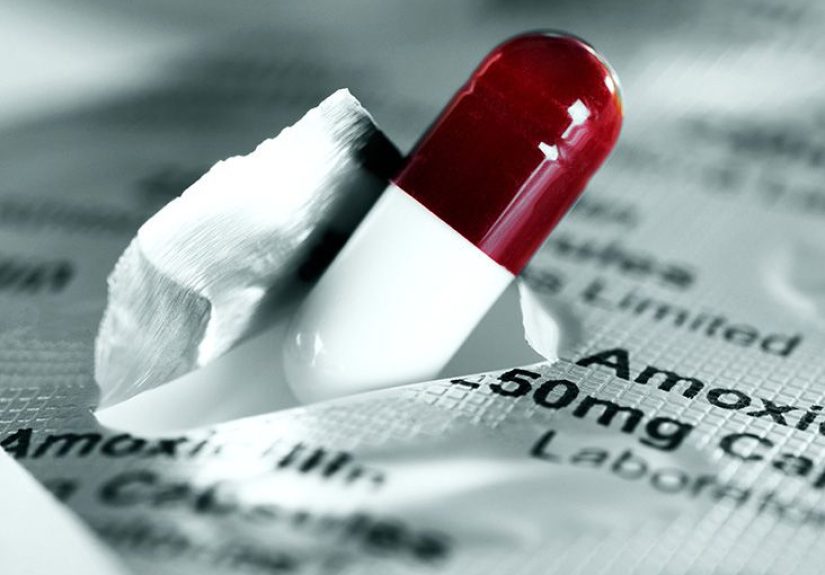
When people test positive for COVID-19, one question shows up faster than a group chat rumor: Should I take antibiotics? It sounds reasonable. You feel awful. Your throat hurts. Your cough is auditioning for a horror movie. You want medicine that does something. But here is the truth in plain English: antibiotics do not treat COVID-19 itself, because COVID-19 is caused by a virus, not bacteria.
That does not mean antibiotics are useless in the overall picture. They can still help if a person with COVID-19 also develops a bacterial infection, such as bacterial pneumonia or another confirmed bacterial complication. In other words, antibiotics are not the headliner for coronavirus treatment. At best, they are the backup act when bacteria crash the party.
This guide breaks down what antibiotics can and cannot do, which COVID-19 treatments actually help, when doctors use steroids or antivirals, and what real-life recovery often looks like. No hype, no miracle-cure nonsense, and no pretending azithromycin is a wizard wand.
Can antibiotics treat COVID-19?
No, antibiotics cannot treat COVID-19 itself. Antibiotics are designed to kill bacteria or stop them from multiplying. COVID-19 is caused by SARS-CoV-2, which is a virus. That difference matters a lot. Giving antibiotics for a viral illness is like trying to fix a Wi-Fi outage with a hammer. Very energetic, not very useful.
Early in the pandemic, antibiotics were often prescribed “just in case,” especially in people sick enough to be hospitalized. Over time, doctors learned that bacterial coinfection at the start of COVID-19 is less common than many feared. That is why antibiotic stewardship became a big deal. In short, the smarter move is to use antibiotics only when there is a real bacterial reason.
When antibiotics may be used in someone who has COVID-19
Antibiotics may still be appropriate if a clinician suspects or confirms a bacterial infection alongside COVID-19. Examples can include:
- Bacterial pneumonia on top of viral pneumonia
- Sinus, ear, skin, or urinary tract infections caused by bacteria
- Hospital-acquired infections in very sick patients
- Sepsis or another serious bacterial complication
That is the key distinction: antibiotics can treat the bacterial complication, not the coronavirus itself.
Why taking antibiotics for COVID-19 without a bacterial infection is a bad idea
If antibiotics do not treat the virus, then taking them “just to be safe” can create more problems than benefits.
1. They can cause side effects
Antibiotics are not candy. They can trigger nausea, diarrhea, rashes, yeast infections, and medication reactions. Some also raise the risk of more serious complications, including C. diff infection.
2. They can fuel antibiotic resistance
Every unnecessary course of antibiotics gives bacteria more chances to adapt. That makes future bacterial infections harder to treat, not just for one person but across communities. Public health experts have been waving this red flag for years, and COVID-19 did not make it less true.
3. They may distract from the treatment that actually matters
For higher-risk patients, timing matters. If someone needs an antiviral such as Paxlovid or remdesivir, the window is early. Wasting those first few days chasing an antibiotic that will not help the virus is not ideal.
4. They can create false reassurance
A lot of people feel better simply because time passes and the body starts recovering. Then the antibiotic gets the credit, like a bench player celebrating a game-winning shot they did not take. COVID-19 often improves with supportive care alone in mild cases, so “I got better after antibiotics” does not prove the antibiotics treated the virus.
What treatments actually help COVID-19?
Now for the useful part. If antibiotics are mostly off the table for coronavirus itself, what does help? The answer depends on how sick the patient is, how long symptoms have been going on, and whether the person is at high risk for severe disease.
1. Antiviral treatment early in the illness
Antivirals are the star players for many non-hospitalized patients who are at higher risk of severe COVID-19. These drugs target the virus itself rather than bacteria.
Paxlovid
Paxlovid is one of the best-known outpatient COVID-19 treatments. It is used early in mild to moderate illness for eligible patients who are more likely to become seriously ill. The big catch is timing: it works best when started early after symptoms begin.
Paxlovid can be very helpful, but it also comes with a giant asterisk: drug interactions. A clinician or pharmacist needs to review a patient’s medication list carefully. This is not the moment for freestyle medicine.
Remdesivir
Remdesivir is an antiviral given by IV infusion. It can be used in certain outpatients and in hospitalized patients, depending on the clinical situation. It is especially important for people who cannot take oral antiviral treatment or who need a different approach.
Molnupiravir
Molnupiravir is another antiviral option for some adults when other preferred options are not accessible or appropriate. Think of it less as the first name on the marquee and more as a backup plan when the main options do not fit.
2. Symptom relief and supportive care at home
Most mild COVID-19 cases are treated with the glamorous medical trio of rest, fluids, and symptom control. Not flashy, but often effective.
Common supportive care steps include:
- Getting extra rest
- Drinking fluids to avoid dehydration
- Using over-the-counter fever reducers or pain relievers as appropriate
- Taking cough medicine or using other symptom-relief strategies when needed
- Monitoring symptoms closely, especially if the person is older or has chronic medical conditions
Supportive care does not “kill the virus,” but it helps the body get through the infection more comfortably and safely.
3. Corticosteroids for people who need oxygen
Dexamethasone and other systemic corticosteroids have a specific role in COVID-19 care. They are not for everyone. In fact, they are not recommended for routine treatment of mild to moderate COVID-19 in people who do not need supplemental oxygen.
Why? Because steroids calm inflammation, and that is helpful mainly in more severe disease where the immune response is part of the problem. In milder illness, they can do more harm than good.
For hospitalized patients who do need oxygen, steroids may reduce the risk of worse outcomes. This is one of the clearest examples of how COVID-19 treatment is not one-size-fits-all. The same drug can be helpful in one setting and a bad idea in another.
4. Oxygen and hospital-based care for severe illness
When COVID-19 becomes severe, treatment moves beyond pills and home remedies. Hospital care may include:
- Supplemental oxygen
- Close monitoring of breathing and oxygen levels
- Antiviral therapy in selected cases
- Corticosteroids when indicated
- Blood clot prevention strategies based on hospital protocols and patient risk
- Intensive care support for respiratory failure or critical illness
This is also where antibiotics may enter the picture if a bacterial infection is suspected or proven. Again, not because antibiotics treat coronavirus, but because severely ill patients can develop secondary bacterial complications.
5. Prevention-minded care that changes outcomes
Strictly speaking, vaccines are not a treatment once you are infected. But they matter because staying up to date on COVID-19 vaccination lowers the risk of severe disease, hospitalization, and death. That changes the whole treatment conversation.
For some people who are moderately or severely immunocompromised, clinicians may also discuss preventive medication options. Those are for prevention, not treatment, but they are part of the larger strategy for reducing serious outcomes.
Treatments people ask about that are not routine winners
COVID-19 has been a magnet for magical thinking. Some ideas sounded promising at first and then did not hold up when tested carefully.
Azithromycin as routine COVID treatment
Azithromycin is an antibiotic. Unless there is a bacterial reason to use it, it is not a standard treatment for COVID-19 itself. Its reputation during the early pandemic was much bigger than its evidence base.
Ivermectin and hydroxychloroquine
These drugs have attracted a lot of attention, but major guidelines have not supported routine use for COVID-19 treatment outside specific research settings. Translation: internet confidence is not the same thing as clinical evidence.
Leftover antibiotics from your medicine cabinet
Please do not do this. Randomly taking old antibiotics is a great way to get side effects, use the wrong drug, or partially treat a problem that is not even bacterial in the first place.
When should you call a doctor quickly?
You should seek medical advice early if you test positive and:
- You are an older adult
- You have chronic medical conditions
- You are immunocompromised
- You are getting worse instead of better
- You may qualify for antiviral treatment
This matters because antiviral treatment has a short window. Waiting too long can turn an eligible patient into a missed opportunity.
Emergency warning signs can include trouble breathing, persistent chest pain, confusion, blue or gray lips, inability to stay awake, or any rapidly worsening symptoms. At that point, the question is no longer “Should I ask for antibiotics?” It is “How fast can I get proper care?”
Questions to ask your clinician about COVID-19 treatment
If you or a family member has COVID-19, these are smart questions:
- Am I at high risk for severe COVID-19?
- Would an antiviral help me, and can I start it in time?
- Could Paxlovid interact with my current medications?
- Do I have any signs of a bacterial infection that would justify antibiotics?
- What symptoms mean I should go to urgent care or the ER?
That short conversation can be more useful than three hours of doom-scrolling and one questionable social media thread from a person whose medical degree appears to be in vibes.
Real-world experiences related to COVID-19 treatment and antibiotics
One of the most common real-world experiences is surprisingly ordinary: a person tests positive, feels miserable, and asks for antibiotics because they want something concrete. They are not being irrational. They are tired, achy, coughing, and annoyed that a virus has hijacked the week. What many people discover is that the first medical conversation is often about what not to take. That can feel disappointing at first. People tend to equate a prescription with action and supportive care with “doing nothing,” even though resting, hydrating, reducing fever, and monitoring symptoms are exactly what many mild cases need.
Another common experience happens in higher-risk households. An older parent or grandparent tests positive, and suddenly the timeline matters. Instead of asking for antibiotics, the family starts asking better questions: How many days since symptoms started? Is the person eligible for Paxlovid? What medicines are they already taking? This is where treatment becomes less about panic and more about logistics. People often find that the hardest part is not swallowing the medicine. It is acting quickly enough, getting the prescription reviewed, and making sure drug interactions are handled correctly.
There is also the experience of mixed messaging. A lot of adults remember the early pandemic, when all kinds of treatments were being discussed at once. Some still assume azithromycin is a COVID pill. Others think steroids should be started immediately the second a test turns positive. Then they learn that medical treatment depends on stage of illness. A drug that helps a hospitalized patient on oxygen may not help, and could even hurt, someone with mild symptoms at home. That realization can be frustrating, but it also helps people understand why evidence-based treatment sounds more nuanced than a catchy internet slogan.
Hospital experiences are very different. Families dealing with severe COVID-19 often describe a shift from “How do we knock this out?” to “How do we support breathing and prevent complications?” In that setting, treatments like oxygen, steroids, IV antivirals, and close monitoring become the focus. Antibiotics may be added, but usually only when doctors suspect a bacterial infection has joined the situation. In real life, that distinction matters emotionally. Families sometimes assume more medications always mean the virus is getting a stronger attack. In truth, each medication has its own job, and antibiotics are there only if bacteria show up uninvited.
Recovery experiences can be slow and uneven too. Many people with mild COVID-19 improve over several days with home care, then realize the boring advice was the right advice all along. Others feel better, then have lingering fatigue or cough that makes them wonder whether they needed stronger medicine earlier. That is another reason good follow-up matters. The real experience of COVID-19 treatment is not just about one drug. It is about timing, risk, monitoring, symptom changes, and using the right tool for the right problem. The best outcomes usually come not from throwing every medicine at the virus, but from making smarter, more targeted decisions.
Final takeaway
Antibiotics do not treat COVID-19 because COVID-19 is a viral infection, not a bacterial one. They should only be used when a bacterial infection is also present or strongly suspected. For the virus itself, the evidence-based options are different: early antivirals for eligible higher-risk patients, supportive care for mild cases, and oxygen plus hospital-based therapies for severe disease.
If you remember just one thing, make it this: when COVID-19 hits, do not ask, “Where can I get antibiotics?” Ask, “Am I high-risk, and do I need antiviral treatment soon?” That question is far more likely to point you toward care that actually works.