Table of Contents >> Show >> Hide
- The Short Answer: Typical Walk-In Tub Cost
- Walk-In Tub Costs by Type
- What Actually Drives the Price Up?
- How Much Does Installation Cost on Its Own?
- Hidden Costs Many Buyers Miss
- Does Insurance or Medicare Cover a Walk-In Tub?
- Are Walk-In Tubs Worth the Money?
- Smart Buying Tips Before You Sign Anything
- Final Verdict: What Should You Budget?
- Real-World Experiences: What Living With the Cost of a Walk-In Tub Feels Like
- SEO Tags
If you have started shopping for a walk-in tub, you have probably already discovered the first rule of the category: nobody casually buys one on a lunch break. This is not a rubber duck and a bath bomb situation. A walk-in tub is a serious home upgrade built for safety, comfort, accessibility, and aging in place. It can also come with a price tag that ranges from “manageable home improvement” to “well, that escalated quickly.”
So, how much does a walk-in tub cost? In most cases, homeowners spend anywhere from about $4,000 to $15,000 for a realistic installed project. A bare-bones tub may start closer to $2,000 to $5,000, while premium models with hydrotherapy jets, heated surfaces, quick-drain systems, and custom installation can push the total past $20,000. The tub is only part of the story. Labor, plumbing, electrical upgrades, and bathroom modifications are the plot twist.
This guide breaks down the real numbers, the sneaky cost drivers, and the buying decisions that matter most, so you can budget wisely without feeling like your bathroom remodel is running a secret side hustle against your bank account.
The Short Answer: Typical Walk-In Tub Cost
A practical national estimate looks like this:
- Basic walk-in soaking tub: about $2,000 to $5,000
- Mid-range walk-in tub with upgraded safety and comfort features: about $5,000 to $10,000
- Luxury jetted or hydrotherapy walk-in tub: about $10,000 to $20,000+
- Installed project cost for many homeowners: roughly $4,000 to $15,000
- High-end custom jobs with bathroom modifications: often $20,000 or more
Those numbers are broad because the market is broad. Some tubs sold through big-box retailers land in the lower price tiers. Full-service brands that bundle consultation, delivery, installation, warranty support, and premium features tend to price higher. In plain English, the tub can be one bill, but the project is a whole cast of characters.
Walk-In Tub Costs by Type
Basic Soaking Walk-In Tubs
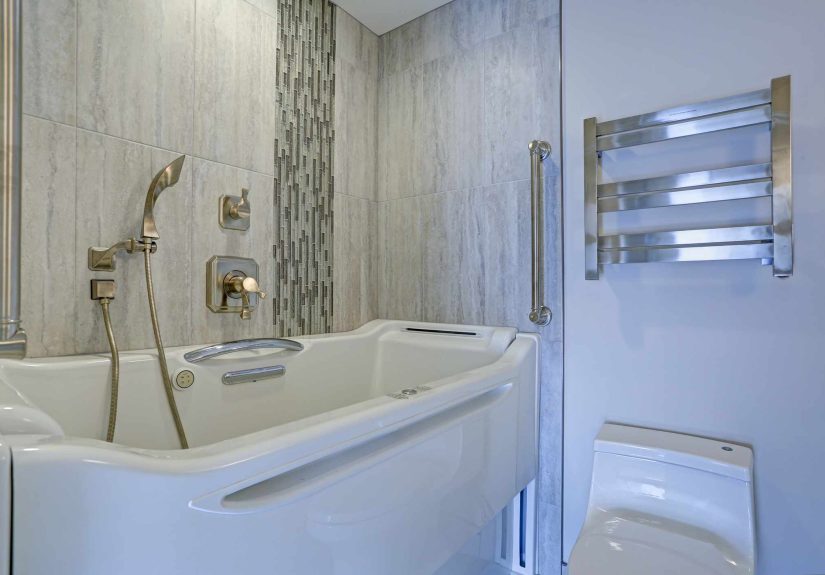
If your main goal is safer entry and exit, a standard soaking model is the least expensive way in. These tubs usually include a low threshold, built-in seat, grab bars, handheld shower wand, and inward- or outward-opening door. They skip the spa drama and focus on function.
For many households, this is the sweet spot. You get the accessibility benefits without paying extra for air jets, hydrotherapy, heated backrests, or other nice-but-not-mandatory upgrades. If you are shopping on a tighter budget, this is where to start.
Air-Jet and Hydrotherapy Walk-In Tubs
Want the tub to massage your back while you contemplate your life choices? That costs more. Air-bath and whirlpool models typically add several thousand dollars because they require pumps, motors, more controls, and more installation complexity. They are popular for users who want muscle relief, arthritis comfort, or a more therapeutic bathing experience.
These features can absolutely improve comfort, but they also move your project from “safety upgrade” to “mini wellness center with plumbing.” That is not bad. It is just expensive.
Bariatric, Wheelchair-Accessible, and Combo Models
Larger or more specialized tubs cost more because they use more material, take more space, and often require more intensive installation planning. Bariatric tubs, extra-wide doors, and wheelchair-friendly designs are typically priced above standard soaking models. Walk-in tub and shower combo units can also raise the total because of enclosure, wall surround, fixture, and water-control requirements.
If multiple people in the household will use the tub, or if long-term mobility needs are likely to change, paying more upfront for a more adaptable model can be smart. It is not always the cheapest move today, but it may be the most cost-effective one over time.
What Actually Drives the Price Up?
1. The Tub Itself
The tub is the main purchase, but even here, pricing varies wildly. Size, shell material, door design, brand reputation, and included accessories all affect cost. Acrylic tubs are common because they are durable and attractive. Gelcoat and fiberglass options may cost less, though premium finishes and heavier-duty construction can push the price back up.
Brand also matters. Manufacturer-direct companies often sell a more bundled experience, including consultation, installation, and warranty support. Retail models may look cheaper online, but you may need to line up your own installer, electrician, plumber, and patience.
2. Installation Labor
This is where homeowners sometimes get surprised. Replacing a standard alcove tub with a similarly sized walk-in tub can be relatively straightforward. But if your bathroom needs drain relocation, valve changes, wiring for jets or heated surfaces, subfloor repairs, or wall modifications, labor can snowball quickly.
In older homes, the surprises tend to multiply. Open a wall and suddenly you are not just installing a tub; you are meeting your house’s plumbing decisions from 1974. They may not be charming.
3. Plumbing and Electrical Work
Many walk-in tubs can use existing plumbing, but not always. If your new tub has whirlpool jets, air pumps, inline heaters, or electronic controls, you may need dedicated electrical work. Fast-fill faucets and quick-drain systems can also raise installation demands. If your water heater is small, you might not have enough hot water to fill the tub comfortably, which could mean another upgrade waiting in the wings.
4. Structural and Bathroom Modifications
Some jobs require widened doors, reinforced flooring, changed wall surrounds, new tile, better waterproofing, or layout changes to make the tub fit and function safely. These are the costs that turn a simple estimate into a dramatic reading.
If the walk-in tub fits in the footprint of your existing tub, you save money. If the room has to be reworked to accommodate the tub, you spend more. A lot more.
5. Extra Features
Features are wonderful, but they are not free. Heated backrests, rapid fill, quick drain, chromotherapy lights, aromatherapy, ozone cleaning, self-cleaning systems, neck rests, and upgraded control panels all add cost. Some are worth it, especially quick-drain and heated surfaces, because users often sit in the tub while it fills and drains. Others are more lifestyle-based than necessity-based.
The trick is separating “this will make daily bathing safer and easier” from “this sounded amazing in the showroom after the third brochure.”
How Much Does Installation Cost on Its Own?
Installation can range from a few thousand dollars to well above $10,000, depending on scope. A simple replacement is much less painful than a complicated remodel. For a homeowner who already has a standard tub alcove, decent plumbing access, and enough electrical capacity, installation may stay on the lower end. If you are moving plumbing lines, repairing hidden water damage, or updating an older bathroom to code, labor can become a major share of the bill.
A helpful way to think about it is this: the tub is the product cost, but installation is the compatibility test between the tub and your actual home. And homes love being unpredictable.
Hidden Costs Many Buyers Miss
Water Heater Capacity
Walk-in tubs generally use more water than standard tubs. If your current water heater cannot keep up, you might only get a lukewarm half-bath, which is not exactly the spa moment you were promised. Upgrading a water heater is not always necessary, but it is common enough that it should be part of the conversation before you buy.
Permits and Code Updates
Depending on your location and the scope of work, permits may be required for plumbing or electrical changes. Local code issues can also surface during installation. That does not mean disaster, but it does mean budget padding is your friend.
Maintenance and Repairs
Basic soaking tubs are simpler to maintain than jetted models. More pumps, jets, and controls mean more parts that may eventually need service. Warranty coverage matters here. A strong warranty can make a premium tub more appealing, while a bargain tub with weak support may cost more in the long run.
Operating Costs
More water, more hot water, and more powered features can slightly raise utility costs. No, a walk-in tub will not turn your house into a luxury resort utility bill overnight, but it is worth acknowledging that daily use is not free.
Does Insurance or Medicare Cover a Walk-In Tub?
Usually, no. Traditional Medicare generally covers durable medical equipment, not bathroom renovations or walk-in tubs. That is the annoying but important answer. A walk-in tub is normally treated as a home modification rather than covered medical equipment.
That said, some buyers explore other forms of assistance. Veterans may look into eligible home modification programs through the VA. Some households use health savings funds, financing plans, or tax-related medical expense strategies, depending on their situation. The exact details vary, so it is wise to check with a tax professional, insurer, or benefits administrator before assuming anything will be reimbursed.
Are Walk-In Tubs Worth the Money?
They can be, especially if the main goal is staying safely at home longer. A walk-in tub can reduce the step-over height that makes traditional tubs risky, and that matters a lot for older adults, people with balance issues, and anyone recovering from injury or surgery. The value is not just about resale. It is about safety, independence, comfort, and avoiding the kind of bathroom fall that changes life in a hurry.
Still, a walk-in tub is not automatically the right answer for everyone. If you do not enjoy baths, a walk-in shower may be a better use of your remodeling budget. If waiting for the tub to fill and drain sounds miserable, focus on models with rapid fill, quick drain, and heated seating or back support. If your bathroom is tiny, a different accessibility solution may fit better.
The best buying decision is not the fanciest tub. It is the tub that matches how the user actually lives.
Smart Buying Tips Before You Sign Anything
- Get at least three quotes and compare both product cost and installation scope.
- Ask whether electrical, plumbing, permits, haul-away, wall repair, and finish work are included.
- Confirm fill and drain expectations, especially if the user cannot tolerate long wait times.
- Ask whether your current water heater can support the tub’s water volume.
- Read the warranty carefully. Door seal, shell, parts, labor, and service are not always covered equally.
- Do not pay luxury prices for features you will never use.
Final Verdict: What Should You Budget?
If you want a realistic planning number, budget $8,000 to $15,000 for a solid mid-range walk-in tub project installed by professionals. You may spend less for a straightforward soaker replacement, and you may spend much more for a premium hydrotherapy model or a bathroom that needs major prep work.
The cheapest quote is not always the best deal, and the most expensive quote is not always the wisest choice. The right number is the one that gets you a safe, usable tub with a clear installation scope, dependable support, and features that solve real problems rather than merely impress the salesperson.
In other words, buy for safety first, comfort second, and brochure poetry a distant third.
Real-World Experiences: What Living With the Cost of a Walk-In Tub Feels Like
Talking about price ranges is useful, but homeowners rarely experience a walk-in tub as a spreadsheet. They experience it as a decision tied to a parent who no longer feels steady stepping over the old tub wall, a spouse recovering from surgery, or their own quiet realization that the bathroom has become the most dangerous room in the house. That is why walk-in tub shopping often feels different from shopping for other bathroom fixtures. It is less about style and more about peace of mind.
One common experience is sticker shock followed by reluctant understanding. At first glance, the price of a walk-in tub can seem absurd. Then the buyer starts adding up what is actually included: delivery, removal of the old tub, plumbing adjustments, electrical setup, wall repair, waterproofing, safety features, warranty coverage, and sometimes installation in one or two days. Suddenly, the number still looks big, but it no longer feels random.
Another experience buyers report is learning that the “real” cost is about fit, not just product. A family may find a tub online that looks affordable, only to discover that it does not fit the bathroom properly, requires a different drain layout, or lacks the features the user truly needs. Meanwhile, a more expensive model may include a lower threshold, easier door handle, faster drain, and better seating position. Those details matter because the wrong tub is not just inconvenient; it can still feel unsafe.
There is also the emotional side. Many people feel guilty spending so much on one bathroom upgrade. But that feeling often changes after installation. Once the user can bathe more independently, or a caregiver no longer worries about a slip every evening, the tub starts to feel less like a luxury purchase and more like a home safety investment. That does not make it cheap. It just gives the cost a different meaning.
Of course, not every experience is magical. Some owners are surprised by fill and drain time, especially if they choose a model without stronger quick-fill and quick-drain performance. Others realize too late that their water heater is not up to the job. And some discover that features they paid extra for get used far less than expected. The lesson there is simple: buy for daily habits, not fantasy habits. If the user wants safe bathing, prioritize safety and comfort. If they truly love soaking therapy, then the premium features may earn their keep.
In the end, the cost of a walk-in tub usually feels most justified when it solves a real problem. That might be fear of falling, trouble getting in and out of a standard tub, chronic pain, or the desire to stay in the home longer instead of moving sooner. Buyers who are happiest with the purchase are usually the ones who entered the process with realistic expectations, a clear budget, and a very honest answer to one question: what problem are we paying this tub to solve?