Table of Contents >> Show >> Hide
- What Is Hot Chicken Salad, Exactly?
- Why Make It in a Skillet?
- Hot Chicken Salad Skillet Casserole “Recipe Card”
- Step-by-Step Instructions
- Flavor and Texture: What Makes This Work
- Easy Variations (Because Dinner Should Be Flexible)
- What to Serve With Hot Chicken Salad Skillet Casserole
- Make-Ahead, Storage, and Reheating Tips
- Common Mistakes (And How to Avoid Them)
- FAQ
- Conclusion
- Real-Life Kitchen Experiences and Tips (The Stuff Recipes Don’t Always Say Out Loud)
- The chicken you choose changes everything
- Crunch is the secret to “not boring”
- Skillet heat is both a blessing and a little dramatic
- How to keep the topping crisp (even for leftovers)
- The “too wet” problem is usually a draining problem
- Why this recipe is a potluck favorite (and how to travel with it)
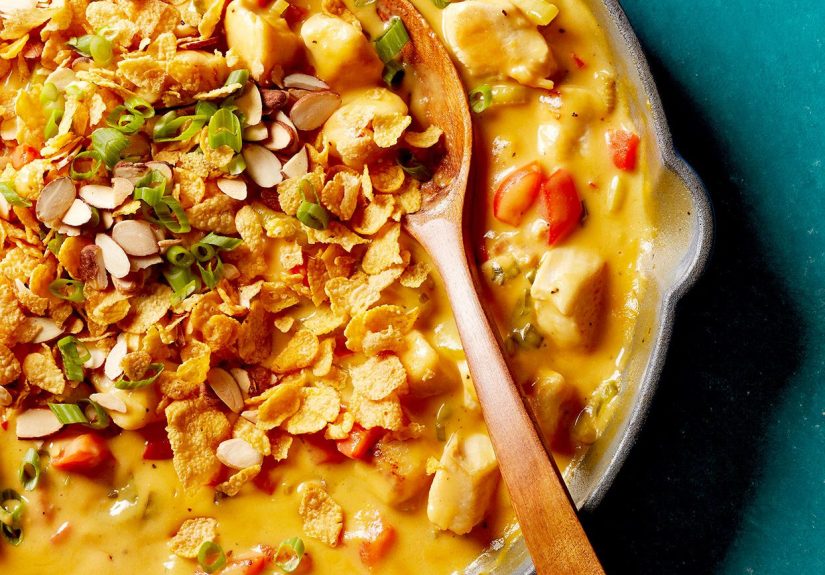
If chicken salad and a cozy casserole had a delicious little midlife crisis, this would be it.
Hot Chicken Salad Skillet Casserole is a retro comfort-food classic: creamy chicken filling, a little crunch, a little tang, and a buttery topping that basically says,
“Yes, I am the main character.”
This version is built for real life: it’s made in a single oven-safe skillet (hello, fewer dishes), it’s flexible enough for picky eaters and “I need dinner now” nights,
and it’s potluck-friendly in the way that makes people ask for the recipe while holding a paper plate like it’s a trophy.
What Is Hot Chicken Salad, Exactly?
Traditional chicken salad is cold, mayo-based, and lives its best life between two slices of bread. Hot chicken salad takes those familiar flavors
and bakes them into a warm casseroleoften with celery for crunch, a creamy binder (mayo, sour cream, sometimes a creamy soup), and add-ins like
water chestnuts, mushrooms, or slivered almonds. Then it gets topped with something gloriously crunchythink crushed crackers or potato chips
and baked until bubbly and golden.
It’s called a “salad” in the same way that “ambrosia salad” is called a salad: history happened, everyone agreed, and here we arehappy about it.
Why Make It in a Skillet?
- Less cleanup: Mix, bake, servesame pan.
- Better texture: A wide skillet spreads the filling evenly, so you get more golden edges and fewer soggy middle bites.
- Fast finish: Crackers stay crispier when they aren’t buried in a deep casserole dish.
Hot Chicken Salad Skillet Casserole “Recipe Card”
Ingredients (Serves 6–8)
- Chicken: 4 cups cooked chicken, shredded or chopped (rotisserie chicken works great)
- Crunch + flavor: 1 cup chopped celery
- Aromatics: 1/2 cup finely chopped yellow onion (or 2–3 tablespoons minced onion for a milder bite)
- Optional classic add-ins: 1 (8 oz) can sliced water chestnuts, drained
- Optional savory add-in: 1 cup sliced mushrooms (fresh sautéed or canned/drained)
- Creamy base: 3/4 cup mayonnaise
- Tang + extra creaminess: 3/4 cup sour cream
- Optional “extra cozy” shortcut: 1/2 cup cream of chicken soup (or cream of mushroom soup)
- Cheese: 1 1/2 cups shredded sharp cheddar, divided
- Brightener: 1 tablespoon lemon juice
- Seasoning: 1 1/4 teaspoons kosher salt, 1/2 teaspoon black pepper
- Nutty crunch: 1/2 cup slivered almonds (or chopped pecans)
Buttery Cracker Topping
- 1 1/2 cups crushed buttery crackers (like Ritz)
- 4 tablespoons butter, melted
- Optional: 2 tablespoons grated Parmesan (adds salty, golden vibes)
Equipment
- 12-inch oven-safe skillet (cast iron is perfect)
- Mixing bowl
- Spatula
Step-by-Step Instructions
1) Preheat and prep
Preheat your oven to 375°F. Lightly grease your oven-safe skillet if it’s not well-seasoned or if you’re using stainless steel.
(Cast iron usually doesn’t need it, but your skillet, your rules.)
2) Build the filling
In a large bowl, combine the cooked chicken, celery, onion, water chestnuts (if using), mushrooms (if using),
mayonnaise, sour cream, optional creamy soup, 1 cup of the cheddar, lemon juice, salt, pepper, and slivered almonds.
Stir until everything is evenly coated and looks like it’s ready to comfort you emotionally.
3) Spread into the skillet
Scoop the mixture into your skillet and spread it into an even layer. Sprinkle the remaining 1/2 cup cheddar over the top.
4) Add the crunchy topping
In a small bowl, stir together the crushed crackers and melted butter (and Parmesan, if using). Sprinkle the topping evenly across the skillet.
Try to cover most of the surface so every serving gets that buttery crunch.
5) Bake until bubbly
Bake for 20–25 minutes, or until the edges are bubbly and the topping is golden. If you like it extra-toasty,
broil for 1–2 minutes at the endjust don’t wander off and start a new life. Broilers move fast.
6) Rest, then serve
Let it rest for 5–10 minutes before serving. This helps it set so it scoops neatly instead of sliding around like it’s avoiding responsibility.
Flavor and Texture: What Makes This Work
A skillet casserole like this is basically a texture symphony:
- Creamy base: Mayo + sour cream (and optional soup) keep the chicken rich and tender.
- Crunch inside: Celery, almonds, and optional water chestnuts add “snap” so every bite isn’t just soft-on-soft.
- Crunch on top: Buttery crackers give you the classic golden crust that people fight over.
- Brightness: Lemon juice cuts the richness so it tastes balanced, not heavy.
Easy Variations (Because Dinner Should Be Flexible)
1) Spicy “Buffalo-ish” Hot Chicken Salad
- Add 2–3 tablespoons hot sauce to the filling.
- Swap cheddar for pepper jack.
- Finish with sliced green onions after baking.
2) Curry Comfort Version
- Add 1–2 teaspoons curry powder.
- Use chopped cashews instead of almonds.
- Optional: a small handful of golden raisins for sweet contrast.
3) Lighter (But Still Cozy)
- Use half mayo, half plain Greek yogurt.
- Keep sour cream, but reduce to 1/2 cup.
- Use extra celery and onion for volume and crunch.
4) Gluten-Free
- Use gluten-free crackers or crushed GF chips for the topping.
- Skip condensed soup unless you have a gluten-free version.
What to Serve With Hot Chicken Salad Skillet Casserole
This dish is rich, so pair it with something fresh or crisp:
- Simple green salad with a bright vinaigrette
- Steamed green beans or roasted broccoli
- Rice (white, brown, or cauliflower rice) to stretch servings
- Fruit (grapes, apple slices, or citrus) for a classic potluck vibe
Make-Ahead, Storage, and Reheating Tips
Make-ahead
You can mix the filling up to a day ahead and refrigerate it (covered). For best crunch,
store the cracker topping separately and add it right before baking.
Storing leftovers
Cool leftovers promptly, cover, and refrigerate. For food safety, don’t leave the casserole sitting out for long stretches at room temperature.
Reheating
Reheat portions in the oven (best for keeping the topping crisp) or microwave (fastest). Either way, make sure it’s heated through.
If the top softens, a quick oven reheat can bring back some crunch.
Common Mistakes (And How to Avoid Them)
-
Too dry: Use a mix of white and dark meat, or add a spoonful more sour cream.
Rotisserie chicken is often juicier than plain baked breast. - Too wet: Drain canned add-ins well (water chestnuts, mushrooms). Also, don’t overdo the soup if using it.
- Soggy topping: Add topping right before baking, and consider a quick broil at the end.
- Flat flavor: Don’t skip lemon juice, and taste the filling before baking (especially if your chicken isn’t well-seasoned).
FAQ
Can I use canned chicken?
You can. Drain it very well and fluff it with a fork. The texture is softer than rotisserie or freshly cooked chicken,
so consider adding extra celery and almonds for crunch.
Do I have to use water chestnuts or mushrooms?
Nope. They’re classic, but optional. If your household has “texture opinions,” skip them and add a bit more celery or onion instead.
Can I freeze it?
The filling can be frozen, but creamy casseroles may change texture slightly when thawed. If you freeze it,
do so without the cracker topping. Add fresh topping when you bake.
Conclusion
Hot Chicken Salad Skillet Casserole is the kind of recipe that feels like it’s been invited to every church potluck since 1973
and somehow it’s still a star. It’s creamy, crunchy, easy to customize, and practical: you can make it with leftover chicken,
rotisserie chicken, or whatever you’ve got that needs to become dinner before it becomes “a science project.”
Make it once for a weeknight, and you’ll keep it in your back pocket for busy seasons, surprise guests, and any moment when you need comfort food
that doesn’t require a sink full of dishes.
Real-Life Kitchen Experiences and Tips (The Stuff Recipes Don’t Always Say Out Loud)
If you’ve ever made a creamy chicken casserole and thought, “Why does this taste amazing but also somehow… different every time?”welcome.
This dish has a few very common real-kitchen quirks, and knowing them ahead of time makes the difference between “good” and “can I get that recipe?”
The chicken you choose changes everything
In many home kitchens, the biggest “aha” moment is realizing that chicken salad-style casseroles are only as good as the chicken going in.
Rotisserie chicken tends to be seasoned and juicy, which means the casserole tastes fuller without extra work. Plain boiled chicken breast is totally fine,
but it’s mildso you’ll want to lean on salt, pepper, lemon juice, and maybe a little extra onion for flavor. A mix of white and dark meat can feel richer,
and it often stays moist even after reheating. If you’re using leftover grilled chicken, expect a bolder flavor (sometimes smoky), which can be incredible
just keep an eye on salt since grilled chicken is often already well-seasoned.
Crunch is the secret to “not boring”
People often assume the topping is the only crunch that matters. But the “inside crunch” is what keeps the casserole from eating like warm chicken paste.
Celery is the classic for a reason: it stays crisp-ish and cuts the richness. Slivered almonds (or pecans) bring a toasty bite that feels fancy with basically no effort.
Water chestnuts are a love-it-or-skip-it ingredient, but when people do like them, it’s because they add a clean, watery crunch that stays firm even after baking.
Skillet heat is both a blessing and a little dramatic
Cast iron holds heat like it’s guarding a treasure. That’s great for bubbling edges and golden topping, but it also means the skillet stays hot for a while after baking.
The first scoop might be looser and creamier, and then it firms up as it coolstotally normal. Resting for 5–10 minutes helps it serve cleaner.
Also, because skillets distribute heat well, the edges can brown faster than a casserole dish. If your topping looks perfect at 18 minutes, pull itdon’t wait for the clock.
How to keep the topping crisp (even for leftovers)
The most common experience with this dish the next day: it’s still delicious, but the topping softens.
If you want to bring back that fresh-baked crunch, reheat in the oven or toaster oven instead of the microwave. Even 8–10 minutes at a moderate temperature can revive it.
Some home cooks also save a little topping mixture aside and sprinkle it on before reheatingan extremely practical move that feels like a chef trick.
The “too wet” problem is usually a draining problem
If someone says their casserole turned watery, it’s almost always because add-ins weren’t drained well (especially canned mushrooms or water chestnuts),
or because the chicken released extra moisture (common with previously frozen chicken). The fix is simple: drain thoroughly, pat ingredients dry if needed,
and don’t add every creamy ingredient at maximum amount on the first try. You can always add a bit more sour cream, but you can’t un-soup a casserole.
Why this recipe is a potluck favorite (and how to travel with it)
In real life, this recipe shines because it’s forgiving. It stays tasty as it cools, it reheats well, and it feeds a crowd without demanding fancy ingredients.
For travel, many people assemble the filling ahead, keep topping separate, and bake at the destination. If you must bake before leaving, cover loosely with foil
so steam doesn’t fully soften the topping, and re-crisp in the oven for a few minutes when you arrive. It’s one of those dishes that makes people feel taken care of
which is basically the entire point of comfort food.