Table of Contents >> Show >> Hide
- Why the Internet Loves a Sad Cat Glow-Up
- What Is a Photoshop Cat Challenge, Exactly?
- Tools You Can Use to Make the Cat Smile
- Step-by-Step: Turning a Sad Cat into a Happy Cat
- Creative Ideas People Love in Cat Photoshop Challenges
- Kindness, Credits, and Copyright in Cat Contests
- Why “Photoshop This Sad Cat” Actually Matters
- Want to Host Your Own “Sad Cat to Happy Cat” Challenge?
- Experiences from the “Sad Cat, Happy Cat” Universe
- Conclusion: Long Live the Happier Cat
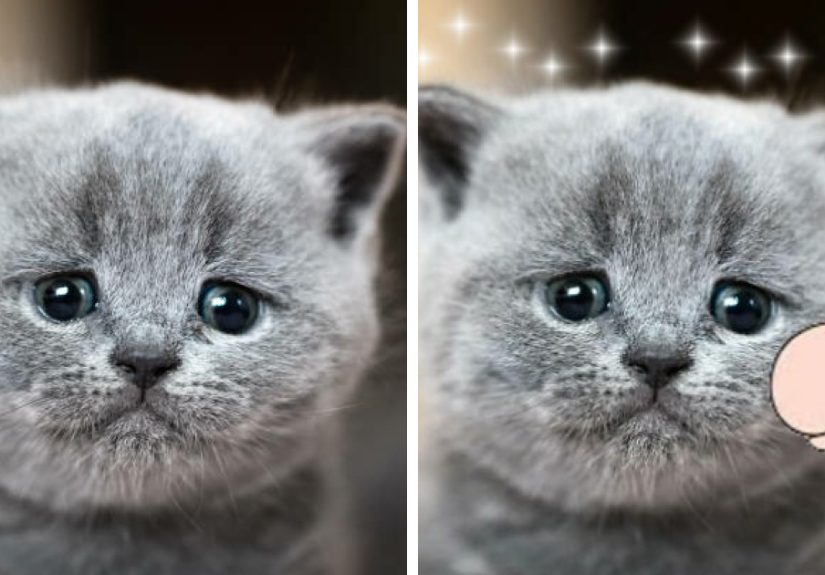
Somewhere on the internet, a single gloomy cat photo appears. The lighting is a little flat, the whiskers droop, and the kitty’s expression basically screams,
“I just found out the food bowl is empty.” For most people, it’s a mildly sad picture. For the Bored Panda “Hey Pandas” community, it’s a blank canvas and
an open invitation: Photoshop this sad cat and make it happy.
Even though the original challenge is marked “Closed,” the idea lives on. Turning a sad cat into a happy cat isn’t just a silly meme prompt.
It’s a crash course in creativity, digital art, and community storytelling. In this article, we’ll walk through what makes these Photoshop challenges so fun,
how to transform a melancholy feline into a joyful star, and what kinds of real-world skills (and heartwarming moments) come out of editing a single cat photo.
Why the Internet Loves a Sad Cat Glow-Up
We joke that “the internet was built for cats,” but there’s a deeper reason sad cat images hit so hard.
Cats already have expressive faces and dramatic body language, so a slightly downturned mouth or slouched posture instantly reads as tragedy.
When a challenge asks you to “make the cat happy,” it taps into three powerful things at once:
- Empathy: You see a sad creature and instinctively want to help.
- Creativity: You get to invent a whole story: Why is the cat sad? How do we fix it?
- Humor: The more over-the-top the solution, the funnier the final edit.
Maybe you put the cat on a tropical beach with sunglasses and a tiny cocktail. Maybe you turn it into a space explorer, finally discovering the galaxy’s
biggest can of tuna. The emotional contrast between the original image and the edited one is what makes the meme so satisfying.
What Is a Photoshop Cat Challenge, Exactly?
A Photoshop challenge works like a friendly online game. Someone posts a single “source” image and everyone gets the same starting point.
Your mission: remix it into something new using Photoshop or any photo editor you like. People then share their creations in the comments or a dedicated thread.
From Sad Cat to Shared Canvas
In a “sad cat to happy cat” challenge, the rules are usually simple:
- Use the original cat photo as your base.
- Make the cat happier using editing, illustration, or collage techniques.
- Keep it light and respectfulno cruelty, no copyright violations, and nothing hateful.
- Share your edit so others can enjoy, react, and get inspired.
You don’t have to be a professional designer. In fact, some of the most beloved entries in community challenges are the imperfect ones:
slightly off-center crowns, wobbly speech bubbles, and cartoonish sunbeams drawn with a mouse. The charm is in the effort and the joke,
not just the polish.
Tools You Can Use to Make the Cat Smile
“Photoshop” is in the title, but you don’t need a full Creative Cloud subscription to join in. Any decent editor that supports layers and basic adjustments
will work. Here are a few popular options:
Desktop Editors
- Adobe Photoshop: The classic powerhouse with every tool you could ever need.
- GIMP or Photopea: Free alternatives that still give you layers, masks, and advanced controls.
- Affinity Photo: A one-time purchase app with a professional feature set.
Mobile and Browser-Friendly Options
- Canva, Pixlr, or Fotor: Great for quick edits, text overlays, and stickers.
- Snapseed or Lightroom Mobile: Perfect for color and lighting adjustments if you’re working from your phone.
For a classic “Bored Panda style” entry, you’ll want at least these capabilities:
cropping, exposure adjustments, color correction, layers, and basic brushes or text tools.
With those in place, you’re ready to cheer up even the grumpiest kitty.
Step-by-Step: Turning a Sad Cat into a Happy Cat
Let’s break down a simple workflow you can follow to transform your cat photo. You can adapt these steps to any editor you like.
1. Fix the Mood with Light and Color
- Brighten the image: Increase exposure or lift the shadows so you can see the cat’s features clearly.
- Warm up the tones: Add a bit of warmth or increase vibrance to make the image feel cozier and more upbeat.
- Boost contrast gently: This helps fur texture pop and gives the cat more presence.
You’d be amazed how “happier” a cat looks once the gloomy gray tint is gone and the colors feel lively.
2. Soften the Sadness in the Eyes
The eyes carry most of the emotion in any portrait, furry or not. Try:
- Adding a subtle catchlight (a bright spot) to make the eyes sparkle.
- Enhancing the iris color with a tiny bump in saturation and clarity.
- Lightening the dark areas under the eyes just a little so the cat looks more awake than exhausted.
Don’t go full anime sparkle unless that’s the jokewhich, to be fair, is sometimes exactly the joke.
3. Adjust the Mouth and Whisker Area
Some editors let you do gentle “liquify” or warp adjustments. Used carefully, you can:
- Lift the corners of the mouth a tiny amount to suggest a feline smirk.
- Smooth the fur around tense or scrunched areas so the cat looks more relaxed.
- Add a tiny hint of “smile” by painting in a shadow line or highlight.
The key is small changes. One or two pixels of lift can switch the expression from “end of the world” to “mildly pleased with the service.”
4. Fix the Body Language with Smart Cropping
If the cat is hunched or curled in a way that feels sad, reposition the crop:
- Crop in closer to the face to emphasize the new bright, happy expression.
- Rotate slightly so the cat feels less slumped and more upright.
- Remove distracting elements that add to the gloomy mood (messy background, harsh shadows).
5. Add Props, Backgrounds, and Pure Chaos
Now the fun part: commit to the bit. To make the cat visibly happy, layer in props and scenes like:
- A birthday party with confetti, cake, and a tiny party hat.
- A fantasy landscape where the cat rides a dragon or floats through space.
- A cozy living room piled with yarn, pillows, and treat jars.
Use layer masks to blend the cat into its new world. Add shadows under the paws, adjust the color of the background to match the fur tones,
and sprinkle in a few visual jokesa “Treats Only” sign, a fish-shaped balloon, or a trophy labeled “Best Kitty Ever.”
Creative Ideas People Love in Cat Photoshop Challenges
If you’re stuck on what to create, here are some tried-and-true concepts that always get smiles and upvotes:
- The DJ Cat: Put the cat behind a turntable with headphones and a club backdrop.
- The Office Worker: Drop the cat into a cubicle with a tiny laptop and coffee mug labeled “Catpuccino.”
- The Superhero: Cape, dramatic lighting, city skylinethe cat has finally risen above its sadness to save the world.
- The Royal Cat: Golden crown, velvet cushion, and a banner: “Long Live the Floof.”
- The Therapist’s Couch: Flip the joke so the happy cat is the therapist, listening to humans complain.
The funniest entries often combine wildly different elementshistorical paintings, sci-fi settings, or viral memeswhile still keeping the original cat
recognizable somewhere in the image.
Kindness, Credits, and Copyright in Cat Contests
Even in a lighthearted challenge, there are a few important ground rules:
- Respect the original photo: If the host shares their own cat, treat that image like a borrowed treasure.
- Use legal source images: If you add backgrounds or extra elements, grab them from stock sites, public domain resources,
or your own photos. - Stay kind: Humor should be punchy, not cruel. Aim jokes at the situation, not at the person who shared the cat.
Following basic contest etiquette keeps the vibe welcoming and encourages more peopleespecially beginnersto join.
Why “Photoshop This Sad Cat” Actually Matters
On the surface, you’re just pasting a cat onto a rainbow. But zoom out and you’ll see why these challenges keep coming back:
- They lower the bar to entry: One shared image, clear rules, and no pressure to be perfect.
- They teach real skills: Participants learn about composition, color theory, masking, and storytelling without a formal class.
- They build community: When people riff on the same source image, it creates a giant inside joke everyone’s in on.
- They boost mood: Both making and scrolling through happy cat edits is an easy micro-dose of joy during a stressful day.
In other words, one sad cat photo can quietly turn into a digital art workshop, a comedy show, and a support group all at once.
Want to Host Your Own “Sad Cat to Happy Cat” Challenge?
If you manage a community, brand, or small online group, running your own version of this challenge is a fantastic engagement idea.
Here’s a simple framework:
1. Choose the Right Source Photo
Pick a high-resolution image where the cat is clear and expressive. The “sadness” should be obvious but not distressingthink grumpy,
bored, or mildly offended, not injured or suffering. Big eyes, funny posture, and simple backgrounds work best.
2. Write Clear, Friendly Rules
- Explain what people can change (backgrounds, props, text) and what should stay (the main cat).
- Set content boundaries: no hate speech, no graphic content, no harassment.
- Specify file formats and where to post entries (comments, a forum thread, a hashtag).
3. Encourage All Skill Levels
Make it clear that stick-figure additions and chaotic beginner edits are welcome. You can even add categories like:
“Most Wholesome,” “Funniest Edit,” “Best Use of Snacks,” or “Most Dramatic Transformation.”
4. Celebrate Participation, Not Just Winners
Feature a gallery of entries, shout out creative ideas, and highlight people who tried something newlike masks, brushes, or typography
for the first time. The more positive feedback you give, the more likely people are to participate in your next prompt.
Experiences from the “Sad Cat, Happy Cat” Universe
To see why these Photoshop challenges stick with people, it helps to look at the kinds of experiences participants often describe.
Even though the original “Hey Pandas, Photoshop This Sad Cat And Make It Happy!” thread is closed, the stories that grew out of similar prompts
still feel freshand surprisingly meaningful.
The Beginner Who Learned Layers on a Sad Cat
Imagine someone who has always wanted to learn Photoshop but keeps bouncing off tutorials because they feel too technical.
Then they see a post: “Here’s my sad cat. Please make him happy.” Suddenly, there’s a simple mission and a clear visual goal.
That beginner opens an editor, drops the cat image onto a canvas, and searches how to add a new layer. One tutorial later,
they’ve figured out how to paint in a rainbow, erase stray edges with a soft brush, and adjust opacity so it blends naturally.
The final result isn’t perfectmaybe the rainbow is slightly jagged, and the cat’s new party hat leans a little too far to the left.
But the beginner has learned something powerful: they don’t need to become a full-time designer to enjoy digital art.
Every challenge becomes another step: first layers, then masks, then blend modes, then typography. All because a sad cat needed cheering up.
The Parent–Child Editing Team
These challenges also become low-pressure family projects. A parent might open the image on a laptop while a child sits beside them,
shouting ideas: “Put the cat on the moon! No, waitmake the moon cheese. Give him a crown! Add fish-shaped stars!”
The adult handles the technical side of cutting out the cat and placing it on a new background, while the child drives the creative direction.
In the process, the kid learns that images are editable, flexible, and playful. The parent gets to model online kindness by reading the rules,
choosing appropriate themes, and leaving friendly comments on other people’s edits. The result is more than a funny picture:
it’s a mini lesson in digital literacy, collaboration, and imagination, wrapped in cat fur and cosmic cheese.
The Community Manager’s Secret Weapon
From a community manager’s perspective, a “sad cat to happy cat” prompt is a dream engagement tool.
It’s easy to explain, visually intuitive, and endlessly remixable. People who are usually shy about posting original content feel more comfortable
because they’re starting from a shared image instead of a blank screen. The comment section fills with encouragement:
“I love how you turned him into a wizard!” or “That tiny cape absolutely made my day.”
Over time, these small interactions add up to a stronger community identity. Regulars begin to recognize one another’s editing styles.
Running jokes formmaybe one user always turns the cat into a historical figure, while another specializes in chaotic snack-themed edits.
The challenge might officially close, but screenshots live on, and new members stumble across the old thread and think,
“I hope they do another one of these; I want to join next time.”
Why We Keep Coming Back to That One Sad Cat
When you zoom out, the experience of “Photoshop this sad cat and make it happy” says a lot about how online creativity works in 2025.
People are busy and overwhelmed, but they still crave moments of playful connection. A simple, visual prompt cuts through the noise:
here’s a small problem we can solve together. The stakes are low, the vibes are goofy, and yet the emotional payoff is real.
You scroll through a page full of transformed cats and feel lighter, like someone just opened a window in a stuffy room.
So yes, it’s just a cat photo challenge. But it’s also a reminder that with a little imagination, some editing tools,
and a kind community, we can collectively take something sadhowever smalland turn it into something that makes people smile.
And that’s a pretty good reason to keep sharpening your lasso tool.
Conclusion: Long Live the Happier Cat
The original “Hey Pandas, Photoshop This Sad Cat And Make It Happy! (Closed)” challenge might not accept new entries anymore,
but its spirit is easy to recreate. All you need is a single expressive photo, a basic editor, and a group of people willing
to be silly together on the internet.
Whether you’re a seasoned digital artist or someone who just discovered the crop tool yesterday, these cat-centric Photoshop prompts
give you space to experiment, learn, and laugh. They’re proof that online creativity doesn’t have to be polished or monetized
to be meaningful. Sometimes it’s enough to take one sad little cat, add some sunbeams and confetti, and share the result with people
who get the joke.
And if your next challenge is closed by the time you find it, use it as inspiration anyway. Start your own thread, launch a tiny contest
in your group chat, or just make an edit for yourself. The internet can always use one more happy cat.