Table of Contents >> Show >> Hide
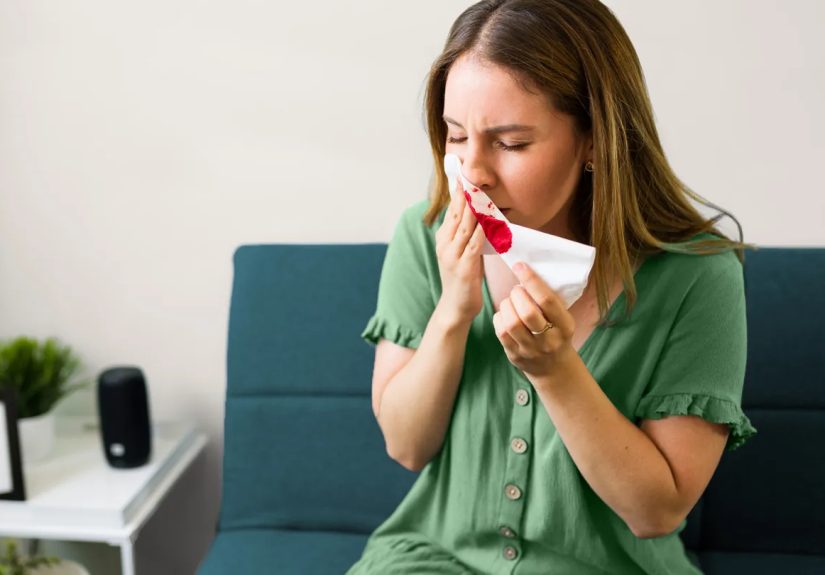
If you’ve ever been minding your own business and suddenly felt something warm trickling out of your nose, you’re not alone. Nosebleeds (the fancy medical term is epistaxis) are incredibly common. They can look dramaticthere’s red everywhere, tissues piled up, maybe a little panicbut most of the time they’re more annoying than dangerous.
Still, when your nose starts bleeding for no obvious reason, it’s natural to wonder: What is going on in there? And more importantly, how do I make it stop fastand keep it from coming back? In this guide, we’ll walk through what actually causes nosebleeds, how to stop them safely, when to worry, and how to prevent repeat episodes. Think of it as your calm, slightly humorous, but medically grounded friend talking you through the mess.
What’s Really Happening During a Nosebleed?
The inside of your nose is lined with a thin, delicate tissue that’s packed with tiny blood vessels. Their job is to warm and humidify the air you breathe. The downside? Those vessels are fragile and can break pretty easily, leading to bleeding from one or both nostrils.
Most nosebleeds start in the front part of the nose, in an area called Little’s area or Kiesselbach’s plexusbasically a hotspot of tiny vessels just waiting for dry air, a good sneeze, or an over-enthusiastic finger to cause trouble. These are called anterior nosebleeds and they make up the vast majority of cases.
Less commonly, bleeding starts deeper in the nose (posterior nosebleeds). These are more likely in older adults, people with high blood pressure, or those on blood thinners, and they tend to bleed more heavily. Those are definitely “call a doctor or go to the ER” territory.
Common Causes of Nosebleeds
Often there isn’t just one causenosebleeds usually show up when a few risk factors line up at the same time. Here are the biggest culprits.
1. Dry Air and Seasonal Changes
Dry air is the MVP of nosebleed triggers. When the air is drythanks to winter heat, air conditioning, or living in a low-humidity climatethe lining of your nose can become cracked and fragile. That makes it easier for blood vessels to break with just a little irritation.
People often notice nosebleeds in the winter or when they wake up after sleeping in a heated room. If you’re waking up with a stuffy, crusty nose and random bleeds, dry air is a prime suspect.
2. Nose Picking and Rubbing
Let’s just say it: nose picking is one of the most common causes of nosebleedsespecially in kids, but adults aren’t exactly innocent. Scratching, rubbing, or aggressively “cleaning” your nose can scrape the delicate lining and pop those small vessels.
Even if you’re not digging around, frequent rubbing due to allergies or irritation can also cause tiny injuries over time.
3. Colds, Allergies, and Sinus Infections
Any condition that makes your nose inflamed or congestedlike a cold, flu, sinus infection, or hay fevercan raise your risk of bleeding. You blow your nose more, sneeze harder, and the tissues inside get irritated and swollen. That constant pressure and friction can rupture the blood vessels.
4. Trauma to the Nose
Getting hit in the nose (sports, a fall, an exuberant toddler’s head, you name it) is a classic cause of nosebleeds. Even relatively minor bumps can do it, because the blood vessels are so close to the surface. More serious traumalike a broken nose or head injuryneeds urgent medical care, especially if the bleeding is heavy or combined with other symptoms.
5. Medications That Affect Clotting
Some medicines make it harder for your blood to clot, which can turn a small bleed into a longer or heavier one. These include:
- Blood thinners like warfarin, apixaban, or rivaroxaban
- Aspirin and other NSAIDs taken regularly
- Some antiplatelet medications (like clopidogrel)
If you’re on these drugs, even mild irritation in the nose can bleed more than you’d expect. Always talk to your healthcare provider before changing or stopping any prescribed medication.
6. High Blood Pressure and Underlying Conditions
High blood pressure doesn’t necessarily cause nosebleeds on its own, but it can make them harder to stop and more impressive-looking. In some cases, frequent or severe nosebleeds can be linked to underlying problems like bleeding disorders, abnormal blood vessel growth, nasal polyps, or (rarely) tumors.
If your nosebleeds are frequent, happen on both sides, or come with other symptoms like easy bruising, fatigue, or weight loss, that’s a good reason to get checked out.
7. Irritants: Smoke, Chemicals, and Drugs
Inhaling cigarette smoke, harsh chemicals, or recreational drugs like cocaine can irritate and damage the nasal lining, leading to recurrent nosebleeds.
If you’re dealing with repeated nosebleeds and are exposed to smoke or irritants, reducing that exposure can make a big difference.
How to Stop a Nosebleed Safely
Okay, your nose is bleeding. What do you actually do in the moment? Here’s the step-by-step, evidence-based, no-nonsense approach recommended by major medical organizations.
Step 1: Stay Calm and Sit Up
Panic tends to make your heart race, which can increase bleeding. Sit upright in a chair or on the edge of the bed. Keeping your head above your heart helps reduce blood flow to the nose.
Step 2: Lean Forward (Don’t Tilt Your Head Back)
This part is important: lean slightly forward. Don’t tilt your head back. Letting blood flow backward into your throat can make you swallow it, which can lead to nausea, vomiting, or coughingnone of which help your situation. Leaning forward lets the blood come out of your nostrils where you can manage it.
Step 3: Pinch the Soft Part of Your Nose
Use your thumb and index finger to pinch the soft, fleshy part of your nosenot the hard bony bridge. Hold your nostrils firmly closed.
Here’s the tricky part: keep holding steady pressure for at least 10–15 minutes without letting go to “check.” Set a timer if you need to. Constant pressure is what allows a stable clot to form.
Step 4: Add a Decongestant Spray (Optional)
If you have an over-the-counter nasal decongestant spray that contains oxymetazoline or phenylephrine, you can spray it into the bleeding nostril before pinching. These medications constrict blood vessels and can help slow the bleeding.
Don’t overuse these sprays in daily life, thoughthey can cause rebound congestion if used for more than a few days in a row.
Step 5: Use Ice as a Bonus, Not the Main Event
Placing a cold pack or a bag of ice wrapped in a cloth over the bridge of your nose and cheeks may help constrict blood vessels from the outside, but it’s a supporting player. The real hero is still firm, steady pinching of the soft part of your nose.
What Not to Do During a Nosebleed
- Don’t tilt your head back. Swallowing blood is uncomfortable and can make you sick.
- Don’t stuff your nose with random objects like tissues, napkins, or tampons. These can irritate the lining more and may pull off the clot when removed.
- Don’t blow your nose right after the bleeding stops. You’ll likely dislodge the clot and start the nosebleed all over again.
- Don’t lie flat if you’re actively bleedingit increases the risk of swallowing blood.
When to See a Doctor About Nosebleeds
Most occasional nosebleeds can be handled at home. But sometimes they’re a sign that you need medical help. See a healthcare professional or seek urgent care if:
- The bleeding lasts longer than 20–30 minutes despite proper pressure.
- The blood loss seems heavy, or you’re feeling lightheaded, dizzy, or weak.
- It interferes with your breathing or you’re choking on blood.
- The nosebleed happens after a significant injury to your head or face.
- You get nosebleeds frequently (for example, several times a week or unexplained recurrent episodes).
- You’re on blood thinners, have a known bleeding disorder, or have conditions like liver disease or severe anemia.
- The nosebleed occurs in a very young child (especially under age 2).
A doctor can check for structural issues (like a deviated septum), abnormal tissue, chronic infections, or rare conditions such as hereditary hemorrhagic telangiectasia (HHT) that can cause frequent nosebleeds.
Important: This article is for general education only and isn’t a substitute for professional medical advice. If you’re worried about your symptoms, talk to a healthcare provider or seek emergency care.
How to Prevent Nosebleeds from Coming Back
If nosebleeds keep crashing your day, a few simple changes can reduce how often they happen.
1. Keep the Inside of Your Nose Moist
Moisture is your best friend when it comes to preventing nosebleeds.
- Run a humidifier in your bedroom, especially during winter or in air-conditioned environments.
- Use a saline nasal spray or gel several times a day to keep the lining hydrated.
- Some people benefit from a small amount of petroleum jelly or a water-based nasal ointment applied gently inside the nostrils with a cotton swab (never insert it far into the nose).
2. Be Gentle with Nose-Blowing and Cleaning
Blow your nose softly, one side at a time, and avoid forceful blasts. Try not to rub or pick your nose. If you absolutely must scratch an itch, gently dab with a tissue instead of using your fingernail.
3. Manage Allergies and Sinus Issues
If allergies or chronic sinus problems are keeping your nose irritated, work with your healthcare provider to manage them. That might include antihistamines, nasal steroid sprays, or other treatments. Controlling the underlying inflammation often reduces nosebleeds too.
4. Protect Your Nose During Sports or Risky Activities
Wear appropriate protective gear (like face masks or helmets) for contact sports or activities where facial injury is likely. Your future selfwith an intact, non-bleeding nosewill thank you.
5. Address Lifestyle Factors
If you smoke or are exposed to secondhand smoke or other irritants, reducing that exposure can help your nose heal and reduce bleeding. If you use recreational drugs that go up the nose, talk honestly with a healthcare professional about safer options and support to stop.
Real-Life Experiences with Nosebleeds: What People Learn
Beyond the medical facts, a lot of people develop their own “nosebleed wisdom” after dealing with a few episodes. While everyone’s story is different, some common themes show up again and again.
The “Random Midnight Nosebleed” Experience
Many people get their first memorable nosebleed in the middle of the night. You wake up feeling something wet, flip on the light, and suddenly it looks like a crime scene on your pillowcase. The good news is that this dramatic scene is very often caused by dry air, especially in heated bedrooms during winter.
People who’ve been there often say that adding a humidifier and saline spray at bedtime made a huge difference. Some learn to keep a “nosebleed kit” by the bed: tissues, a washcloth, maybe a small cold pack in the freezer and an old towel they don’t mind staining. That preparation alone can reduce panic if it happens again.
Parents and the Perpetual Kid Nosebleed
Parents of young kids sometimes feel like they’re always dealing with a bloody noseoften thanks to nose picking, allergies, or minor bumps. Over time, they become pros at the routine: sit the child up, lean them forward, pinch the soft part of the nose, start a timer, and distract them with a video or story.
Many parents also notice patterns. Maybe nosebleeds happen more after soccer practice in hot weather, or during allergy season, or when the child’s bedroom is especially dry. Using a cool-mist humidifier, trimming fingernails, teaching “no digging,” and applying a bit of saline gel before bed often leads to far fewer episodes.
The “I’m on Blood Thinners and My Nose Freaked Me Out” Story
People taking blood thinners sometimes have particularly unnerving nosebleedsthe amount of blood can look alarming. Many describe feeling anxious the first few times, then gradually getting more confident once a doctor has checked them out and given tailored instructions.
Common takeaways from their experiences include:
- Learning exactly how long to pinch and when to seek help.
- Keeping decongestant spray handy (if their doctor approves).
- Being extra careful with nasal dryness and irritants.
- Regularly following up with their healthcare team about any changes in bleeding patterns.
Outdoor Enthusiasts, Runners, and High-Altitude Nosebleeds
People who run, hike, or ski in dry or high-altitude environments often notice more frequent nosebleeds. The air is thinner and drier, and the nose lining dries out faster. Many of them become big fans of saline sprays, nasal gels, and hydration.
They might share tips like:
- Using saline spray before and after outdoor activities.
- Wearing a buff or mask over the nose and mouth in very cold or windy weather to trap moisture.
- Avoiding forceful nose-blowing right after intense exercise.
The Emotional Side: Embarrassment and Anxiety
Even when a nosebleed is medically minor, it can feel embarrassingespecially if it happens in public, at work, or on a first date. Some people worry that others will think they’re sick, using drugs, or not taking care of themselves.
Over time, most people find it helps to reframe nosebleeds as just another bodily quirklike hiccups or sneezes, just with a bit more cleanup. Knowing the proper first aid, having a plan, and understanding the common causes can dramatically reduce anxiety. If someone has frequent nosebleeds and starts feeling very anxious or obsessed about them, it can be helpful to talk to both a healthcare provider and, if needed, a mental health professional for reassurance and coping strategies.
The bottom line from real-life stories is this: once people understand why nosebleeds happen and how to handle them, the fear drops and the confidence grows. They learn that while nosebleeds are messy and inconvenient, they’re usually manageableand often preventablewith a few smart habits.
The Bottom Line
Nosebleeds may look dramatic, but most are harmless and stop with simple first aid: sit up, lean forward, pinch the soft part of your nose, and give it a solid 10–15 minutes of uninterrupted pressure. Dry air, nose picking, allergies, minor trauma, and certain medications are the usual suspectsand most of them can be addressed with practical changes like humidifying your home, keeping your nose moist, and treating underlying conditions.
If nosebleeds are frequent, heavy, or hard to stopor if you’re on blood thinners or have other health concernscheck in with a healthcare professional. With the right information, a little preparation, and a calm approach, you can turn nosebleeds from a scary surprise into a manageable inconvenience.