Table of Contents >> Show >> Hide
- First Things First: Which “Bird of Paradise” Do You Have?
- Tip #1: Light Is the Secret Sauce (Yes, Even Indoors)
- Tip #2: Water Like a Pro (Not Like a Panic Sprinkler)
- Tip #3: Soil and DrainageYour Plant’s “Insurance Policy”
- Tip #4: Choose the Right Pot (And Don’t Oversize It)
- Tip #5: Temperature and HumidityKeep It Comfortable
- Tip #6: Feed ItBut Don’t Overdo It
- Tip #7: Prune and Groom for Health (And for Looks)
- Tip #8: Blooming Tips (Because That’s Why We’re All Here)
- Tip #9: Pest and Disease Defense (Catch Problems Early)
- Tip #10: Outdoor Growing and Overwintering (If You Have Seasons)
- Quick Troubleshooting: What Your Plant Is Telling You
- Safety Note: Pets and People
- Easy Bird of Paradise Care Checklist
- Field Notes: 10 Real-Life Bird of Paradise Lessons (About )
- Conclusion
The bird of paradise plant is basically the houseplant equivalent of showing up to brunch in a velvet blazer:
dramatic, a little extra, and somehow still classy. The good news? Despite its “tropical diva” reputation,
Strelitzia is surprisingly forgiving once you dial in a few core basicslight, water, drainage, and patience.
(Yes, patience. This plant doesn’t do “overnight success.”)
This guide is built for real life: apartments, busy schedules, questionable window lighting, and the occasional
“Oops, I forgot to water for… a while.” You’ll learn how to grow bird of paradise plants with easeindoors or outdoors
plus how to troubleshoot the most common problems and encourage those iconic blooms.
First Things First: Which “Bird of Paradise” Do You Have?
“Bird of paradise” is a common name that gets tossed around like confetti. For this article, we’re talking about
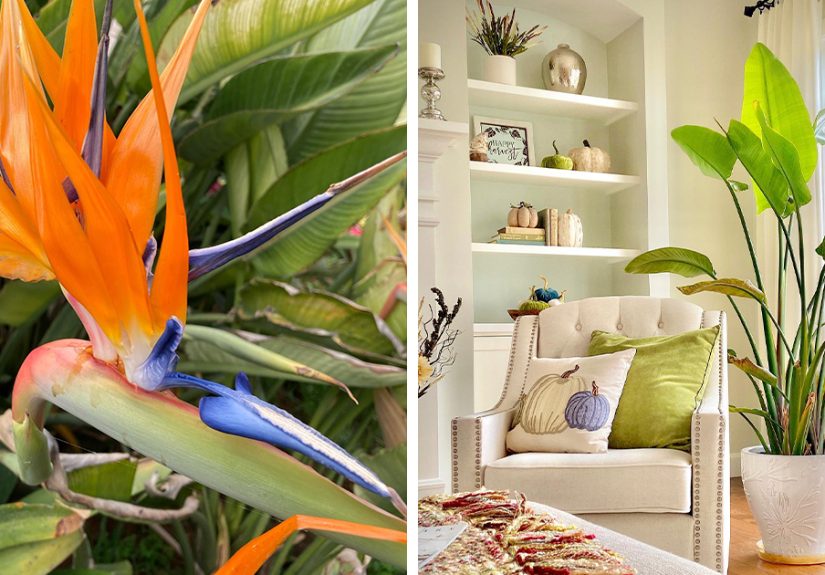
Strelitziathe famous plant with big, paddle-like leaves and flowers that look like a tropical bird’s head.
The two most common types you’ll see:
- Orange Bird of Paradise (Strelitzia reginae) smaller, more likely to bloom; the classic orange-and-blue flower.
- White Bird of Paradise (Strelitzia nicolai) larger, more “indoor palm tree vibes”; blooms are rarer indoors.
Quick heads-up: “Mexican bird of paradise” is usually a completely different plant (often Caesalpinia).
Pretty, but not the same care routineso make sure your plant tag says Strelitzia.
Tip #1: Light Is the Secret Sauce (Yes, Even Indoors)
If bird of paradise had a dating profile, it would say: “Seeking: bright light. Must love sunshine.”
Most problemsslow growth, leaf splits that look stressed, no bloomstrace back to not enough light.
Indoors: Aim for the Brightest Spot You Have
- Best setup: very bright light near a window with plenty of sun exposure.
- Good setup: bright, indirect light all day (especially if your direct sun is harsh).
- Reality check: “medium light” often means “slow plant, no flowers.”
Rotate the pot every week or two so it grows evenly instead of leaning toward the window like it’s trying to eavesdrop
on your neighbors.
Outdoors: Sun to Partial Shade (Depending on Heat)
Outdoors, bird of paradise typically thrives in sun to partial shade. In very hot climates, give it protection from
the most intense afternoon sun so leaves don’t scorch. Think of it as sunscreen, but for plants.
Tip #2: Water Like a Pro (Not Like a Panic Sprinkler)
Bird of paradise likes a steady rhythm: moist but not soggy. The goal is to avoid the two extremes:
bone-dry drought stress and swampy root rot.
The “Top-Inch Test”
Before watering, stick your finger into the soil. If the top inch (or two) feels dry, it’s time.
If it’s still damp, wait. This simple habit prevents the most common houseplant tragedy: overwatering.
How to Water Correctly
- Water slowly until you see water drain from the bottom.
- Empty the saucerdon’t let roots sit in leftover water.
- Water less in cooler, darker months; more during active growth.
Pro tip: If your pot is huge and you’re tempted to “just splash a little,” don’t. Partial watering creates dry pockets
and encourages weak roots. Commit to a thorough soak.
Tip #3: Soil and DrainageYour Plant’s “Insurance Policy”
Bird of paradise can tolerate a range of soils, but it performs best with rich, well-draining mix. Indoors, the
biggest win is making sure water can move through the pot fast enough to keep roots oxygenated.
A Simple Indoor Mix (No Chemistry Degree Required)
- Base: quality potting mix
- Drainage booster: perlite or pumice
- Optional upgrade: a bit of bark (orchid bark works) for airflow
Your pot should have drainage holes. If it doesn’t, you’ve basically bought your plant a very stylish swimming pool.
And it didn’t ask for one.
Tip #4: Choose the Right Pot (And Don’t Oversize It)
Bird of paradise often grows well slightly snug in its pot. A pot that’s too large holds extra wet soil around roots
for too longhello, root rot.
Repotting Rule of Thumb
- Go up one pot size at a time (usually 2–4 inches wider).
- Repot in spring or early summer when the plant is actively growing.
- If you want blooms, avoid repotting constantlysome plants flower better when slightly root-bound.
If your plant is top-heavy, use a heavier pot material (like ceramic) so it doesn’t tip over dramatically
like it’s auditioning for a soap opera.
Tip #5: Temperature and HumidityKeep It Comfortable
Bird of paradise likes warmth. Indoors, normal household temps are usually fine. The biggest issue is cold drafts
and sudden temperature drops (think: next to an exterior door in winter).
Humidity Tips That Actually Work
- Group plants together to create a mini humidity zone.
- Use a humidifier if your home air is very dry.
- Wipe leaves occasionallydust blocks light, and light is the whole point.
Misting can feel satisfying, but it’s usually a short-lived humidity bump. If your plant’s leaf edges brown from
dry air, you’ll get better results with consistent humidity (or at least not blasting it with heater air).
Tip #6: Feed ItBut Don’t Overdo It
Bird of paradise responds well to regular feeding during the growing season. But more fertilizer does not mean
more flowers. Overfeeding can lead to lush leaves and no bloomslike giving your plant a gym membership and only
training biceps.
Easy Fertilizing Schedule
- Spring–Summer: feed regularly (follow product label; many gardeners use biweekly or monthly routines).
- Fall–Winter: reduce or pause feeding if growth slows.
- Slow-release option: great for low-maintenance plant parents.
Always water the plant before applying fertilizer (or use diluted liquid fertilizer). Feeding a thirsty plant can
stress roots.
Tip #7: Prune and Groom for Health (And for Looks)
Bird of paradise doesn’t need fancy pruning, but it appreciates a little housekeeping:
- Remove yellow or damaged leaves by cutting near the base with clean scissors.
- Trim tattered leaf edges if aesthetics matter to you (the plant won’t mind).
- Wipe leaves so they can photosynthesize like the overachievers they are.
Leaf splitting is commonespecially with big leaves and strong light. Outdoors, wind can cause natural splits too.
It’s not always a problem; sometimes it’s just physics.
Tip #8: Blooming Tips (Because That’s Why We’re All Here)
Let’s be honest: everyone wants the flower. But blooms can take timeespecially indoors.
Here’s how to stack the deck in your favor.
What Encourages Blooms
- High light: the biggest factor. Mature plants often fail to bloom in low light.
- Maturity: younger plants focus on leaves and roots first.
- Stable routine: consistent watering and feeding during growth season.
- Not too much repotting: constant disturbance can delay flowering.
Realistic Indoor Bloom Expectations
Strelitzia reginae is more likely to bloom indoors than nicolai, but it may still take years.
If you want quicker blooms, outdoor growing in a warm climate often delivers faster results.
Tip #9: Pest and Disease Defense (Catch Problems Early)
Bird of paradise is fairly tough, but it can attract common houseplant pestsespecially if it’s stressed.
The usual suspects include scale, mealybugs, and spider mites.
Signs You’ve Got Pests
- Sticky residue on leaves or nearby surfaces (often from scale or mealybugs).
- White cottony clumps in leaf joints (mealybugs).
- Fine webbing and speckled leaves (spider mites).
- Brown bumps that scrape off (scale insects).
Simple Treatment Plan
- Isolate the plant (pests love roommates).
- Wipe pests off with a damp cloth or cotton swab.
- Use insecticidal soap or horticultural oil as directed.
- Repeat weekly for a few rounds (pests don’t surrender on the first ask).
Root Rot: The Big One
Root rot is usually caused by waterlogged soil. Symptoms include persistent drooping, yellowing leaves, and a sour
smell from the pot. The fix is not “water less once.” It’s better drainage, better pot, and better watering habits.
If it’s severe, you may need to trim damaged roots and repot into fresh, airy soil.
Tip #10: Outdoor Growing and Overwintering (If You Have Seasons)
In warm regions, bird of paradise can be grown outdoors year-round and becomes a show-stopping landscape plant.
In colder climates, many people move potted plants outdoors for summer and bring them inside before chilly weather.
Transitioning Outdoors Without Sunburn
Indoor leaves are not instantly ready for full outdoor sun. Acclimate your plant:
start with bright shade, then gradually increase sun exposure over 1–2 weeks. This prevents scorched, crispy leaf patches.
Bringing It Back Inside
- Inspect and rinse the plant to reduce hitchhiking pests.
- Place it in your brightest indoor location.
- Water less as growth slows with lower light.
Quick Troubleshooting: What Your Plant Is Telling You
- Leaves curling: often underwatering, low humidity, or heat stress.
- Yellow leaves: could be overwatering, low light, or natural aging of older leaves.
- Brown edges: dry air, inconsistent watering, or mineral-heavy water buildup.
- No growth: not enough light, too cold, or roots are stressed.
- No blooms: usually insufficient light or plant not mature yet.
Safety Note: Pets and People
Bird of paradise (Strelitzia reginae) is considered toxic to pets if eatentypically causing gastrointestinal upset.
If your dog or cat is a known plant snacker, keep the plant out of reach or choose a pet-safe alternative.
When in doubt, contact your veterinarian for guidance.
Easy Bird of Paradise Care Checklist
- Light: as bright as possible indoors; sun to partial shade outdoors.
- Water: when the top inch or two of soil dries; soak thoroughly, then drain.
- Soil: rich but well-draining; don’t let it sit soggy.
- Feeding: regular during spring/summer; slow down in fall/winter.
- Grooming: wipe leaves, remove damaged foliage.
- Blooming: maximize light, minimize disruption, be patient.
Field Notes: 10 Real-Life Bird of Paradise Lessons (About )
1) The “it’s fine over there” corner is where bird of paradise dreams go to nap forever. I’ve seen people tuck a
gorgeous Strelitzia into a stylish, medium-light spot and then wonder why it’s not growing. The plant isn’t
offendedit’s just running on low power mode. When it finally gets real light, the change is obvious: sturdier leaves,
faster unfurling, and a general “I’m back, baby” vibe.
2) Watering isn’t about schedules; it’s about conditions. One week in July might need two waterings; a gloomy winter
week might need none. The “top-inch test” saves you from guessing and from panic-watering. If you only steal one habit
from this article, steal that one.
3) The pot matters more than people think. A bird of paradise in a pot without drainage holes is basically wearing
wet socks all day. You might not notice immediatelybut eventually, it’s going to complain. Switching to a draining
pot is often the fastest “mystery problem” fix.
4) Leaf splitting is not always a crisis. Many owners see splits and assume disease. Often it’s just big leaves doing
big leaf thingsespecially with stronger light, movement, or outdoor breezes. If the plant is otherwise healthy,
don’t spiral.
5) Cleaning leaves feels silly until you do it. Dust is like putting sunglasses on your plant. Wipe leaves and the
plant can actually use the light you worked so hard to provide.
6) Fertilizer is like espresso: helpful in the right amount, chaos in the wrong amount. The people who “feed it extra
for blooms” often get monster leaves and zero flowers. Consistent, moderate feeding during growth season wins.
7) The slowest plants often have the healthiest roots. I’ve seen bird of paradise plants “pause” after repotting,
then explode with new growth once roots settle. The plant is not ghosting you; it’s renovating.
8) Outdoor vacations can be magicif you acclimate. Many plant parents move their bird of paradise outside and
accidentally sunburn it like a tourist who forgot sunscreen on day one. Ease it into brighter conditions over a week
or two and you’ll get the growth boost without the crispy regrets.
9) Pests love stressed plants. Scale and mites don’t always show up because your home is “dirty.” They show up
because the plant is struggling (often with light or watering) and can’t defend itself as well. Fix the care first,
then treat the pestsotherwise you’re mopping the floor while the sink is still overflowing.
10) Blooming is a long game, especially indoors. When someone says, “I’ve had it for six months and no flowers,”
that’s not a plant failure. That’s a timeline mismatch. Give it high light, steady care, and time. If it blooms,
you’ll feel like you won a tiny tropical trophy in your living room.
Conclusion
Growing bird of paradise plants with ease comes down to a few repeatable wins: bright light,
smart watering, excellent drainage, and steady care. Once those are
in place, the plant becomes far less “mysterious” and far more enjoyablewhether you’re raising it as an indoor
statement piece or letting it thrive outdoors in warm weather. Treat it like a sunny, tropical perennial (not a
shade-loving fern), and it will reward you with bold leaves, strong growth, andif conditions and time alignthose
unforgettable flowers.