Table of Contents >> Show >> Hide
- What Is a Hand Painted Knot – Medium?
- Why Hand Painted Decor Feels Different
- Best Places to Display a Hand Painted Knot – Medium
- Design Styles That Pair Well With a Hand Painted Knot
- How to Choose the Right Color
- How to Style It Without Creating Clutter
- Care Tips for a Hand Painted Knot
- Why It Makes a Thoughtful Gift
- Buying Tips: What to Look For
- Experience Notes: Living With a Hand Painted Knot – Medium
- Conclusion
Some home accents enter a room quietly. Others stroll in wearing a tiny sailor hat, carrying a paintbrush, and somehow make your bookshelf look ten times more interesting. The Hand Painted Knot – Medium belongs to the second group. It is small, sculptural, colorful, and just unusual enough to make people pause and ask, “Wait, what is that?” That is the sweet spot for decorative objects: not loud, not boring, and definitely not another anonymous beige vase pretending to have a personality.
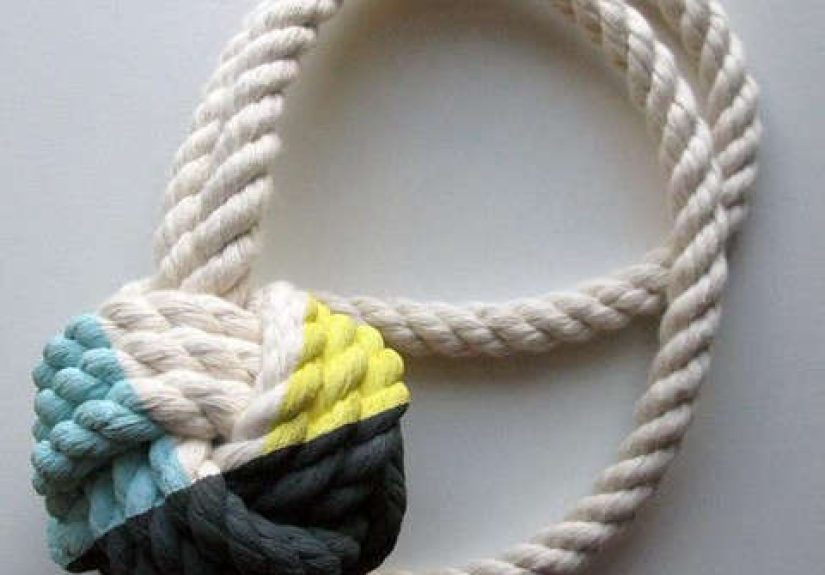
At its heart, a hand painted knot is a decorative nautical knot transformed into a piece of art. The medium version is especially easy to style because it has enough presence to stand alone, but it is compact enough for shelves, trays, side tables, gallery walls, and those tricky little corners that always look unfinished. It brings together rope texture, maritime history, artisan color, and modern home styling in one cheerful twist. Think coastal charm without turning your living room into a seafood restaurant lobby.
This guide explores what makes the Hand Painted Knot – Medium special, how to decorate with it, where it works best, what styles it complements, and how to care for it. We will also look at practical styling ideas, gifting potential, color pairing, and real-life experience with this kind of handmade decorative object.
What Is a Hand Painted Knot – Medium?
A Hand Painted Knot – Medium is a decorative rope knot that has been painted by hand, often in playful color blocks, stripes, dots, or custom palettes. The version associated with artist Cassandra Smith was described as a hand painted nautical knot, with each piece being unique. The medium size was listed at roughly 3 to 3.5 inches, with a hanging loop that could vary in length, making it suitable for both wall display and shelf styling.
The form is commonly inspired by a monkey’s fist knot, a traditional maritime knot with a rounded, sculptural shape. Historically, knots were practical tools for sailors, but they also became decorative craftwork. That mix of utility and artistry is exactly what gives the Hand Painted Knot its charm. It looks like something with a story, not something that was born in a warehouse under fluorescent lighting and existential dread.
Why the Medium Size Works So Well
Medium decorative objects are the unsung heroes of styling. A large piece can dominate a small shelf. A tiny piece can disappear unless you give it a spotlight and possibly a motivational speech. The medium hand painted knot lands right in the middle. It can be displayed alone, grouped with books, placed in a tray, hung from a hook, or used as a cheerful accent on a peg rail.
The size also makes it flexible across rooms. In an entryway, it adds personality without blocking keys or mail. In a living room, it can soften polished surfaces. In a nursery or children’s room, it can add color and handmade character when placed safely out of reach. In a beach house, it nods to nautical design. In a city apartment, it says, “I enjoy coastal style, but I do not own seven decorative anchors.”
Why Hand Painted Decor Feels Different
Hand painted home decor has a warmth that mass-produced accessories often struggle to imitate. A painted knot may have slight variations in color placement, brush texture, pattern, and finish. These small differences are not flaws; they are the fingerprints of the process. They remind you that a person made the object, chose the colors, and probably had at least one moment of “Do these dots need more dots?” during the painting stage.
In modern interiors, handmade pieces are increasingly valued because they prevent rooms from looking too flat or showroom-perfect. A hand painted knot brings three layers of interest at once: texture from the rope, shape from the knot, and color from the painted surface. It is small, but it works hardlike a decorative intern with excellent taste.
The Appeal of the Nautical Knot
Nautical decor can go wrong quickly when used too heavily. One lighthouse is charming. Twelve lighthouses, three ship wheels, and a sign that says “Beach This Way” can make a room feel like it is applying for a job at a boardwalk gift shop. The Hand Painted Knot – Medium is more subtle. It borrows the best part of nautical designthe texture, craftsmanship, and sea-inspired historywithout overwhelming the space.
The knot shape also symbolizes connection, strength, continuity, and craft. Whether displayed in a coastal home, a modern apartment, or a relaxed farmhouse interior, it adds a sense of intention. It is not merely “stuff on a shelf.” It is a small art object with shape, movement, and meaning.
Best Places to Display a Hand Painted Knot – Medium
One of the best things about a medium hand painted knot is that it does not demand a complicated styling plan. You do not need a degree in interior design, a measuring laser, or a dramatic playlist. You just need a surface, a little negative space, and a willingness to move it around until it looks right.
1. On a Coffee Table Tray
Coffee tables benefit from objects that are attractive but not too precious. Place the Hand Painted Knot – Medium on a tray with a small stack of books, a candle, and a little bowl. The tray keeps everything visually organized, while the knot adds color and texture. If the room has a neutral palette, a painted knot can act as the “tiny exclamation point” that wakes everything up.
Try pairing a blue, white, or yellow painted knot with coastal books, a woven tray, and a clear glass vase. For a bolder room, choose a knot with contrasting colors and let it echo a pillow, artwork, or rug in the same space.
2. On Open Shelving
Open shelves need a balance of books, vertical pieces, horizontal stacks, and sculptural accents. A hand painted knot works beautifully because it has a rounded, organic shape. Place it on top of two stacked books, beside a small framed photo, or near a ceramic vase. The curve of the knot breaks up the straight lines of books and shelves.
A helpful styling trick is the rule of three: group three items with different heights, shapes, or textures. For example, pair the knot with a small vase and a framed print. The three objects create balance without looking stiff. The goal is not perfection. The goal is “effortlessly styled,” even if you secretly moved everything 19 times.
3. Hung on a Wall Hook or Peg Rail
Because many hand painted knots include a loop, they can be hung from a hook, peg rail, cabinet knob, or wall-mounted rack. This is a great option for entryways, mudrooms, bathrooms, and children’s rooms. The hanging loop adds movement, while the knot becomes a small wall object rather than a tabletop accessory.
Hang one knot alone for a minimalist look, or display several in a row for a playful art installation. Multiple knots in different colors can feel like a tiny gallery wall, except easier to hang and less likely to involve arguing with a level.
4. As a Curtain Tieback
One creative use for a decorative knot is as a curtain tieback. A painted knot with a longer loop can add color to simple curtains, especially linen, cotton, or light canvas panels. This works particularly well in coastal, cottage, and casual interiors.
For the cleanest look, use the knot as an accent rather than a heavy functional tool. It should complement the curtain, not wrestle it into submission. Soft neutral curtains with a bright painted knot can create a charming contrast.
5. On a Console Table
A console table is often the first surface people see when they enter a home. A hand painted knot can make that space feel collected and personal. Style it with a lamp, a shallow dish for keys, and a piece of art leaning against the wall. The knot adds a small handmade detail that keeps the arrangement from feeling too predictable.
Design Styles That Pair Well With a Hand Painted Knot
The Hand Painted Knot – Medium is more versatile than its nautical roots might suggest. It does not need to live only in a beach house, though it would certainly not complain about ocean views and better lighting. Here are the styles where it shines.
Coastal Modern
In coastal modern interiors, the knot feels completely at home. Pair it with white walls, pale woods, linen fabrics, woven baskets, and glass accents. Choose colors inspired by water, sand, sky, or coral. The result is fresh and relaxed without becoming overly themed.
Organic Modern
Organic modern spaces rely on natural textures, soft curves, and thoughtful objects. A rope knot fits this mood beautifully. When hand painted in muted shadessage, cream, clay, charcoal, or soft blueit can blend into a calm palette while still adding visual interest.
Eclectic and Artistic
If your home already includes collected art, vintage finds, colorful textiles, and objects with stories, a hand painted knot will fit right in. Choose a brighter pattern or a custom color combination. Display it near small paintings, handmade pottery, or travel souvenirs for a layered, personal look.
Farmhouse and Cottage
Farmhouse and cottage interiors often use wood, textiles, handmade objects, and nostalgic details. The knot’s rope texture works well with these materials. A painted finish keeps it from looking too rustic, while the rounded form adds softness to shelves and tabletops.
How to Choose the Right Color
Color is where the Hand Painted Knot – Medium becomes especially fun. The shape may come from nautical tradition, but the paint gives it personality. Before choosing a color, look around the room where it will live. What colors already appear in pillows, artwork, rugs, books, or ceramics?
For a calm room, choose a knot that repeats one or two existing colors. For example, a navy and cream knot can tie together blue cushions and white walls. In a neutral room, a yellow, coral, or aqua knot can add a cheerful pop. In a colorful room, choose a knot with at least one color that already appears nearby so it feels intentional.
Subtle Palette Ideas
Soft blue, ivory, beige, pale gray, sage green, and dusty terracotta all work well for understated interiors. These colors add detail without shouting. They are ideal for bedrooms, reading nooks, bathrooms, and quiet living rooms.
Bold Palette Ideas
Coral, mustard, cobalt, emerald, black-and-white, or metallic accents can make the knot more of a statement piece. Use bold colors when the knot will be displayed in a prominent spot, such as a coffee table or entry console.
How to Style It Without Creating Clutter
The secret to styling decorative objects is restraint. A hand painted knot should feel like a special accent, not one more tiny thing fighting for oxygen on an overcrowded shelf. Give it space. Let the shape breathe. Decorative objects look more expensive when they are not packed together like commuters on a Monday morning train.
Use height variation. Place the knot on a stack of books or beside a taller vase. Mix materials. Rope looks great next to ceramic, wood, glass, brass, linen, and stone. Repeat color. If the knot includes blue, echo that blue somewhere else in the room. Keep function in mind. If it is on a coffee table, leave room for a mug, remote, or actual human living.
Care Tips for a Hand Painted Knot
A hand painted knot is decorative, so it should be treated gently. Keep it indoors unless the maker specifically says it can be used outside. Avoid soaking it in water, placing it near heavy moisture, or scrubbing it with harsh cleaners. Dust it with a soft cloth or a clean, dry brush. If needed, use a lightly damp cloth and dry it right away.
Because hand painted finishes can vary, avoid direct, intense sunlight for long periods. Sun exposure may fade some colors over time. If the knot has metallic paint or delicate pattern work, handle it by the rope body rather than rubbing the painted areas repeatedly.
This type of object is meant for decoration, not for climbing, throwing, pet play, or outdoor utility. It may look sturdy, but its purpose is visual charm. In other words, let it be art. It has retired from sailor life and is now focusing on shelf wellness.
Why It Makes a Thoughtful Gift
The Hand Painted Knot – Medium makes a memorable gift because it is personal without being too specific. It works for housewarmings, birthdays, coastal weddings, hostess gifts, nursery decor, office styling, and anyone who likes handmade objects. The knot shape can suggest connection, love, friendship, or a new beginning, which gives the gift more meaning than a generic candle bought in a mild panic.
It is especially good for people who enjoy small art pieces but may not have room for large artwork. A medium knot can go on a shelf, hang from a hook, sit on a desk, or decorate a tray. If you know the recipient’s favorite colors, a hand painted knot can feel custom and thoughtful.
Buying Tips: What to Look For
When shopping for a hand painted knot, look closely at size, materials, loop length, color, and finish. Medium knots often sit around three inches in diameter, but handmade items can vary. If you want to hang it, confirm the loop length. If you want it for a shelf, check whether it has enough weight to sit securely.
Also consider the paint style. Some knots are color-blocked, some are patterned with dots or stripes, and some use coastal color palettes. Handmade pieces may show natural variation, which is part of the appeal. If you want a perfectly identical pair, ask the maker before purchasing. Handmade does not mean “factory clone with feelings.”
Experience Notes: Living With a Hand Painted Knot – Medium
The first thing you notice about a Hand Painted Knot – Medium is that it solves a very specific decorating problem: the “almost finished” spot. Every home has one. It might be the shelf that looks too empty, the tray that needs one more shape, the console table that feels a little flat, or the wall hook that is technically functional but visually boring. A medium painted knot steps into that space with surprising confidence.
In real use, the object feels more flexible than expected. On a coffee table, it acts like a small sculpture. It gives the eye something rounded and tactile to enjoy among books, candles, and trays. On a bookshelf, it breaks up the stiffness of vertical book spines. Hung on a hook, it becomes a mini wall accent. Even when placed on a desk, it adds a pleasant handmade quality that can make a workspace feel less like a place where emails go to multiply.
One of the best experiences with this type of decor is how easily it changes mood depending on where you put it. Near shells, linen, and pale wood, it reads coastal. Beside black ceramics and abstract art, it feels more modern. With vintage books and a brass lamp, it becomes quirky and collected. That adaptability matters because small decor should earn its keep. If a piece only works in one exact spot, it becomes needy. The Hand Painted Knot – Medium is not needy. It is cooperative, which is more than we can say for some chairs.
Another experience worth mentioning is its conversation value. Guests may not comment on every vase or picture frame, but a painted knot has enough novelty to invite curiosity. People ask if it is handmade, whether it is nautical, where it came from, and whether it has meaning. That is a good sign. A home should include a few objects that start small conversations. Not every decorative piece needs a dramatic backstory, but it helps when an object feels like it could have one.
The medium size is also practical. It is big enough to see from across a room but small enough to move seasonally. In spring, it can sit near flowers or pastel books. In summer, it can lean fully into coastal styling. In fall, a warm-toned knot can pair with wood, amber glass, and woven textures. During the holidays, a red, green, gold, or navy version could hang from a peg rail, cabinet pull, or decorative branch. It is not locked into one season, which makes it more useful than many novelty accents.
Care is refreshingly simple. Dust it gently, keep it dry, and avoid treating it like outdoor gear. If it is displayed in a busy household, choose a safe location where it will not be knocked off by backpacks, pets, or enthusiastic elbows. On a tray, it feels protected and intentional. On a high shelf, it becomes a bright little detail. In a nursery or child’s room, it should be decorative and placed out of reach, especially if it includes a hanging loop.
The biggest lesson from styling a Hand Painted Knot – Medium is that small objects can have real design impact when they combine texture, color, and story. It is not just another accessory. It is a handmade accent with a sculptural silhouette, maritime roots, and a cheerful painted finish. That combination gives it staying power. Trends may change, but a well-made, personal, colorful object usually finds a way to remain useful.
Conclusion
The Hand Painted Knot – Medium is a compact decorative piece with more personality than its size suggests. It blends nautical heritage, handmade charm, sculptural form, and color in a way that feels fresh rather than themed. Whether displayed on a shelf, coffee table, wall hook, console, or tray, it adds texture and interest without overwhelming the room.
For anyone who loves coastal decor, artisan accessories, colorful home accents, or small objects with a story, this painted knot is a smart choice. It is easy to style, easy to gift, and easy to move from room to room. Best of all, it proves that a tiny twist of rope can do a surprisingly big jobespecially when someone has had the good sense to paint it beautifully.