Table of Contents >> Show >> Hide
- What Makes a Hand Carved Wooden Measuring Spoon Special?
- Accuracy: Can a Wooden Spoon Really Measure?
- Design Details That Actually Matter in Daily Cooking
- Choosing the Right Wood: Beauty, Durability, and Food Contact
- Food Safety: Is Wood Hygienic?
- Finishes: What Protects a Wooden Measuring Spoon?
- How to Care for a Hand Carved Wooden Measuring Spoon
- Shopping Tips: How to Choose a Great One
- Using It Like a Pro
- DIY Corner: If You Want to Make One Yourself
- FAQ
- Conclusion: A Small Tool That Makes Cooking Feel Bigger
- Real-World Experiences: Living With a Hand Carved Wooden Measuring Spoon (About )
There are two kinds of measuring spoons in this world: the ones you lose in the back of a drawer, and the ones you
know where they are at all times. A hand carved wooden measuring spoon tends to be the second kindpartly because it’s
beautiful, partly because it feels good in your hand, and partly because you’re a responsible adult who no longer
owns seven mismatched teaspoon-looking objects that may or may not be “about a teaspoon.”
This article is for anyone who’s ever thought, “Why not make the most boring tool in my kitchen… delightful?”
We’ll talk craft, accuracy, wood choices, finishes, care, and how to shop smartwithout turning your spice drawer
into a museum where no one is allowed to touch anything.
What Makes a Hand Carved Wooden Measuring Spoon Special?
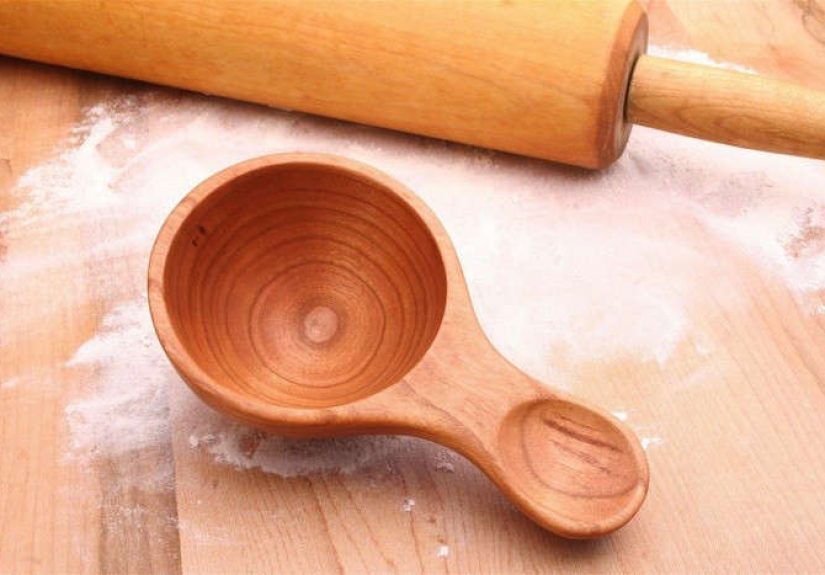
A hand carved wooden measuring spoon is exactly what it sounds like: a measuring spoon (teaspoon, tablespoon, or a full set)
shaped by a maker using carving tools, careful sanding, and a food-safe finish. Unlike mass-produced metal sets,
each spoon has tiny personality quirksgrain patterns, subtle curves, a thumb rest that feels oddly “meant for you.”
The magic is in the combination of function and handmade character.
A good maker isn’t just sculpting a pretty scoop; they’re aiming for a consistent volume, comfortable balance,
and a bowl shape that actually works in real kitchens (yes, including the narrow spice jars that eat normal spoons for sport).
Wood vs. Metal vs. Plastic: The Short Version
- Wood: Warm feel, gentle on containers, visually gorgeous, needs a little care.
- Metal: Tough, dishwasher-friendly, often the most standardized for precise baking.
- Plastic: Light and cheap, but can stain/warp over time and doesn’t age as gracefully.
Accuracy: Can a Wooden Spoon Really Measure?
Yesif it’s made and calibrated well. And here’s the honest truth: plenty of commercial measuring spoons
(even metal ones) aren’t perfectly accurate either. So if your goal is consistent results, your best friend is not the
materialit’s the standard and the maker’s process.
The Standards (So Your “Tablespoon” Doesn’t Become a Vibe)
In U.S. recipes, the classic conversions still rule the land:
3 teaspoons = 1 tablespoon. A U.S. tablespoon is about 14.79 mL, and a U.S. teaspoon is about
4.93 mL. For nutrition labeling, you’ll often see rounding (like 15 mL) because labels live in a world of
“good enough,” while baking sometimes does not.
When Precision Matters Most
If you bake a lotespecially breads and pastriesprecision is basically the whole plot. A small measurement error in salt,
baking powder, baking soda, yeast, or spices can swing flavor and texture fast. For that reason, many serious bakers keep a
highly consistent measuring spoon set (and often a scale for bigger amounts), then use the wooden spoon for the fun stuff:
spices, coffee, loose tea, finishing salt, and the “I’m cooking without fear” moments.
How Makers Calibrate a Hand Carved Measuring Spoon
Skilled makers don’t just eyeball it and hope your cookies turn out. Common calibration methods include:
-
Water measurement: Filling the spoon to a level line and checking volume in milliliters using a precise syringe
or graduated cylinder. -
Mass-based checks: Weighing water (because 1 mL of water is approximately 1 gram at room temperature),
then tuning the bowl depth. - Reference spoons: Comparing to a known accurate standard spoon and adjusting the interior slowly.
The best makers will also design the bowl to be easy to level (flat rim, clean edge) because “accurate”
isn’t only about volumeit’s also about how reliably humans can fill it the same way twice.
Design Details That Actually Matter in Daily Cooking
1) Bowl Shape: Spice-Jar Friendly Wins Hearts
Ever tried to scoop cinnamon from a narrow jar with a rounded spoon and ended up decorating your counter like it’s a
holiday craft project? Rectangular or oval bowls with slimmer profiles can be wildly practical. Some modern measuring spoons
are famous for fitting spice jars; a thoughtful wooden version can do the samewithout the clanky metal-on-glass soundtrack.
2) Handle Comfort: The “Thumb Rest” Effect
A carved handle can have subtle facets that guide your gripespecially useful when you’re measuring sticky honey,
scooping cocoa, or doing the world’s smallest arm workout trying to pack brown sugar into a spoon.
3) Markings: Burned, Carved, or Engraved?
Makers label spoons in a few ways:
- Burned markings (pyrography): rustic, legible, can fade with heavy scrubbing.
- Carved markings: tactile and durable, sometimes more subtle visually.
- Inlaid or engraved inserts: sharp visibility, more complex to produce.
Tip: if markings are faint, the spoon becomes “that cute scoop” rather than “the 1/2 teaspoon.” Unless you enjoy culinary roulette,
choose readability.
Choosing the Right Wood: Beauty, Durability, and Food Contact
Not all wood behaves the same. For utensils and measuring spoons, makers often prefer hardwoodsthey’re dense,
durable, and less prone to deep gouging.
Popular Hardwood Choices
- Maple: tight grain, classic kitchen-wood look, sturdy and clean-feeling.
- Cherry: warm tone that deepens with age; a favorite for heirloom vibes.
- Walnut: darker, dramatic grain; feels premium and “grown-up.”
- Birch: smooth carving, light color, often used for utensils.
- Fruitwoods (like apple): gorgeous and dense, sometimes harder to carve, often prized.
Many makers avoid resin-heavy softwoods for spoons intended for food contact, and they pay attention to grain orientation so the bowl stays strong.
A well-chosen blank plus good drying practices is how you get a spoon that lasts, not one that turns into “rustic driftwood aesthetic” after three washes.
Food Safety: Is Wood Hygienic?
Wood has a long track record in kitchens, and research on wood surfaces suggests the story is more nuanced than
“plastic is always safer.” Many experts emphasize that cleaning practices and condition of the surface
matter. A smooth, well-maintained wooden utensil that’s washed properly and dried thoroughly can be a very reasonable choice for everyday use.
The Big Rule: Don’t Let It Stay Wet
Wood and long soaks are not friends. Prolonged moisture and high heat can cause warping, cracking, or raised grain.
And once wood cracks, it becomes harder to clean thoroughly. Translation: your spoon wants a quick wash, a good dry, and a life free of dishwasher chaos.
Finishes: What Protects a Wooden Measuring Spoon?
A finish is what keeps your spoon from drying out, absorbing odors, and looking tired. For measuring spoons, you want something that’s:
food-safe, stable, and easy to refresh.
Common Food-Safe Finish Approaches
- Food-grade mineral oil: popular, affordable, doesn’t go rancid; needs reapplication because it doesn’t “cure” into a hard film.
- Mineral oil + beeswax: the wax adds a little water resistance and a soft sheenlike lip balm for your spoon, but less minty.
- Drying oils (carefully chosen): some makers use fully cured drying oils for a more durable finish, but curing time and correct product selection matter.
The key is avoiding oils that can become sticky or rancid over time. If you’ve ever opened a drawer and smelled “old salad dressing,”
you already understand the assignment.
How to Care for a Hand Carved Wooden Measuring Spoon
Daily Care
- Hand wash with mild dish soap and warm water.
- Don’t soak. Wash, rinse, move on.
- Dry promptly with a towel, then let it air dry fully.
- Avoid dishwashers unless you enjoy the thrill of wood warping.
Monthly (or “Whenever It Looks Thirsty”) Care
- Rub on a thin layer of food-safe oil (or oil-wax blend).
- Let it sit for a few hours or overnight.
- Wipe off excess so it doesn’t feel greasy.
Removing Odors and Stains
For lingering smells (garlic, curry, the ghost of onion past), gentle abrasion helps: coarse salt plus a lemon wedge is a classic combo.
For deep cleaning, some people use diluted vinegar solutions. The gentler your approach, the longer the spoon stays smooth.
Shopping Tips: How to Choose a Great One
Ask These Questions (Even If You Feel Fancy Doing It)
- Is it calibrated to standard teaspoon/tablespoon volumes, or is it “rustic approximate”?
- What finish is used, and how should it be maintained?
- What wood species is it made from?
- Are measurements clearly labeled and durable?
- What’s the intended use: display, coffee/spice scooping, or precision baking?
Set vs. Single Spoon
A full set looks great and feels complete. But a single hand carved wooden tablespoon (or teaspoon) can be a perfect “gateway spoon.”
Start with the size you use mostoften 1 tablespoon for coffee, spices, and cookingand add others later if you fall in love.
(Warning: you probably will.)
Using It Like a Pro
Leveling: The Unsexy Skill That Saves Recipes
For dry ingredients like baking soda, salt, or spices, fill the spoon and level it with a straight edge (a butter knife works).
For sticky stuff (honey, syrup), a light oil on the spoon can help it release more easilyjust don’t turn it into an oil slick.
When to Reach for a Scale Instead
If you’re chasing consistency in baking, use weight for flour, sugar, and anything that compacts weirdly.
Keep the wooden measuring spoon for the small-volume heroes where spoons shine: yeast, salt, vanilla, spices.
DIY Corner: If You Want to Make One Yourself
If you’re tempted to carve your own wooden measuring spoon, you’re in good company. Makers often start with green wood because it carves more easily,
then let it dry carefully to reduce cracking. The “secret sauce” is patience: carve, refine, dry, sand, calibrate, finish.
And then, the hardest step: stop admiring it and actually use it.
A Practical DIY Checklist
- Choose a hardwood blank with clean grain.
- Rough out the shape and bowl.
- Let it dry slowly (avoid rapid drying that encourages cracking).
- Sand progressively to a smooth feel.
- Calibrate volume (water + scale method is your friend).
- Finish with a food-safe oil or oil-wax blend, then buff.
FAQ
Will a wooden measuring spoon absorb flavors?
Over time, any wood can pick up hints of strong ingredients, especially if it’s dry or unfinished. Regular oiling and prompt washing reduce absorption.
If you frequently measure pungent spices, consider dedicating one spoon to “the bold stuff.”
Can I measure liquids with it?
You can, but it depends on the spoon’s bowl shape and finish. Many wooden measuring spoons are best for dry ingredients and thicker liquids.
For watery liquids, a deep bowl and careful pour help. If you do lots of liquid measuring, keep a standard set nearby.
How long does a hand carved wooden measuring spoon last?
With basic care, it can last for yearsand often becomes an heirloom tool. The biggest threats are dishwashers, soaking, and neglecting oiling until it looks like a desert artifact.
Conclusion: A Small Tool That Makes Cooking Feel Bigger
A hand carved wooden measuring spoon is a tiny upgrade with outsized joy. It invites you to slow down for half a second,
measure with intention, and enjoy a tool that feels more like a companion than a utensil. Whether you buy one from a skilled maker
or carve one yourself, the best outcome is the same: you’ll measure more confidently, care for your tools more naturally,
and maybejust maybestop losing every teaspoon you’ve ever owned.
Real-World Experiences: Living With a Hand Carved Wooden Measuring Spoon (About )
The first thing people notice when they start using a hand carved wooden measuring spoon isn’t the measurement. It’s the feel.
Metal measuring spoons are practical, surebut they can feel like office supplies. Wooden spoons feel like something you actually chose,
like the kitchen tool equivalent of switching from a free pen to one that writes beautifully and makes you weirdly happy to sign your name.
One common experience: the wooden spoon becomes the “default scoop” for anything fragrant. Coffee grounds, loose tea, cinnamon, smoked paprika,
cocoa powderingredients that practically announce themselves when you open the jar. A well-shaped wooden tablespoon slides in smoothly,
doesn’t clang against glass, and doesn’t send a shockwave through your spice shelf. That’s a tiny detail… until you realize you do it
fifteen times a week and your kitchen suddenly feels calmer.
Then there’s the “spice jar test,” the moment of truth. Some carved spoons have a slightly oval or rectangular bowl that fits narrow containers,
which means you stop doing the awkward shake-and-pray method. If you’ve ever tipped a jar of turmeric too far, you know why this matters.
Wooden measuring spoons also tend to grip powders differently than polished metal: spices mound a bit more naturally, which can make leveling easier.
The ritual becomes: scoop, level, tap, inhale the smell because you’re human, proceed.
People also discover a surprising side benefit: a wooden spoon makes you more mindful about cleaning. With metal, it’s easy to throw everything
into the dishwasher and call it a day. With wood, you’re more likely to rinse and wash right away, dry it, and put it back where it belongs.
That habit keeps the tool in good shapebut it also keeps your kitchen workflow smoother. The spoon isn’t drifting in the sink like a forgotten oar.
Over time, a carved spoon develops a gentle patinaespecially cherry and walnut. It’s subtle, but it’s there: the wood deepens, the grain becomes
more pronounced, and the handle gets that soft “broken-in” feel. It’s the opposite of disposable culture. You’re not replacing it because the
printed label faded or the plastic warped. You’re maintaining it with a little oil now and then, and the spoon quietly rewards you by looking better.
Of course, there’s a learning curve. You’ll have at least one moment where you almost toss it into the dishwasher out of habit, then catch yourself
like you’re saving a toddler from running into traffic. You may also realize that for ultra-precise baking (say, the day you finally try macarons),
you still prefer a verified metal set or a scale. But for everyday cookingthe “dash of this, spoon of that” rhythmwood is a joy multiplier.
It turns measuring into a small, satisfying ritual instead of a boring step between you and dinner.