Table of Contents >> Show >> Hide
- What Makes a Master Bath Remodel Truly Amazing?
- Storage: The Difference Between Fancy and Functional
- Lighting: Where Great Remodels Separate Themselves from Average Ones
- Ventilation and Moisture Control: The Unsexy Heroes
- Water Efficiency Without Sacrificing Comfort
- How Much Does a Master Bath Remodel Cost?
- Will a Master Bath Remodel Add Value?
- Common Master Bath Remodel Mistakes to Avoid
- Conclusion: The Best Master Bath Remodel Is the One That Serves Real Life Beautifully
- Real-Life Experiences and Lessons from an Amazing Master Bath Remodel
If the kitchen is the show-off, the master bath is the exhale. It is where the day starts, where the day ends, and where half of adulthood seems to happen while looking for a clean towel that was definitely here five minutes ago. An amazing master bath remodel is not just about pretty tile and a tub that looks like it belongs in a luxury hotel. It is about creating a room that works harder, feels calmer, and ages better than the one you are replacing.
The best remodels do not happen because somebody panic-bought a rain shower online at 1:14 a.m. They happen when style, comfort, storage, lighting, moisture control, and budget all stop fighting each other. That is the sweet spot. A great master bathroom remodel feels indulgent without being ridiculous, practical without feeling boring, and beautiful without becoming a maintenance nightmare. In other words, it looks expensive, but it also knows where the extra toilet paper lives.
What Makes a Master Bath Remodel Truly Amazing?
An amazing master bath remodel starts with function. That may not sound glamorous, but it is the truth. If your bathroom still has poor lighting, zero storage, a shower that sprays like an angry garden hose, and a layout that makes two adults perform a daily traffic jam, even the prettiest marble in America will not save it.
The smartest remodels focus on five things first: layout, shower experience, vanity performance, lighting, and ventilation. Once those are right, the design choices become easier and far more effective. Homeowners often fall in love with finishes before solving the room itself. That is how you end up with a gorgeous bathroom that still feels annoying. Stunning? Yes. Usable? Only if you enjoy elbowing your spouse while brushing your teeth.
Start with the Layout, Not the Tile
A good layout makes the room feel larger, calmer, and more expensive. In many remodels, the best move is not a total plumbing migration. Keeping the toilet, shower, and vanity close to their existing locations can control costs and construction drama. But that does not mean the room has to stay boring. Reworking the proportions can make a dramatic difference.
For example, a long and narrow master bath often benefits from a glass shower at one end, a double vanity along one wall, and a clearer visual path through the room. In a larger space, splitting the vanity zones can reduce crowding and make the room feel custom rather than cramped. Pocket doors, partial glass dividers, and a tucked-away water closet can create separation without making the room feel chopped into tiny pieces.
If your remodel budget is tight, consider a “same footprint, better function” strategy. You can improve flow with a larger vanity, better storage, a more open shower enclosure, and smarter lighting without paying a premium to move every pipe in the house. That is not boring. That is strategic adulthood.
The Shower Is the Main Event
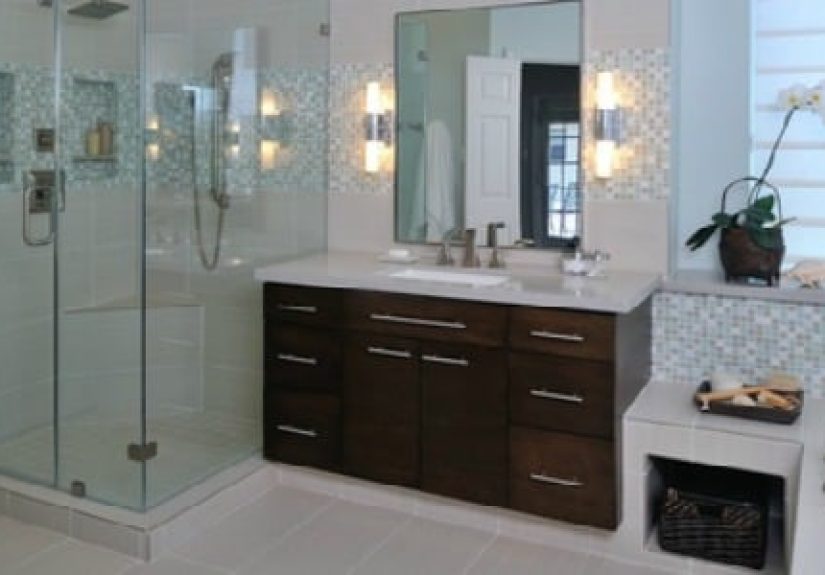
If there is one feature that can instantly elevate a master bath remodel, it is the shower. A walk-in shower with frameless glass, better drainage, and intentional tile work turns an everyday routine into something that feels polished and luxurious. It also helps the room read as bigger because bulky visual barriers disappear.
That does not mean every shower needs to become a spa spaceship with twelve body sprays and a control panel that looks ready for liftoff. In many cases, the magic comes from simpler upgrades: more elbow room, a bench, a hand shower, better tile layout, a built-in niche, and lighting that does not make the space feel like a cave.
A built-in shower niche deserves special applause. It is one of those details that seems small but changes everything. No more balancing shampoo on the floor like a contestant in a strange game show. A niche adds storage, reduces clutter, and can become a design feature when done with contrasting tile or stone.
And yes, waterproofing matters more than the pretty stuff. Tile is not the waterproofing system. The materials behind it are. If you cut corners there, your “amazing” remodel can become a very expensive mold documentary.
Should You Keep the Tub?
This is where honesty enters the chat. Do you actually take baths, or do you simply like owning the possibility of becoming a bath person someday? There is a difference.
A freestanding tub can make a master bathroom look elegant and high-end, especially when it is placed under natural light or used as a sculptural focal point. But if the room is not large enough, a tub can eat valuable square footage and make the shower smaller than it should be. In some homes, replacing an unused deck tub with a larger walk-in shower is the single smartest design decision.
That said, if your household loves baths or the room has the space, a tub can absolutely earn its keep. The key is proportion. A giant tub jammed into a medium-size bathroom is the design equivalent of wearing a ball gown to a hardware store. Technically possible. Deeply confusing.
Storage: The Difference Between Fancy and Functional
Amazing master bath design is often really about invisible success. When clutter disappears, the room instantly feels calmer and more luxurious. That is why vanity design matters so much. The vanity is not just a cabinet with a sink. It is the command center.
Double vanities remain a favorite because they reduce morning conflict and give each user a defined zone. But the real upgrade is choosing storage that matches how people actually live. Deep drawers are usually more useful than cavernous cabinets. Drawer dividers, pullout trays, built-in outlets, and linen towers can make a bathroom feel custom without needing a billionaire’s budget.
Floating vanities are popular because they open up floor space and create a modern, airy feel. Furniture-style vanities work beautifully in traditional or transitional bathrooms. Warm wood finishes can also soften all the hard surfaces that bathrooms naturally have. If the room is trending sterile, wood is often the peace treaty.
Do not forget shower storage, medicine cabinets, and towel placement. Nothing breaks the luxury mood like finishing a beautiful shower and realizing your towel is twelve cold steps away.
Lighting: Where Great Remodels Separate Themselves from Average Ones
Bad bathroom lighting is one of civilization’s least discussed crimes. Too many bathrooms rely on one overhead fixture that casts shadows strong enough to make everyone look tired, suspicious, or both.
A great master bath remodel uses layered lighting. You need ambient light for the overall room, task lighting at the vanity, and accent lighting to create mood and dimension. Wall sconces beside the mirror are often better than a single light above it because they illuminate the face more evenly. Recessed ceiling lights can fill in general brightness, while LED lighting in niches, under floating vanities, or around mirrors adds a high-end touch.
Natural light is gold if you have it. A window near the tub, a skylight, or even a solar tube can make the room feel open and restorative. But natural light still needs backup. Morning sunlight is lovely. November at 6:10 p.m. is not nearly as cooperative.
Choose Fixtures That Match the Room’s Personality
Lighting and plumbing finishes do not need to be identical, but they should not behave like strangers at a party. Repeating metal tones across the mirror, sconces, faucets, and hardware creates cohesion. Mixed metals can work beautifully too, but only when they look intentional. “I ordered the wrong finish and decided to call it eclectic” is not a design philosophy.
Ventilation and Moisture Control: The Unsexy Heroes
This is the part homeowners love to ignore right until mildew starts freeloading on the ceiling. Bathrooms are moisture factories. Steam, splashes, and humidity can damage paint, cabinetry, grout, and framing over time. A powerful, properly vented exhaust fan is not optional in a hardworking master bath. It is part of the foundation of the remodel.
Ventilation should work quietly and effectively, pulling moisture outside rather than into the attic or another hidden area where future problems can throw a party. Pair that with quality waterproofing in the shower and around wet zones, and you protect the beauty of the room for years to come. Nobody posts waterproofing photos on social media, but it is one of the reasons certain remodels still look great five years later.
Water Efficiency Without Sacrificing Comfort
Luxury and efficiency are no longer enemies. A smart master bath remodel can reduce water use and still feel great every day. Water-saving showerheads and bathroom faucets have improved dramatically, and many high-performing options now offer strong spray patterns, satisfying pressure, and sleek styling. Water-efficient toilets are another easy win.
This is especially valuable in a room that gets daily use. You are not just choosing finishes. You are choosing utility bills, maintenance needs, and long-term comfort. Think of it as a remodel that keeps paying you back quietly, which is frankly more useful than a faucet that only looks good in photos.
How Much Does a Master Bath Remodel Cost?
There is no single number because bathrooms are tiny kingdoms of expensive decisions. In broad terms, many bathroom remodels fall within a wide price-per-square-foot range depending on labor, finishes, layout changes, and the amount of work in the wet area. Showers, tile installation, plumbing adjustments, and custom vanities tend to drive the budget fast.
A practical way to think about budget is to divide the project into three buckets: must-haves, quality-of-life upgrades, and dream features. Must-haves are repairs, waterproofing, ventilation, and layout fixes. Quality-of-life upgrades include better storage, lighting, and improved fixtures. Dream features are the extras: heated floors, steam showers, statement stone, towel warmers, and that tub you may or may not use while pretending to read a hardcover novel.
Where to Splurge
Spend more on the elements you touch every day and the systems hidden behind the walls. That includes waterproofing, professional tile work, a solid vanity, durable countertops, quality plumbing fixtures, and lighting that actually performs. These choices affect both longevity and experience.
Where to Save
You can often save by keeping the plumbing footprint, choosing porcelain instead of natural stone, mixing high-end focal materials with budget-friendly field tile, and using ready-to-assemble storage where custom work is not necessary. Paint, mirrors, hardware, and accessories can also create major visual impact without detonating the budget.
Will a Master Bath Remodel Add Value?
Yes, but value should be viewed with clear eyes. A bathroom renovation can improve daily livability in a huge way, and it may also help resale appeal. Buyers notice updated bathrooms. They notice clean tile lines, good lighting, better storage, and a shower that does not look like it remembers dial-up internet.
Still, most homeowners should treat a master bath remodel as both a lifestyle investment and a resale strategy, not a guaranteed money-printing machine. The strongest returns usually come from projects that improve function, durability, and broad appeal rather than hyper-personal luxury choices. Translation: a well-designed, durable bathroom often beats an eccentric one with imported purple onyx and a faucet shaped like a swan.
Common Master Bath Remodel Mistakes to Avoid
Designing for Photos Instead of Real Life
If it looks beautiful but offers no storage, awkward lighting, and nowhere to set a towel, it is a set piece, not a successful bathroom.
Ignoring Scale
Huge tubs, oversized vanities, and bulky fixtures can make even a decent-size master bath feel crowded. Every element needs breathing room.
Underestimating Lighting
One ceiling light is not a lighting plan. It is a cry for help.
Skipping Ventilation Upgrades
Moisture damage is sneaky, expensive, and deeply unglamorous. Address it now or pay for it later.
Choosing Trendy Over Timeless
Trends can inspire, but the foundation of your remodel should still feel good years from now. Use trendier moves in paint, mirrors, or accessories instead of permanent materials if you are hesitant.
Conclusion: The Best Master Bath Remodel Is the One That Serves Real Life Beautifully
An amazing master bath remodel is not defined by square footage or price tag alone. It is defined by intention. The room should support the rhythms of everyday life while delivering the kind of calm, order, and comfort that makes home feel better. That might mean a spacious walk-in shower, a hardworking double vanity, layered lighting, warm finishes, and enough storage to keep chaos from colonizing the countertop.
The secret is balance. Beauty matters. So does performance. The smartest remodels blend both so seamlessly that the room feels effortless, even though a whole lot of decisions went into making it that way. When you get it right, the result is more than a prettier bathroom. It becomes one of the most satisfying spaces in the house, a room that works hard, ages well, and gives you a small daily luxury without asking for applause.
Real-Life Experiences and Lessons from an Amazing Master Bath Remodel
One of the most interesting things about a master bath remodel is how quickly homeowners realize the project is not really about tile samples. It is about habits. Before the remodel, many people tolerate a surprising amount of nonsense: bad mirror lighting, a vanity with one useful drawer and three decorative lies, a shower that leaks cold air, and a room that somehow feels cluttered even when it is technically clean. Then the remodel begins, and suddenly every tiny annoyance gets promoted to “major lifestyle issue.” Honestly, that is progress.
A common experience is the moment people understand the value of planning storage before picking finishes. It usually happens after someone says, “We want a clean, hotel-like look,” and then remembers there are electric toothbrushes, extra soap, skin care products, hair tools, medicine, spare paper goods, and approximately eleven towels that also need somewhere to live. That is why the best remodel experiences often come from practical choices hidden inside pretty design: outlet drawers, linen cabinets, deeper vanity storage, recessed medicine cabinets, and niches that make everyday routines easier.
Another big lesson comes from couples sharing the space. A remodel often reveals that “double vanity” is not just a fancy phrase from a design show. It can be a peace treaty. Separate sink zones, more counter space, and better drawer organization reduce the daily friction that happens when two people are trying to get ready at the same time. A well-designed bathroom does not just look calm. It lowers the chance of someone asking, “Why is your stuff on my side?” before 8 a.m.
Lighting is another category where homeowners tend to have an awakening. People are often shocked by how much better the room feels once layered lighting is added. Suddenly shaving is easier, makeup looks accurate, and the room no longer makes everyone look like they have been awake since 2009. Good lighting also changes the emotional temperature of the space. The bathroom becomes less clinical and more welcoming, especially when dimmers, warmer tones, and accent lighting are included.
There is also a strong emotional payoff when the shower is done right. Homeowners frequently describe the new shower as the feature that makes the entire remodel feel worth it. A curb-free entry, frameless glass, a built-in bench, a handheld sprayer, or simply a larger footprint can make the room feel more luxurious every single day. It is one of the few places in the house where comfort and resale appeal often overlap beautifully.
Perhaps the most honest experience of all is this: the best remodels are rarely the ones with the most expensive materials. They are the ones where every choice feels considered. The vanity height fits the user. The towel bar is actually close to the shower. The floor tile is slip-resistant. The fan is quiet. The faucet does not splash everywhere. These details are not flashy, but they are the difference between a bathroom that photographs well and a bathroom that genuinely improves life.
That is why an amazing master bath remodel leaves such a lasting impression. It is not just a renovation. It is a quality-of-life upgrade disguised as a beautiful room.