Table of Contents >> Show >> Hide
- What “Halloween Menagerie from Design Skool” Really Captured
- Why the Look Still Works Today
- How to Recreate the Halloween Menagerie Look at Home
- Room-by-Room Styling Ideas
- The Deeper Appeal: Nature, Folklore, and Mood
- Why This Approach Makes More Sense in a Big Halloween Economy
- Common Mistakes to Avoid
- Final Thoughts
- Experience: Living With a Halloween Menagerie
Every October, the world splits into two decorating camps. One team wants inflatable chaos, neon orange panic, and enough fake spiderwebs to alarm the mail carrier. The other wants Halloween with a pulse, but also with taste. That second group is exactly why Halloween Menagerie from Design Skool still feels so fresh. It is spooky, yes, but not in a plastic, screaming-jack-o’-lantern way. It is more like a stylish little shiver.
The phrase points back to a memorable design mood: a curated collection of slightly sinister animal objectscrows, bats, cats, rats, and other natural troublemakerspresented as handmade decor rather than disposable party junk. In other words, Halloween was treated less like a one-night costume emergency and more like a miniature interior design project. That alone deserves applause. Or at least a respectful raven caw.
What made the idea special was not just the subject matter, but the attitude behind it. Instead of buying loud, short-lived decorations destined to collapse into a garage bin by November 1, the Design Skool approach suggested something more layered: handmade pieces, tactile materials, a dark-and-dreamy color palette, and animal forms that felt folkloric instead of goofy. It offered a version of Halloween decor that could sit comfortably beside real books, vintage candlesticks, wool throws, and furniture you did not buy from a seasonal aisle next to the gummy worms.
What “Halloween Menagerie from Design Skool” Really Captured
At its core, the menagerie was a collection of creatures with excellent Halloween credentials. Crows bring instant atmosphere because they look like they know something you do not. Bats are theatrical by nature; they are basically punctuation marks for the night sky. Black cats carry centuries of superstition, elegance, and mischief in one compact furry package. Rats, meanwhile, are the little chaos goblins of old-world gothic imagery. None of these creatures need glitter to do their jobs.
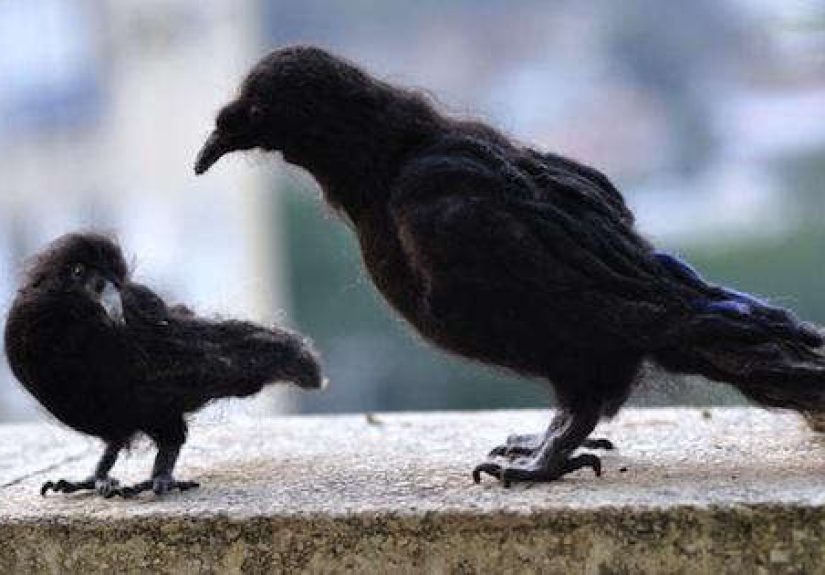
But the genius of the Design Skool mood was that these animals were rendered through craft. Felt, knit, leather, and handmade detailing softened the macabre edge and made the whole idea more interesting. The result was not horror-movie gore. It was gothic Halloween decor with manners. Slightly eerie. Slightly funny. Surprisingly chic.
That matters because Halloween has always lived in the space between fear and play. Its roots are ancient, but the modern holiday is an evolving mix of folklore, costume culture, home entertaining, and retail spectacle. In that mix, the menagerie concept lands in the sweet spot: recognizable Halloween imagery, but styled with restraint. It whispers instead of shrieking. That is powerful design.
Why the Look Still Works Today
It favors texture over gimmicks
One reason this concept ages well is materiality. A knitted gray cat or felted crow feels more memorable than ten mass-produced plastic skulls because texture carries emotional weight. Felt looks soft but uncanny. Leather bats feel sculptural. Matte black paper silhouettes create drama without visual noise. Good seasonal styling often comes down to surfaces: rough wood, black velvet, aged brass, dried branches, dark glass, feathers, paper, wax, and wool. Those materials create atmosphere before a single witch hat enters the chat.
It makes Halloween feel curated
The menagerie approach also understands a truth many decorators learn the hard way: Halloween gets better when it is edited. A single raven on a stack of books can do more than an entire shopping cart of novelty signs. A row of paper bats moving up a wall can feel cinematic. A black cat figure on a mantel, paired with candlesticks and smoky glass, reads as intentional rather than frantic. The room looks styled, not attacked.
It can last beyond one weekend
Another reason people still respond to this idea is practical: the best pieces do not feel disposable. A dark wreath, a black ceramic vase, a flock of birds in silhouette, or a curious cat object can stay up for weeks and sometimes all season. That makes the decorating feel smarter, more sustainable, and far less annoying. No one enjoys spending money on something that becomes visual clutter two days later. Seasonal decor with staying power is the dream.
It blends spooky with sophisticated
There is a big difference between “Halloween” and “Halloween, but make it stylish.” The first can be fun. The second tends to be memorable. The Design Skool menagerie leans into that second category by balancing darkness with design discipline. It uses recognizable symbols of the season, but avoids turning the room into a haunted discount warehouse. The effect is moody, playful, and grown-up without becoming joyless. That is a hard trick to pull off, and it deserves a full-size candy bar.
How to Recreate the Halloween Menagerie Look at Home
Start with a limited palette
If you want to channel the spirit of Halloween Menagerie from Design Skool, begin with color restraint. Black is obvious, but do not stop there. Add charcoal, bone, tobacco brown, tarnished gold, deep plum, forest green, and muted cream. These shades give you room to layer animal motifs without making the room look like a costume store exploded in it.
Choose two or three creature motifs
Do not invite the entire haunted zoo. Pick a few creatures and let them repeat. Crows and bats work beautifully together because one is perch-based and one is flight-based; they create movement. Black cats add a sly domestic note. Insects can push the look toward cabinet-of-curiosities territory. Rats are for the bolder decoratorthe design equivalent of ordering the weird cocktail on purpose. However you mix the set, repetition creates coherence.
Mix handmade, vintage, and natural objects
The original appeal of the menagerie was its handmade sensibility, so avoid overbuying brand-new shiny items that all look factory-fresh. Pair crafted pieces with found objects: old frames, dark books, apothecary bottles, dried branches, feathers, stoneware, moss, or tarnished metal. If everything looks a little touched by time, the display gains depth. Halloween styling should sometimes feel like you inherited a mysterious trunk from an aunt who definitely knew how to read tarot.
Build vignettes, not clutter piles
A successful Halloween vignette usually has three layers: a base, a focal point, and a little movement. For example, start with stacked books and a folded black linen runner. Add a crow figure or a cat sculpture as the focal point. Then let movement come from paper bats, curling branches, candlelight, or shadows. That small structure keeps your display looking composed.
Use lighting like it owes you money
Nothing kills spooky elegance faster than harsh overhead lighting. Use taper candles, flickering LED candles, low table lamps, lanterns, and shadow play from nearby walls. Light is what turns a shelf of objects into a scene. Bats and birds become more dramatic when their shapes throw shadows. Dark glass looks richer. Metallic accents look older. Candlelight does half the styling work for you, and unlike fake cobwebs, it does not cling to your soul for three weeks.
Room-by-Room Styling Ideas
Entryway
The entry is the perfect place for a mini menagerie because it sets the tone immediately. A black-feathered wreath, a few perched crows, a cluster of lanterns, and one dramatic branch arrangement can transform the space without blocking traffic. Add paper bats ascending the wall or across the door frame for movement. You want the message to be, “Welcome, dear guest,” not “You may need a tetanus shot.”
Mantel
A mantel is ideal for layered Halloween styling because it already behaves like a stage set. Start with symmetry if you want elegance: candleholders, dark glass vessels, framed silhouettes, and one central animal object. If you prefer a more collected look, stagger the heights and let bats trail upward across the wall. A cat clock, raven silhouette, or faux taxidermy-inspired form can anchor the composition beautifully.
Dining table
The table is where the menagerie can become theatrical. Think black linens, tarnished silver, smoky goblets, and low arrangements of branches or dried flowers. Add subtle creature motifs rather than overwhelming centerpieces. A pair of leather bats above the table, bird silhouettes in the background, or place cards with Victorian-style shadow shapes can create the right tension. It should feel like an enchanting dinner party, not a crime scene with appetizers.
Bookshelves and consoles
Bookshelves are where crows truly shine. They look right at home among old spines, framed art, and candles. A few well-placed pieces can make the whole room feel seasonally tuned without changing everything. Tuck in matte black pumpkins, a glass cloche, or a small cat figure and let the shelf do the storytelling. Bookshelves reward restraint; they are not asking for twelve skeletons and a screaming motion sensor.
The Deeper Appeal: Nature, Folklore, and Mood
Part of what makes the menagerie idea so compelling is that these animals are not random decorations. They are loaded with meaning. Crows and ravens carry associations with mystery, intelligence, and omens. Bats belong to dusk, caves, and transformation; they are naturally linked to the supernatural imagination. Black cats hover between superstition and charm. These are creatures that already live in the cultural vocabulary of Halloween, so they do not need much help from the decorator. Their silhouettes do the heavy lifting.
There is also something clever about choosing animals instead of monsters. Monsters are loud. Animals are suggestive. Suggestion is usually more stylish. A bat shape on the wall allows the viewer to complete the story. A raven perched beside old books hints at folklore, poetry, and shadow rather than just yelling “BOO” in all caps. Design gets more powerful when it trusts the audience a little.
Why This Approach Makes More Sense in a Big Halloween Economy
Modern Halloween spending is enormous, and decoration is one of the biggest categories. That abundance creates temptation: more props, more novelty, more noise, more things you will regret storing. The Design Skool sensibility pushes in the opposite direction. It suggests buying fewer, better, stranger piecesitems with craftsmanship, humor, and atmosphere. That is not just aesthetically smarter; it is emotionally smarter. Decorating becomes less about accumulation and more about composition.
This is also why the menagerie feels current in a moment when more people want reusable, intentional holiday styling. A bat garland you use every year is better than five bags of disposable filler. A dark ceramic cat can work on a shelf long after October. A cluster of crows can migrate from the porch to the mantel to a winter tablescape if you style them well. Good decor earns its keep.
Common Mistakes to Avoid
Too many themes at once
If you are doing gothic birds, do not also do neon pumpkins, pirate skeletons, candy corn tablescapes, and zombie lawn signs. Pick a lane. Halloween has range, but your room should not look like the algorithm got confused.
Ignoring scale
Tiny decor scattered everywhere reads as fussy. Group small objects together or mix them with one larger statement piece. The eye needs hierarchy. Even crows need leadership.
Using only black with no contrast
Dark decor looks best when it has breathing room. Bone, brass, smoke gray, wood, and candlelight keep black from flattening out. Contrast is what makes spooky decor legible.
Forgetting personality
The best Halloween interiors still reflect the person living there. If your home leans vintage, let the menagerie feel collected. If your style is minimal, use silhouettes and sculptural forms. If you love color, introduce oxblood, plum, or mossy green. Seasonal design works best when it joins your home’s language instead of interrupting it.
Final Thoughts
Halloween Menagerie from Design Skool endures because it understood something many holiday decorators miss: spooky can be elegant, playful can be artful, and Halloween can absolutely have good taste. The menagerie was not about throwing random creatures into a room and hoping for the best. It was about building a mood through texture, silhouette, folklore, and restraint.
That is why the idea still lands today. In a season crowded with disposable decor and oversized gimmicks, a curated flock of crows, a few bats in motion, a sly black cat, and a handful of handmade details still feel richer than the loudest display on the block. They create mystery without mess, style without stiffness, and enough wit to keep the whole thing from becoming self-important. Which, honestly, is the dream. If your Halloween decor can make a room feel enchanted, a little uncanny, and still worthy of a design magazine spread, the menagerie has done its job.
Experience: Living With a Halloween Menagerie
The first time I tried decorating with a Halloween menagerie instead of the usual seasonal grab bag, I noticed something surprising: the room got quieter. Not literally, of course. The house did not become a library run by ravens. But visually, everything felt calmer, more deliberate, and somehow more magical. Instead of covering every surface with obvious Halloween props, I started with one shelf. I added a dark ceramic bird, a pair of old books with worn covers, a brass candlestick, and a little black cat figure that looked mildly judgmental. Then I tucked a few paper bats above the shelf, just enough to suggest motion. That tiny arrangement changed the entire mood of the room.
What I liked most was how the decor worked during the day. In sunlight, the pieces felt sculptural and interesting rather than loudly seasonal. At night, with a lamp on and candles flickering, the same objects suddenly became atmospheric. The bird looked moodier. The cat looked smarter. The bats cast shadows that made the wall feel alive. It was the same setup, but it behaved differently depending on the hour, which made the whole room feel more cinematic. That is when I understood why a creature-based Halloween display feels so effective: animals already have personality. They are not props in the same way a plastic tombstone is a prop. They carry attitude.
I also found that guests reacted differently. Instead of saying, “Wow, you really decorated for Halloween,” they tended to walk over, lean in, and start noticing details. They would laugh at the cat. They would point to the bats. They would ask where I found the crow, or whether the old bottles were real antiques. The display became a conversation instead of a backdrop. That is a huge difference. Decor that invites curiosity always feels more memorable than decor that just announces itself from across the room.
Another good surprise was how easy it was to live with. A lot of Halloween decorating looks fun for one evening and exhausting for the rest of the month. But a menagerie setup can stay in place without making your home feel like a party store. I moved pieces around as the month went on. The crow left the bookshelf and landed on the mantel. The bats migrated from the entryway to the dining area. The cat stayed where it was, probably because it had claimed the territory. The whole collection felt flexible, almost like styling with art objects rather than holiday merchandise.
By the end of the season, I realized the best part was not that the room looked spooky. It was that it felt intentional. The decor had atmosphere, humor, and a little mystery, but it still belonged in the house. Nothing felt disposable. Nothing felt random. And when November arrived, I only packed away part of it. A few candles stayed. The dark books stayed. One bird stayed too, because apparently I had become the kind of person who thinks a decorative crow is an all-season accessory. Honestly? No regrets. That is the quiet power of the Halloween menagerie: it does not just decorate a room for a holiday. It teaches the room how to tell a better story.