Table of Contents >> Show >> Hide
- Why a Haircut Can Look Like a Full-On Glow-Up
- The Psychology Behind “I Feel Like a New Person”
- What a Pro Stylist Actually Looks At (Before the First Snip)
- The “Transformation” Cuts That Change a Person Fast
- How Often Should You Cut Your Hair (Without Living in the Salon)
- The Consultation Script That Gets You the Hair You Actually Want
- Aftercare: Make the Transformation Last
- FAQ: Quick Answers People Google Right After a Makeover Video
- Conclusion: The Real Reason a Haircut Can Change a Person
- Experience Add-On: of Real-Life Haircut Moments People Recognize
You know those makeover videos where someone sits down looking like “I’ve been loyal to my middle part since 2009,”
and stands up looking like they just got cast as the lead in a feel-good movie? That’s not camera magic. That’s haircut
mathangles, weight, balance, and a little bit of “trust the process” energy.
A great hairstylist can change how your face reads in a split second: sharper cheekbones, softer jawline, brighter eyes,
a longer neck, a cleaner silhouette. Same person. Different frame. And because hair is the one accessory you can’t forget
at home, the confidence boost tends to follow you around like a loyal golden retriever.
Why a Haircut Can Look Like a Full-On Glow-Up
Most people think a haircut is “shorter hair.” Stylists think in shape. The hair around your face is basically
an adjustable picture frame. Change the frame, and suddenly the same face looks differentmore lifted, more defined, more
balanced, or just more you.
1) Face-framing changes the “visual geometry”
Face-framing layers, curtain bangs, side-swept fringe, a textured bobthese aren’t random trends. They’re optical tools.
A stylist can pull attention upward, add length, reduce width, soften angles, or create structure depending on what you want.
That’s why two people can get “the same haircut” and look completely different: the cut is customized to their features.
2) Weight removal creates movement (and movement reads as youth)
Heavy, blunt hair can drag down the overall lookespecially if it’s thick, long, or one-length. Strategic layers remove weight,
let hair bounce, and add shape. Movement also photographs better and makes styling easier (yes, even for people who don’t own
a round brush and are proud of it).
3) Proportion is everything
Hair that hits at the jaw, collarbone, or just below the cheekbone can change the perceived proportions of your face and neck.
Even shifting a part (center to slightly off-center) can adjust symmetry and open up the face.
The Psychology Behind “I Feel Like a New Person”
Hair changes are physical, but the reaction is often emotional. A fresh cut can feel like a reset button because it’s one of the
fastest ways to signal: “I’m updating.” Sometimes that update is subtlecleaner ends and a soft layer. Sometimes it’s dramaticlong
hair to a bob with bangs. Either way, the mirror feedback loop is real: when you like what you see, you carry yourself differently.
There’s also something quietly powerful about sitting still while someone focuses on you for an hour. A salon appointment is part
craft, part care rituallike a tune-up for your confidence.
What a Pro Stylist Actually Looks At (Before the First Snip)
The best transformations start long before the scissors. A skilled hairstylist typically considers:
- Face shape and features: forehead, cheekbones, jawline, chin length, and where you naturally want attention to go.
- Hair texture and density: fine vs. thick, straight vs. wavy vs. curly, and how your hair behaves when it’s humid, rushed, or ignored.
- Growth patterns: cowlicks, hairline direction, and the part your hair insists on having (like it pays rent).
- Lifestyle and maintenance: do you want wash-and-go, or are you willing to style? Be honestyour future self will thank you.
- Hair health: breakage, split ends, chemical history, heat damage, and how often you can realistically get trims.
A quick face-shape guide (with zero “rules,” just options)
You don’t need to memorize geometry to get a flattering haircut. But knowing your general face shape can help you talk to your stylist
in a way that gets results.
- Round: long layers, angled face-framing, side-swept bangs, or a longer bob can add a little visual length.
- Square: soft layers and wispy/curtain bangs can soften sharp angles and add movement around the jaw.
- Heart: volume near the jaw, textured bobs, or curtain bangs can balance a wider forehead with a narrower chin.
- Oval: most styles workpick based on texture and your desired vibe (sleek, playful, edgy, classic).
- Oblong: bangs, waves, and layers can add width and reduce the “too long” effect if that’s your goal.
The “Transformation” Cuts That Change a Person Fast
1) The long-to-lob (collarbone cut)
If you want a major change without going full pixie, a lob is the MVP. It modernizes your look, makes hair appear thicker, and
frames the face without feeling extreme. Bonus: it’s long enough for ponytails, short enough to feel new.
2) The bob that reshapes your whole face
A bob can make features look sharper and cleaner because it creates a strong outline. A textured bob softens and adds movement;
a blunt bob looks editorial and bold. A “bob moment” often feels like a personality upgradelike switching from regular coffee
to espresso and immediately sitting up straighter.
3) Bangs (aka the fastest way to look like you made a decision)
Curtain bangs are popular because they blend into layers and can be styled many ways. Wispy fringe can soften strong angles.
Side bangs can add dimension. The key is matching bangs to your hair texture and styling habits. If you hate blow-drying, tell your stylist
before the bangs tell on you.
4) Layers that turn “heavy” into “movie hair”
The right layers can remove bulk, add volume where you want it, and create an effortless lookespecially for thick hair.
For fine hair, fewer, lighter layers often work better to avoid looking sparse. This is why “Pinterest layers” aren’t one-size-fits-all.
5) Clean fades, tapers, and shape-ups
For shorter styles, small changes make huge differences. Tightening the neckline, refining sideburns, or adjusting the fade height can
instantly make a face look sharper. It’s basically tailoring, but for hair.
How Often Should You Cut Your Hair (Without Living in the Salon)
The “every 6–8 weeks” rule is more like a friendly suggestion. Haircut frequency depends on your style, goals, and hair health.
Short cuts and bangs usually need more frequent maintenance. Longer styles can often go longer between trimsunless you’re battling
split ends or breakage.
Also: trimming doesn’t make hair grow faster, but it can help you retain length by preventing split ends from traveling upward and causing
breakage. If you’re growing your hair out, think “micro-trims” instead of “panic chops.”
The Consultation Script That Gets You the Hair You Actually Want
Want to avoid haircut regret? Walk in with clarity, not just vibes. Try these quick prompts:
- Show 2–4 reference photos (not 27). Include at least one photo of hair that’s similar to your texture.
- Explain your daily routine: “I air-dry” is useful information. “I style every day” is also useful information.
- Name your non-negotiables: “I need a ponytail.” “I don’t want bangs in my eyes.” “I want low maintenance.”
- Ask what will be hardest to maintain: The answer will save your mornings.
- Ask your stylist what they’d tweak: Great stylists love customizingshape, length, fringe, and weight placement.
Aftercare: Make the Transformation Last
The cut is the foundation; aftercare is the maintenance plan. You don’t need a hundred productsjust smart habits.
- Be gentle when detangling: start at the ends and work up, especially when hair is wet.
- Use heat protection: if you’re blow-drying or using hot tools, protect the hair shaft to reduce damage and breakage.
- Condition like you mean it: moisture helps reduce tangles and snapping.
- Know your “reset” style: learn one quick way to make your cut look intentional (a quick blowout, a bend with a flat iron, a curl refresh).
- Schedule trims based on your cut: bangs and short styles need more frequent touch-ups; longer cuts can go longer if healthy.
FAQ: Quick Answers People Google Right After a Makeover Video
Can a haircut really change how your face looks?
Yesbecause it changes framing, proportion, and where attention goes. Face-framing layers and bang placement are especially powerful.
What’s the safest “big change” haircut?
A lob (long bob) is often the easiest major change because it feels fresh but still allows ponytails and flexible styling.
What if I’m scared I’ll hate it?
Go gradual. Ask for a staged cut (take off less first), choose soft layers before dramatic ones, and start with longer bangs that can be pinned back.
Conclusion: The Real Reason a Haircut Can Change a Person
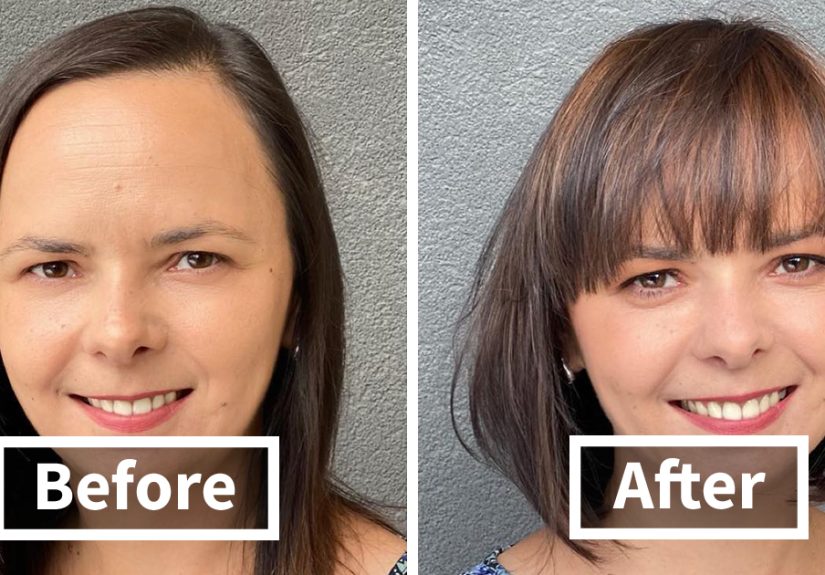
A haircut doesn’t rewrite your lifebut it can absolutely rewrite your first impression, your daily routine, and your confidence. A skilled hairstylist
isn’t just removing length; they’re building a shape that works with your features, texture, and lifestyle. That’s why a before-and-after can look like a
new person: the “after” is you, just better framed.
If you’re itching for a change, start with a conversation and a plan. Bring reference photos, be honest about maintenance, and let your stylist translate
your vision into something that fits your real hair on your real head in your real mornings. That’s the kind of transformation that lasts longer than the
salon blowout.
Experience Add-On: of Real-Life Haircut Moments People Recognize
Ask anyone who’s gotten a dramatic haircut and you’ll hear the same thing: the scissors are loud, but the feelings are louder. One of the most common
experiences is the “chair-to-mirror jump.” You sit down thinking you’re just getting a trim, and the moment the stylist spins you toward the mirror, your brain
has to update its internal profile picture. Sometimes it’s instant love. Sometimes it’s a five-second reboot. Either way, it’s memorable.
Another classic moment is the “stranger compliment” effect. People who never comment on anything suddenly say, “You look differentlike, in a good way.”
That’s when you realize a haircut doesn’t only change how you see you; it changes what other people notice first. A sharper outline can make your
eyes look bigger. A softer fringe can make you look more approachable. A clean fade can look more polished than a new pair of shoeswithout the blister phase.
Then there’s the “photos finally work” experience. Plenty of people notice they like themselves more in pictures after a cut that matches their texture and face shape.
It’s not vanity; it’s geometry and lighting. Face-framing layers can stop hair from swallowing your cheeks. Bangs can balance a long forehead. Removing bulk can keep hair
from turning into a helmet on camera. Suddenly you’re not fighting your hair in every selfieyour hair is cooperating like it’s on payroll.
Haircuts also show up around milestones. People often get a new cut before a job interview, a big presentation, graduation, a wedding, or a new school yearnot because
hair is magical, but because it’s a visible signal of readiness. It’s the same reason athletes get a fresh lineup before a big game: when you look put-together, you feel
more put-together. The haircut becomes a small ritual that says, “I’m stepping into something.”
And yes, sometimes people get a haircut after an exhausting seasonbusy months, stress, or simply feeling stuck. A haircut can be the easiest “I’m changing something” move
because it’s fast, tangible, and surprisingly uplifting. Even a healthy trim can feel like decluttering your life, except the clutter is split ends and the donation bin is the
salon floor.
Finally, many people describe the subtle long-term experience: a good haircut teaches you what you like about yourself. You learn that you prefer softness around the face,
or that you love structure, or that your curls look best when the shape is respected. Over time, you stop chasing random trends and start choosing haircuts that feel like a
signature. That’s when the transformation becomes more than a momentit becomes a style you can live in.