Table of Contents >> Show >> Hide
- What Is the Grind Sandstone Side Table?
- Why Sandstone Works So Well in Furniture
- Best Places to Use a Grind Sandstone Side Table
- How to Style the Grind Sandstone Side Table
- Care and Maintenance Tips for Sandstone Side Tables
- Design Styles That Pair Beautifully With Sandstone
- Buying Considerations Before Choosing a Sandstone Side Table
- Common Mistakes to Avoid
- Experience Notes: Living With a Grind Sandstone Side Table
- Conclusion
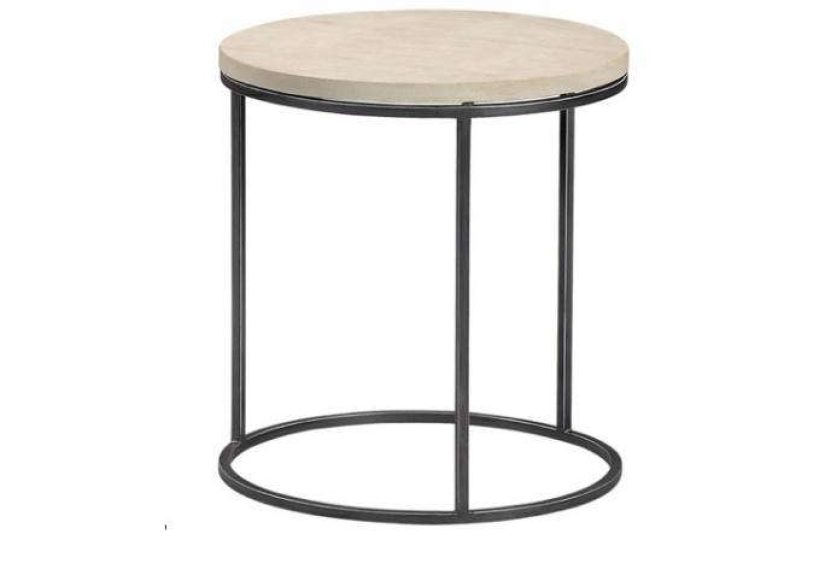
The Grind Sandstone Side Table is the kind of accent furniture that quietly walks into a room, says almost nothing, and somehow makes the sofa look better, the lamp look smarter, and the coffee mug look like it has its life together. It is not a flashy piece. It does not need glitter, claw feet, neon lacquer, or a dramatic backstory involving a retired Italian sculptor. Its appeal comes from a simple formula: natural stone texture, compact scale, and a grounded modern profile that fits into real homes without demanding a velvet rope around it.
Originally associated with CB2 and featured by design sources such as Remodelista, the Grind Sandstone Side Table belongs to a broader family of modern stone accent tables that blend organic material with clean-lined design. Sandstone gives the table its personality. Unlike perfectly uniform manufactured surfaces, sandstone carries subtle shifts in tone, grain, and texture. That means every piece feels a little different, like nature signed the receipt before sending it to your living room.
For homeowners, renters, stylists, and anyone who has ever balanced a drink on the arm of a couch while pretending everything is fine, a sandstone side table offers both beauty and usefulness. It provides a place for a book, a small lamp, a plant, a phone, a candle, or that one remote control nobody can ever find. More importantly, it adds visual weight without making a room feel cluttered. In the right space, the Grind Sandstone Side Table is not just furniture. It is the little design punctuation mark that turns a room from “almost done” into “ah, there it is.”
What Is the Grind Sandstone Side Table?
The Grind Sandstone Side Table is best understood as a compact natural-stone accent table designed for modern interiors. It has been described as a coffee and side table option from CB2, with a sandstone top and a sculptural, minimal presence. The table’s main charm lies in its contrast: stone feels ancient, solid, and earthy, while the form feels clean, urban, and contemporary.
That balance is exactly why stone side tables have become so popular in living rooms, bedrooms, reading corners, entryways, and small apartments. A wood table can feel warm. A metal table can feel sleek. A glass table can feel light. Sandstone does something slightly different. It brings texture, softness, and grounded character. It looks designed, but not over-designed. It is stylish without acting like it has an art degree and a complicated espresso order.
The word “grind” in the name also feels fitting. It suggests texture, surface, and material honesty. Sandstone itself is made from sand-sized mineral grains compacted and cemented over time. In furniture, that geological story translates into a tactile surface that feels calm, natural, and slightly rugged. It is a great match for modern homes that want warmth but not fuss.
Why Sandstone Works So Well in Furniture
Sandstone is a sedimentary rock composed largely of sand-sized grains, often including quartz, feldspar, and other minerals. In practical design terms, that means it can have a soft, layered, grainy appearance instead of the sharp veining commonly associated with marble. Marble likes drama. Sandstone prefers a thoughtful nod from across the room.
The material often appears in shades of beige, tan, cream, rust, gray, and warm brown, depending on its mineral makeup. These colors are easy to live with because they sit close to the natural palette many interior designers already use: linen, oak, leather, clay, plaster, wool, jute, and warm white walls. A sandstone side table can blend into these surroundings while still offering enough texture to keep the room from looking flat.
Natural Texture Without Visual Noise
One of the best qualities of sandstone is that it adds depth without shouting. A heavily veined marble table can become the star of the room, which is wonderful when that is the goal. But if you already have patterned rugs, bold artwork, colorful pillows, or dramatic lighting, a quieter stone like sandstone can play a supporting role beautifully.
The Grind Sandstone Side Table works especially well in interiors that lean modern organic, Scandinavian, Japandi, desert modern, California casual, or warm minimalist. It can also soften industrial spaces by balancing metal, concrete, black frames, and sharp architecture with a more natural surface.
A Small Table With Big Design Impact
Side tables are small, but they have enormous design responsibility. They sit next to the most-used furniture in the home: sofas, lounge chairs, beds, and reading seats. If they are too large, they crowd the room. If they are too tiny, they become decorative coasters with legs. If they are too plain, they disappear. If they are too flashy, they steal attention from everything else.
A sandstone side table hits a sweet spot. It is visually interesting but not chaotic. It feels substantial but does not need to be oversized. It pairs well with both soft upholstery and hard architectural materials. In other words, it is the furniture equivalent of a good supporting actor: memorable, useful, and never trying to turn every scene into a solo performance.
Best Places to Use a Grind Sandstone Side Table
The beauty of the Grind Sandstone Side Table is its flexibility. Because the design is compact and material-driven, it can work in several rooms without looking like it wandered into the wrong party.
Next to a Living Room Sofa
The most obvious place for a sandstone side table is beside a sofa. Use it to hold a table lamp, a ceramic bowl, a stack of books, or a drink tray. The stone texture can balance soft fabrics like bouclé, linen, velvet, or cotton slipcovers. If your sofa is cream, oatmeal, charcoal, rust, olive, or camel, sandstone will likely feel right at home.
For a clean look, keep the surface edited. A small lamp, one book, and a coaster are often enough. If you pile on six candles, three remotes, a plant, sunglasses, keys, lip balm, and an emotional-support snack bowl, the table may still function, but the design magic will quietly leave the building.
Beside an Accent Chair
A reading chair without a side table is basically a chair with trust issues. Where does the tea go? Where does the book land when the phone rings? Where does the tiny plate of cookies sit while you pretend you only wanted one?
Place the Grind Sandstone Side Table beside a lounge chair to create a compact reading nook. Add a floor lamp, a soft throw, and a small stack of books. The stone table will anchor the setup and make the corner feel intentional rather than accidental.
As a Minimal Nightstand
In a bedroom, the Grind Sandstone Side Table can work as a nightstand for people who prefer a minimal bedside setup. It is ideal for holding a lamp, phone, water glass, and one book. If you need drawers for chargers, medicine, notebooks, sleep masks, and mysterious receipts from 2021, you may want a larger bedside table with storage. But if your goal is a clean, hotel-inspired look, sandstone can be beautiful.
Pair it with linen bedding, a low upholstered bed, warm wall sconces, and a neutral rug. The result feels calm and expensive, even if the rest of the room includes laundry waiting on a chair. We do not judge. The chair knows what it did.
In an Entryway
A compact stone side table can also work in an entryway, especially if paired with a mirror or artwork above it. Use it for a small catchall bowl, a vase with branches, or a sculptural object. Because sandstone has natural weight, it helps create a grounded first impression.
How to Style the Grind Sandstone Side Table
Styling a sandstone side table is about restraint. The table already has texture, so the goal is to complement it rather than bury it under accessories.
Use Contrast Wisely
Sandstone looks beautiful with materials that contrast its matte, mineral quality. Try pairing it with:
- Black metal for a modern edge
- Brass or bronze for warmth
- Clear glass for lightness
- Ceramic objects for handmade texture
- Natural wood for an earthy layered look
- Linen lampshades for softness
If your room already has many pale neutrals, add one dark accent on or near the table, such as a black lamp base, a charcoal book cover, or a dark ceramic bowl. This creates definition and keeps the sandstone from blending too completely into the background.
Keep Accessories Edited
A good rule: style the table with one functional item, one decorative item, and one personal item. For example, use a lamp, a small vase, and a favorite book. Or try a coaster, a sculptural candleholder, and a framed photo. This formula keeps the surface useful and attractive without turning it into a tiny flea market.
Play With Shape
If the table has a rounded or circular profile, pair it with objects that vary in height and shape. A tall lamp, a low tray, and a curved vase can create a pleasing arrangement. If nearby furniture is boxy, the natural stone table can soften the geometry. If your sofa and chair are already rounded, add a square book or angular object for balance.
Care and Maintenance Tips for Sandstone Side Tables
Natural stone is durable, but it is not invincible. Sandstone can be porous, and like many stone surfaces, it benefits from gentle cleaning and sensible protection. Think of it as strong but slightly particular, like someone who hikes mountains but refuses to drink bad coffee.
Use Coasters Every Time
Coasters are not optional decoration. They are tiny insurance policies. Use them under glasses, mugs, bottles, and plant pots. Water rings, wine stains, citrus marks, and oil spots can be difficult to remove from porous stone surfaces. A beautiful sandstone table deserves better than a permanent souvenir from Tuesday’s iced coffee.
Blot Spills Immediately
If a spill happens, blot it quickly with a clean, dry, soft cloth. Avoid wiping aggressively because wiping can spread the liquid. After blotting, use a slightly damp cloth with mild soap if needed, then dry the surface thoroughly. Leaving moisture on natural stone is rarely a good idea.
Avoid Harsh Cleaners
Skip vinegar, lemon juice, bleach, ammonia, abrasive powders, and all-purpose cleaners not labeled safe for natural stone. These products can damage sealers, dull finishes, or leave marks. A pH-neutral stone cleaner or mild dish soap diluted in water is usually a safer choice.
Protect From Heat and Scratches
Do not place hot mugs, pans, hair tools, or laptops directly on the stone. Use trivets, mats, or protective pads. Also avoid dragging ceramic pots, metal trays, or rough-bottomed objects across the surface. Sandstone may look tough, but scratches and finish damage can still happen.
Ask About Sealing
If you own a sandstone side table or are buying one secondhand, ask whether the stone has been sealed. Sealing can help protect porous stone, though it does not make the surface stain-proof. If the piece is older, a stone professional can advise whether resealing is appropriate.
Design Styles That Pair Beautifully With Sandstone
The Grind Sandstone Side Table works across many styles because it has a neutral color range and a simple form. Here are a few combinations that feel especially current and livable.
Modern Organic
Modern organic interiors use clean silhouettes, warm neutrals, and natural materials. Pair sandstone with a low sofa, woven rug, oak shelving, plaster-style walls, and oversized pottery. The effect is calm, earthy, and polished without feeling too precious.
Desert Modern
Sandstone is a natural fit for desert-inspired spaces. Combine it with terracotta, rust, camel leather, creamy walls, cactus plants, and black accents. The table’s stone surface echoes canyon colors and sunbaked landscapes without requiring you to own a house in Joshua Tree.
Minimalist Apartment
In a small apartment, a sandstone side table can add character without taking up much visual space. Keep the palette simple: white walls, neutral sofa, one graphic artwork, and a compact stone table. Add a single lamp or plant for warmth.
Industrial Loft
Industrial rooms often include metal, concrete, exposed brick, and darker tones. Sandstone softens those harder materials while still feeling sturdy enough to belong. Use it beside a black leather sofa or charcoal lounge chair for a strong but balanced look.
Buying Considerations Before Choosing a Sandstone Side Table
Before buying a sandstone side table, consider scale, weight, finish, and lifestyle. Natural stone can be heavier than wood or metal, so check whether the table is easy to move and whether your flooring needs felt pads underneath. Measure the height of your sofa or chair arm. Ideally, a side table should sit close to the same height as the seat arm or slightly lower, making it comfortable to reach.
Also think honestly about how you live. If you host often, have young kids, keep lots of drinks nearby, or treat side tables as landing zones for everything from snacks to craft supplies, choose a stone piece with a sealed surface and commit to using coasters. If you prefer low-maintenance furniture and never want to think about rings or stains, a metal or laminate option may be easier. Beauty is wonderful, but compatibility matters. Even the prettiest table should not turn your living room into a museum with throw pillows.
Common Mistakes to Avoid
The first mistake is over-styling. Sandstone is already visually rich, so leave some surface visible. The second mistake is ignoring care instructions. Natural stone needs gentler maintenance than many synthetic materials. The third mistake is placing the table where it will constantly be bumped, soaked, or used as a step stool. Please do not stand on a side table. It is furniture, not a motivational platform.
Another mistake is pairing sandstone with too many similar beige tones without contrast. A room can be neutral and still need depth. Add black, bronze, olive, rust, walnut, or textured textiles to keep the palette alive. A sandstone table should feel calm, not camouflaged.
Experience Notes: Living With a Grind Sandstone Side Table
Living with a table like the Grind Sandstone Side Table changes how you think about small furniture. At first, it seems like a simple accent piece. You place it next to the sofa, set a coaster on top, maybe add a book, and call it a day. But after a week, you start noticing how much work it does. It gives your coffee a proper landing spot. It makes the corner feel finished. It catches warm lamplight in the evening. It adds just enough texture that the room feels layered instead of assembled from one flat catalog page.
The experience is especially satisfying in a small living room. Many compact spaces suffer from furniture that is either too flimsy or too bulky. Lightweight tables can look temporary, like they are waiting for permission to leave. Oversized tables can make the room feel crowded. A sandstone side table sits between those extremes. It has presence, but because it is small, it does not dominate. It feels permanent in a good way.
One practical lesson becomes clear very quickly: coasters matter. The first time you place an iced drink on stone, you will suddenly become the type of person who owns coasters and knows where they are. This is growth. Sandstone rewards mindful habits. You do not need to panic over every glass of water, but you do need to treat the surface with basic respect. Blot spills, use soft cloths, avoid harsh cleaners, and do not drag rough objects across the top. These habits take seconds and can keep the table looking beautiful for years.
Another pleasant surprise is how easy sandstone is to style across seasons. In spring, it looks fresh with a small vase of branches or tulips. In summer, it pairs well with linen, woven trays, and pale ceramics. In fall, it warms up beautifully beside amber glass, rust-colored books, or a wool throw. In winter, it feels cozy with a shaded lamp and a dark bowl. The table does not need a full seasonal costume change. It simply adapts.
For anyone who enjoys interior photography or social media styling, a sandstone side table is also a reliable background player. Food, books, flowers, candles, and ceramics tend to photograph well against its natural texture. Unlike glossy surfaces, it does not create distracting reflections. Unlike very dark tables, it does not swallow small objects. It gives photos that relaxed, editorial look that says, “I woke up like this,” even though you moved the candle four times and hid a phone charger behind a pillow.
The best part of living with a Grind Sandstone Side Table is that it feels useful and beautiful at the same time. Some furniture is practical but dull. Some furniture is stunning but inconvenient. This type of table manages to be both. It gives you a place to set things down, but it also gives the room a natural focal point. It is not loud. It is not trendy in a disposable way. It is the kind of piece that can move from apartment to house, from living room to bedroom, from one design phase to the next, and still make sense.
Conclusion
The Grind Sandstone Side Table is a strong choice for anyone who wants a compact accent table with natural texture, modern style, and quiet personality. Its sandstone surface brings warmth and depth, while its simple form makes it easy to place beside a sofa, chair, bed, or entryway wall. It works especially well in modern organic, minimalist, desert-inspired, and industrial interiors.
Like any natural stone furniture, it asks for thoughtful care. Use coasters, clean gently, avoid acidic or abrasive products, and protect the surface from heat and scratches. In return, you get a table that feels grounded, sculptural, and timeless. It may be small, but it can shift the whole mood of a room. Not bad for a piece of furniture whose main job is holding your coffee.