Table of Contents >> Show >> Hide
- What Happened at the Newton Generation NEXT House?
- Why Horticulture Students Were the Perfect Fit
- The Bigger Lesson: Hands-On Learning Works
- Horticulture Is a Career Path, Not Just a Green Thumb
- What Students Learn From a Project Like Newton
- Why the Newton Spotlight Still Feels Relevant
- Community Projects Build More Than Landscapes
- Experience Notes: What Horticulture Students Take Away From Newton-Style Work
- Final Thoughts
Some classrooms smell like dry-erase markers and cafeteria pizza. Others smell like fresh mulch, damp soil, young apple trees, and roses that have survived a renovation with more drama than a season finale. The story behind GenNEXT Spotlight: Horticulture Students at Newton belongs firmly in the second category.
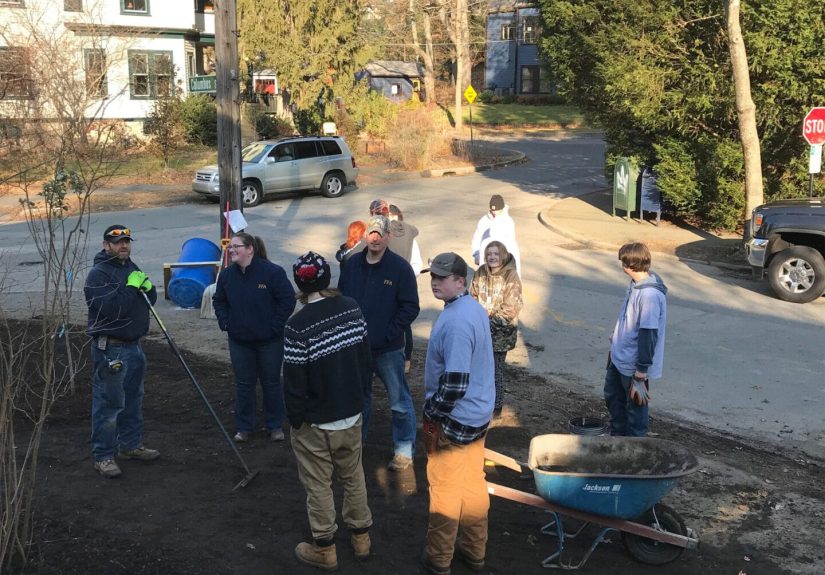
At the Newton Generation NEXT House, horticulture students from Minuteman Regional Vocational Technical High School stepped into a real residential landscape project and did what future green-industry professionals do best: they turned plans, plants, and plenty of physical effort into a living outdoor space. Their work was not just decorative. It was educational, technical, historical, and surprisingly emotionalespecially when old roses returned to the yard where they belonged.
This spotlight matters because it captures a larger shift in career and technical education. Horticulture is no longer treated as “just gardening,” the weekend hobby of people who own too many gloves and can identify a weed from across the driveway. Modern horticulture blends plant science, landscape design, sustainability, greenhouse production, soil management, environmental stewardship, and business skills. In short, it is STEM with better scenery.
What Happened at the Newton Generation NEXT House?
The Newton project brought together a classic home renovation setting and a group of students learning horticulture through direct, hands-on experience. With guidance from professionals, the students helped plant apple trees, peach trees, roses, and other landscape materials around the property. Instead of reading about site preparation in a textbook, they worked through the real thing: digging, placing, spacing, watering, checking roots, handling plants carefully, and making sure the finished landscape looked intentional rather than “a truck sneezed shrubs onto the lawn.”
The most memorable detail was the return of the roses. Earlier in the renovation, the roses had been removed and cared for so they could later be replanted. That small act turned a landscape job into a story about memory and continuity. Plants are living design elements, but they are also family markers. A rose planted by a parent or grandparent is not simply a rose. It is a fragrant little time machine with thorns.
For the students, the Newton project became more than a day of labor. It showed how horticulture connects technical skill with human meaning. A good landscape is not only measured by symmetry, bloom time, or soil pH. It is measured by whether it belongs to the people who live with it.
Why Horticulture Students Were the Perfect Fit
Minuteman’s Horticulture & Plant Science program focuses on the art, technology, and science of plants. That range is important. A student learning horticulture may study sustainable landscape horticulture one day, greenhouse management the next, and turf or plant science after that. The Newton project gave students a practical way to apply several of those disciplines at once.
They Understood Plants as Living Materials
Unlike brick, stone, or lumber, plants do not politely stay the same after installation. They grow, sulk, bloom, lean toward light, dislike bad drainage, and occasionally die in a way that makes everyone pretend not to notice. Horticulture students learn to think ahead. How wide will the tree canopy become? How much sun does this plant need? Will these roses have enough airflow? Is the soil compacted? Should mulch touch the trunk? Spoiler: no, it should not.
On a project like Newton, those questions matter. The best planting day is not only about making the yard look good immediately. It is about helping the landscape succeed in year one, year five, and year twenty.
They Practiced Real Jobsite Communication
Horticulture is a team sport. Students working on a residential project have to listen, ask questions, follow safety practices, coordinate tasks, and adapt when the site refuses to behave like the plan. Maybe a root ball is heavier than expected. Maybe the soil is rocky. Maybe the perfect plant location is not so perfect once someone discovers a buried obstacle. The yard always has opinions.
These moments teach professional habits. Students learn that being skilled means more than knowing plant names. It means showing up prepared, protecting the client’s property, respecting the design intent, and solving problems without turning every surprise into a crisis.
The Bigger Lesson: Hands-On Learning Works
The Newton spotlight is a strong example of why experiential learning is so powerful in horticulture education. Students can memorize the difference between annuals and perennials, but the lesson becomes permanent when they plant, maintain, and observe them. They can study soil structure, but it makes more sense when they feel compacted soil fight back against a shovel.
School gardens, greenhouse labs, landscape installations, and community projects help students connect science with visible results. A young person who plants a tree learns biology, ecology, measurement, patience, and responsibility. A student who helps restore a garden learns history, design, teamwork, and public service. That is a pretty good academic return for something that also makes a neighborhood look better.
In horticulture, the feedback loop is honest. If students water too little, plants wilt. If they plant too deeply, roots suffer. If they plan carefully, the landscape rewards them. There are no participation trophies from a peach tree. It either grows well or sends a leafy complaint letter.
Horticulture Is a Career Path, Not Just a Green Thumb
The phrase “green thumb” is charming, but it undersells the profession. Horticulture careers can include greenhouse production, nursery management, arboriculture, landscape operations, sustainable design, turf management, plant breeding, horticultural sales, floral design, public garden work, extension education, and research. Some roles are highly scientific. Others are creative, technical, entrepreneurial, or community-focused.
Students who begin with hands-on projects like Newton may later discover very different futures. One student might become a greenhouse grower managing climate controls and crop schedules. Another might become a landscape designer who creates pollinator-friendly residential gardens. Another might study plant pathology, because apparently some people enjoy solving tiny botanical murder mysteries. Another might run a small business installing edible landscapes for homeowners who want dinner growing beside the patio.
The industry needs people who can combine practical skill with environmental awareness. Landscapes today are expected to do more than look pretty. They may reduce runoff, support pollinators, manage heat, conserve water, produce food, and create healthier outdoor spaces. That makes horticulture students part of a larger conversation about climate resilience, urban design, and sustainable living.
What Students Learn From a Project Like Newton
Plant Selection
Every successful landscape begins with choosing the right plant for the right place. Students learn to match plants with light, soil, moisture, space, and maintenance expectations. A peach tree may sound delightful, but it still needs proper siting, pruning, pest awareness, and care. Fruit does not arrive just because someone said “orchard vibes” during planning.
Soil Preparation
Soil is the quiet foundation of horticulture. Students learn that healthy roots need oxygen, water movement, nutrients, and structure. On a real jobsite, they also learn that soil is rarely perfect. It may be compacted, sandy, clay-heavy, low in organic matter, or hiding construction debris. Good horticulture begins below the surface.
Landscape Installation
Proper installation is part science, part craft. Students practice measuring, spacing, digging, setting plants at the correct height, backfilling, mulching, and watering in. The work may look simple to a passerby, but small mistakes can create long-term problems. Planting too deep, piling mulch against stems, or ignoring drainage can turn an expensive landscape into a slow-motion apology.
Maintenance Thinking
A good horticulture student does not only ask, “How does it look today?” They ask, “How will this grow?” That question changes everything. It encourages students to think about pruning, irrigation, seasonal care, disease prevention, and future size. Great landscapes are not frozen pictures. They are living systems.
Why the Newton Spotlight Still Feels Relevant
The Newton story remains relevant because it shows how career and technical education can shine when students are trusted with meaningful work. These students were not doing a pretend assignment with plastic plants and imaginary clients. They were part of a real project connected to a real home, real homeowners, and a respected renovation program.
That kind of opportunity can change how students see themselves. A teenager who installs a tree on a publicized project may begin to think, “I can do this professionally.” A student who helps preserve family roses may understand that landscape work can carry emotional weight. A student who sees the finished yard may feel the quiet pride of having made something that will keep growing after they leave.
This is the GenNEXT idea at its best: the next generation learning directly from professionals, contributing to visible work, and discovering that skilled trades and plant sciences offer serious, rewarding futures.
Community Projects Build More Than Landscapes
Horticulture projects often create benefits beyond the property line. School gardens can support science lessons, nutrition education, teamwork, and community pride. Restored landscapes can preserve local history. Residential projects can model sustainable choices for neighbors. Public gardens can invite people outdoors and remind them that phones are not, in fact, the only things worth staring at for twenty minutes.
When students participate in these projects, they learn civic value. Their work becomes part of a neighborhood’s daily life. Someone may sit under a tree they planted. A child may pick fruit from a branch they helped establish. A homeowner may see a beloved rose bloom again. That is a powerful kind of education.
Experience Notes: What Horticulture Students Take Away From Newton-Style Work
The experience of working on a project like the Newton Generation NEXT House can stay with students because it engages the whole body and the whole brain. It is one thing to sit in class and hear that planting depth matters. It is another thing to kneel beside a root ball, check the soil line, adjust the hole, step back, look again, and realize that one inch can make the difference between a thriving plant and a struggling one. That kind of learning sticks because it has weight, texture, and a little dirt under the fingernails.
Students also experience the rhythm of professional landscape work. The day may begin with instruction and optimism, followed quickly by lifting, measuring, digging, correcting, watering, and cleaning up. There is satisfaction in watching a bare or unfinished area become organized and alive. A tree goes from container to ground. A rose returns to its place. A bed that looked like a construction afterthought becomes part of the home’s identity. The transformation is visible, and for students, visibility matters.
Another important experience is learning how emotional plant work can be. Many people think landscaping is mainly about curb appeal, but plants often carry stories. A rose may be connected to a family member. A fruit tree may represent future seasons. A garden bed may remind someone of childhood, migration, celebration, or loss. When students understand that, they become more thoughtful professionals. They learn to treat plants not as disposable decoration but as living pieces of a client’s world.
Newton-style projects also teach humility. Nature does not care how confident someone felt at 8 a.m. Soil may be harder than expected. Weather may interfere. A plant may need more careful handling than planned. Team members must adjust without blaming the shovel, the clouds, or the innocent shrub standing nearby. That flexibility is a career skill. In horticulture, success belongs to people who can observe, adapt, and keep learning.
Students may also discover which parts of horticulture excite them most. Some enjoy the design side: choosing shapes, colors, textures, and seasonal interest. Others prefer plant science, asking why roots behave a certain way or how diseases spread. Some like equipment, irrigation, hard work, and outdoor operations. Others are drawn to greenhouse production, where technology and plant growth meet in a controlled environment. A real project gives students a preview of many paths at once.
Perhaps the greatest takeaway is confidence. Completing a meaningful landscape task proves that students can contribute to work adults value. They are not waiting for the future to begin; they are already practicing it. The Newton spotlight shows students gaining skills, but it also shows them gaining identity. They are learners, yes, but they are also emerging horticulture professionals. And unlike a worksheet, a tree they plant can keep growing for decades.
Final Thoughts
GenNEXT Spotlight: Horticulture Students at Newton is more than a pleasant story about students planting trees and roses. It is a snapshot of what modern horticulture education can be: practical, scientific, creative, sustainable, and connected to real people. The Minuteman students did not simply help finish a yard. They demonstrated how young people can learn by doing, serve a community, preserve memories, and prepare for careers rooted in both skill and purpose.
In a world that needs greener cities, smarter landscapes, healthier food systems, and more sustainable outdoor spaces, horticulture students deserve the spotlight. They are not just planting for today. They are growing the next version of the industryone tree, one rose, one carefully dug hole at a time.