Table of Contents >> Show >> Hide
- Why “Proustian” Belongs in the Kitchen
- The Paris Edition: A City Printed in Memory
- Design Details That Make the Collection Work
- Why Tea Towels Make Excellent Literary Souvenirs
- Who Will Love a Proustian Tea Towel?
- How to Style the Paris Edition at Home
- The Emotional Power of Small Domestic Objects
- Experience Notes: Living With a Proustian Tea Towel, Paris Edition
- Conclusion
A tea towel may be the humblest citizen of the kitchen drawer. It dries a glass, rescues a hot pan, covers a cooling loaf, and occasionally moonlights as emergency gift wrap when wrapping paper has vanished into the same mysterious dimension as missing socks. But a new line of Proustian tea towels, Paris Edition, asks a more elegant question: what if a kitchen towel could do more than clean up crumbs? What if it could stir memory, carry a little literature, and make your sink area feel like it has read at least three pages of In Search of Lost Time before breakfast?
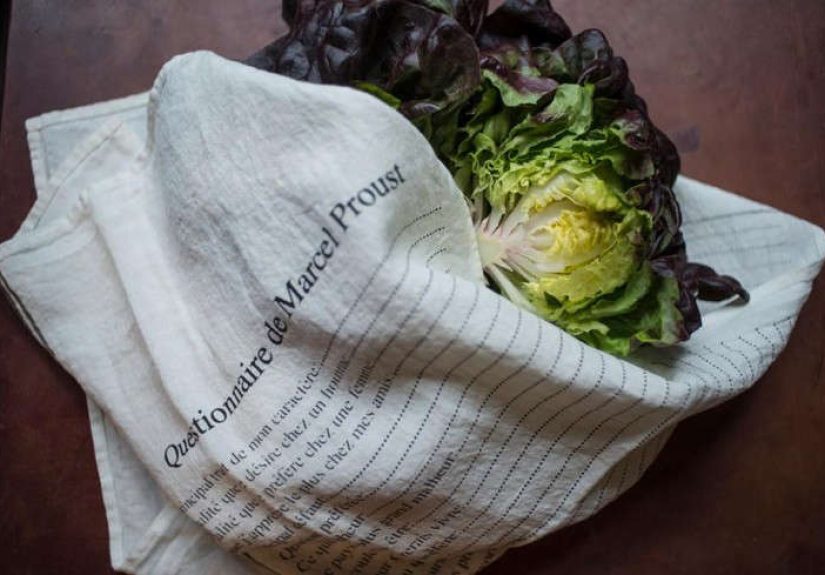
The charm of Proustian tea towels lies in the collision of two worlds: the practical and the poetic. On one side, there is the flat-woven cotton or linen towel, beloved because it is absorbent, lint-minimizing, easy to fold, and far more attractive than a paper towel roll sulking on the counter. On the other side, there is Marcel Proust, Paris, tea, madeleines, memory, and that famous literary moment when one bite unlocks a whole vanished world. Put them together and you get literary home decor that feels useful, clever, and just fancy enough to make drying dishes seem like cultural activity.
Why “Proustian” Belongs in the Kitchen
The word “Proustian” is often used to describe a sudden rush of memory triggered by taste, smell, sound, or texture. Proust’s most famous example appears in the first volume of In Search of Lost Time, where tea and a madeleine send the narrator back into childhood recollection. The scene has become shorthand for involuntary memory: not the kind you summon by trying hard, but the kind that appears uninvited, dramatic, and usually better dressed than your current thoughts.
That makes the kitchen the perfect place for a Proust-inspired object. Kitchens are full of memory traps. The smell of butter browning in a pan, a lemon being zested, wet linen drying near a window, coffee blooming in the morning, or a loaf coming out of the oven can instantly transport someone to a grandmother’s apartment, a first Paris trip, a college kitchen, or a Sunday breakfast that somehow tasted better because nobody had checked email yet.
A Proustian tea towel is not merely a towel with a pretty picture. Its real promise is emotional design. It turns an everyday textile into a small reminder that home is built from repeated gestures: pouring tea, wiping plates, folding linen, setting a table, and returning to familiar rituals. In a world obsessed with smart appliances, this is refreshingly analog. It does not need Wi-Fi. It needs a hook.
The Paris Edition: A City Printed in Memory
Paris has always been good at becoming an object. The city appears on postcards, scarves, matchboxes, notebooks, perfume labels, café menus, and, of course, tea towels. But the best Paris tea towels avoid the obvious souvenir trap. They do not simply shout “Eiffel Tower!” in a font that looks like it was chosen during a layover. They create atmosphere.
A Paris Edition of Proustian tea towels works best when it treats the city as a map of sensations. Imagine one towel devoted to the Tuileries, not as a tourist checklist, but as a pattern of green chairs, gravel paths, fountains, and the slow choreography of people pretending they are not people-watching. Another might sketch the Seine with booksellers, bridges, a bicycle, and a bateau-mouche sliding under gray-blue light. A third could honor the Ritz and the idea of tea time: paneled rooms, polished silver, soft pastry, and a madeleine that looks small but carries the emotional weight of a memoir.
This is where the Paris Edition becomes more than decorative kitchen linen. It becomes a set of portable scenes. A towel hanging beside the oven can suggest a walk through Montmartre, a café table near the Madeleine, a rainy afternoon near the Louvre, or a quiet room where books and pastry behave as if they have known each other forever.
Design Details That Make the Collection Work
1. Literary Motifs Without Looking Like Homework
A successful Proustian tea towel should nod to literature without turning the kitchen into a classroom bulletin board. The design can include madeleines, teacups, handwritten-style lines, book spines, café chairs, windows, and Parisian street names. But it should leave room for wit. A tiny madeleine beside a teacup can say more than a full paragraph printed across the fabric.
The best literary home decor is subtle enough to live with. Nobody wants to be scolded by a dish towel every time they rinse a mug. The tone should feel intelligent but warm: more “come have tea” than “please prepare for a quiz on modernist fiction.”
2. Cotton, Linen, or a Thoughtful Blend
Traditional tea towels are often associated with linen, while many modern kitchen towels use cotton or cotton-linen blends. Linen brings texture, durability, and a quietly elegant drape. Cotton offers softness, familiarity, and strong everyday performance. A blend can give the towel structure while keeping it friendly enough for daily use.
For a Paris tea towel collection, fabric matters because the object is likely to do double duty. Some buyers will use it aggressively, as nature intended: drying dishes, covering bread, lining trays, and cleaning hands during cooking. Others will hang it like small textile art, possibly whispering “très chic” while pretending they bought it for practical reasons. The ideal towel should survive both lifestyles.
3. Colors That Feel Like Paris, Not a Costume Party
Paris-inspired design does not have to rely on only red, white, black, and cartoon romance. A Proustian palette might include cream, ink blue, café brown, soft butter yellow, pewter gray, garden green, raspberry jam, and the pale gold of pastry just before someone says, “I’ll only have half,” and then absolutely does not.
These colors suit both classic and modern kitchens. They also support the theme of memory. Nothing should feel too shiny or artificial. Proustian design wants softness, patina, and the impression that the towel has already heard several interesting dinner conversations.
Why Tea Towels Make Excellent Literary Souvenirs
Souvenirs are tricky. Many are bought in a romantic mood and later discovered to have no natural habitat at home. A snow globe of Paris may charm you on vacation, but back in the kitchen it can look as if it took a wrong turn near the spice rack. A tea towel, however, earns its place. It is useful, foldable, giftable, washable, and light enough to pack without forcing your suitcase into moral crisis.
This is why Paris tea towels remain popular among travelers and design lovers. They turn memory into something functional. You do not have to frame them, though you can. You do not have to reserve them for guests, though your guests may admire them. You can use them every day, and that is exactly what makes them emotionally strong. A souvenir becomes more meaningful when it enters ordinary life.
A Proustian Paris Edition adds another layer. It is not only a memory of place; it is a memory about memory. That sounds delightfully dramatic for something that may also dry a cereal bowl, but that is the magic. The towel becomes a small reminder that beauty does not have to live behind glass. Sometimes it hangs from the oven handle.
Who Will Love a Proustian Tea Towel?
The obvious audience includes book lovers, Francophiles, Paris travelers, pastry people, tea drinkers, design collectors, and anyone who has ever used the phrase “just one more chapter” with heroic dishonesty. But the appeal is broader than that. A well-made literary tea towel can fit into many homes because it balances story and function.
For a host gift, it feels more personal than flowers and less risky than wine. For a housewarming present, it is useful without being boring. For a reader, it is clever without requiring another shelf. For someone who loves Paris, it offers charm without becoming touristy. And for the person who already owns too many mugs, it is a merciful alternative.
It also suits people who want their kitchens to feel collected rather than decorated. A Proustian towel can sit comfortably beside vintage plates, open shelving, copper pans, ceramic bowls, or a very modern espresso machine that looks like it knows secrets. The towel adds story, and story is often what makes a room feel human.
How to Style the Paris Edition at Home
Hang One Like Textile Art
If the illustration is especially beautiful, hang the towel flat from a simple wooden rail or clip hanger. This works well in kitchens, breakfast nooks, pantries, or even a reading corner. A Proustian design near a bookshelf and a tea tray may be almost too on theme, but in the best possible way.
Use It for Tea Service
Place the towel under a teapot, beside cups, or over a plate of madeleines, shortbread, or lemon cake. This is the towel’s natural habitat. It gets to be practical and theatrical at the same time, which is basically Paris in textile form.
Wrap a Gift With It
A tea towel makes beautiful reusable wrapping for a book, a tin of tea, a jar of jam, or a small box of pastries. Tie it with cotton ribbon and add a handwritten tag. Suddenly the wrapping is part of the gift, and the recipient does not have to pretend to enjoy glitter paper.
Rotate by Mood or Season
The Paris Edition could be collected as a seasonal set: pale garden tones for spring, café browns for fall, blue-gray Seine scenes for winter, and bright market motifs for summer. Rotating tea towels is an easy way to refresh a kitchen without repainting cabinets or making a decision involving tile, grout, and regret.
The Emotional Power of Small Domestic Objects
One reason the Proustian tea towel idea feels so appealing is that it respects small objects. Proust understood that memory does not always arrive through grand monuments. It can come through taste, scent, fabric, sound, or the angle of light in a room. A tea towel belongs to that same intimate category. It is touched often, washed often, folded often, and noticed in passing.
In home design, these repeated interactions matter. A beautiful chair may impress visitors, but a good tea towel becomes part of the household rhythm. It is there when soup splashes, when glasses need polishing, when bread comes out warm, when guests linger, and when someone makes tea because the day has become slightly too much. It collects use, and use becomes affection.
That is why a Proustian tea towel should not be treated as too precious. The point is not to preserve it forever in a drawer. The point is to let it participate in daily life. A little fading, softening, and creasing only make it better. Memory likes texture.
Experience Notes: Living With a Proustian Tea Towel, Paris Edition
The first experience of using a Proustian tea towel is visual. You see it before you need it. Hanging from the oven door or folded beside the sink, it changes the kitchen’s mood immediately. The room may still contain ordinary thingsdish soap, a stack of bowls, a spoon you keep meaning to return to the drawerbut the towel adds a small scene. Perhaps it shows the Seine, a madeleine, a café table, or a garden chair. Suddenly the kitchen feels less like a task zone and more like a place where a quiet ritual could happen.
The second experience is tactile. A good tea towel should feel crisp at first, then soften with washing. Linen especially has a pleasing seriousness to it, as if it has been doing responsible domestic work for centuries and has no time for drama. Cotton feels more relaxed and immediately useful. A cotton-linen blend often lands in the happy middle: structured enough to hang beautifully, soft enough to grab without ceremony.
The third experience happens during tea, coffee, or baking. Set a Proustian Paris towel beneath a cooling rack of madeleines, and the theme becomes almost comically perfect. But it also works with toast, croissants, banana bread, or the heroic grocery-store cookie placed on a plate with confidence. The towel frames the moment. It says: this snack is not random; this snack has atmosphere.
Guests notice it, too. A literary tea towel is a conversation starter that does not shout. Someone may ask where it came from. Someone else may mention Paris. A reader may bring up Proust. A baker may discuss madeleines. A practical person may simply say, “This is a nice towel,” which is perhaps the highest praise a kitchen textile can receive. Unlike many decorative pieces, it invites both admiration and use.
Over time, the towel becomes attached to your own routines. You may reach for it when making Sunday tea, drying wine glasses after dinner, wrapping a loaf for a neighbor, or wiping the counter after a long recipe that used too many bowls. That is when the Proustian idea becomes real. The towel is no longer only about Marcel Proust, Paris, or literary nostalgia. It starts storing your memories, too.
Maybe one day the smell of lemon cake, warm tea, and clean linen will bring back a whole season of your life: the apartment you lived in, the music you played while cooking, the friends who stood in your kitchen doorway, the rainy afternoon when you finally slowed down. That is a lot to ask from a tea towel, yes. But then again, Proust got an entire literary universe out of cake crumbs and tea. A well-designed towel can surely manage a little emotional heavy lifting.
Conclusion
A new line of Proustian tea towels, Paris Edition, succeeds because it understands that the best home objects are both useful and meaningful. They do not merely decorate; they participate. They dry dishes, wrap bread, soften with age, and quietly remind us that memory often lives in ordinary gestures.
By combining French kitchen linens, Paris-inspired illustration, literary home decor, and the emotional symbolism of Proust’s madeleine, the collection turns a simple textile into a daily invitation: make tea, notice beauty, and let the smallest details matter. The kitchen may not become a Paris salon overnight, but with the right towel, it can at least stop looking like it gave up before breakfast.