Table of Contents >> Show >> Hide
- How this list was built
- What actually makes a winter boot cosy and chic
- The 15 cosy but chic winter boots worth buying now
- 1) Asgard Waterproof Chelsea Rain Boot
- 2) Kamik Momentum 3
- 3) Sperry Saltwater Duck Lug Boot
- 4) Columbia Ice Maiden II
- 5) Columbia Bugaboot III
- 6) Merrell Thermo Chill 2 Mid Waterproof
- 7) The North Face Shellista VI Mid Waterproof
- 8) The North Face Chilkat V 400
- 9) KEEN Revel IV Polar Waterproof
- 10) Salomon X Ultra Snowpilot Waterproof
- 11) Sorel Caribou
- 12) Sorel Joan of Arctic
- 13) UGG Adirondack
- 14) Blundstone All-Terrain Thermal #2241
- 15) L.L.Bean Bean Boot 8-inch Shearling-Lined Insulated
- How to style winter boots so they look intentional
- Care tips that make boots last multiple winters
- Extended real-world experiences and wear scenarios
- Final thoughts
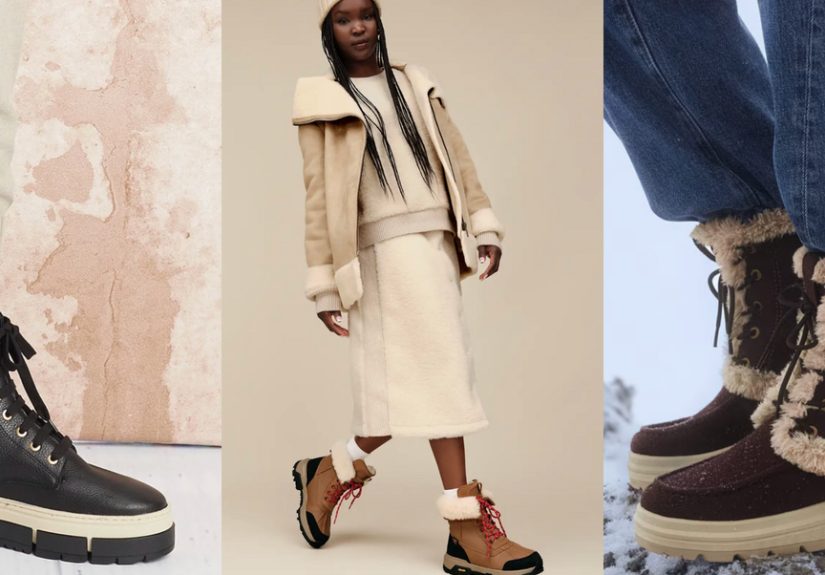
Winter boots have officially entered their main-character era. No longer stuck in the “marshmallow astronaut” aesthetic, today’s best pairs blend serious cold-weather engineering with silhouettes you can wear to brunch, a trailhead, or a Monday meeting without changing shoes in the parking lot like a secret agent. If your goal is to stay warm, dry, and stylish, this guide is your shortcut.
This edit focuses on boots that deliver where it matters most: waterproof protection, traction you can trust on slick sidewalks, practical insulation, and enough design polish to work with jeans, leggings, wool trousers, or a midi skirt. We’ve synthesized testing insights, expert buying criteria, and current retail pricing to curate 15 cosy-but-chic pairs worth buying nowstarting around £35 when converted from US sale pricing.
How this list was built
To create this roundup, we prioritized products repeatedly recommended across major US testing and editorial sources, then cross-checked technical specs on brand and retailer pages. We looked for:
- Verified winter performance (insulation, waterproof construction, outsole grip)
- Style range (Chelsea, duck boots, urban snow boots, and trail-ready hikers)
- Price diversity from entry-level options to premium investment pairs
- Real-life usability for commuting, travel, city walking, and winter hikes
What actually makes a winter boot cosy and chic
Warmth without bulk
Look for insulation that matches your climate and activity level. For quick errands, lighter insulation can feel more comfortable than ultra-heavy fill. For long outdoor sessions, boots with 200g+ synthetic insulation or warm removable liners usually perform better in sustained cold. The trick is matching “warm enough” to your daynot buying the warmest boot on Earth for a 20-minute school run.
Waterproofing that survives real weather
“Water-resistant” is nice. “Waterproof membrane + seam-sealed construction” is better when slush, rain, and salt are involved. If you regularly hit deep puddles or wet snow, choose full waterproof builds and a gusseted tongue so meltwater doesn’t sneak in through lace gaps.
Traction you can trust
Winter style is cute until the sidewalk turns into a skating rink. Prioritize rubber outsoles with deep, multidirectional lugs and a broader contact area under heel and forefoot. Better grip is the difference between looking confident and improvising tiny penguin steps across the parking lot.
Fit strategy for cold days
Try boots with the socks you’ll actually wear in winter. If you’re between sizes, many wearers prefer a little extra room for thicker socks and toe movement, which helps warmth and comfort over long walks. Heel slip, however, is your enemysecure lockdown at the ankle matters for stability.
The 15 cosy but chic winter boots worth buying now
Price notes: GBP equivalents are approximate conversions from US pricing and sales at about 1 USD ≈ £0.73. Prices vary by size, color, and retailer.
1) Asgard Waterproof Chelsea Rain Boot
Typical price: from about £35
Why buy: A budget-friendly Chelsea profile that looks clean with denim and straight-leg pants while handling wet commutes and light winter slush. Great gateway boot if you want style-first practicality without spending three figures.
2) Kamik Momentum 3
Typical price: from about £51 (sale)
Why buy: A classic snow-boot shape with serious weather intent and strong value on sale. Ideal for colder regions where you need dependable warmth but still want a modern, everyday-friendly look.
3) Sperry Saltwater Duck Lug Boot
Typical price: from about £48 (sale)
Why buy: This one nails the “coastal-preppy but winter-capable” vibe. Rubber lower + leather upper styling makes it easy to dress up casual outfits while keeping feet dry through rain and slush.
4) Columbia Ice Maiden II
Typical price: about £55–£74
Why buy: Lightweight, waterproof, and frequently praised as a value pick. If you want one pair for city errands, travel days, and occasional snow without heavy bulk, this is a strong all-rounder.
5) Columbia Bugaboot III
Typical price: about £66 (sale)
Why buy: A sturdier step up for colder, wetter conditions. It leans practical and dependable, with a shape that still pairs well with leggings, fleece-lined tights, or technical winter layers.
6) Merrell Thermo Chill 2 Mid Waterproof
Typical price: about £73
Why buy: If your winter includes park loops, frosty trail walks, and weekend nature breaks, this hiker-inspired boot is a sweet spot between athletic comfort and winter insulation.
7) The North Face Shellista VI Mid Waterproof
Typical price: about £88–£121
Why buy: Stylish enough for city wear, technical enough for rough weather. It combines a flattering winter silhouette with waterproof build and meaningful warmth for day-to-day cold snaps.
8) The North Face Chilkat V 400
Typical price: about £117
Why buy: A high-insulation workhorse. Best for people who prioritize warmth and traction over minimalism. Think dog walks at dawn, snowy sidelines, and genuinely cold forecasts.
9) KEEN Revel IV Polar Waterproof
Typical price: about £105–£140
Why buy: This is your “winter hiking but make it wearable” boot. Notably warm, good snow-and-ice grip, and designed for active days where you’re moving more than standing around.
10) Salomon X Ultra Snowpilot Waterproof
Typical price: about £89–£118
Why buy: Trail DNA in a winter shell: stable platform, weather-ready build, and comfort for longer mileage. If your winter weekends include elevation or icy paths, it earns its space in your rotation.
11) Sorel Caribou
Typical price: about £109–£165
Why buy: An iconic winter classic with serious warmth credentials and a recognizable heritage look. The removable liner and rugged construction make it a dependable deep-winter choice.
12) Sorel Joan of Arctic
Typical price: about £106 (sale) to £176 (regular)
Why buy: Plush, protective, and unmistakably winter-chic. It delivers statement styling with practical waterproof protection for stormy days and cold city outings.
13) UGG Adirondack
Typical price: about £184
Why buy: A premium comfort pick that blends cozy interior feel with outdoor-ready performance. If you want luxe warmth that can still handle ugly weather, this is a favorite in many editor roundups.
14) Blundstone All-Terrain Thermal #2241
Typical price: about £202
Why buy: Sleek Chelsea energy meets serious winter tech (insulation, waterproof leather, high-traction outsole). Great for minimalists who want one boot to do almost everything.
15) L.L.Bean Bean Boot 8-inch Shearling-Lined Insulated
Typical price: about £212
Why buy: A heritage legend with a warm shearling-lined upgrade. Excellent for wet winter conditions and timeless style that never really leaves your wardrobe rotation.
How to style winter boots so they look intentional
Formula 1: City casual polish
Insulated Chelsea boots + straight jeans + chunky knit + long wool coat. Add ribbed socks peeking 1 inch above the boot shaft for a “styled, not accidental” finish.
Formula 2: Cold-weather athleisure
Hiking-style winter boots + fleece leggings + oversized puffer + beanie. Keep your color palette tight (black, cream, olive, or navy) for a clean, expensive-looking silhouette.
Formula 3: Feminine contrast
Snow boots with a midi knit dress + thermal tights + cropped shearling jacket. The contrast between rugged outsole and soft knit reads modern and editorial, not bulky.
Care tips that make boots last multiple winters
- Wipe off road salt after each wear to protect leather and stitching.
- Dry boots naturally away from direct heaters to avoid material cracking.
- Rotate pairs so insulation and footbeds can fully dry between wears.
- Use a waterproofing treatment appropriate to your upper material.
- Replace worn insoles before replacing the whole bootcomfort often returns fast.
Extended real-world experiences and wear scenarios
Below is a longer, practical section based on tester notes and buyer-reported patterns across major reviews and retail feedback. Think of it as the “what this actually feels like in real winter life” chapter.
On weekday commutes, people consistently describe a big difference between “fashion boots that survive winter” and true winter boots with grip-first soles. The former may look sleek at your desk but can feel slippery on painted crosswalk lines and salted sidewalks. Boots like the Shellista, Ice Maiden II, and insulated Chelsea hybrids are often praised because they don’t force a style compromise: you can step into a warm train station, then into slush, without feeling under-equipped. A common user note is that lightweight boots are easier to keep on all dayespecially if you walk between transit stops and office buildings. In short: if you’re moving constantly, less weight matters more than people expect.
For parents and pet owners, the “on-off speed” factor comes up a lot. Pull-on or side-gore designs (Blundstone, duck Chelsea variants, waterproof ankle boots) win for quick exits, school drop-offs, and early dog walks. Laced snow boots still dominate in deep snow, but many buyers keep both styles: one fast pair for short daily runs and one heavy-duty pair for true storms. Another repeated experience is sock management. Thick socks can transform a great boot into a cramped one, while a slightly roomier fit improves warmth because toes can move and circulation stays better. Many buyers who size up by half report happier feet on long cold days.
Weekend walkers and hikers report that insulation “on paper” is only part of the story. Stability, outsole geometry, and cushioning decide whether a two-hour winter walk feels energizing or exhausting. Hiker-leaning boots like the Thermo Chill, Revel IV Polar, and Snowpilot styles are frequently preferred for mixed terrain because they feel more athletic underfoot than traditional pac boots. Meanwhile, classic heavy insulated models still win when temperatures plunge and standing time is longthink sideline sports, holiday markets, or outdoor events where you’re not generating much body heat by moving.
Travelers often mention that airport-to-snow transitions are where versatile boots earn their price. A pair that can handle rain in one city and snow in another saves luggage space and mental effort. Users also love boots that clean up quickly after exposure to salt and dirty slushsmooth leather and rubber lowers are easier to maintain than delicate suede in messy climates. Another common lesson: dark colors hide winter grime better and look sharper for longer between cleanings.
Finally, there’s the style-confidence effect. People repeatedly say they wear winter boots more often when the silhouette feels aligned with their wardrobe identity. If someone sees themselves as minimalist, they reach for streamlined insulated Chelseas. If they love mountain-aesthetic dressing, they choose lace-up snow boots with visible hardware and textured outsoles. If comfort is the priority, plush-lined options become daily defaults. The practical takeaway is simple: the “best” boot is usually the one you genuinely want to wear five days a week. Warmth, waterproofing, and traction are non-negotiablebut once those boxes are checked, personal style is what turns a good purchase into a great one.
Final thoughts
If your winter boot plan has been “wear whatever and hope for the best,” this is your sign to upgrade strategically. Start with your main use casecommuting, snow days, or winter hikingthen choose the lightest, warmest, most weatherproof option that still matches your style. From entry picks around £35 to premium all-terrain investments, the right pair can make winter feel a lot less like survival mode and a lot more like a season you actually enjoy.