Table of Contents >> Show >> Hide
Note: The 30 tweet-style observations below are original paraphrases based on real-world Australian Christmas traditions and reporting, not reproduced social posts.
If your mental image of Christmas includes snowflakes, wool socks, and a heroic battle with frozen windshield wipers, Australia would like a quick word. Down under, Christmas lands in the middle of summer, which means the holiday season comes with sunshine, beach trips, backyard cricket, seafood platters, and enough sunscreen to make a dermatologist misty-eyed. It is still Christmas, of course. There are trees, lights, presents, carols, and family traditions. But the vibe is less “cozy cabin in a snowstorm” and more “who left the pavlova in the sun?”
That contrast is exactly why Christmas in Australia fascinates people from colder parts of the world. It looks familiar at first glance, then gloriously strange on closer inspection. Santa is still around, but now he feels like a man making deeply questionable wardrobe choices. The feast still matters, but it may involve prawns, ham, fresh fruit, and a cold drink instead of a steaming roast that fogs every window in the house. And December 26 is not just the sleepy aftermath of Christmas Day. In Australia, Boxing Day brings major sporting traditions, shopping crowds, and the start of one of the world’s most famous yacht races.
So, what is Christmas in Australia really like? Think of the following as 30 tweet-sized truths that capture the mood, the food, the heat, the chaos, and the very specific kind of festive energy that only comes from celebrating December 25 while the sun is out and the grill is already hot.
30 Tweet-Sized Truths About Christmas in Australia
- Tweet 1: Christmas in Australia is the annual reminder that the rest of the English-speaking world built its holiday aesthetic around the wrong hemisphere.
- Tweet 2: Nothing says “festive spirit” quite like wearing a Santa hat with flip-flops and immediately regretting both choices.
- Tweet 3: Australians do not dream of a white Christmas nearly as much as they dream of shade, cold drinks, and an air conditioner that does not quit on December 24.
- Tweet 4: The soundtrack may be carols, but the setting is often blue sky, blazing light, and someone asking who packed the beach umbrella.
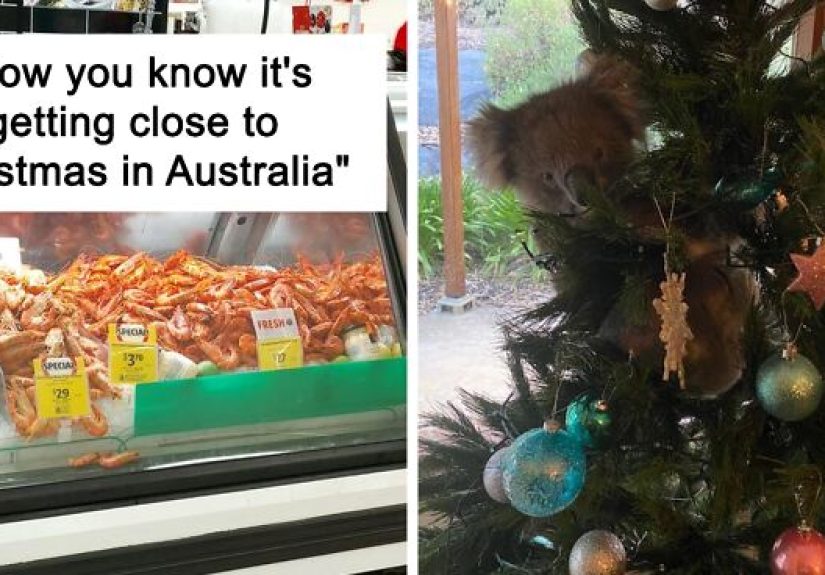
- Tweet 5: Christmas lunch can look like a seafood celebration, with prawns, oysters, and cold platters stealing the spotlight like edible celebrities.
- Tweet 6: There is always one person insisting on a full roast dinner as if the weather is not trying to turn the kitchen into a legal form of punishment.
- Tweet 7: Pavlova is not just dessert. It is a fragile peace treaty between sweetness, fruit, whipped cream, and family opinions.
- Tweet 8: Backyard cricket is the unofficial Olympic event of Australian Christmas, complete with disputed rules and one aunt who suddenly becomes ultra-competitive.
- Tweet 9: The phrase “Christmas barbecue” sounds strange until you realize it makes perfect sense when it is sunny enough to cook both lunch and your patience.
- Tweet 10: Kids can open presents in the morning and be at the beach before lunch. Honestly, that is an elite holiday schedule.
- Tweet 11: Santa in a sleigh feels slightly less believable when the forecast says beach weather and the nearest snow is a plane ride away.
- Tweet 12: Christmas decorations still feature fake snow, because apparently tradition is tradition even when the driveway could fry an egg.
- Tweet 13: Carols by candlelight somehow feels even more magical outdoors, where the air is warm and the night sounds like summer wearing glitter.
- Tweet 14: There is no stronger Australian pre-Christmas ritual than lining up for seafood like the nation is preparing for a delicious emergency.
- Tweet 15: The most Australian Christmas photo imaginable is probably a beach towel, a Santa hat, sunglasses, and someone holding a plate of prawns.
- Tweet 16: Boxing Day is not a gentle recovery day. It is a full sequel with cricket, yacht racing, shopping, leftovers, and zero intention of slowing down.
- Tweet 17: The Boxing Day Test is proof that in Australia, holiday tradition and elite sport are basically roommates.
- Tweet 18: The Sydney to Hobart race begins the day after Christmas, because apparently Australians looked at a festive season and said, “Now add ocean drama.”
- Tweet 19: Summer school holidays give Christmas a genuine vacation feel, which is wonderful for kids and suspiciously loud for parents.
- Tweet 20: Fresh cherries, mangoes, watermelon, and stone fruit show up at Christmas like summer itself decided to bring a gift basket.
- Tweet 21: Some people eat lunch indoors. Others migrate to a deck, a garden, or a beach like festive nomads with better snack options.
- Tweet 22: Australian Christmas is deeply multicultural, which means family menus can jump from ham and prawns to dumplings, curries, noodles, and trifle without blinking.
- Tweet 23: The phrase “hot Christmas” sounds romantic until you try to assemble toys in a living room that feels like a toaster with furniture.
- Tweet 24: There is always one relative who says, “It’s not that hot,” while visibly melting into the patio chair.
- Tweet 25: Holiday style in Australia ranges from linen shirts and sundresses to board shorts and bare feet. Formality is invited, but comfort usually wins.
- Tweet 26: Bushfire season can sit uncomfortably in the background of summer, reminding everyone that Australian Christmas can be joyful and serious at the same time.
- Tweet 27: Christmas in Australia is basically proof that festive magic does not require snow. It just needs people, food, laughter, and maybe a decent esky full of ice.
- Tweet 28: The holiday mood is less “gather by the fireplace” and more “everyone move closer to the fan.”
- Tweet 29: An Australian Christmas can be casual, loud, sun-soaked, slightly chaotic, and still unexpectedly sentimental by sunset.
- Tweet 30: Once you have seen Christmas celebrated with sunshine, seafood, and sand, it becomes very hard to believe the holiday only belongs to winter.
What These 30 “Tweets” Actually Reveal About an Australian Christmas
1. Summer Changes the Entire Personality of the Holiday
The biggest difference is the most obvious one: Christmas in Australia happens during summer. That single fact changes nearly everything. It shifts the food toward lighter options, pushes gatherings outdoors, makes swimming and beach trips feel completely normal, and gives the whole season a looser, breezier mood. In cold-weather countries, Christmas often feels wrapped in layers of coziness and hibernation. In Australia, it feels sunlit, social, and mobile. People picnic, travel, fire up the grill, and organize celebrations around heat, daylight, and the practical question of where to find the coolest patch of shade.
2. The Food Is Festive, But It Is Also Heat-Aware
Australian Christmas traditions around food are wonderfully flexible. Yes, some families still serve turkey, pork, or glazed ham. But because the weather can be hot, cold seafood often becomes the star. Prawns, oysters, lobster, salads, fruit platters, and chilled desserts all make sense when nobody wants to feel like they swallowed a radiator. Pavlova, with its crisp shell and soft middle topped with cream and fresh fruit, fits this climate beautifully. It looks celebratory, tastes light, and disappears fast enough to start family debates about who got the biggest slice.
And this is where Australian Christmas feels especially modern and relatable. It keeps the symbolism of the big holiday meal, but adapts it to the climate instead of fighting it. That flexibility is part of the charm. The feast is still important. It is just wearing sunglasses.
3. The Holiday Is Deeply Social and Outdoorsy
Christmas in Australia often spills outside. Verandas, backyards, beaches, parks, and patios become extensions of the dining room. That outdoor energy creates a specific kind of holiday memory: kids running through sprinklers, adults hovering around the barbecue, someone losing a cricket ball in the hedges, and everybody pretending the dessert is “safe in the shade” when absolutely nobody believes that. It is festive, but never stiff.
This also helps explain why Australian Christmas often seems so photogenic in a completely different way from the snow-globe version. Instead of candlelight reflecting off frosted windows, you get bright skies, ocean water, gum trees, holiday lights in warm air, and tables full of colorful summer food. It is not trying to imitate a European winter postcard. It has its own look, its own rhythm, and frankly, its own very persuasive case.
4. Boxing Day Is Practically a Second Holiday
In many countries, December 26 feels like a leftovers-only blur. In Australia, Boxing Day has real weight. It is tied to public holiday traditions, retail rushes, the Boxing Day Test at the Melbourne Cricket Ground, and the start of the Sydney to Hobart Yacht Race. In other words, Christmas does not so much end as level up. This gives the entire festive period a broader cultural shape. It is not just one day of presents and lunch. It is a multi-day stretch of celebration, sport, travel, family, and national rituals that feel instantly recognizable to Australians.
5. It Is Traditional and Flexible at the Same Time
One of the most interesting things about Christmas in Australia is that it keeps many familiar holiday symbols while remixing the atmosphere around them. There are still trees, ornaments, gift exchanges, church services for those who observe them, Christmas Eve events, and carols. But all of it exists in a country where December means long days, school holidays, beach traffic, and serious sunscreen. That creates a holiday identity that feels inherited and local at once.
It also leaves plenty of room for multicultural traditions. Modern Australian Christmas celebrations can include roasts and rice dishes, pavlova and baklava, seafood and dumplings, carols and backyard playlists. That mix reflects the country itself. The result is not one rigid national script, but a wide, evolving holiday style shaped by climate, migration, family history, and whatever is currently chilling in the fridge.
Why the Internet Loves Talking About Christmas in Australia
There is a reason this topic performs so well online. “Christmas in Australia” instantly flips expectations. It takes one of the world’s most image-heavy holidays and turns the visual language upside down. Snow becomes sand. Sleigh bells meet surfboards. Roasting chestnuts lose ground to seafood platters and fruit salads. It is surprising, funny, visually vivid, and easy to imagine in short-form social posts. That is why tweet-style observations work so well here: the contrast is built in.
But beneath the jokes, people are responding to something more meaningful too. Australian Christmas traditions show that holidays are not fixed costumes. They adapt. They move with geography, culture, and daily life. Christmas can be celebrated in heat, in sunlight, in shorts, with cricket bats nearby and ocean air in the background, and it still feels festive, emotional, and full of ritual. The details change. The heart of it does not.
More Experiences That Capture What Christmas in Australia Feels Like
Imagine waking up early on Christmas morning and the first thing you notice is not silence from falling snow, but bright sunlight already pushing through the curtains. The house is warm before breakfast. Someone has put fruit in the fridge, someone else is checking on seafood, and there is a low-level family negotiation happening about timing, because hot weather turns every meal into a strategic operation. Presents are opened with fan blades spinning overhead. Wrapping paper sticks to ankles. A Santa hat appears briefly, then disappears once everyone admits it is much too hot for synthetic cheer.
By late morning, the day starts to spread out. Maybe relatives arrive carrying salads, desserts, extra ice, and strong opinions. Maybe the table is indoors, or maybe it moves outside because the deck is breezier. Kids drift between new toys and outdoor games. The adults pretend lunch is under control while casually opening the refrigerator every four minutes as though that will help. Somewhere nearby, there is almost certainly a bowl of cherries, a platter of prawns, and a person assigned to peel things for the rest of the family like a festive public servant.
Then comes the very Australian magic of the afternoon. It can look a dozen different ways: a nap under a fan, a game of backyard cricket with impossible house rules, a quick walk, a swim, a beach trip, or just everybody slowly surrendering to the heat and the food at the same time. The holiday does not always feel formal. It feels lived in. It feels like summer itself has been invited to the table and refuses to sit quietly.
As evening comes, the mood changes again. The sun softens. The day becomes less about logistics and more about atmosphere. Conversations get slower, funnier, and a little nostalgic. Children start to droop. Someone goes hunting for leftovers. Someone else starts talking about Boxing Day plans, whether that means cricket on television, a shopping trip, travel, or simply doing nothing with professional dedication. And if there are carols on in the background, they somehow land differently in warm air. They sound less like a winter soundtrack and more like a tradition that has traveled well.
That is probably the best way to describe Christmas in Australia. It is not a novelty version of the holiday. It is not Christmas with the settings changed for comedic effect. It is a full, confident variation with its own emotional logic. It can be joyful, loud, relaxed, sweaty, delicious, chaotic, and deeply sentimental all in one day. It holds onto the familiar parts people love, then lets the landscape rewrite the rest. And that is why so many people online are fascinated by it. Christmas in Australia proves that festive spirit does not come from temperature. It comes from the stories people build around the day, the people they spend it with, and the rituals that make a place feel unmistakably like home.
Conclusion
If you came here expecting a cute list about Santa on the beach, hopefully you leave with something better: a clearer picture of how Australian Christmas traditions really work. Yes, the memes are accurate. It is hot. The seafood is serious. The beach is absolutely part of the story. Boxing Day is a cultural event, not just a date on the calendar. But the deeper truth is that Christmas in Australia is not strange because it is different from a snowy Northern Hemisphere holiday. It is memorable because it shows how flexible traditions can be while still feeling meaningful. Same holiday, different weather, excellent snacks.