Table of Contents >> Show >> Hide
- What Are Five Two Airtight Silicone Lids, Exactly?
- What You Get in the Set
- Material, Safety, and Temperature Limits
- How the Airtight Seal Works (And When It Won’t)
- What You Can Use Them For
- Why People Buy Them: The Real-World Value
- How They Compare to Other Lid Options
- Cleaning, Stains, and Smells: Keeping Silicone Fresh
- Food Safety: Airtight Is Helpful, But Timing Still Matters
- Who These Lids Are Best For
- When You Might Skip Them
- FAQs About Food52 Five Two Airtight Silicone Lids
- Experiences: Real-Life Ways People Actually Use These Lids (Extended)
- Conclusion: Are Food52 Five Two Airtight Silicone Lids Worth It?
If your kitchen has a “lid drawer,” you already know the truth: lids are like socks in a dryerdestined to disappear, reappear, and then vanish again right when you’re trying to save the last two scoops of chili. Enter the Food52 Five Two Airtight Silicone Lids, a set designed to replace a whole lot of plastic wrap, foil, and frantic container-matching with one simple move: cover the thing you already cooked in.
These reusable silicone lids are meant to sit on smooth-rimmed pots, bowls, and baking dishes and create a snug, airtight seal. They also moonlight as microwave splatter guards and oven-safe covers. In other words, they’re trying to be the Swiss Army knife of “please keep my food from drying out and my fridge from smelling like onions.” Andspoilerthey’re surprisingly good at the job.
What Are Five Two Airtight Silicone Lids, Exactly?
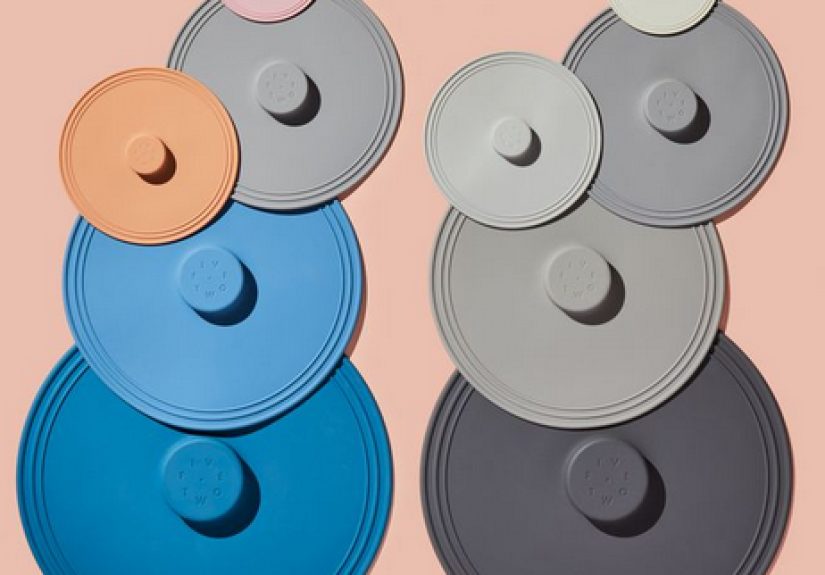
Five Two is Food52’s in-house line of kitchen gear. Their airtight silicone lids are thick, flexible (but not “stretchy lid” flexible), and designed to seal by suction on compatible rims. The signature feature is a small center knob: place the lid, then gently tug the knob to confirm you’ve got suction and an airtight seal.
The set is especially appealing if you cook often and store leftovers constantlybecause instead of transferring food into yet another container, you can cover the pot or bowl you already used and put it straight into the fridge.
What You Get in the Set
The Five Two set typically includes five round lids in graduated sizesbuilt to cover everything from a mug-sized bowl to a big casserole dish. Reported diameters are:
- 4 inches
- 6 inches
- 8 inches
- 10 inches
- 12.5 inches
That range is the whole point: instead of owning 17 mismatched lids that fit 2.5 containers, you get a clean size ladder that covers most round cookware and many round-ish serving pieces.
Stackable Storage (A Small Miracle)
One detail people love: the lids nest together into a slim stack, so they don’t demand their own cabinet zip code. They’re easy to grab, easy to see, and much easier to store than a pile of glass lids that clank like wind chimes every time you open the drawer.
Material, Safety, and Temperature Limits
Five Two positions these lids as a higher-end silicone option: BPA- and BPS-free silicone that’s designed for repeated use. Multiple reviewers and listings note they’re heat-safe up to about 550°F, which puts them in “oven-friendly” territory for many home-cooking tasks (think covered casseroles or keeping a pot warm). They’re also commonly described as microwave-safe, freezer-safe, and dishwasher-safe.
Important Reality Check: “Oven-Safe” Doesn’t Mean “Everything-Safe”
Even when a silicone lid is rated for high heat, there are practical boundaries. For example, broilers and toaster ovens can create intense, direct heat close to the heating element. Some guidance around these lids specifically cautions against those uses. If you’re unsure, treat them like you would a silicone spatula: great for heat, but don’t put it in the line of fire like it owes you money.
How the Airtight Seal Works (And When It Won’t)
The seal depends on two things:
- A smooth rim (glass, ceramic, metalanything without chips, heavy texture, or a big pouring spout that breaks contact).
- The right size match (generally, the lid should be just slightly larger than the container’s opening so it can sit flat and seal).
If you’ve used suction-style lids before, you’ll recognize the behavior: it seals beautifully on a clean, smooth surface…and it gets moody on ridged bowls or containers with thick lips.
Pro Tip: Dry Rim = Better Seal
Wipe the rim dry before sealing. A little moisture or oil can make the lid slide instead of grip, and then you’re back to “cling wrap origami” at 11 p.m.
What You Can Use Them For
The best part of the Food52 Five Two Airtight Silicone Lids is that they’re not limited to one role. They’re multi-taskerswithout the smugness.
1) Storing Leftovers Without Transferring Containers
This is the headline use case: cover your saucepan, Dutch oven, mixing bowl, or serving dish and refrigerate it. You skip the extra container, skip the extra lid hunt, and reduce the number of dishes you’ll have to wash later.
Specific example: You make taco filling in a skillet and have leftovers. Instead of shoveling it into a plastic container, you let the pan cool slightly, seal the lid, and refrigerate. The next day, you reheat in the same pan. One vessel. One lid. One less reason to sigh at the sink.
2) Microwave Splatter Shield
Microwave splatter is basically modern artexcept you didn’t want it, and it smells like marinara. These lids can act as a microwave cover, helping block splatters while still keeping food moist.
3) Oven Cover for Baking Dishes
Many recipes ask you to cover a dish tightly with foil to prevent drying and to trap steam. A silicone lid can do that job for round baking dishesespecially when you want a good seal and don’t want to burn through roll after roll of foil.
Where this shines: baked pasta, potatoes, slow-roasted vegetables, or anything you want to stay tender under cover before uncovering to brown.
4) Proofing Dough or Resting Batter
If you bake, you know the pain of covering a bowl of dough: plastic wrap clings to itself, towels dry out, and lids never fit. A silicone lid can hold in humidity and keep the surface from dryingespecially for short proofs or rests.
5) Serving and “Keep Warm” Moments
Put the lid on a serving bowl to keep food warm while you finish the rest of dinner. Or cover a salad bowl so it doesn’t pick up “fridge perfume” while it chills. It’s the quiet kind of useful that you only notice when it’s missing.
Why People Buy Them: The Real-World Value
They Replace a Lot of Single-Use Stuff
The obvious win is reducing reliance on plastic wrap and foil. If you cook often, those little squares add up fastespecially when you’re covering bowls, half-cut melons, or plates of leftovers.
They Reduce “Container Overhead”
So many leftovers don’t need a new containerthey just need a cover. If you’re already using a pot or bowl that stores well, sealing it directly saves time, space, and that annoying moment when you realize all your containers are occupied by…other leftovers.
They’re Built for Visibility and Access
Compared with a chaotic pile of random lids, a five-piece set that nests and is easy to identify can actually change the flow of your cooking routine. It sounds dramatic until you experience how nice it is to grab the exact size you need without excavating the kitchen like an archaeologist.
How They Compare to Other Lid Options
Five Two vs. Plastic Wrap
- Better: reusable, sturdier seal, less waste, no “wrap stuck to itself” issues.
- Tradeoff: plastic wrap can cover odd shapes more easily; these prefer smooth rims and mostly round openings.
Five Two vs. Foil
- Better: reusable, consistent seal, less tearing/leaking.
- Tradeoff: foil works on any shape; these are best on round cookware and dishes with a clean rim.
Five Two vs. Glass/Pan Lids
- Better: lightweight, easy to store, fits multiple pans, doubles for storage.
- Tradeoff: glass lids are rigid and often fit a specific pot perfectly; silicone can shift if the rim is wet or irregular.
Five Two vs. Stretch Silicone Lids
Stretch lids wrap over the outside of containers. Five Two lids are more of a suction-seal cover that sits on top. Stretch lids can be great for odd shapes; suction lids can be faster and cleaner when the surface is compatible.
Cleaning, Stains, and Smells: Keeping Silicone Fresh
Silicone is generally dishwasher-friendly, but it can sometimes hold onto odors from strongly flavored foods (garlic, curry, fish). If you notice lingering smells:
- Do a deep wash: hot water + dish soap + a longer scrub time than you think you need.
- Try a baking soda soak: a gentle deodorizing method many home cooks use for silicone tools.
- Don’t store them sealed while damp: let them fully dry before stacking to avoid that “mysterious drawer smell.”
Also, avoid cutting or scraping directly on them with sharp utensils. These are lids, not cutting boardsno matter how confident your knife feels.
Food Safety: Airtight Is Helpful, But Timing Still Matters
An airtight lid helps reduce exposure to air (and fridge odors), but it doesn’t “pause” food safety. The big rule is still the big rule: refrigerate perishable leftovers promptly. U.S. food-safety guidance commonly recommends refrigerating cooked leftovers within 2 hours (or within 1 hour if food sits out in temperatures above 90°F), and keeping your fridge at 40°F or below.
Practical takeaway: let hot food cool slightly so it’s not steaming like a volcano, then portion into shallower containers if neededor cover and refrigerate when the vessel can cool safely. The lids can help once it’s in the fridge, but the clock starts when dinner ends.
Who These Lids Are Best For
Home cooks who meal prep or cook most nights
If you routinely have leftover rice, sauces, soups, or roasted vegetables, you’ll use these constantly.
People trying to cut down on single-use kitchen waste
If your goal is fewer rolls of plastic wrap and foil, reusable silicone lids are a direct swap in many everyday situations.
Small-kitchen dwellers
Nesting lids that replace multiple container-lid combos can be a win when cabinet space is limited.
When You Might Skip Them
- You mostly use square/rectangular containers: round lids won’t cover everything you own.
- Your cookware rims are irregular: heavily textured stoneware or chipped rims can break suction.
- You want a “clamp shut” leak-proof travel lid: these are great for covering, but they’re not a latched container system for tossing into a backpack upside down.
FAQs About Food52 Five Two Airtight Silicone Lids
Do they really seal airtight?
On smooth rims, yesmany testers describe a noticeable seal and a satisfying release when you remove them. Performance depends on rim material, dryness, and size match.
Can I use them in the oven?
They’re widely described as oven-safe up to high temperatures (around 550°F). Still, avoid direct high-heat sources like broilers/toaster ovens unless the manufacturer explicitly says it’s okay.
Are they dishwasher-safe?
Commonly described as dishwasher-safe. If you want to preserve appearance longer, top-rack placement and avoiding harsh detergents can help (and always let them dry fully).
Will they fit my pan?
If your pan is round and has a smooth rim, there’s a good chance. The set’s range from small to large covers a lot, but not everythingespecially wide-lipped, square, or very textured pieces.
Experiences: Real-Life Ways People Actually Use These Lids (Extended)
Because “airtight silicone lids” sounds a little like a product category invented by a spreadsheet, it helps to picture how these get used in real kitchens. Below are experience-based scenarios drawn from common routines home cooks describeplus the kind of day-to-day moments that make a tool earn its keep.
The “I Refuse to Wash Another Container” Weeknight
You make a pot of soup. It’s great. Everyone eats. There’s leftovers. Normally, this is where you’d start the container shuffle: ladle into a storage tub, find the right lid, realize the lid is missing, then “temporarily” cover the container with foil like a tiny metallic hat. With the Five Two lids, you let the pot cool a bit, wipe the rim, press the lid, and stick the whole pot in the fridge. Next day, you reheat right where you left off. The lid basically turns your cooking vessel into a storage containerwithout the awkward “why do I own 14 containers and none are available?” spiral.
The Lunch Prep Shortcut
Lunch prep doesn’t always mean elaborate meal prep; sometimes it means “please don’t let my chopped cucumbers taste like last night’s garlic.” A medium lid over a mixing bowl becomes the fastest way to stash cut veggies, leftover grains, or a quick vinaigrette. You can even prep components in the same bowl you’ll serve from later. The lids support that “prep now, assemble later” rhythm that makes weekday eating feel less like a chaotic scavenger hunt.
The Microwave “Splash Zone” Rescue
If you’ve ever microwaved pasta sauce, you know it can redecorate the inside of your microwave in seconds. A silicone lid as a splatter guard is one of those small quality-of-life upgrades that feels oddly luxurious. You’re not just avoiding mess; you’re also keeping food from drying out. It’s the difference between reheated rice that’s pleasantly steamy and reheated rice that crunches like it’s auditioning to become a crouton.
The “Bring It to the Table” Move
Say you’re serving taco night or a casual dinner where food sits out while everyone builds their plate. A lid keeps things warm and protected without the fuss of juggling matching pot lids. It’s also great for parties: cover a bowl of dip between rounds so it doesn’t get that sad, dried-out top layer. Pop it off, stir, and you’re back in business.
The Leftover Half-Recipe Problem
Not every leftover is a full portion. Sometimes it’s two spoonfuls of sauce, half a can of beans you rinsed, or a small amount of chopped onions you’re convinced you’ll use tomorrow (you might!). These lids shine when you’re dealing with small stuffbecause you can cover a tiny bowl without wasting a foot of plastic wrap. It encourages the kind of practical frugality that reduces food waste: when saving leftovers is easy, you actually do it.
The “Proofing Bowl” Bonus
Even if you’re not a serious baker, you’ll run into moments where you want to cover something to keep it from drying outpizza dough resting, pancake batter waiting, or yeast proofing. A silicone lid can hold in moisture better than a towel and feels sturdier than plastic wrap. It’s not magic; it’s just a reliable cover that makes the process smoother.
The Honest Downsides People Notice
Experience is also where you learn the limits. If your bowl has a ridged rim, suction may be inconsistent. If the rim is wet or greasy, the lid can slide. And if you’re hoping for “throw it in a bag upside down” leak-proof travel security, these aren’t latched lids. They’re best for covering on a stable surfacefridge shelf, countertop, microwavenot for aggressive commuting with soup.
Still, those small limitations don’t take away from the main lived-in benefit: the lids tend to become a habit. Once you’ve used them a few times, you start automatically reaching for them whenever you need to cover something. That’s the real sign a kitchen tool is worth keepingwhen it stops being a “special occasion gadget” and becomes part of how you cook.
Conclusion: Are Food52 Five Two Airtight Silicone Lids Worth It?
If you want a reusable, easy-to-store solution that can cover pots, bowls, and baking dishesand you like the idea of reducing plastic wrap useFood52 Five Two Airtight Silicone Lids are a smart upgrade. Their best trick is also the simplest: they let you store food in the vessel you already used. Add in the nesting design, broad size range, and multi-use flexibility (fridge, microwave, oven for many tasks), and they’re the kind of tool that quietly makes cooking less annoying.
Just remember the big three for success: pick the right size, use smooth rims, and keep the rim dry for best suction. Do that, and you may find your “lid drawer” gets a lot less dramaticfinally.