Table of Contents >> Show >> Hide
- Why the Flytta Kitchen Cart Still Works in 2026
- Flytta Kitchen Cart Specs Mindset: What to Check Before You Buy
- How to Use a Flytta Kitchen Cart Like a Pro
- Flytta Kitchen Cart Styling: Make It Functional and Good-Looking
- Cleaning, Food Safety, and Maintenance
- Common Flytta Kitchen Cart Mistakes (and Fast Fixes)
- 500-Word Experience: What Living with a Flytta Kitchen Cart Actually Feels Like
- Final Takeaway
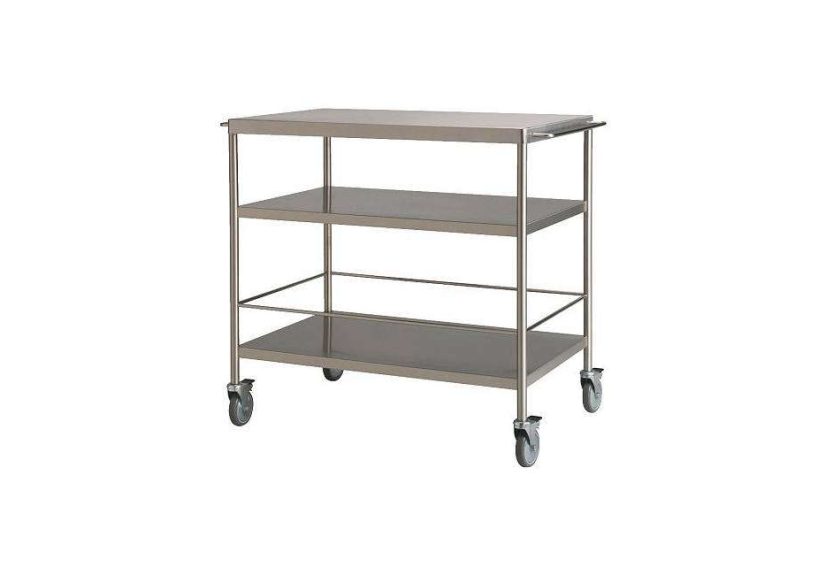
Some kitchen upgrades require permits, contractors, and a budget that looks like a small car payment. The Flytta Kitchen Cart is the opposite: a mobile, stainless-steel workhorse that can make your kitchen feel bigger, smarter, and way less chaotic without knocking down a single wall.
Whether you call it a rolling kitchen cart, a mobile kitchen island, or “that glorious place where my blender finally lives,” the idea is the same: you get extra prep space, more storage, and better kitchen flow. This guide breaks down exactly how to use a Flytta-style cart for real-life cooking, hosting, and surviving weeknights when everyone is hungry right now.
Editorial note: This article synthesizes real-world product specs and practical advice from kitchen-focused U.S. publishers, home design editors, and food-safety guidance (no source links included in body text, per your publishing format).
Why the Flytta Kitchen Cart Still Works in 2026
The Flytta’s appeal is refreshingly simple: stainless steel shelves, open access, and lockable wheels. In other words, no dramatic gimmicksjust useful design. If your counters are crowded with appliances, produce, and that one mail pile you pretend is “temporary,” a Flytta cart gives you instant breathing room.
1) It adds functional square footage without remodeling
Most kitchens don’t fail because they’re ugly. They fail because there isn’t enough landing zone for chopping, mixing, plating, and setting hot pans. A mobile cart creates an on-demand prep station you can move where you need it, then roll out of the way when you don’t.
2) It supports multiple jobs in one footprint
A good stainless steel kitchen cart can play line cook, coffee bar, baking station, drink service table, and overflow pantry in a single day. Morning? Espresso setup. Afternoon? Meal prep command center. Evening? Taco bar for friends. Midnight? Sadly, probably just cereal support.
3) It suits small kitchens especially well
Design editors consistently recommend mobility in tight spaces: wheels let you reclaim floor area instantly. That makes Flytta-style carts ideal for apartments, galley layouts, and open-plan homes where the kitchen also acts as hallway, homework zone, and social hub.
4) It uses durable, easy-care material
Stainless steel has a big advantage in active kitchens: it’s resilient, easy to wipe down, and hard to baby. If your cooking style includes “high heat + fast movement + occasional sauce splatter,” that matters.
Flytta Kitchen Cart Specs Mindset: What to Check Before You Buy
Even if you already love the Flytta concept, buy with measurements and use cases in mindnot vibes alone. (Vibes are important. They just don’t prevent shin bruises when a cart is too wide.)
Measure your pathways first, cart second
Start by taping the cart footprint on the floor. Walk around it while pretending you’re opening drawers, carrying a pot, and grabbing the fridge handle. This “kitchen choreography” test is the fastest way to prevent a layout mistake.
- Leave enough clearance for normal traffic and appliance doors.
- Check turning radius at corners and near dining chairs.
- Confirm where the cart “parks” when not in active use.
Pick the right top for your cooking style
If you want a clean, professional surface and low maintenance, stainless is a strong choice. If you want a warmer look, pair stainless shelving with wood accessories (boards, trays, utensil crocks) so the cart feels integrated rather than industrial.
Prioritize wheel quality and locking stability
Mobility is only helpful if it feels controlled. Choose lockable casters, test wheel roll on your floor type, and confirm the cart stays put during chopping or heavy mixing. A “mobile island” should glide when asked and stand firm when needed.
Think in zones, not random storage
Open carts become clutter magnets unless each shelf has a job. Try this:
- Top shelf: prep and immediate-use tools.
- Middle shelf: daily appliances or mixing bowls.
- Bottom shelf: heavier items (pots, bulk pantry bins).
Weight planning is non-negotiable
Carts vary widely in weight capacity by shelf and by material. If you plan to store appliances like stand mixers, check per-shelf load ratings first. “Looks sturdy” is not a technical specification.
How to Use a Flytta Kitchen Cart Like a Pro
Build a “Prep-First” station
Keep a cutting board, chef’s knife, towel, salt box, and a compost bowl together. This transforms Flytta into a friction-free prep station. Less back-and-forth means faster dinner and fewer dishes left in weird places.
Create a small-appliance runway
If your toaster, blender, and air fryer are fighting for one outlet, move one or two to the cart. Group items by use frequency and keep cords managed with clips. The goal is zero “countertop Tetris.”
Use it as a hosting cart
For parties, stage drinkware, napkins, garnishes, and serving platters on the cart, then roll it near your dining area. It becomes a functional buffer between kitchen chaos and guest-facing elegance.
Turn it into a baking basecamp
Store flour, sugar, measuring tools, parchment, and cooling racks in labeled bins. When it’s cookie time, roll the entire station out. When done, roll it away. No cabinet scavenger hunt required.
Use it as a coffee + breakfast lane
Put mugs, beans, filters, and cereal on the cart so morning traffic can flow around your cooking zone. This is especially helpful for families where multiple people need the kitchen at once.
Flytta Kitchen Cart Styling: Make It Functional and Good-Looking
A cart should earn its spot visually, not just practically. The trick is “edited utility.”
Stick to a limited palette
Stainless + wood + one accent color (black, olive, or warm white) keeps things cohesive. Too many materials make the cart look like a flea market on wheels.
Use containers that match
Uniform jars, bins, or canisters instantly reduce visual noise. Clear containers help with inventory; opaque containers hide the less photogenic reality of snack wrappers and random tea packets.
Layer vertical storage lightly
Hooks, rails, and hanging towels are useful, but overloading every side can make movement awkward. Keep one side “clean” for easy navigation.
Add one soft element
A linen towel, small plant, or wooden tray softens stainless steel and prevents the “commercial kitchen lab” look.
Cleaning, Food Safety, and Maintenance
If your cart handles food prep, treat it like a true kitchen work surface.
Daily routine (2–3 minutes)
- Wipe top and handles after each prep session.
- Use hot, soapy water for visible grime, then dry.
- Spot-clean wheel area if crumbs or grease collect.
Weekly routine (10–15 minutes)
- Empty shelves and wipe every plane, including undersides.
- Clean caster housings and check locks for smooth engagement.
- Re-zone items: keep frequently used tools at chest-to-waist height.
Food-safety habits worth keeping
Follow the same common-sense kitchen safety principles used for counters and prep equipment: keep surfaces clean, separate raw foods from ready-to-eat ingredients, and sanitize as appropriate for your workflow.
Common Flytta Kitchen Cart Mistakes (and Fast Fixes)
Mistake #1: Treating it like a junk drawer on wheels
Fix: Assign each shelf a category and use labels. If an item has no shelf home, it doesn’t live on the cart.
Mistake #2: Ignoring parking position
Fix: Choose a default “garage” spot near your primary workflow but away from appliance door swings.
Mistake #3: Overloading top shelf with heavy appliances
Fix: Store heaviest items lower for stability and easier rolling.
Mistake #4: Buying for looks only
Fix: Match cart features to real habits: baker, batch-cooker, host, or family meal-prepper.
Mistake #5: Forgetting the “people path”
Fix: Test with two people moving in the kitchen at once. Real life is never single-player.
500-Word Experience: What Living with a Flytta Kitchen Cart Actually Feels Like
I used to think my kitchen problem was storage. It wasn’t. My real problem was flow. Every dinner felt like a scavenger hunt: cutting board on one side, mixing bowl on another, spices in a cabinet behind someone standing at the sink. Then I added a Flytta-style cart, and within one week I realized I hadn’t bought furnitureI had bought calm.
Day one was mostly setup and overthinking. I rolled the cart around like I was test-driving a tiny stainless-steel spaceship: near the stove, near the fridge, near the table, back to the stove. Eventually, I parked it between the prep counter and dining area. That became the “handoff lane”: chop on one side, plate on the cart, serve from there. My kitchen stopped bottlenecking.
By week two, the cart had a personality. Top shelf: always clear-ish for prep. Middle shelf: blender, salt cellar, olive oil, and a bowl for onions and garlic. Bottom shelf: heavy mixing bowls and the Dutch oven. The weird magic was how many tiny decisions disappeared. I no longer asked, “Where should this go?” I already knew. Less friction made me cook more often.
Hosting changed too. Before the cart, having friends over meant balancing platters on every available surface and apologizing while hunting for serving spoons. Now I stage everything on the cart first: plates, napkins, sauces, glassware, and one “emergency snacks” bowl for early arrivals. When guests come in, I roll it out like a low-key restaurant service cart and pretend this was my plan all along.
The biggest surprise was breakfast traffic. On busy mornings, two people can use the kitchen without performing a choreographed shoulder shuffle. Coffee station on the cart, toast on the counter, lunch assembly at the sink. Nobody blocks anyone, and somehow we leave the house less grumpy. If furniture had a superpower, this would be it.
Cleaning has been easier than expected. Stainless steel wipes down fast, and because the shelves are open, I can see crumbs before they become a mystery ecosystem. Once a week I clear everything, wipe the shelves, check the wheel locks, and reset zones. It takes maybe 15 minutes and saves me an hour of “why is this kitchen always messy?” stress later.
Is it perfect? Not exactly. If I overload one side with heavy appliances, rolling gets awkward. And if I skip labels, the middle shelf slowly mutates into a random pile of tea bags, chargers, and unopened mail (apparently mail migrates). But these are management issues, not cart issues.
After months of daily use, the best part is this: the cart adapts as my routine changes. Some weeks it’s a baking station. Some weeks it’s meal-prep HQ. During holidays, it becomes dessert central. On Sunday nights, it’s the launchpad for Monday lunches. The Flytta Kitchen Cart didn’t just add storageit gave my kitchen a flexible center of gravity. And honestly, that might be the difference between “I have to cook” and “I feel like cooking.”
Final Takeaway
If your kitchen feels crowded, a Flytta Kitchen Cart is one of the rare upgrades that is practical on day one and better by week three. It gives you extra prep space, creates smarter storage zones, supports safer food-prep habits, and adapts to everyday lifefrom rushed breakfasts to weekend hosting.
Buy it with a plan, zone it with intention, and keep it mobile. Do that, and this rolling cart becomes less of a product and more of a system.