Table of Contents >> Show >> Hide
- What is flaxseed oil, exactly?
- Flaxseed oil benefits: where it shines
- Where flaxseed oil falls short
- Flaxseed oil side effects and safety concerns
- How to use flaxseed oil the smart way
- Flaxseed oil vs. ground flaxseed: which one should you choose?
- Who should talk to a healthcare professional first?
- Practical experiences with flaxseed oil in real life
- The bottom line
Flaxseed oil has a reputation that sounds almost too good to be true: heart-friendly, plant-based, anti-inflammatory, and easy to add to your routine with one elegant drizzle. That all sounds lovely, of course. But before we crown it the saint of the salad dressing aisle, it helps to know what flaxseed oil actually does, what it does not do, and why the difference matters.
Pressed from flax seeds, flaxseed oil is prized for its alpha-linolenic acid, or ALA, a plant-based omega-3 fatty acid. That makes it attractive for people who want more healthy fats without eating fish. But flaxseed oil is also one of those ingredients that suffers from a common nutrition problem: people hear “omega-3” and assume all omega-3s work the same way. They do not. Flaxseed oil can absolutely earn a place in a healthy diet, but it is not a magic potion, not a replacement for every other healthy fat, and definitely not something you should toss into a blazing-hot skillet like a stunt double with no insurance.
Here is the real story on flaxseed oil, including its benefits, possible side effects, and the smartest ways to use it.
What is flaxseed oil, exactly?
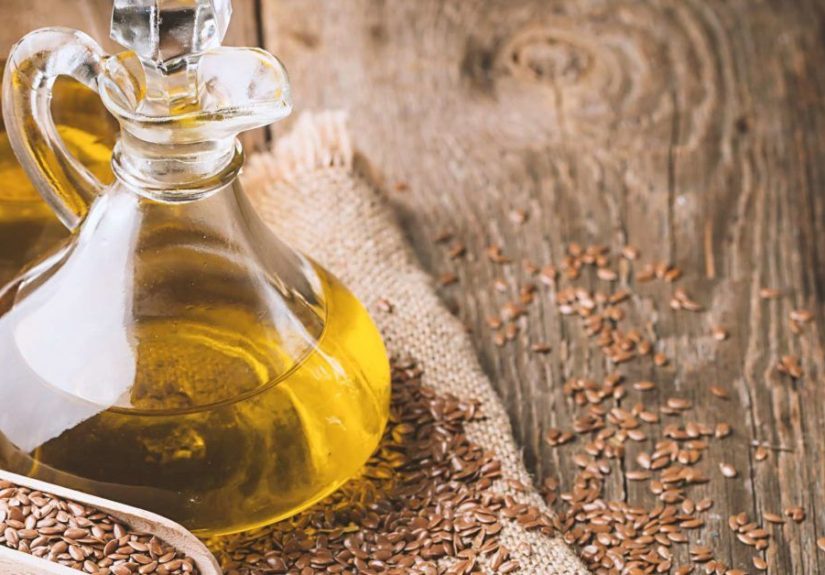
Flaxseed oil is the oil extracted from flax seeds, sometimes called linseeds. Its main nutritional claim to fame is ALA, an essential omega-3 fatty acid your body cannot make on its own. “Essential” is nutrition’s polite way of saying, “You need to get this from food, friend.”
ALA matters because omega-3 fats support normal cell function and play a role in heart and overall health. But there is an important catch: your body converts only a small amount of ALA into EPA and DHA, the long-chain omega-3s found in fish and seafood. That means flaxseed oil can help boost your omega-3 intake, but it is not a direct stand-in for fish-based omega-3s if your goal is to raise EPA or DHA specifically.
Flaxseed oil is also different from whole or ground flaxseed. Once the oil is separated, you lose the fiber found in the seed itself. That matters more than many supplement labels would like to admit. Whole and ground flaxseed may offer benefits tied to fiber and lignans, while the oil is mainly about fat composition.
Flaxseed oil benefits: where it shines
1. It is a convenient source of plant-based omega-3s
The clearest benefit of flaxseed oil is simple: it is one of the richest plant sources of ALA. For people who eat little or no fish, it can be an easy way to add more omega-3 fat to meals. That is especially useful in plant-forward eating patterns, where variety in fat sources matters.
Think of flaxseed oil as a supporting actor, not the whole cast. It helps round out your intake of healthy fats, especially if your meals are otherwise heavy on butter, shortening, or highly processed fats. In other words, it may not arrive wearing a cape, but it can still improve the plot.
2. It may support heart health as part of a healthy diet
Flaxseed oil is often linked with heart health because omega-3 fats are associated with cardiovascular benefits. Replacing some saturated fat sources with unsaturated fats is generally a smart move, and flaxseed oil fits that strategy well. Used in place of butter-heavy dressings or creamy sauces, it can help improve the overall quality of your diet.
That said, this is where nuance matters. Research on flax products and cholesterol is mixed, and the strongest evidence for cholesterol improvement often points more toward whole or ground flaxseed than flaxseed oil alone. So yes, flaxseed oil can be part of a heart-smart routine, but no, it should not be marketed like a tiny golden bottle of instant redemption.
3. It may help lower inflammation in some diets
Omega-3 fats are commonly associated with lower inflammation, and flaxseed oil is often included in that conversation. In practical terms, its greatest anti-inflammatory value may come from what it replaces. When flaxseed oil takes the place of less healthy fats in dressings, dips, or cold sauces, the overall eating pattern improves. That matters more than one trendy ingredient ever could.
Some people also use flaxseed oil as part of broader dietary changes for joint comfort, skin concerns, or general wellness. Results vary, and it is wise to keep expectations realistic. Flaxseed oil can support healthy habits, but it is not a substitute for medical treatment.
4. It works well for people who want a mild, food-based option
One practical benefit that rarely gets enough attention: flaxseed oil is easy to use. It has a mild, slightly nutty taste, so it slips into dressings, dips, yogurt, and smoothies without causing culinary chaos. For people who dislike swallowing supplements or want a food-first approach, that is a real advantage.
Where flaxseed oil falls short
Flaxseed oil gets overhyped when it is treated like a cure-all. It is not the best choice for every goal, and knowing its limits can save you money, effort, and the disappointment of expecting a teaspoon of oil to reorganize your entire metabolism.
It is not the same as whole or ground flaxseed
If your primary goal is improving digestion, increasing fiber, or targeting cholesterol through fiber-rich foods, flaxseed oil is not your best pick. Ground flaxseed contains fiber and lignans; flaxseed oil does not. That means the oil misses out on some of the nutritional features that make flaxseed broadly useful.
So if you hear someone say, “Flax lowers cholesterol,” your first question should be: Which form of flax? Because that little detail does a lot of heavy lifting.
It is not ideal for high-heat cooking
Flaxseed oil has a low smoke point and delicate fats that do not hold up well under high heat. That makes it a poor choice for frying, roasting, or searing. When heated too much, the oil can degrade and lose the qualities that made you buy it in the first place.
Translation: flaxseed oil belongs in cold applications or added after cooking. It is a finishing oil, not a frying oil. Treat it like a fancy guest, not a kitchen workhorse.
It is not a guaranteed shortcut to lower cholesterol
Many people buy flaxseed oil for cholesterol support, but the evidence is more modest than the marketing sometimes suggests. Whole or ground flaxseed appears to have stronger support for cholesterol-lowering potential than the oil alone. If cholesterol management is your priority, flaxseed oil may still have a place in your diet, but it should be part of a bigger strategy that includes fiber, exercise, and an overall heart-healthy eating pattern.
Flaxseed oil side effects and safety concerns
Flaxseed oil is generally well tolerated in reasonable amounts, but “natural” does not mean “do whatever you want forever.” A few side effects and interaction risks deserve real attention.
Digestive side effects
The most common side effects are digestive. Some people notice loose stools, mild stomach upset, or diarrhea, especially if they take too much too quickly. If your first experience with flaxseed oil sends you sprinting toward the bathroom, your body is not being dramatic. You probably just overdid it.
Starting small can help. Using a little in food is often easier on the stomach than diving headfirst into a large supplement dose.
Allergic reactions
Although uncommon, allergic reactions are possible. If you notice itching, swelling, rash, or breathing trouble after using flaxseed oil, stop using it and seek medical attention.
Bleeding risk and surgery concerns
Flaxseed oil may reduce blood clotting, which means it can increase bleeding risk in some situations. This is especially important if you take anticoagulants, antiplatelet drugs, or other supplements that also affect clotting. It is also a reason to tell your healthcare team if you use flaxseed oil before surgery or dental procedures.
Medication interactions
Flaxseed oil may interact with certain medications, especially those for blood pressure, blood sugar, or blood thinning. In some people, combining these can push effects too far. That does not mean flaxseed oil is off-limits forever; it means your supplement routine should not be more adventurous than your doctor is aware of.
Pregnancy and breastfeeding
Pregnant or breastfeeding people should check with a healthcare professional before using flaxseed oil supplements. Safety data are not strong enough to treat it like an automatic green light.
How to use flaxseed oil the smart way
Use it cold
The best way to use flaxseed oil is in cold or room-temperature foods. Add it to salad dressings, whisk it into a dip, stir it into yogurt, blend it into a smoothie, or drizzle a small amount over cooked vegetables after they come off the heat. This keeps the oil from breaking down and preserves its delicate fats.
Keep portions sensible
There is no universal standard dose for flaxseed oil, which is one reason labels vary so much. In everyday use, many people choose small amounts, such as a teaspoon or two in food, while others use capsules based on the product instructions. If you want to take it regularly, especially for a health reason rather than just cooking, it is smart to follow the label and ask a clinician or registered dietitian what makes sense for you.
Store it like it is fragile, because it is
Flaxseed oil can oxidize and go rancid more quickly than sturdier cooking oils. Buy it in a dark bottle if possible, keep it tightly closed, and store it in a cool, dark place. Many people prefer refrigeration after opening. If it smells bitter, sharp, or “off,” it is time to let it go. No sentimental speeches required.
Pair it with a healthy eating pattern
Flaxseed oil works best as part of a larger routine, not as a nutrition loophole. If your overall diet is full of refined carbs, ultra-processed snacks, and mystery drive-thru meals, one spoonful of flaxseed oil will not magically restore balance. But when paired with vegetables, legumes, whole grains, nuts, seeds, and other healthy fats, it fits in beautifully.
Flaxseed oil vs. ground flaxseed: which one should you choose?
If you want ALA and a convenient drizzle for cold foods, flaxseed oil is useful. If you want fiber, fullness, digestive support, and stronger evidence for certain cholesterol-related benefits, ground flaxseed is often the better all-around choice.
For many people, this is not an either-or decision. You can use ground flaxseed in oatmeal, baking, or yogurt and still keep flaxseed oil on hand for salad dressing. The real winner is not the product with the prettiest label; it is the form you will actually use consistently and appropriately.
Who should talk to a healthcare professional first?
Get medical advice before using flaxseed oil regularly if you are pregnant, breastfeeding, scheduled for surgery, taking blood thinners, using blood pressure medication, taking diabetes medication, or managing a chronic health condition. Supplements can look harmless on the shelf and still complicate treatment plans.
Practical experiences with flaxseed oil in real life
When people start using flaxseed oil, their experiences tend to follow a few familiar patterns. First, there is usually surprise at how easy it is to work into daily meals. A lot of people expect it to taste aggressively earthy or medicinal, but in small amounts it is usually mild and slightly nutty. That is why it often ends up in salad dressings, smoothies, yogurt bowls, or cold grain salads. It feels less like “taking a supplement” and more like making lunch slightly smarter.
The second common experience is a reality check about expectations. Many people begin using flaxseed oil because they have heard broad claims about cholesterol, inflammation, skin, hormones, or overall wellness. After a few weeks, they realize it is not the kind of ingredient that creates dramatic overnight changes you can measure by Tuesday. What it tends to do instead is fit into a more consistent routine. People who get the most out of it are often the same people who are also eating more vegetables, choosing healthier fats overall, and paying attention to their general lifestyle. Flaxseed oil works better as part of a pattern than as a solo performance.
There is also a learning curve around storage. This is a big one. People who are used to sturdy pantry oils sometimes leave flaxseed oil near the stove or tucked into a warm cabinet, then wonder why it starts smelling weird. Flaxseed oil is delicate. Once users understand that it needs a cool, dark home and a little respect, their experience tends to improve. The oil stays fresher, tastes better, and becomes something they actually enjoy using instead of something they reluctantly “finish because it was expensive.”
Some people prefer capsules because they do not want to deal with flavor, measuring, or refrigeration. That can be convenient, especially for travel or busy routines. But others say capsules make the habit feel disconnected from meals, which means they forget them more often. Food habits tend to stick better when they are tied to something visible, like whisking a dressing before dinner or adding a little oil to a smoothie in the morning.
Digestive feedback is another real-world theme. People who start with large amounts sometimes report loose stools or stomach discomfort, while those who begin gradually tend to do better. This is why moderation matters. With flaxseed oil, more is not automatically better. A smaller amount used consistently usually creates a smoother experience than a giant wellness leap that your digestive system did not approve in writing.
Finally, people often discover that flaxseed oil is best when they stop trying to make it be everything. It is not the best frying oil. It is not a fiber supplement. It is not an instant fix. But as a cold-use, plant-based omega-3 option that can improve the quality of everyday meals, it earns its spot. Once expectations become realistic, flaxseed oil tends to go from “overhyped health trend” to “actually pretty handy.” And honestly, that is a much better long-term relationship.
The bottom line
Flaxseed oil can be a smart addition to a healthy diet, especially if you want more plant-based omega-3s and an easy cold-use oil for dressings, dips, and smoothies. Its biggest strength is its ALA content. Its biggest limitation is that it does not offer the fiber and many of the broader benefits linked to whole or ground flaxseed. It is also delicate, so it should not be used for high-heat cooking.
If you use flaxseed oil thoughtfully, store it properly, and keep your expectations grounded in reality, it can be a useful tool rather than just another bottle making lofty promises from the pantry. Nutrition is rarely about one miracle ingredient. It is usually about patterns, consistency, and not asking a salad oil to solve your whole life.