Table of Contents >> Show >> Hide
- Why the Deck Towel Still Works as a New York Idea
- Understanding the Best Fabrics for a Deck Towel
- What Makes a Great Deck Towel, Technically Speaking
- How to Style Deck Towels in a New York Home
- How to Wash and Keep a Deck Towel Looking Great
- Is a Deck Towel Worth the Investment?
- Experience: Living With a Deck Towel in New York
- Conclusion
Some products scream for attention with neon labels, celebrity endorsements, and enough buzzwords to power a small marketing department. A great deck towel does not. It simply shows up, looks ridiculously good draped over a chair, dries you off without drama, and somehow makes an ordinary afternoon feel like a clever life choice. That is exactly why the idea of a Deck Towel in New York is so appealing. It sits at the intersection of style, utility, and urban summer fantasy: one part textile design, one part practical linen, and one part “I am absolutely the kind of person who has a favorite towel.”
The original Deck Towel in New York story had a real design-world hook. It spotlighted oversized linen towels created by New York designer Buck Ellison, with production in the city’s Garment District and linen sourced from Italy and the Czech Republic. That origin story matters because it captures something deeply New York: a sharp eye for materials, a respect for craft, and the confidence to make a humble object feel elevated without turning it into nonsense. In other words, no one needed a towel to have a backstory, but New York gave it one anyway.
Today, the topic still feels fresh because shoppers care more than ever about fabrics and linens, not just color or price. People want to know what a towel is made of, how it dries, whether it gets musty in a humid bathroom, whether it can survive beach days, and whether it will still look good after twenty spins through the laundry. That is where the deck towel becomes more than decor. It becomes a case study in how material choices shape everyday comfort.
Why the Deck Towel Still Works as a New York Idea
New York is not exactly famous for giant linen closets. Apartments are tight, summers are sticky, rooftop decks are treasured, and anything that earns its footprint has to work hard. A deck towel fits this environment beautifully because it is not just a bath towel, not just a beach towel, and not just a decorative textile. It is a multi-use object. It can come to the roof, the park, the beach, the gym, the guest room, or the back of a chair in a sunlit apartment where it casually suggests the owner has taste and maybe even matching glassware.
The original Deck Towel concept also leaned into scale. Oversized towels feel luxurious, yes, but they are practical too. A bigger towel can double as a wrap, a throw, a picnic layer, a quick-drying cover-up, or a soft landing on a hot deck chair. In New York terms, that is what we call a strong return on investment. One item, five jobs, zero whining.
Understanding the Best Fabrics for a Deck Towel
If you are shopping or writing about deck towels, the real conversation starts with fabric. The material determines everything: texture, absorbency, dry time, portability, durability, and how polished the towel looks once it is actually in use instead of folded like a showroom angel.
Linen: The Cool Minimalist
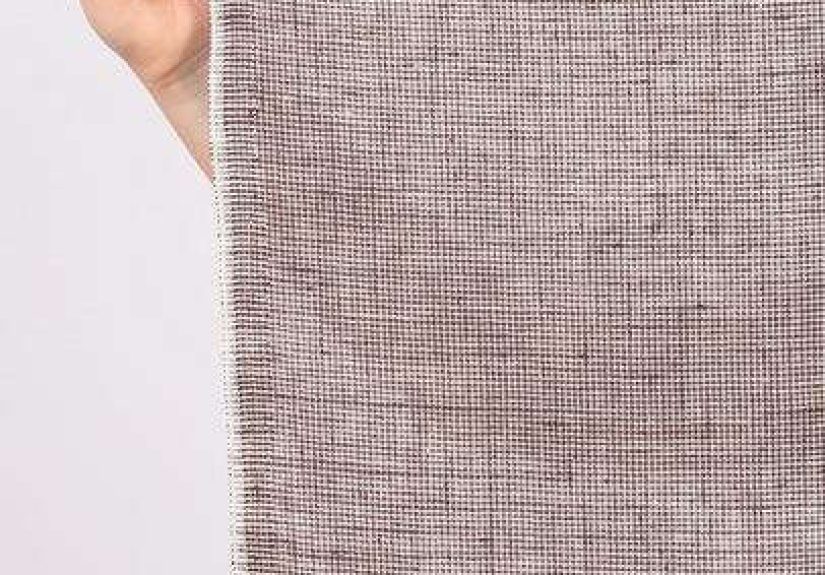
Linen is the fabric that always seems to know more than the rest of us. It is breathable, airy, and naturally relaxed in a way that feels sophisticated rather than sloppy. For warm-weather use, linen is especially attractive because it dries quickly, feels light on the skin, and softens over time. It does wrinkle more easily than cotton, but on a deck towel, that slight rumple reads less like neglect and more like intentional character. It says, “Yes, I have been somewhere breezy.”
That is a big reason the original Deck Towel concept was so compelling. Linen has a particular visual honesty. It does not look overproduced. It looks lived in. In a city where polished interiors often benefit from one texture that feels a little less buttoned-up, linen does the job beautifully.
Cotton Terry: The Classic Workhorse
Of course, the world did not fall in love with cotton terry by accident. If you want a towel that feels plush, absorbs water enthusiastically, and delivers that familiar post-swim or post-shower comfort, terry cotton remains the MVP. The loops in terry fabric increase surface area, which helps explain why cotton terry towels feel so thirsty and substantial.
For many people, especially those who want a more traditional beach towel or pool towel, cotton terry still makes the most sense. It feels cozy, soft, and reassuringly familiar. If linen is the effortlessly stylish friend who wears rumpled white shirts and looks fantastic, cotton terry is the reliable friend who remembers sunscreen, snacks, and the portable speaker.
Turkish and Flat-Weave Towels: The Smart Traveler
Flat-weave towels, including many Turkish-style options, have become increasingly popular for good reason. They are lightweight, easier to carry, and much faster drying than thick plush towels. They also shake off sand more easily and tend to fold down into something much more apartment-friendly. For New Yorkers heading to Rockaway, Coney Island, or an upstate weekend with limited trunk space, that matters.
Flat-weave towels also have style on their side. Stripes, borders, subtle texture, and breezy drape make them look elegant in motion and at rest. They are the kind of towels that can move from beach bag to bathroom hook without looking out of place.
Waffle Weave: The Quiet Overachiever
Waffle-weave cotton deserves its own applause. It is textured, relatively lightweight, and often dries faster than heavier plush towels. In humid bathrooms or compact city spaces, that quick-dry performance is not just convenient. It is odor prevention with a side of design credibility. Waffle towels also bring nice visual contrast to smoother linens and denser terry options, which makes them useful in layered home styling.
What Makes a Great Deck Towel, Technically Speaking
Even the prettiest towel has to earn its place. Here are the features that separate a genuinely useful deck towel from a pretty rectangle with ambitions.
Absorbency
A deck towel should actually dry you off. Revolutionary, I know. Cotton terry usually wins on maximum absorbency, while linen and flat weaves offer a lighter, quicker-drying kind of performance. The best choice depends on whether you prioritize plush comfort or portable efficiency.
Dry Time
In a small New York bathroom or on a crowded summer deck, a slow-drying towel can become a damp little villain. Higher-GSM towels feel luxurious, but they usually take longer to dry. Lighter fabrics, lower pile, flat weaves, and waffle textures are often better for real-life rotation, especially when airflow is less than dreamy.
Size
Oversized towels feel indulgent, but they are also practical. More surface area means more lounging room and better wrap coverage. That said, the best size is the one you will actually want to carry. A giant towel sounds glamorous until it becomes a wet anvil in your tote bag.
Durability
Deck towels live harder lives than ordinary bath towels. They meet sun, chlorine, sunscreen, city grime, salty air, and the occasional sidewalk bench that probably should not be trusted. Strong natural fibers, quality weaving, and careful finishing all matter. Good towels are not just soft on day one. They survive day sixty.
Care Requirements
No one wants a towel that behaves like a museum artifact. Easy-care fabrics win. In general, towels perform best when washed with the right amount of detergent, given room to rinse clean, and kept away from fabric softener buildup that can reduce absorbency. A towel should be a pleasure, not a side hustle.
How to Style Deck Towels in a New York Home
Here is where the fabrics and linens conversation gets fun. A deck towel can function as a design accent, especially in homes where every visible object contributes to the overall look. Stripes feel classic and coastal without being too theme-park nautical. Earth tones, chalky whites, tobacco browns, faded blues, olive greens, and washed terracotta all work beautifully in urban interiors because they feel natural and grounded.
If your space already has plenty of hard surfaces like tile, metal, painted brick, or concrete, towels become texture tools. A relaxed linen towel softens the room. A cotton terry stripe adds contrast. A waffle weave introduces depth. Suddenly the towel is not just drying your arms; it is participating in the room like a respectable citizen.
And yes, storage matters. Rolled towels look polished in open shelving. Draped towels feel casual and lived-in. Tossed-over-a-chair towels can look charming or chaotic depending on the chair, the towel, and your confidence level. New York design is often a game of controlled ease. The best deck towel plays along.
How to Wash and Keep a Deck Towel Looking Great
Luxury dies quickly under bad laundry habits. The good news is that towel care is not complicated. Wash towels separately from clothing when possible, avoid overloading the machine, and be careful with detergent. Too much soap can leave residue that makes towels feel stiff. Fabric softener might seem like a kindness, but it often coats fibers and reduces absorbency over time. In other words, the thing marketed as softness can turn your towel into a less talented towel.
If a towel starts smelling musty or feeling rough, it may need a reset rather than replacement. A maintenance wash aimed at removing buildup can help revive texture and freshness. Just be sensible and follow care instructions for the specific fabric. Linen, cotton terry, waffle weaves, and performance blends do not all want the exact same treatment, and fabric has a long memory for neglect.
Most importantly, let the towel dry fully between uses. That simple step does more for longevity than any dramatic laundry ritual involving twelve products and a playlist called “Domestic Goddess Energy.”
Is a Deck Towel Worth the Investment?
Yes, if you buy with intention. A good linen towel or cotton deck towel is not just about softness in the moment. It is about repeated use, visual appeal, portability, and whether the towel still makes sense after the novelty wears off. Cheap towels often lose shape, trap odor, fade, or become weirdly scratchy in a matter of months. Better towels usually offer stronger fibers, smarter construction, better finishing, and a more satisfying daily experience.
For New York living, that matters. You want a towel that can move with your life: rooftop lounging in June, beach afternoons in July, weekend escapes in August, guest duty in September, and then a stylish second life in the bathroom when the weather cools down. The best deck towel is not seasonal fluff. It is a small luxury with real utility.
Experience: Living With a Deck Towel in New York
There is something oddly specific about using a deck towel in New York. It is not the same as using one at a sprawling beach house where the towel lives a simple, dignified life near a dune and a stack of novels. In New York, the towel has range. It might begin the day hanging from a shower rod in a bathroom the size of a walk-in closet, then get folded into a tote for a subway ride, then land on a rooftop chair by late afternoon, and finish the evening wrapped around your shoulders while you water plants that are somehow either thriving heroically or plotting revenge.
The experience is part practicality, part theater. A beautiful towel changes the mood of ordinary routines. You notice it when you grab it on the way out, when it dries faster than the thick old towel you finally retired, and when it looks good enough to leave out instead of hiding behind a door. It becomes one of those domestic objects that quietly improve the day without demanding applause. In a city full of noise, that feels almost radical.
What stands out most is how well the right deck towel adapts to compressed urban life. A lighter linen or flat-weave towel does not bully your closet. It folds neatly, dries quickly, and makes sense when storage is precious. A plush cotton option, on the other hand, feels like a reward. It is the towel you reach for after a long day when the apartment feels overheated and the shower fixes your attitude. Both experiences matter. New York asks you to edit constantly, so the best objects are the ones that justify themselves in more than one way.
There is also the visual pleasure of it. On a rooftop, a striped towel flung across a chair can make the whole scene feel intentional. On a fire escape chair, it adds softness to metal. In a neutral bathroom, a textured towel brings warmth without clutter. Even at the gym, a good towel has a strange way of making you seem more organized than you actually are. This is not vanity. Well, not only vanity. It is design doing what design is supposed to do: making useful things feel better to use.
And then there is summer. New York summer is sweaty, glamorous, chaotic, sticky, and occasionally perfect. A deck towel belongs in that story. It comes to the park, the ferry, the beach, the roof, the weekend train, the borrowed cabin, the friend’s tiny balcony with exactly two chairs and one heroic basil plant. It collects sunscreen, city dust, salt, and memories. It gets softer. It becomes familiar. The good ones start to feel less like purchases and more like companions to a season.
That is why the phrase Deck Towel in New York still works. It is about fabric, yes. It is about linen, cotton, weave, and care. But it is also about the pleasure of owning something well made in a city that appreciates objects with both personality and purpose. A great deck towel is not trying to transform your life. It is just making your life a little easier, a little more comfortable, and a lot better looking. Honestly, that is more than enough.
Conclusion
The appeal of a deck towel is surprisingly durable because it solves real problems while still looking good. In the context of fabrics and linens, it represents the sweet spot between design and use. Linen offers breathability and laid-back elegance. Cotton terry brings classic absorbency and plush comfort. Turkish and flat-weave options win on portability, fast drying, and warm-weather ease. Waffle weaves add texture and efficiency. In New York, where space is limited and style standards are not, a deck towel earns its place by being flexible, handsome, and useful.
So whether you are drawn to the romance of oversized linen, the dependable comfort of terry cotton, or the practical charm of a quick-drying flat weave, the lesson is the same: choose a towel that fits the way you actually live. Bonus points if it also makes your bathroom, beach bag, or rooftop chair look excellent.