Table of Contents >> Show >> Hide
- The Day A Dog Park Turned Into A Rescue Scene
- Why This Note Hit People So Hard
- The Bigger Animal Welfare Reality Behind One Viral Rescue
- What Should Have Happened Instead
- The Happy Ending Matters More Than People Think
- What Future Dog Owners Should Learn From Jada And Layla
- Experiences Like This Stay With People Long After The Rescue
- Final Thoughts
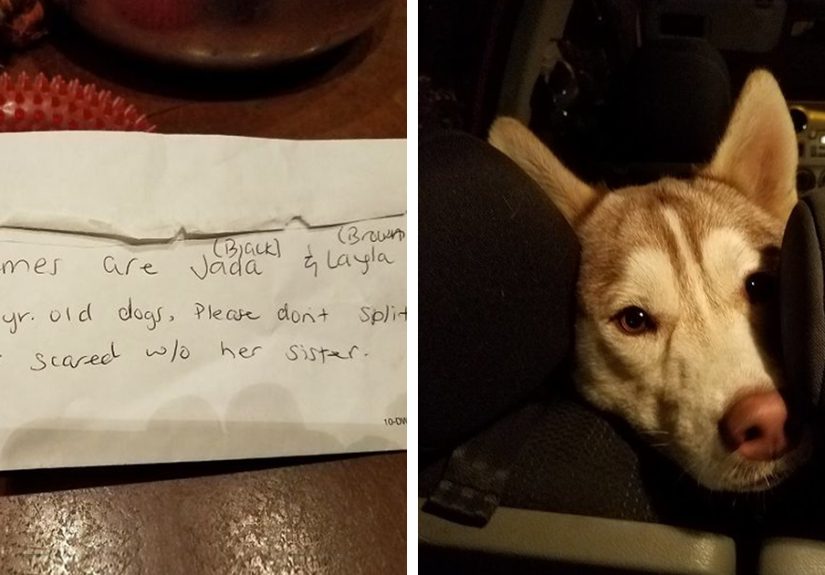
There are sad pet stories, and then there are the kind that make you stop mid-scroll, stare at the screen, and whisper, “Oh no.” This is one of those stories. Two young huskies were found wandering alone at a dog park in Fresno, California, with a box of food, bowls, toys, and a note that somehow managed to be both brief and devastating. It did not read like the work of someone who hated dogs. It read like the work of someone who ran out of road, out of options, or maybe out of courage. And that is exactly why the story hit so many people so hard.
The dogs, Jada and Layla, were not dumped in the middle of nowhere. They were left in a place built for dogs to have fun, as if the familiar smell of tennis balls and muddy paws might soften the blow. It did not. If anything, it made the scene more painful. While other dogs came and went with their humans, these two sisters waited. That contrast is what gives this story its punch: a dog park is supposed to be a temporary joy, not the site of a permanent goodbye.
The Day A Dog Park Turned Into A Rescue Scene
According to local reports, a woman at Woodward Dog Park noticed the two huskies and realized no owner was coming back for them. Nearby sat a box with their supplies and the note. The message identified the dogs as one-year-old sisters and pleaded for them not to be separated: “We are nice 1-year-old dogs. Please don’t split us up. Layla gets scared without her sister.” It was the kind of sentence that could break the toughest person with a working Wi-Fi connection.
Park manager and animal rescuer Mona Ahmed got the call and rushed over. By then, the dogs had reportedly been at the park for hours. That matters more than it sounds. A dog park may look safe, but it is not a holding room. It is not secure enough for an abandoned dog, especially a young, energetic breed with speed, curiosity, and zero understanding of traffic laws. Ahmed later explained that the park sat near a busy road, and the risk was real. These dogs were not just sad. They were in danger.
Jada and Layla were rescued before anything worse happened, placed into foster care, and eventually got the kind of ending that animal lovers dream about: they were adopted together. In other words, the saddest line in the story did not become the final line. The sisters stayed a pair. For a story that began with abandonment, that matters a lot.
Why This Note Hit People So Hard
The note is the emotional center of the whole story. Not because it was long, but because it contained the one thing people were not expecting: tenderness. Whoever left the dogs behind knew Layla depended on Jada. Whoever wrote it knew they were bonded. Whoever did this was not clueless about the dogs’ feelings. That contradiction is what makes the whole thing ache. It is easier to process cruelty when it looks like cartoon-villain cruelty. It is much harder when it looks like panic, shame, desperation, or a terrible decision made by someone who still cared in some incomplete and damaging way.
That does not excuse abandonment. Not even a little. Leaving dogs loose in a public park is unsafe, irresponsible, and traumatic for the animals involved. But stories like this are powerful because they remind us that pet crises are often messy. Sometimes the person at the center of the mistake is not heartless. Sometimes they are overwhelmed, financially crushed, shut out by housing rules, drowning in behavior problems, or simply unequipped for the animal they took on. The harm is still real. So is the need for better off-ramps before a bad situation turns into a dangerous one.
The Bigger Animal Welfare Reality Behind One Viral Rescue
Jada and Layla’s story feels exceptional because it came with a heartbreaking note, but the underlying problem is painfully ordinary. Shelters and rescues across the United States continue to deal with surrendered pets, over-capacity kennels, long stays, and a constant need for fosters, adopters, and community support. The animals in these systems do not always arrive with a dramatic backstory. Many simply show up because something in a household fell apart.
That is why this husky story lands beyond its headlines. It taps into a much wider conversation about what happens when the fantasy of dog ownership collides with rent increases, vet bills, job loss, unstable housing, training issues, family stress, or unrealistic breed expectations. The fluffy face is easy. The daily commitment is the part that sneaks up on people.
Animal welfare organizations have been saying for years that surrender prevention works best when communities offer real support before a crisis peaks. That can mean affordable veterinary care, behavior help, temporary fostering, pet-friendly housing advocacy, and safer self-rehoming options. In other words, the humane solution usually starts long before someone reaches the point of leaving a pair of dogs at a park with their toys and a prayer.
There is also an uncomfortable truth here: many pet owners still do not know what “responsible rehoming” actually looks like. They think their choices are limited to keeping the pet no matter what or dropping the pet off somewhere and hoping kindness fills in the paperwork. That is not a plan. That is emotional roulette.
Why Huskies End Up In Tough Situations So Often
Let’s talk about the breed for a second, because Siberian huskies are magnificent and also, respectfully, tiny furry chaos athletes. They are stunning, smart, social, high-energy dogs bred for endurance and work. They are not decorative snow wolves for your apartment aesthetic. They need exercise, mental stimulation, structure, and a household that understands what it signed up for. A bored husky does not simply become “a little mischievous.” A bored husky starts brainstorming.
That matters because dogs like Jada and Layla can easily wind up in unstable homes when people choose with their eyes first and their schedule second. A husky that does not get enough activity may dig, escape, howl, pace, chew, or invent a side quest through your drywall. That does not make the dog bad. It means the dog is being exactly what the breed has always been: driven, social, and intensely alive. Put that dog in a home that lacks time, training, secure fencing, or patience, and the odds of a painful outcome rise fast.
What Should Have Happened Instead
If there is one practical lesson this story should leave behind, it is this: abandonment is not the humane shortcut some people imagine it to be. It puts animals at risk and creates chaos for rescuers, park staff, and shelters already stretched thin. There are better options, and while they may take effort, effort is part of the job when you agree to care for an animal.
A responsible rehoming process starts with honesty. If a dog has behavior issues, medical needs, separation anxiety, or a strong bond with another pet, that information should be disclosed upfront. Next comes paperwork: vaccination records, veterinary records, spay-neuter status, and microchip information. Then comes safe screening, not a random handoff in a parking lot to the first person who says, “Aww, cute.” A real transfer should include adopter screening, a written ownership handoff, and updated microchip registration.
Breed-specific help matters too. Huskies are not generic dogs in fancy coats. When an owner is struggling, a Siberian Husky rescue, shelter counselor, or experienced foster can often spot solutions a general pet owner would miss. Sometimes the answer is training support. Sometimes it is temporary help with food or vet care. Sometimes it is a carefully managed rehome into a better-fit household. None of those options are perfect. All of them are better than leaving two young dogs to wonder why nobody is coming back.
And yes, asking for help can feel embarrassing. But embarrassment is survivable. Traffic is not. Exposure is not. Panic is not. A difficult phone call to a rescue group is always the better move.
The Happy Ending Matters More Than People Think
It would be easy to stop this story at the note and let the sadness do all the work. But the ending matters, too. Jada and Layla were rescued, fostered, and adopted together. That outcome is not just emotionally satisfying. It is proof of what community intervention can do when ordinary people pay attention. One observant park visitor, one fast call, one experienced rescuer, one safe foster situation, one adoption that honored the dogs’ bond. That is the chain that saved them.
Animal rescue stories often celebrate the final photo and skip the invisible labor in the middle. But the middle is everything. It is the call answered at the right time. It is the foster home that says yes. It is the volunteer who drives across town. It is the person who understands that “not splitting them up” is not just sentimental language; it is a real behavioral and emotional consideration. Jada and Layla got lucky because people took that seriously.
What Future Dog Owners Should Learn From Jada And Layla
This story is also a cautionary tale for people who are thinking about getting a dog, especially a breed with specific needs. Before bringing home a husky, or any demanding breed, future owners should ask a few unglamorous questions: Do I have the time for daily exercise? Can I afford food, grooming, vet care, and emergencies? Is my housing stable and pet-friendly? Do I have a plan if my work schedule changes? Can I manage training without losing my mind or my security deposit?
That kind of realism is not anti-dog. It is pro-dog. The most loving thing you can do for a future pet is decide whether your life actually fits the animal you want. Too many heartbreaking animal stories begin with good intentions and end with someone discovering that affection is not the same thing as preparedness.
Experiences Like This Stay With People Long After The Rescue
Stories like Jada and Layla’s do not end when the dogs leave the park. They stick to everyone involved in different ways. For the person who first notices abandoned dogs, there is often a strange mix of disbelief and adrenaline. One minute you are just at the park watching dogs chase each other like tiny furry comedians, and the next minute you are reading a note that changes the entire mood of the evening. People who find abandoned pets often talk about the same feeling: an immediate need to act before they have even processed what they are seeing. There is no dramatic soundtrack, no heroic slow motion, just a sudden mental checklist of food, water, safety, leash, phone call, rescue contact, traffic, and time.
For rescuers and shelter workers, the experience is different but just as heavy. They are the ones who have to move quickly while staying calm. They read between the lines. They look at body language. They assess whether the dogs are bonded, frightened, sick, under-socialized, or simply confused. They also carry the emotional residue. That is the part the internet rarely sees. Rescuers do not just save animals; they absorb the emotional fallout of human failure over and over again. One abandoned dog can ruin their whole day. Two bonded huskies with a note asking not to be separated can ruin the week. And yet they keep showing up.
Foster families experience another side of the story entirely. They get the decompression phase. They are there when the dog finally sleeps deeply, finally eats normally, finally stops scanning the doorway for the person who never came back. With bonded dogs, fosters often witness the quiet miracle of companionship. One dog checks on the other. One settles when the other settles. One gets brave first and the other follows. In a story like this, the sister bond is not just a sad detail from a note. It becomes part of the actual healing process. Watching that unfold can be both beautiful and crushing, because it makes the abandonment feel even harder to understand.
Then there are the people who have had to rehome a pet the right way, and stories like this can hit them especially hard. Many of them know what it costs to do the responsible thing. It takes phone calls, paperwork, screening, awkward conversations, honesty about flaws, and the humility to admit that love alone is not fixing the problem. Those people often read a story like Jada and Layla’s with two emotions at once: heartbreak for the dogs and frustration that better options existed. They know responsible surrender is painful, but they also know it is possible. That is why these stories matter. They can push future owners toward action before desperation turns reckless.
Finally, there is the experience of the adopter, the person who looks at dogs with a rough beginning and says, “Come on, let’s go home.” That experience is not about rescuing in the dramatic sense. It is about consistency. Meals on time. Walks. Structure. Vet visits. A quieter nervous system. A couch that becomes familiar. A routine that teaches the dogs the world is not ending anymore. In many rescue stories, healing does not look cinematic. It looks like repetition. It looks like trust returning one ordinary day at a time. And maybe that is the real reason this story stays with people: because behind the heartbreak is a reminder that kindness is often built through small, boring, faithful acts. The note was short. The recovery was not. But in the end, the dogs got what they needed most: safety, stability, and each other.
Final Thoughts
Jada and Layla’s story resonates because it is about more than two beautiful huskies and one heartbreaking note. It is about the gap between loving animals in theory and supporting them in practice. It is about the risks pets face when people panic. It is about how quickly strangers can become lifesavers. And it is about the fact that even in a story that begins with abandonment, compassion can still rewrite the ending.
If there is one takeaway worth keeping, it is this: the answer to a pet crisis should never be disappearance. Ask for help early. Be honest. Use shelters, helplines, breed rescues, foster networks, and rehoming tools. Make the hard call before you make the harmful decision. Jada and Layla were lucky. Every dog deserves a plan that does not rely on luck.