Table of Contents >> Show >> Hide
- What Is the Emile Henry Oil Cruet?
- Why Ceramic Matters for Olive Oil Storage
- Design: French Farmhouse Without the Costume Party
- Pouring Performance: The Small Detail That Changes Everything
- Best Uses for the Emile Henry Oil Cruet
- How to Use It Without Ruining Good Oil
- Cleaning and Care
- Who Should Buy the Emile Henry Oil Cruet?
- Emile Henry Oil Cruet vs. Glass Oil Dispenser
- Is It Worth the Price?
- Buying Tips
- Real Kitchen Experience: Living With an Emile Henry Oil Cruet
- Conclusion
Some kitchen tools are loud about their usefulness. They whir, beep, blink, and demand a dedicated drawer. The Emile Henry Oil Cruet is different. It stands quietly on the counter looking like it wandered out of a French country kitchen, then proves its worth every time you drizzle olive oil over a salad, finish roasted vegetables, or rescue pasta from tasting like “weekday panic.”
At first glance, an oil cruet may seem like a small upgrade. After all, olive oil already comes in a bottle. But once you cook regularly, the original bottle starts showing its flaws: awkward glugs, greasy rings on the counter, too much oil in the pan, too little on the bruschetta, and the eternal mystery of why the label is somehow always sticky. A well-designed ceramic olive oil dispenser solves those tiny problems in a way that feels surprisingly luxurious.
The Emile Henry Oil Cruet is made for people who want their kitchen tools to be useful, attractive, and not embarrassing when left out during dinner. It combines glazed French ceramic, a controlled pouring spout, an opaque body that helps protect oil from light, and a timeless shape that works on both a farmhouse table and a modern quartz countertop. In other words, it is not just a container. It is a countertop peace treaty between function and style.
What Is the Emile Henry Oil Cruet?
The Emile Henry Oil Cruet is a ceramic oil dispenser designed to store and pour olive oil, finishing oil, vinegar, or other frequently used liquid condiments. It is part of Emile Henry’s long tradition of French ceramic kitchenware, a brand known for producing cookware and tableware in Marcigny, France since 1850.
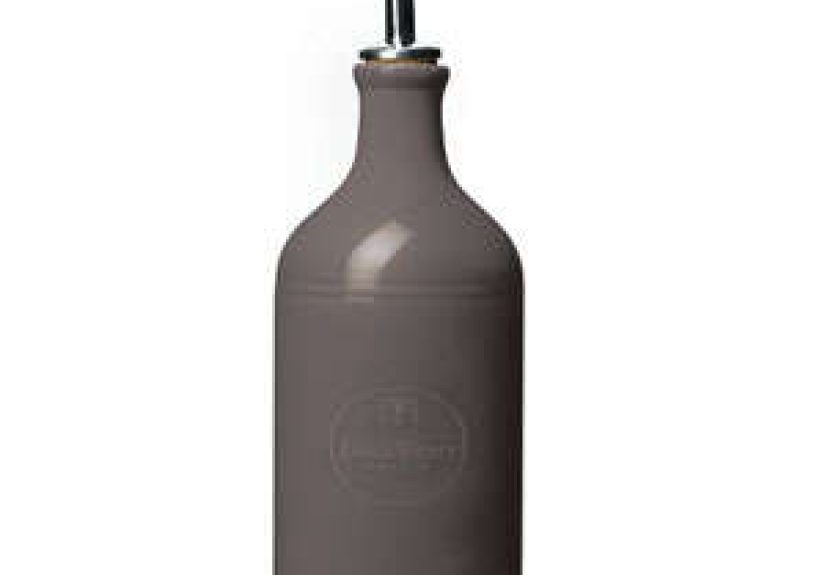
The cruet is typically described as a glazed ceramic vessel with a stainless steel and cork pourer. Depending on the retailer and color collection, listed capacities may vary slightly, often around 13.5 to 15 ounces. That size is practical: large enough for everyday cooking, but not so huge that your oil sits forgotten until it develops the personality of old crayons.
The basic idea is simple. You fill the ceramic bottle with oil, insert the pour spout, and keep it within reach. When you need a little oil, the spout gives you a steady, controlled stream rather than the unpredictable “whoops, that was half the bottle” experience. The ceramic body also keeps the contents shielded from light, which matters more than many home cooks realize.
Why Ceramic Matters for Olive Oil Storage
Olive oil is delicious, but it is also a bit dramatic. Its biggest enemies are light, heat, oxygen, and time. Leave a bottle near a sunny window or beside a hot stove, and the oil may lose its fresh, grassy, peppery character faster than expected. Proper storage helps preserve flavor, aroma, and quality.
This is where the Emile Henry ceramic oil cruet makes sense. Unlike clear glass, an opaque ceramic cruet helps reduce light exposure. That does not mean you should park it directly beside a roaring burner like a tiny ceramic hero in a cooking movie. It still belongs in a cool spot, away from direct heat. But compared with a clear bottle sitting in sunlight, a ceramic oil cruet offers a smarter environment for everyday oil.
The ceramic construction also gives the piece a satisfying weight. It feels stable when you pick it up, and it looks intentional when left on the counter. The glazed surface is smooth and easy to wipe, so the cruet does not quickly become a sticky archaeological record of every salad you made this month.
Design: French Farmhouse Without the Costume Party
The design of the Emile Henry Oil Cruet is one of its biggest selling points. It has a classic silhouette: rounded shoulders, a narrow neck, and a clean spout. It looks traditional without looking old-fashioned. It says “I know what a vinaigrette is,” but it does not require you to own copper pots or pronounce “herbes de Provence” with theatrical confidence.
Emile Henry is known for rich, kitchen-friendly colors, and the oil cruet is often available in shades such as Clay, Burgundy, Truffle, Flour, and other tones depending on retailer availability. These colors make the cruet easy to coordinate with other ceramic bakeware, dinnerware, or countertop accessories. A deep red version brings warmth to a neutral kitchen. A pale clay or flour tone feels quiet and elegant. A darker truffle shade has a modern, grounded look.
The best part is that the cruet looks good enough to leave out. That matters because tools used daily should be accessible. If your olive oil is hidden behind three bags of flour and a suspiciously old box of tea, you are less likely to use it thoughtfully. A beautiful olive oil cruet invites better habits: finishing soup with a little oil, dressing greens at the table, or adding a final drizzle to grilled bread.
Pouring Performance: The Small Detail That Changes Everything
The heart of any oil dispenser is the pour. A pretty bottle with a messy spout is just countertop theater. Fortunately, the Emile Henry Oil Cruet is designed around controlled pouring. The spout provides a continuous stream that makes it easier to measure by eye, whether you are coating a skillet, drizzling vegetables before roasting, or adding olive oil to a vinaigrette.
The anti-drip design is also important. Anyone who cooks with oil knows the classic problem: one pour, one little trail down the side of the bottle, one greasy ring on the counter, one paper towel, one sigh. A clean-pouring spout reduces that annoyance. It will not do your dishes or stop your family from putting empty cartons back in the fridge, but it does help keep the oil station tidier.
For people who cook often, controlled pouring can also reduce waste. Instead of flooding a pan, you can add just enough oil. Instead of drowning a salad, you can finish it elegantly. That may sound minor, but over weeks and months, better control means better food and fewer “well, I guess we are deep-frying the mushrooms now” moments.
Best Uses for the Emile Henry Oil Cruet
1. Everyday Olive Oil
The most obvious use is extra virgin olive oil for daily cooking and finishing. Keep a modest amount in the cruet and refill as needed. This works especially well if you buy olive oil in larger tins or bottles but do not want to wrestle with them every time you cook.
2. Finishing Oil at the Table
A good finishing oil deserves better than being slammed onto the table in a supermarket bottle with a half-torn label. The Emile Henry Oil Cruet makes olive oil feel like part of the meal. Use it for bread dipping, soups, roasted vegetables, grilled fish, burrata, or tomato salad.
3. Vinegar or Homemade Dressing
Although most people use it as an olive oil dispenser, a ceramic cruet can also hold vinegar or simple dressings. If you use it for vinaigrette, clean it thoroughly between batches so herbs, garlic, or mustard do not linger longer than invited.
4. Specialty Oils
Walnut oil, sesame oil, chili oil, and herb-infused oils can be convenient in a cruet, but freshness matters. More delicate oils may require refrigeration or faster use, so always follow the storage guidance for the specific oil. The cruet is best for oils you use regularly.
How to Use It Without Ruining Good Oil
A cruet is useful, but it is not magic. To get the best results, fill it with an amount of oil you can use within a reasonable period. Olive oil is not wine; it does not improve by sitting around while you discuss its “potential.” Once opened and exposed to air, it gradually declines.
Keep the cruet away from direct sunlight, the oven vent, and the back burner. The classic mistake is placing oil right next to the stove because it looks convenient. Convenient, yes. Ideal, no. Heat can speed up deterioration. A better spot is a shaded section of counter away from the range, a pantry shelf, or a table station used during meals.
Make sure the spout is seated securely, and wipe it occasionally. Even anti-drip pourers benefit from basic maintenance. If the spout gets dusty or sticky, wash it according to the care instructions, let it dry completely, and reassemble. Water and oil are not best friends, and trapped moisture is not something you want hanging around inside your dispenser.
Cleaning and Care
Many Emile Henry ceramic pieces are known for durable glazes and practical care, and retailers often list the oil cruet as dishwasher safe. Still, because the piece includes a pourer made with stainless steel and cork, many owners prefer hand-cleaning the spout to preserve its fit and finish. The ceramic body can be rinsed with warm water and mild dish soap when switching oils or when residue builds up.
Here is a sensible cleaning routine: empty the cruet, add warm water with a drop of mild soap, swirl gently, rinse well, and allow it to dry completely upside down. For stubborn oil residue, a little uncooked rice with warm soapy water can help gently scrub the interior when swirled carefully. Do not use harsh abrasives on the glazed exterior. The goal is clean, not “I attacked it with driveway equipment.”
Before refilling, make sure the inside is completely dry. Oil and leftover water can create cloudy droplets and shorten the freshness of what you pour in next. Patience here pays off.
Who Should Buy the Emile Henry Oil Cruet?
The Emile Henry Oil Cruet is a strong choice for home cooks who use olive oil often and want a dispenser that looks as good as it works. It is especially appealing if you value ceramic kitchenware, French design, and countertop pieces that do not need to be hidden when guests arrive.
It is also a thoughtful gift. For weddings, housewarmings, holidays, or “you finally stopped cooking everything in one scratched pan” celebrations, an oil cruet feels practical but elevated. Pair it with a bottle of good extra virgin olive oil, flaky salt, and a loaf of crusty bread, and suddenly you are the person who gives gifts with main-character energy.
However, it may not be necessary for everyone. If you rarely cook with oil, prefer keeping oil in its original sealed bottle, or need exact tablespoon measurements every time, a cruet might be more charming than essential. It is a daily-use accessory, and it earns its space best in kitchens where oil is used frequently.
Emile Henry Oil Cruet vs. Glass Oil Dispenser
Glass oil dispensers are popular because they let you see what is inside. That can be helpful, especially when storing different oils or infused blends. But clear glass exposes oil to light unless it is stored in a dark cupboard. Dark glass is better, but ceramic still has the advantage of full opacity.
The Emile Henry ceramic cruet also feels more decorative than many glass dispensers. A glass bottle can look sleek, but it can also look utilitarian. The Emile Henry piece has table presence. It belongs beside a salad bowl, a cheese board, or a platter of grilled vegetables. It makes pouring oil feel like part of serving, not just food preparation.
On the other hand, ceramic does not let you see the fill level. You may occasionally pick it up and discover it is lighter than expected. This is not a tragedy, unless you are halfway through making focaccia and have already emotionally committed to a glossy olive-oil finish. The simple fix is to check the cruet before starting oil-heavy recipes.
Is It Worth the Price?
The Emile Henry Oil Cruet is not the cheapest oil dispenser on the market. You can find basic glass bottles for much less. But price is not only about holding liquid. It is about materials, durability, design, origin, pour quality, and how often you will enjoy using it.
If you cook every day, the value becomes clearer. A tool you touch constantly should feel good in the hand, pour neatly, clean easily, and look pleasant in your kitchen. The cruet does all of that. It also pairs well with other Emile Henry pieces, which is either a design advantage or the beginning of a ceramic collection you will pretend was accidental.
For occasional cooks, it may be a luxury. For enthusiastic home cooks, it is a practical upgrade. For people who believe olive oil deserves better than a sticky plastic cap, it may feel like justice.
Buying Tips
Before buying, check the listed capacity, color, and included spout details from the retailer. Product listings may vary slightly, and colors can sell out or change seasonally. If you already own Emile Henry bakeware, choose a matching or complementary color. If this is your first piece, select a shade that fits your countertop and table setting.
Also consider how fast you use oil. If you go through olive oil quickly, a 13.5- to 15-ounce cruet is convenient. If you use oil slowly, fill it only halfway and keep the rest of your bottle sealed in a cool, dark place. Freshness should always beat aesthetics. Fortunately, this cruet lets you have both, which is a rare and beautiful thinglike finding the matching lid on the first try.
Real Kitchen Experience: Living With an Emile Henry Oil Cruet
The first thing you notice after using an Emile Henry Oil Cruet for a few days is not the ceramic. It is the absence of chaos. No more oily cap. No more bottle slipping from your hand because the side has become mysteriously slick. No more pouring from a giant tin with the delicate control of a lawn sprinkler. The cruet turns oil into a one-handed, low-drama ingredient.
During weekday cooking, that matters. Imagine making scrambled eggs before work. You reach for the cruet, tilt it once, and a thin stream circles the pan. Done. No cap to unscrew, no glug, no paper towel cleanup. At dinner, you toss broccoli with oil, salt, pepper, and lemon zest before roasting. The pour is controlled enough that the vegetables shine instead of swim. Small improvement? Yes. Repeated constantly? Absolutely.
At the table, the experience feels even better. A ceramic olive oil cruet makes simple meals look considered. Put it beside sliced tomatoes, fresh mozzarella, basil, and a little bowl of salt, and the whole setup feels intentional. Guests can drizzle their own oil without handling the original bottle. This is especially useful when serving bread, salads, grilled vegetables, hummus, or soup. The cruet does not scream for attention, but it quietly improves the ritual.
One practical habit is to keep two oils: a larger everyday bottle in the pantry and a smaller amount in the Emile Henry cruet. The pantry bottle stays sealed and protected. The cruet handles daily use. This system is tidy, efficient, and less expensive than leaving a premium finishing oil open on the counter for months. If you use a very special olive oil, pour only a small amount into the cruet and refill more often.
The cruet is also helpful for teaching better cooking instincts. Many home cooks use too much oil because standard bottles pour too aggressively. With a controlled spout, you begin to see how little oil is needed to coat a skillet or finish a dish. A slow drizzle over roasted carrots gives gloss and flavor without heaviness. A small stream over soup creates a beautiful surface and adds richness. A measured pour into a mixing bowl makes vinaigrette easier to balance.
There are a few honest drawbacks. You cannot see exactly how much oil remains, so you need to judge by weight or check before cooking. The spout should be cleaned occasionally, especially if your kitchen is dusty or if oil residue collects around the neck. And while ceramic is durable, it is still ceramic. Dropping it on tile is not a recommended experiment unless you enjoy dramatic sound effects and regret.
Still, the day-to-day experience is mostly positive. The Emile Henry Oil Cruet makes cooking feel smoother. It reduces mess, protects oil better than clear glass, and adds a warm decorative note to the kitchen. It is the kind of object that earns affection because it performs a humble job beautifully. You may buy it for the looks, but you keep using it because it makes every drizzle easier.
Conclusion
The Emile Henry Oil Cruet is a refined, practical kitchen accessory for anyone who uses olive oil regularly and wants better control, cleaner counters, and a more attractive serving experience. Its glazed ceramic body helps protect oil from light, while the easy-flow spout supports precise pouring for cooking, dressing, dipping, and finishing. It carries the charm of French ceramic craftsmanship without feeling fussy, and it works just as well beside a skillet as it does on a dinner table.
Is it essential? Not in the way a chef’s knife or cutting board is essential. But it is one of those upgrades that makes daily cooking feel more polished. If your kitchen philosophy is “useful things should also be beautiful,” the Emile Henry Oil Cruet belongs on your shortlist.