Table of Contents >> Show >> Hide
- What Is Chasing the West?
- Why This Is Their Biggest Passion Project
- How It’s Different From Their Other HGTV Shows
- What Viewers Can Learn (Even If They Never Move West)
- Meet the Stories: Who the Brothers Help
- Why This Show Hits Right Now
- How to Watch (and What Comes Next)
- Frequently Asked Questions About the Show
- Conclusion: A Passion Project With Dirt Under Its Fingernails
- Experiences Related to Chasing the West: What It Feels Like to Chase a Rural Dream
Drew and Jonathan Scott have spent years turning “before” into “after” on HGTV. But their newer series,
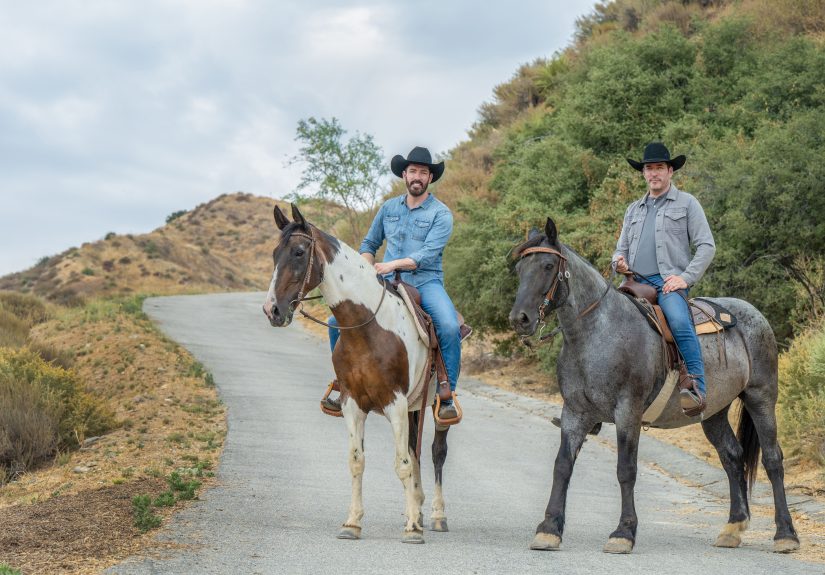
Chasing the West, isn’t just another makeover marathonit’s a love letter to the way they grew up:
wide-open land, early chores, and the kind of quiet that makes your phone look a little… suspicious.
Instead of focusing on a single renovation reveal, the Scott brothers help families figure out whether
ranch life is actually their dreamor just a pretty screensaver.
The premise is simple (and dangerously relatable): people burnt out on city pace and prices want space, sky,
and a slower lifestyle. The catch is also simple: land doesn’t care about your Pinterest board. It needs work.
In Chasing the West, the brothers guide buyers through that reality check with real estate expertise,
ranch know-how, and the occasional comedic moment that proves some dreams should come with a warning label.
What Is Chasing the West?
Chasing the West follows Drew and Jonathan as they help buyers searching for a ranch-style lifestyle
often families leaving dense city (or suburb-adjacent) livingfind properties across Western landscapes.
The show leans into the “big move” part of homebuying: not just where you live, but
how you live once you get theredaily routines, upkeep, animals, and the reality of being
responsible for more than a balcony plant that’s been “thriving” for three years (read: not fully dead).
HGTV positions the series as a passion-driven return to the brothers’ roots: Drew and Jonathan grew up on a
160-acre ranch, and the show taps into that lived experiencewhat it takes to care for land, how quickly
“peaceful” becomes “please fix that fence,” and why a dreamy view can distract you from the fact that you’re
budgeting for a tractor now.
Where It’s Set (and Why That Matters)
One reason the show feels different is that the land itself becomes a “character.” The series showcases
cinematic properties and ranch settings in places like Texas, Arizona, and Californiaregions where lifestyle,
climate, terrain, and local norms can dramatically shape what “ranch living” actually looks like.
Why This Is Their Biggest Passion Project
Plenty of HGTV shows are personal, but Chasing the West is personal in a specific way: it’s not just
Drew and Jonathan applying professional skillit’s them revisiting formative memories and values from their
upbringing. In interviews, they’ve described the experience as nostalgic and even “bittersweet,” because it
brought back what they loved about ranch life while reminding them how much they miss the mountains and space.
The brothers have talked openly about how ranch life shaped themeverything from responsibility (animals don’t
accept “I’m busy” as a valid excuse) to the kind of family bonding you get around a campfire. And in a show
that’s ultimately about families making a major life shift, that emotional context matters. This series isn’t
just “buy a house.” It’s “choose a lifestyle you can live with at 6 a.m. when it’s cold and something is
making a noise outside.”
How It’s Different From Their Other HGTV Shows
If you love the Scotts for design transformations, don’t worrythey didn’t suddenly forget what a floor plan is.
But Chasing the West is less about a deep renovation journey and more about decision-making:
helping people understand what they’re signing up for when they trade convenience for acreage.
The brothers have framed it as a show about choosing wisely during a complete lifestyle change. It’s not just
“Do you like shiplap?” It’s “Do you like shoveling?” Not just “Open concept?” but “Open concept… in a barn?”
And because the show is built around real people and real moves, the drama comes from stakes that are both
emotional and practical: finances, family priorities, and whether someone’s ‘country dream’ survives contact
with actual country.
The Fun Part: Ranch Reality Checks
One of the most memorable examples the brothers have shared is a buyer who dreamed for years about a chicken farm
until she was placed in a chicken pen and realized she was terrified of chickens. It’s funny, but it’s also
the show’s core point: fantasies are easy; lifestyles are specific.
Moments like that aren’t there just for laughs (though they do deliver). They also show why this series can be
genuinely useful for viewers. It’s a reminder to test-drive your dream before you buy it: visit a working farm,
talk to ranch owners, learn the daily rhythm, and figure out whether your “homestead era” includes
cleaning a trough without losing your will to exist.
What Viewers Can Learn (Even If They Never Move West)
The best “escape the city” shows do two things at once: they entertain, and they teach you what questions to ask
before making a big change. Chasing the West does that by focusing on tradeoffsspace versus time,
serenity versus responsibility, and “my money goes farther” versus “maintenance costs exist, and they’re loud.”
1) Land Is a Lifestyle, Not a Bonus Room
In interviews, the brothers have emphasized that more acreage can be appealingespecially to city buyersbut it
also means more upkeep, more cost, and more decisions. Fences need repairs. Animals escape. Driveways get long.
And while your “neighbor noise” problem might vanish, your “why is there a mysterious hole here” problem can
appear overnight.
2) Choose Acreage for Your Needs, Not Your Ego
The show repeatedly nudges buyers to size land appropriately. Bigger isn’t always betterit can be a budget trap
if the land demands equipment, labor, or constant upkeep you didn’t account for. In other words:
don’t buy a dream that eats your savings like a horse discovering an open feed bin.
3) Rural Living Has Hidden Costs (and Hidden Joy)
The Scotts highlight both sides: yes, your dollar may stretch in some markets, and yes, the views can be unreal.
But rural living can come with infrastructure realities: water systems, septic, long commutes, fire risk planning,
or simply fewer quick fixes when something breaks. The flip side is the joy buyers often chaseprivacy, peace,
a slower routine, and the kind of “home” feeling that’s hard to measure in square footage.
Meet the Stories: Who the Brothers Help
The series draws energy from the variety of buyersand their motivations. Some are families who want their kids
to grow up with room to roam. Some are burned-out professionals craving a reset. Some are people who’ve worked
hard and want a property that feels like a reward (and not just a very expensive place to store shoes).
HGTV has previewed examples like Texas business owners looking for a large home with significant land, plus a
couple leaving the Hollywood film industry who quickly learn country life isn’t for the faint of heart.
That mix is key: the show isn’t only about “finding property.” It’s about finding the right fitemotionally,
financially, and practically.
Why This Show Hits Right Now
The “move out of the city” trend has been simmering for years, fueled by cost of living, remote work, and
lifestyle burnout. The Scotts have said they hear from fans constantly about city stress and the desire for a
different pace. Chasing the West turns that cultural moment into a grounded exploration: it doesn’t
sell ranch life as a fairy taleit sells it as a trade you should understand.
Even the show’s scheduling story reflects the reality-TV ecosystem it lives in. The premiere was shifted from
an earlier July date to later in the month amid network scheduling changes, and the brothers acknowledged that
real-life filming timelines and network schedules don’t always play nice together. Translation:
ranch life may be unpredictable, and apparently, so is television.
How to Watch (and What Comes Next)
Chasing the West premiered on HGTV in late July 2025, with the first season structured as eight
hour-long episodes. The show is also positioned for streaming availability through HGTV’s ecosystem and related
platforms, which makes it easy to binge if you’re the kind of person who says, “Just one episode,” and then
accidentally learns three new fence terms at 2 a.m.
And if you’re thinking, “Are the Property Brothers done after this?”no. HGTV’s 2026 slate includes a new
14-episode series, Property Brothers: Under Pressure, built around helping hesitant buyers make the
biggest purchase of their lives and then tackling renovations. In other words, the Scotts are expanding their
universe from “fix the house” to “fix the panic spiral that happens before buying the house.”
Frequently Asked Questions About the Show
Is Chasing the West a renovation show?
Not in the traditional “demo day to reveal day” format. It’s more of a lifestyle-and-real-estate journey focused
on the decision to move rural, what that entails, and how to choose a property you can actually manage.
Where do Drew and Jonathan’s ranch roots come from?
The brothers have shared that they grew up with significant ranch experience, including time on a 160-acre ranch.
That background is a big reason the show feels personaland why their advice goes beyond curb appeal.
What makes the series binge-worthy?
You get sweeping landscapes, big life decisions, and the kind of human moments that make you laugh and cringe at
the same timelike realizing you love the idea of chickens more than you love actual chickens.
Conclusion: A Passion Project With Dirt Under Its Fingernails
Chasing the West works because it doesn’t pretend ranch living is effortless. It treats the dream with
respectand tests it with reality. Drew and Jonathan bring warmth, humor, and lived perspective to families
chasing space, simplicity, and a different rhythm of life. And along the way, they deliver something rare on TV:
a show that can make you laugh, make you want to move, and also make you write “research septic” in your notes app.
Experiences Related to Chasing the West: What It Feels Like to Chase a Rural Dream
Watching a show like Chasing the West can feel oddly personal, even if you’ve never owned so much as a
wheelbarrow. That’s because the “West” in the title isn’t only geographyit’s a mood. It’s the craving for
breathing room, for quieter mornings, for a life that doesn’t require a calendar invite just to think. And while
the series is packed with real estate strategy, a lot of its impact comes from the experiences it spotlights:
the emotional whiplash of leaving a familiar routine, the thrill of standing on land that’s finally yours, and
the sudden realization that nature doesn’t do customer service.
For would-be rural buyers, the experience often begins as a fantasy montage: coffee on a porch, golden light on
a field, a couple of animals politely existing in the background like they’re paid extras. Then reality shows up
wearing boots. The first “aha” moment many people haveon the show and in real lifeis that space comes with
responsibility. You don’t just buy a home; you inherit a system. Water, fencing, access roads, animal care,
seasonal maintenance, and weather planning all become part of everyday life. It’s not scary, but it’s specific.
The experience can be deeply satisfying for the right buyer because each task makes the home feel earned, not just
purchased.
Another experience the show captures well is the learning curve of rural identity. City living trains you to
outsource: food shows up, repairs are a phone call, and problems are solved by proximity. Ranch-style living
rewards preparation and patience. That shift can be empoweringpeople often discover they’re more capable than they
assumed. The first time you fix something yourself (even something small), you feel like you’ve unlocked a new
level of adulthood. But it can also be humbling. Plenty of buyers experience a brief stage of “Wait… am I a
farmer now?” when they realize their new lifestyle includes early mornings, constant upkeep, and the occasional
unexpected mess that doesn’t care about your weekend plans.
Then there’s the social experiencesurprisingly important. Rural life can be quieter, but it isn’t isolated in
the way people imagine. Communities often function differently, with more neighbor reliance and a strong culture
of local knowledge. You learn to ask questions you never asked before: Who plows this road? What’s the fire plan?
Which direction does the wind usually push smoke? Where do you buy feed? Over time, that kind of practical,
grounded community can become one of the most rewarding parts of the moveespecially for families looking for a
sense of belonging that’s less transactional than city convenience.
Finally, there’s the viewer experience. Even from the couch, Chasing the West has a way of prompting
self-audits: What do I actually want my days to feel like? What am I willing to trade for spacecommute time,
nightlife, walkability, quick services? And what “dream” am I carrying that might be more aesthetic than real?
The show doesn’t tell you to move. It invites you to define your prioritiesand then suggests, gently but firmly,
that you should test your dream before you buy it. In that sense, the biggest experience it offers is clarity:
a reminder that the best home isn’t the one that looks perfect on camera. It’s the one you can live in when the
camera’s gone and life gets wonderfully, inconveniently real.