Table of Contents >> Show >> Hide
- The quick answer: Is “teething diarrhea” a real thing?
- Teething 101: What teething usually looks like
- What counts as diarrhea in babies? (Because baby poop is already weird.)
- Why teething gets blamed for diarrhea (even when it’s not the cause)
- Teething poop vs. real diarrhea: a quick checklist you can actually use
- What to do at home if your baby has diarrhea (whether teething is happening or not)
- Safe ways to soothe teething (without making things worse)
- When to call your pediatrician (or seek urgent care)
- FAQ: The questions parents actually ask at 2:00 a.m.
- Real-life experiences: what “teething diarrhea” looks like in the wild (composite stories)
- Conclusion: the calm, practical truth
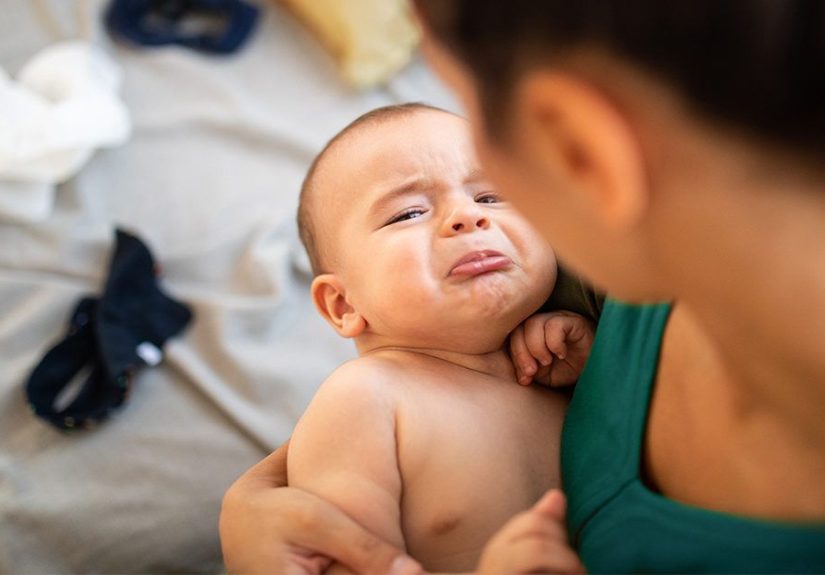
Your baby is drooling like a tiny Saint Bernard, gnawing on everything they can grab (including your shoulder), and now the diaper situation has gone from “normal baby poop” to “who authorized this much liquid?” If you’re wondering whether this is teething diarrhea, you’re in very good company. It’s one of the most common parenting questionsright up there with “Is this rash serious?” and “How can one person possibly produce this much laundry?”
Let’s clear up the myth, talk about what’s actually going on, and give you a practical, sanity-saving way to decide whether you’re dealing with mild “teething timing” or real diarrhea that deserves attention. (Spoiler: your instincts matter, and you don’t get a prize for waiting too long.)
The quick answer: Is “teething diarrhea” a real thing?
In most cases, true diarrhea isn’t caused by teething. Pediatric guidance commonly notes that teething can make babies fussy, drooly, and eager to chewbut diarrhea is usually a sign of something else (like a virus, food changes, or another illness). The tricky part is that teething often happens at the same time as other big transitionsstarting solids, more hand-to-mouth exploring, daycare exposure, sleep changesso it can feel like teething “caused” the poop problem.
That said, some babies do have slightly looser stools around teething days. Not explosive, not constant, not “we need to wash the walls,” but a small softening. Think: “a little runnier than usual” rather than “waterfall.” If you’re seeing frequent watery stools, blood, significant fever, vomiting, or signs of dehydration, treat it as illness until proven otherwise.
Teething 101: What teething usually looks like
Many babies begin teething around 4 to 7 months, though timing varies. Teething symptoms tend to be mild and localmeaning they’re mostly about the mouth, gums, and mood (not the stomach).
Common (and totally unfair) teething symptoms
- Extra drooling (aka: the constant bib life)
- Chewing/biting on fingers, toys, and your phone case
- Fussiness or irritability that comes and goes
- Sore or tender gums; mild swelling where a tooth is coming in
- Sleep disruption (because why should anyone sleep?)
- A mild facial rash from drool (the “drool rash” special)
Teething may be uncomfortable, but it shouldn’t make your baby truly sick. If your baby has major symptoms like significant diarrhea, high fever, or seems unwell overall, it’s time to widen the lens beyond teething.
What counts as diarrhea in babies? (Because baby poop is already weird.)
Before we label anything, it helps to define it. Newborn and young infant stools can be soft and frequentespecially in breastfed babies. So the question isn’t “Is it loose?” as much as “Is it a sudden change from normal for my baby?”
Signs it’s more likely real diarrhea
- Sudden increase in number of stools (more than usual for your baby)
- Stools that are truly watery (soaking into the diaper like it’s mostly liquid)
- Three or more unusually watery stools in a day (especially if this is new)
- Strong, foul odor that’s different from your baby’s baseline
- Mucus or blood in the stool
- Diarrhea plus vomiting, fever, or obvious discomfort
If you’re thinking, “This is not my baby’s normal,” you’re probably right. Parents are excellent baseline detectors. (You’ve stared into the diaper abyss enough times to earn the badge.)
Why teething gets blamed for diarrhea (even when it’s not the cause)
1) Timing: teething overlaps with “germ Olympics” season
Babies teethe during the same months they start putting everything in their mouth like they’re taste-testing the entire Earth. More mouth contact can mean more exposure to viruses and bacteriaespecially if your baby is in daycare or has older siblings who generously share germs like they’re party favors.
2) Saliva: the drool factory is working overtime
Some caregivers notice that swallowing lots of saliva may slightly change stool consistency for a day or two. That’s different from ongoing, watery diarrhea. If it’s frequent and very watery, assume illness rather than drool.
3) Food changes: “We tried pears” can be the real plot twist
Around the same age as teething, many babies start solids or try new foods. Some foods can loosen stools (hello, prunes and too much fruit). Even a small formula change or new supplement can do it.
4) Comfort feeding: more milk in, more output out
Teething babies often want to nurse or take a bottle more for comfort. More fluid intake can sometimes mean more frequent or softer stools. Again: softer is one thing; repeated watery stools are another.
Teething poop vs. real diarrhea: a quick checklist you can actually use
More consistent with “teething timing”
- Stool is only slightly looser than usual
- Maybe 1–2 looser diapers, not an all-day situation
- No significant fever
- Baby is still fairly playful between cranky moments
- Wet diapers are normal
- Typical teething signs are obvious (drool, chewing, gum tenderness)
More consistent with illness-related diarrhea
- Three or more very watery stools in a day (new for your baby)
- Diarrhea continues beyond a day or two, or ramps up
- Vomiting, significant fever, or baby seems “off”/lethargic
- Blood in stool, or severe diaper rash from frequent watery stools
- Signs of dehydration (fewer wet diapers, dry mouth, no tears, sunken soft spot)
If you’re stuck between the lists, use this tie-breaker: Hydration and behavior matter more than the exact shade of poop. A baby who’s drinking well, peeing normally, and acting mostly like themselves is usually safer to monitor at home while staying ready to call your pediatrician if things change.
What to do at home if your baby has diarrhea (whether teething is happening or not)
The main goal is simple: prevent dehydration and keep your baby comfortable. Most infant diarrhea is caused by a viral “stomach bug” and improves with supportive care, but babies can dehydrate faster than adultsbecause they’re tiny humans made mostly of opinions and water.
Hydration basics
- Continue breast milk or formula unless your clinician tells you otherwise.
- Offer smaller, more frequent feeds if your baby seems uncomfortable.
- If your baby has moderate diarrhea or is at risk of dehydration, ask your clinician about an oral rehydration solution (ORS) (like Pedialyte).
- Avoid sugary drinks/juice for diarrheasugar can worsen stool looseness in some kids.
If your baby is on solids
You don’t have to put your baby on a “beige diet,” but it can help to stick with gentle foods for a day: banana, rice cereal, applesauce, toast, oatmeal, plain yogurt (if tolerated), and well-cooked veggies. If a specific new food triggered the chaos, pause it and reintroduce later.
Diaper rash defense (because diarrhea is rude)
- Change diapers promptly.
- Use warm water or fragrance-free wipes; pat dry (don’t scrub).
- Apply a thick barrier cream (zinc oxide or petroleum-based) like you’re frosting a cupcake.
- Give some diaper-free air time if you can.
Safe ways to soothe teething (without making things worse)
If teething is also happening, you can absolutely address gum painjust choose options that are safe for infants. The goal is comfort, not “numb the entire mouth and hope for the best.”
Teething relief that’s generally considered safe
- Gently massage gums with a clean finger.
- Offer a chilled (not frozen) teething ring or a cold, damp washcloth.
- If your baby is old enough for solids, a supervised cold puree in a feeder can be soothing.
- If your clinician approves, an occasional dose of infant acetaminophen or ibuprofen may help (age/weight rules apply).
Teething remedies to avoid
- Benzocaine teething gels or liquids (risk of serious side effects; not recommended for teething babies).
- Lidocaine products for teething pain (unsafe for infants unless specifically directed by a clinician).
- Homeopathic teething tablets or gels with questionable ingredients.
- Amber teething necklaces (choking/strangulation hazard).
Bottom line: if a product promises “instant numb gums,” be extra cautious. Babies don’t need mouth-numbing experiments. They need comfort, supervision, and boringly safe solutions.
When to call your pediatrician (or seek urgent care)
Trust your gut. If you feel like your baby is genuinely unwell, it’s worth calling. In the meantime, these are common reasons clinicians want to hear from you sooner rather than later:
Call your pediatrician promptly if:
- Your baby is younger than 3 months and has diarrhea, fever, or seems unwell.
- Diarrhea is frequent and watery (especially if it’s new and more than a day).
- Your baby is vomiting repeatedly or can’t keep fluids down.
- You see blood in the stool.
- There are signs of dehydration: fewer wet diapers, very dry mouth, no tears, sunken eyes, or a sunken soft spot.
- Your baby is unusually sleepy, hard to wake, very irritable, or not acting like themselves.
Seek urgent care/emergency help if:
- Your baby shows severe dehydration signs (very few wet diapers, extreme lethargy, sunken soft spot, or appears very weak).
- There’s significant blood in the stool or black/tarry stool.
- Your baby has a high fever (especially in young infants) or looks seriously ill.
Remember: blaming big symptoms on teething can delay care for infections. If something feels “bigger than teething,” treat it that way.
FAQ: The questions parents actually ask at 2:00 a.m.
Can teething cause diaper rash?
Teething itself doesn’t typically cause diaper rash, but drool can cause a face/neck rash, and frequent loose stools can irritate the diaper area quickly. If you’re seeing a sudden rash with watery stools, focus on barrier protection and hydrationand call if it’s severe.
How long is “too long” for diarrhea?
Many viral diarrheas improve within a few days. If diarrhea is persistent, worsening, or lasts beyond what your clinician considers typical especially if your baby is very youngcheck in.
My baby is teething and has a fever. Is that normal?
Teething may come with a very slight temperature rise for some babies, but a true fever (especially in young infants) is more likely illness than teething. When in doubt, call.
What about “one watery poop”?
One unusual diaper can happen for many reasonsnew food, extra milk, a random digestion day. Watch for a pattern: repeated watery stools, dehydration signs, and behavior changes matter most.
Is mucus in poop always an emergency?
Not always, but it can signal irritation or infectionespecially if paired with blood, fever, or your baby seems unwell. If you see mucus repeatedly, it’s worth discussing with your pediatrician.
Real-life experiences: what “teething diarrhea” looks like in the wild (composite stories)
The following scenarios are composite examples based on common caregiver experiences and typical pediatric guidancenot real individuals. They’re meant to help you spot patterns and feel less alone in the diaper trenches.
Experience #1: The Drool-Fueled “Soft Stool” Fake-Out
A parent notices their 6-month-old is chewing everything, waking up more at night, and drooling through three bibs before lunch. That afternoon, the baby has two diapers that are softer than usualstill “poop,” but less formed and a bit runnier. There’s no fever, baby is smiling between cranky moments, and wet diapers are normal. The parent panics anyway (as one does), then watches closely: by the next day, stools are back to baseline. In this situation, it’s easy to label it “teething diarrhea,” but what actually happened is more like a short-lived stool change during a teething weekpossibly influenced by extra saliva swallowing or comfort feeding. The key detail is that it was mild, brief, and baby stayed well-hydrated and mostly themselves.
Experience #2: The “We Tried Mango” Plot Twist
A baby is teething and also newly enthusiastic about solids. One day it’s sweet potato; the next day it’s mango. The next diaper is… impressive. The parent assumes teething caused diarrhea because the gums look swollen. But when they backtrack, the timing matches a new fruit plus a little extra juice offered by a well-meaning relative. After returning to regular milk feeds and gentler solids, the stools calm down. The lesson: teething often gets blamed because it’s visible (hello, swollen gums), while diet changes can be sneaky. If stools change right after a new food, it’s reasonable to pause and retry later, especially if the baby otherwise seems fine.
Experience #3: The Daycare Germ Special (Teething Was Just the Background Music)
A 7-month-old is teething and attends daycare. They come home fussy, with a runny nose, and the next morning the diapers turn waterythree times before noon. Now there’s a low fever and the baby isn’t as interested in feeding. The family wants to believe it’s “just teething,” because teething feels manageable. But this is a classic pattern for a viral illness: multiple watery stools, fever, decreased appetite, and general “I don’t feel good” vibes. The parent calls the pediatrician, focuses on hydration (small frequent feeds, ORS if advised), and watches wet diapers closely. Within a couple days, symptoms improve. The big takeaway: teething and illness can happen at the same time. Teething doesn’t “protect” a baby from viruses, and it shouldn’t be used as the explanation for bigger symptoms.
Experience #4: The Surprise Diagnosis (When “Teething” Wasn’t the Answer)
An 8-month-old is irritable for days, sleeping poorly, and tugging at their earso everyone assumes teething. Then diarrhea shows up, and the parent chalks it up to “teething diarrhea,” too. But the baby also has a higher fever than expected and seems uncomfortable in a way that doesn’t come and go. A visit to the clinician reveals an ear infection, and the diarrhea may be from a viral illness circulating at the same time. Once treated and supported, baby improves. This story is a good reminder that teething can mimic “something’s bothering me,” but persistent discomfort, significant fever, or ongoing diarrhea deserve a real check.
Conclusion: the calm, practical truth
If your baby is teething and has a couple of slightly looser diapers, it may be coincidence, drool, diet, or comfort feeding. But frequent watery stools, fever, vomiting, blood, or dehydration signs are not “normal teething.” When you’re deciding what to do, focus on hydration, wet diapers, and how your baby is acting overall. And if your gut says, “This seems like more than teething,” call your pediatricianyou’re not overreacting; you’re parenting.