Table of Contents >> Show >> Hide
- What Is Doctor on Demand?
- How Doctor on Demand Works
- Key Features (The Stuff You Actually Care About)
- Cost, Insurance, and Pricing: What You’ll Likely Pay
- Benefits: Why People Like Doctor on Demand
- Limitations (Because No App Can Do Everything)
- Doctor on Demand vs. Alternatives (Quick Comparison)
- Tips to Get the Best Experience
- Who Doctor on Demand Is Best For
- Who Might Want Another Option
- Bottom Line: Is Doctor on Demand Worth It?
- Experiences: What Using Doctor on Demand Can Feel Like (500+ Words)
Telehealth used to feel like a futuristic perksomething you’d try once, mostly to brag about it at brunch. Now it’s a normal way to handle everything from a suspicious rash to a “my kid woke up coughing at 2 a.m.” moment. If you’re searching for a Doctor on Demand review, you’re probably asking one big question: Is this actually worth it?
This review breaks down what Doctor on Demand is, what it does well, where it can fall short, and how it compares to other telemedicine options. Along the way, I’ll share specific, real-world-style examples (the kind that happen to actual humans who don’t have time to sit in a waiting room scrolling through outdated magazines).
What Is Doctor on Demand?
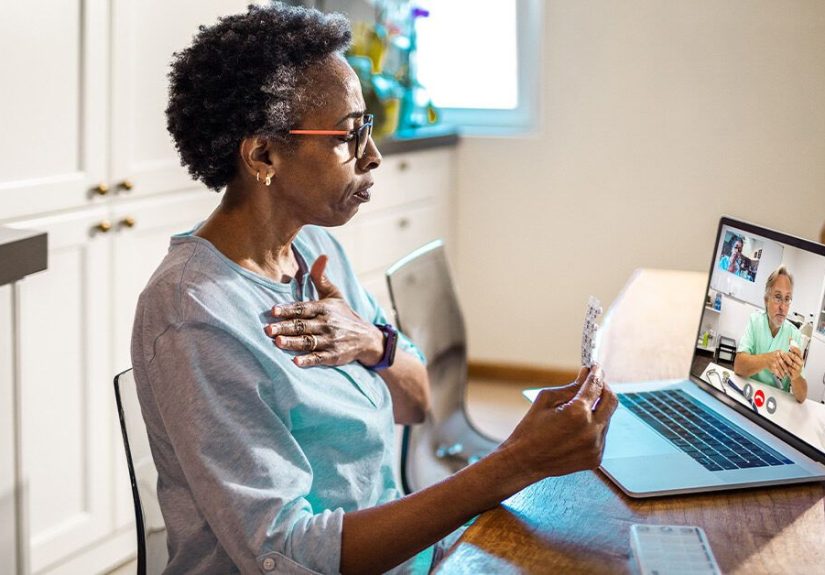
Doctor on Demand (now part of Included Health) is a telemedicine platform that connects you to licensed clinicians via secure video visits. Depending on your needs, you can use it for:
- 24/7 urgent and everyday care (think: colds, flu, UTIs, rashes, minor injuries)
- Mental health (therapy with a licensed therapist, plus psychiatry for medication management)
- Virtual primary care (routine care, chronic condition management, preventive care for adults)
- Prescriptions and refills for eligible medications
- Notes for work or school when appropriate
It’s designed for non-emergency care. If someone has severe symptoms (like chest pain, stroke signs, or serious injury), telehealth is not the right tool for that jobcall your local emergency number.
How Doctor on Demand Works
The flow is pretty straightforward:
- Create an account and enter basic health info.
- Choose a visit type: urgent care, therapy, psychiatry, or primary care.
- Pick a provider (especially for mental health and primary care) based on availability, specialties, and preferences.
- Join a secure video visit from your phone, tablet, or computer.
- Get a care plan, which may include home care instructions, prescriptions (if appropriate), lab orders, or follow-up guidance.
One key difference between visit types: urgent/everyday care is typically available around the clock, while therapy and psychiatry are usually scheduled in advance.
Key Features (The Stuff You Actually Care About)
1) Urgent & Everyday Care (24/7 Access)
This is the “I need help now, but I don’t need an ER” lane. Doctor on Demand lists a wide range of common conditions that can be evaluated virtually, including respiratory infections, allergies, skin issues, digestive problems, and minor musculoskeletal concerns.
Example: You wake up with classic sinus pressure, congestion, and a headache that feels like your face is filing a complaint. You book an urgent care visit, review symptoms, and (if clinically appropriate) the clinician may recommend OTC options, hydration/rest, and possibly a prescription depending on the assessment.
What it’s best for:
- Cold/flu-like symptoms, seasonal allergies
- Rashes, mild skin infections, acne flares
- UTI symptoms (when appropriate for telehealth evaluation)
- Stomach bug symptoms, nausea, heartburn
- Minor sprains/strains, back pain advice
What it’s not great for: anything requiring hands-on examination (certain abdominal pain patterns, severe injuries), imaging on the spot, or immediate procedures.
2) Therapy (Talk Support Without the Commute)
Doctor on Demand offers virtual therapy with licensed mental health professionals. You can typically filter or select by factors like expertise, scheduling availability, and other preferencesuseful if you’re looking for help with anxiety, stress, relationship issues, grief, trauma, or coping skills.
Example: You’ve been feeling keyed-up for weeks, sleeping poorly, and snapping at people who don’t deserve it (like your toaster). Therapy visits can focus on practical strategies, reframing stressors, and building routines that actually stick.
Reality check: Therapy is not instant magic. But having a convenient path to regular sessions can make consistency easierwhich is often where progress lives.
3) Psychiatry (Medication Management When Needed)
Psychiatry visits are generally for evaluation, diagnosis (when appropriate), and medication management. This is a different service than therapy, and scheduling may take longer depending on where you live and clinician availability.
Example: Someone with persistent depressive symptoms that aren’t improving may seek a psychiatric evaluation to discuss whether medication makes sense, how side effects are monitored, and how follow-ups work over time.
Important prescribing note: Like many telehealth platforms, Doctor on Demand states there are limits on medications that can be prescribed via the service, including controlled substances (and certain pain medications). If your goal is a controlled medication, assume you’ll need in-person care and/or additional requirements depending on federal and state rules.
4) Virtual Primary Care (More Than “Quick Fix” Telemedicine)
Doctor on Demand also positions itself beyond one-off urgent care by offering virtual primary care for ongoing health needs. This can include routine checkups (adult preventive care), chronic condition support (like high blood pressure or diabetes management), and follow-up planning. Labs and screenings may be ordered to local facilities when appropriate.
Example: You’ve had borderline-high blood pressure readings. A virtual primary care visit might cover your history, lifestyle factors, home blood pressure monitoring, and a plan for labs and follow-upwithout you taking half a day off work.
5) Labs, Screenings, and Referrals (When Virtual Isn’t Enough)
Telehealth works best when it connects smoothly to in-person care. Doctor on Demand indicates clinicians may order labs or screenings and may recommend follow-up with local in-person providers when needed.
Translation: A video visit can get you moving in the right direction fast, but it won’t replace imaging, hands-on exams, or procedures. Good telemedicine should help you escalate appropriatelynot pretend every problem can be fixed through a screen.
Cost, Insurance, and Pricing: What You’ll Likely Pay
Doctor on Demand’s listed cash prices commonly start around:
- Medical urgent/everyday care: starting at $99 (often noted as a short visit length)
- Therapy: starting around $134 for shorter sessions, with longer sessions costing more
- Psychiatry: higher initial evaluation costs (commonly around the high-$200s), with lower-priced follow-ups
Many users pay less when their plan covers telehealth. Coverage depends on your insurer, employer benefits, and location. A practical tip: if you have insurance, use the app’s insurance setup first and confirm your estimated cost before booking.
Benefits: Why People Like Doctor on Demand
Convenience That Actually Matters
Not “convenience” like ordering socks at midnight. Real conveniencelike avoiding a waiting room when you’re contagious, or not juggling childcare for a basic appointment.
Access for Rural or Busy Households
If you live far from urgent care, have limited transportation, or have a schedule that treats free time like a rare Pokémon, virtual visits can remove major barriers.
One Platform for Physical + Mental Health
Many telehealth apps focus on one niche. Doctor on Demand’s appeal is that you can handle urgent care, therapy, psychiatry, and (for many people) primary care in one place.
Prescription Help (Within Reason)
For appropriate conditions, a clinician may prescribe medication or refill existing prescriptions. But controlled substances and certain high-risk meds are generally off the table, and that’s not unique to Doctor on Demand.
Limitations (Because No App Can Do Everything)
You Still Might Need In-Person Care
Telehealth can’t listen to your lungs with a stethoscope (at least not yet, unless your phone is hiding secret talents). If symptoms are severe, unusual, or worsening, you may be directed to urgent care, the ER, or your local clinician.
Availability Can Vary by State and Specialty
Urgent care coverage is typically broad, but therapy and psychiatry availability can depend on clinician supply in your state. If you need a specialist focus, you may need to try multiple provider options.
Not for Controlled Substance Prescribing Goals
Federal and state rules on telehealth prescribingespecially for controlled substancesare complex and have changed over time. Even when telehealth prescribing is allowed under certain criteria, platforms may still restrict it for safety and compliance reasons.
Short Visits Can Feel…Short
Urgent care visits are designed to be efficient. That’s a feature, but it also means you should show up prepared: list symptoms, timeline, meds, allergies, and questions. Telehealth rewards organized patients (finallyour sticky-note habit pays off).
Doctor on Demand vs. Alternatives (Quick Comparison)
There’s no single “best telehealth” choicejust the best fit for your needs. In general:
- If you want 24/7 urgent care: Doctor on Demand is strong here, similar to other major telemedicine providers.
- If you want ongoing therapy + psychiatry in one place: Doctor on Demand is competitive, especially if your insurance covers it.
- If you want membership-style primary care: some competitors charge membership fees; Doctor on Demand often emphasizes pay-per-visit and insurance coverage options.
- If you want in-person + virtual integration: local health systems sometimes offer telehealth tightly connected to your existing medical records.
Best practice: If continuity of care is your top priority, consider whether you can use Doctor on Demand for primary care visits and follow-ups, and how easily records can be shared with local providers.
Tips to Get the Best Experience
- Pick the right visit type: urgent care for quick issues; primary care for ongoing management; therapy/psychiatry for mental health treatment plans.
- Gather basics before your visit: temperature readings, symptom timeline, home BP readings, photos of rashes in good light.
- Use a quiet space + stable internet: the best clinical advice still needs a connection that doesn’t freeze mid-sentence.
- Ask direct questions: “What should make me seek in-person care?” “What’s the plan if this doesn’t improve in 48 hours?”
- Confirm prescription logistics: preferred pharmacy, refill rules, and medication restrictions.
Who Doctor on Demand Is Best For
- Busy families needing quick guidance for minor illnesses
- Adults managing chronic conditions who want convenient follow-ups
- People seeking therapy or psychiatry and prefer video visits
- Anyone with telehealth coverage through insurance/employer benefits
Who Might Want Another Option
- People who need hands-on exams frequently or lots of in-person procedures
- Those seeking controlled substance prescriptions as a primary goal
- Anyone who strongly prefers an ongoing local doctor relationship and integrated in-person clinics
Bottom Line: Is Doctor on Demand Worth It?
Doctor on Demand is a solid telehealth choice if you want fast access to licensed clinicians for non-emergency issues, plus the option to use therapy, psychiatry, and virtual primary care in the same ecosystem. It shines when you value convenience, need care outside typical office hours, or want a streamlined way to get evaluated and guidedwithout driving across town and sitting under fluorescent lights that make everyone look like they’re auditioning to be “Patient Zero.”
The biggest deciding factors are usually insurance coverage, clinician availability in your state, and whether your needs fit telehealth’s strengths (evaluation, advice, basic treatment, follow-up planning). For many people, it’s not a replacement for in-person healthcareit’s a smart front door to it.
Experiences: What Using Doctor on Demand Can Feel Like (500+ Words)
Let’s talk “experience,” because features on a webpage are nice, but real life is messy. Here are a few common scenarios that reflect how Doctor on Demand typically fits into everyday healthcarealong with what people tend to like and what can be frustrating.
Experience #1: The Midnight Parent Problem
It’s 1:12 a.m. Your child wakes up miserablecoughing, congested, and dramatically announcing that breathing is “impossible” (they are eight, so this is a reasonable scientific conclusion). You don’t want to rush to the ER unless you truly need to, but you also don’t want to wing it with random internet advice. A 24/7 urgent care video visit can be a comfort here: you can describe symptoms, discuss warning signs, and get guidance on what to watch overnight. The best part is often the triage claritya clinician explaining, in plain language, what would make this an emergency and what can be managed at home. The limitation? If the clinician suspects something that requires listening to lungs, checking oxygen levels, or doing a throat swab, you’ll still be sent to in-person care. The telehealth visit isn’t “wasted,” thoughit can help you decide how urgently to go and what information to bring.
Experience #2: The “Do I Really Need Urgent Care?” Rash
Skin issues are one of telehealth’s underrated wins. If you can take clear photos in good lighting, a clinician can often give useful direction. People tend to appreciate quick reassuranceespecially when a rash looks alarming but behaves like something mild. Sometimes the plan is simple: stop a new product, use an OTC treatment, track changes, and follow up if it spreads or becomes painful. Other times, you may be advised to seek in-person care if the rash has red-flag symptoms. The “experience” here usually depends on prep: good photos and a clear timeline make the visit smoother, while blurry images and a vague “it started…sometime?” can slow things down.
Experience #3: The Work Note and the Real World
Some users come to telehealth for the practical reality of life: they’re sick, they need advice, and their employer or school requires documentation. When appropriate, telehealth clinicians may provide a note. The positive experience is speedno need to sit in a waiting room just to prove you’re coughing in 4K. The tricky part is expectation-setting: clinicians aren’t there to rubber-stamp anything. If your symptoms don’t match what you’re requesting, you may not get exactly what you came for. Ironically, that’s a sign the system is functioning responsiblyeven if it’s annoying when you’re trying to keep HR happy.
Experience #4: Therapy That Fits Into Real Schedules
For therapy, the biggest “experience upgrade” is consistency. People often find it easier to keep appointments when they don’t have to commute or rearrange an entire day. That said, virtual therapy can feel awkward at firsttalking about emotions while sitting three feet from your laundry pile is a uniquely modern vibe. Many people report that awkwardness fades after a session or two, especially once you find a therapist who’s a good match. If you don’t click with the first provider, switching can be part of the process, not a failure. The most common frustration is availability: depending on where you live, the perfect therapist might not have the perfect time slot.
Experience #5: “Can You Refill This?” (Sometimes Yes, Sometimes No)
Prescription refills can be helpful when you’re between doctors or traveling. But users learn quickly that some medications have strict rules. If a medication is restricted or considered higher-risk, the platform may decline to prescribe it, and you’ll need in-person care. The best experience happens when you treat telehealth like a medical service (not a shortcut): bring your medication list, pharmacy info, and a clear reason for the request. When it’s appropriate, it can save time; when it’s not, it still clarifies next steps.
Overall, the “Doctor on Demand experience” is usually best when you use it for what it’s built for: fast access, solid guidance, and convenient follow-upsplus mental health care that doesn’t require you to reorganize your entire life just to show up.