Table of Contents >> Show >> Hide
- Why Baking Feels Like Magic (But It’s Actually a System)
- The Dessert Pantry That Makes You Look Like You Have Your Life Together
- Measuring & Prep: Where Great Desserts Are Won
- Leaveners: Baking Soda, Baking Powder, and the Tiny Heroes of Fluff
- Temperature: Your Oven Is a Liar (Get an Oven Thermometer)
- Dough & Batter Rest: The Fridge’s Glow-Up Filter
- Dessert Hall of Fame: What to Bake When You Want a Win
- Troubleshooting: The Most Common Baking Plot Twists
- Storage & Make-Ahead: Keep Desserts Fresh (and Your Future Self Grateful)
- Food Safety: A Quick, Not-Fun-But-Important Intermission
- Baking Experiences: The 500-Word “Yep, I’ve Been There” Section
- Conclusion: Bake Like You Mean It (But Laugh When It Gets Weird)
Desserts are the edible proof that optimism is a renewable resource. You start with a bowl of beige powder, add some
butter (a.k.a. happiness in stick form), and an hour later you’re holding a tray of cookies that can fix a rough day
faster than your “motivational” playlist. But here’s the secret: baking isn’t magicit just looks like it because
the science is doing its work quietly while you’re busy licking the spoon like it’s a sport.
This guide is your all-access pass to better desserts and calmer baking. We’ll talk technique, baking science, and
the classicscookies, cakes, pies, and pastriesplus how to troubleshoot the most common “why did my cake do that?”
moments. And yes, we’ll also cover the sacred arts of storage, make-ahead planning, and not poisoning yourself with
raw dough (sorry, cookie dough fansmore on that later).
Why Baking Feels Like Magic (But It’s Actually a System)
Cooking lets you improvise. Baking politely asks you to stop improvising. Desserts work because of structure:
flour proteins create frameworks, eggs bind and emulsify, sugar manages moisture and tenderness, fats add flavor and
inhibit toughness, and leaveners inflate the whole operation like tiny edible airbags.
Browning 101: Maillard vs. Caramelization
That “bakery smell” and golden crust aren’t just vibesthey’re chemistry. Caramelization happens when sugars heat up
and transform into deeper, nuttier flavors. The Maillard reaction is a different pathway (sugars + proteins) that’s
responsible for much of the browning and complex, toasty flavor in baked goods. Understanding the difference helps
you troubleshoot: pale cookies might need more Maillard-friendly conditions (proper heat, enough proteins/sugars,
and the right pH), while over-dark edges can mean too much heat or sugar concentration.
The Dessert Pantry That Makes You Look Like You Have Your Life Together
You don’t need a pastry-school pantry, but a few smart staples make desserts easier and better:
- Flour: All-purpose for most baking; bread flour when you want more chew (certain cookies, breads).
- Sugars: Granulated for crispness and lift; brown sugar for chew, moisture, and caramel notes; powdered for smooth frostings.
- Cocoa & chocolate: Cocoa for deep flavor; real chocolate for melt, richness, and dramatic “wow” moments.
- Leaveners: Baking soda, baking powder (fresh matters), and a little salt (yes, even in dessert).
- Flavor builders: Vanilla extract, citrus zest, cinnamon, espresso powder, and a pinch of skepticism about “optional” salt.
One more pantry habit that pays off: label your leaveners with the purchase date. Baking powder and baking soda don’t
last forever; weak leaveners can turn a fluffy cake into a sweet, dense brick with feelings.
Measuring & Prep: Where Great Desserts Are Won
Most baking “fails” aren’t failuresthey’re math problems in disguise. Accurate measuring keeps your ratios stable,
and stable ratios keep your dessert from pulling a plot twist.
Weighing vs. Scooping: The Flour Trap
Flour can pack down in a measuring cup, meaning “one cup” can vary wildly depending on how you scoop. If you can,
use a kitchen scale. If you’re using cups, fluff the flour, spoon it into the cup, and level it offdon’t scoop and
compress unless your goal is “cookie croutons.”
Room Temperature Ingredients: Not Warm, Not ColdJust Cooperative
Many cakes and cookies rely on butter that’s softened (not melted) so it can trap air when creamed with sugar.
Softened butter should feel pliable and slightly coolnot greasy. If it’s shiny and slumping, you’ve crossed into
“butter puddle” territory, and your cookies may spread like gossip.
Creaming Butter & Sugar: The Air-Bubble Factory
When you cream butter and sugar properly, you’re creating tiny air pockets that help lift your cake or cookie.
The mixture should look lighter in color and fluffier in texture. If you stop too soon, you’ll miss that lift. If you
go too long with butter that’s too warm, you’ll whip… sadness.
Leaveners: Baking Soda, Baking Powder, and the Tiny Heroes of Fluff
Baking soda (sodium bicarbonate) needs an acid (like buttermilk, yogurt, brown sugar, lemon juice, or vinegar) to
create carbon dioxide. Baking powder contains both base and acid, so it can leaven batters that don’t have enough
natural acidity. They’re not interchangeable, and some recipes use both: one for rise, one for browning and balance.
Pro move: if a recipe tastes “soapy” or metallic, it may have too much baking soda (or not enough acid to use it up).
If it rises and then collapses, you might have too much leavener overall, or an oven temperature issue.
Temperature: Your Oven Is a Liar (Get an Oven Thermometer)
Ovens drift. They run hot, cold, and occasionally chaoticlike a toddler with a thermostat. An inexpensive oven
thermometer tells you the truth, which is the first step in fixing issues like burnt bottoms, pale tops, or cakes
that bake unevenly.
- Hot spots: Rotate pans halfway through baking if your oven browns unevenly.
- Rack position: Middle rack is usually the sweet spot for even heat.
- Preheat means preheat: Give the oven time to stabilize, not just beep.
Dough & Batter Rest: The Fridge’s Glow-Up Filter
Resting isn’t just for people after leg day. Cookie dough, especially, improves with time. A rest in the fridge lets
flour hydrate more fully and gives sugar time to dissolve and redistribute moisture. It also chills the fat, which
helps cookies hold shape before the butter melts in the oven.
If you can spare it, rest cookie dough at least an hour; overnight can deepen flavor and improve texture. If you can’t,
even a short chill can reduce spreading and improve consistency. Your future self will thank youpossibly with a warm
cookie and fewer regrets.
Dessert Hall of Fame: What to Bake When You Want a Win
1) Cookies: The Crowd-Pleaser With Infinite Personalities
Cookies are the easiest dessert to customize. Want chewy? Use more brown sugar, chill the dough, and slightly underbake.
Want crisp? More granulated sugar, thinner portions, and a longer bake. Want “fancy”? Brown the butter for nutty depth,
add flaky salt, and pretend you did it casually.
Example upgrade: try a half-and-half sugar mix (granulated + brown), chill the dough, and bake until the edges set while
the centers still look a touch soft. Residual heat finishes the job without turning the middle into sand.
2) Cakes: Tender Crumb, Big Payoff
Cakes are about structure and gentleness. Overmixing develops too much gluten, which can make cakes tough. Mix just
until combined once flour is added. For many butter cakes, proper creaming plus room-temperature ingredients gives you
lift and a fine, even crumb.
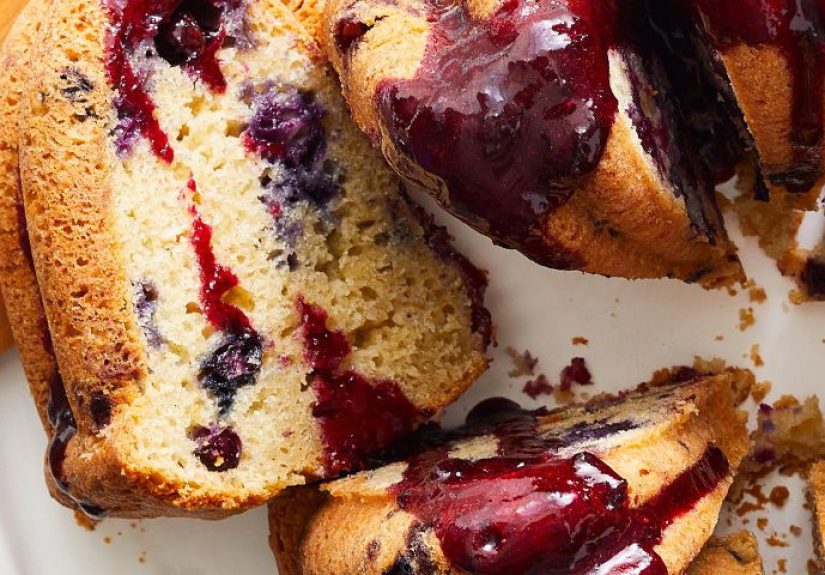
- Butter cake: Rich, classic, perfect with berries.
- Chocolate cake: Often uses cocoa + hot liquid to “bloom” flavor.
- Sheet cake: Low-stress and party-ready (the dessert equivalent of sweatpants).
3) Pies: Flaky Crust, No Fear
Pie crust is a temperature game: cold fat + minimal handling = flake. Cold butter pieces melt in the oven, releasing
steam that creates layers. Work quickly, use cold water, and stop mixing when the dough just holds together.
If your pie has a wet filling (custard, fruit), blind baking can help prevent a soggy bottom. Line the crust with
parchment or foil, weigh it down, bake until it starts to set, then finish as neededbecause nobody wants “pie soup
with a soft hat.”
4) Custards & Cheesecakes: Smooth Operators
Custards (like crème brûlée, panna cotta, and cheesecake-style fillings) are all about gentle heat. Too hot and eggs
curdle; too cold and it never sets. Low-and-slow baking and water baths help create that silky texture people pay
restaurant prices for.
5) Quick Breads & Muffins: Breakfast Disguised as Dessert
Muffins and banana bread are forgiving, but they still have rules. Don’t overmixlumpy batter is fine. Overmixed batter
makes tunnels and toughness. Add-ins (nuts, berries, chocolate chips) should be tossed lightly with flour to help
suspend them instead of sinking like tiny delicious submarines.
Troubleshooting: The Most Common Baking Plot Twists
- Cookies spread too much: Butter too warm, dough not chilled, or too little flour. Chill dough and check your measuring method.
- Cookies are dry: Overbaked, too much flour, or not enough sugar/fat. Pull earlier; use a scale if possible.
- Cake is dense: Under-creamed butter/sugar, expired leaveners, overmixing after flour, or oven too cool.
- Cake sinks in the middle: Underbaked center, too much leavener, or opening the oven early (the cake panics and collapses).
- Pie crust is tough: Overworked dough or too much water. Next time: fewer turns, colder ingredients.
- Frosting is grainy: Sugar not dissolved or butter too cold. Beat longer; ensure ingredients are properly softened.
- Chocolate seized: A little water hit melted chocolate. Keep tools dry; use cream intentionally for ganache.
Storage & Make-Ahead: Keep Desserts Fresh (and Your Future Self Grateful)
Desserts don’t have to be a same-day sprint. A few make-ahead tricks:
- Freeze cookie dough balls: Bake from frozen with a small extra bake time.
- Wrap cakes well: Many cakes taste better the next day as flavors settle and moisture redistributes.
- Keep soft cookies soft: Store airtight and add a slice of plain white bread to help maintain moisture.
- Don’t refrigerate everything: Fridges can dry baked goods. Refrigerate only when safety demands it (cream fillings, dairy-heavy frostings).
Food Safety: A Quick, Not-Fun-But-Important Intermission
Raw flour and raw eggs can contain harmful germs. That means tasting raw batter or dough can risk food poisoning.
Bake it, cook it, or choose an “edible cookie dough” recipe designed for safety. Also: wash hands, bowls, utensils,
and counters after working with flour and eggs. Yes, even if you “barely touched it.” Germs love a loophole.
Baking Experiences: The 500-Word “Yep, I’ve Been There” Section
If you’ve ever pulled a tray of cookies from the oven and thought, “These look… emotionally unstable,” welcome to the
club. Baking has a way of teaching humility with butter. One day you’re feeling confident, the next your cupcakes
are wearing little crater hats like they’ve seen things. The good news is that most baking wins come from a handful
of repeatable momentstiny habits that stack up into “How did you make this?” compliments.
One of the most common turning points for home bakers is the first time you chill cookie dough on purpose and notice
the difference. The dough scoops cleaner, bakes thicker, and the flavor tastes more roundedlike the ingredients
finally had time to become friends instead of awkward strangers forced into the same bowl. That’s when baking starts
to feel less like guessing and more like steering. You’re not hoping for a good cookie; you’re arranging one.
Another classic experience: realizing your oven has been freelancing. People often assume “350°F is 350°F,” but an
oven thermometer can reveal a temperature that’s off enough to mess with browning and timing. The first time you
see the needle sitting stubbornly at 325°F while your oven insists it’s 350°F, you may feel betrayed. But it’s also
strangely empoweringbecause suddenly your recipes start working the way they’re supposed to. Cakes bake evenly,
cookies brown predictably, and you stop blaming your mixing bowl like it’s cursed.
Pie crust is another rite of passage. The first few attempts can feel like negotiating with cold butter under a strict
deadline. You’re trying not to overwork the dough, your kitchen is warm, and the butter is basically begging to melt.
Then one day it clicks: cold ingredients, quick hands, and “stop mixing when it holds together” is real advice, not a
poetic metaphor. When you finally slice into a pie and see those flaky layersactual layersyou’ll understand why
people get dramatic about crust.
Baking also comes with the best kind of small victories: rescuing a too-soft butter situation by chilling it briefly,
saving a frosting by beating it longer, or realizing a “failed” cake can become the base for an incredible trifle.
Those moments teach a quiet confidence. You learn that perfection isn’t the goalrepeatable deliciousness is. And that’s
the real dessert flex: not flawless pastries, but a kitchen where good things happen often enough that you start
bringing cookies “just because.”
Conclusion: Bake Like You Mean It (But Laugh When It Gets Weird)
Desserts and baking reward a little structure and a lot of curiosity. Use accurate measuring, manage temperature,
respect resting time, and learn the few techniques that show up everywherecreaming, gentle mixing, and smart baking
times. Then bake the classics until they feel like yours. Because the best dessert isn’t the one that looks perfect;
it’s the one people keep sneaking seconds of while pretending they “just want a tiny taste.”