Table of Contents >> Show >> Hide
- What Is Cowboy Butter?
- Why Cowboy Butter Became So Popular
- Classic Cowboy Butter Ingredients
- Easy Cowboy Butter Recipe
- How to Use Cowboy Butter
- Cowboy Butter Variations
- Common Mistakes to Avoid
- How to Store Cowboy Butter Safely
- What to Serve with Cowboy Butter
- Is Cowboy Butter Healthy?
- Experience Notes: Cooking with Cowboy Butter in Real Life
- Conclusion
- SEO Tags
Cowboy butter sounds like something a mustached ranch hand invented beside a campfire while arguing with a cast-iron skillet. In reality, it is a wildly flavorful garlic herb butter sauce that has galloped across home kitchens, steak nights, social media feeds, and backyard grills. It is rich, tangy, spicy, savory, and just fancy enough to make a Tuesday dinner feel like it put on boots and a clean shirt.
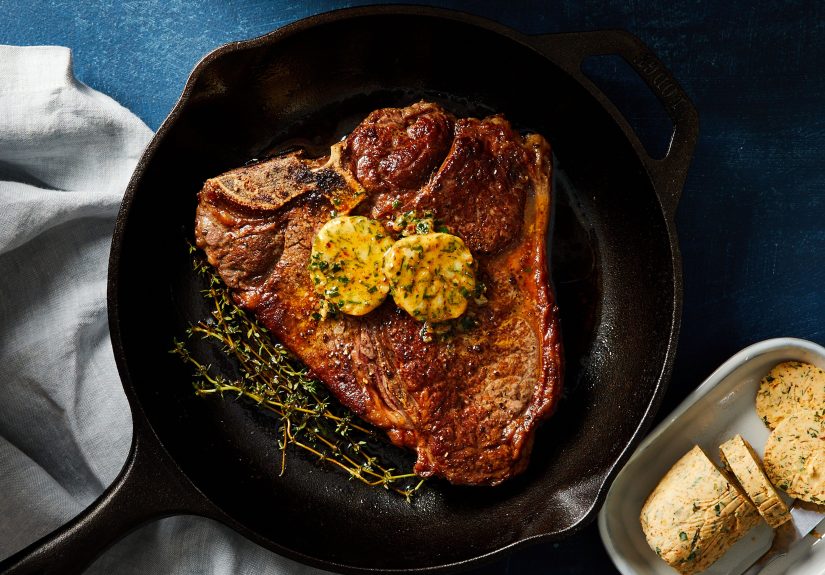
At its heart, cowboy butter is a compound butter or melted dipping sauce made with butter, garlic, lemon, mustard, herbs, and a little heat. Some versions add shallots. Others bring in prepared horseradish, paprika, cayenne, chili flakes, Worcestershire sauce, or fresh thyme. The result is not shy. This is not “a whisper of flavor.” This is butter kicking open the saloon doors and announcing dinner.
The best part? Cowboy butter is easy. No culinary degree, no complicated reduction, no mysterious restaurant equipment. If you can soften butter and stir things together, you can make it. And once you do, steak is only the beginning. Use it on chicken, shrimp, salmon, roasted potatoes, corn, biscuits, grilled vegetables, pasta, bread, burgers, and anything else brave enough to stand still.
What Is Cowboy Butter?
Cowboy butter is a bold flavored butter that combines creamy richness with bright acidity, fresh herbs, garlic, mustard, and spices. It can be served two ways: softened like a spreadable compound butter or melted into a warm dipping sauce. Both versions have their place. The softened version is excellent for slicing onto hot steak or storing in the refrigerator. The melted version is perfect for dipping steak bites, spooning over seafood, or brushing onto grilled bread.
Despite the rugged name, cowboy butter is more of a modern internet-famous kitchen favorite than a documented Old West staple. That does not make it any less delicious. Many “cowboy” recipes are hearty, rustic, flexible, and big on flavor. Cowboy butter fits the theme beautifully: it is easy, punchy, and built from everyday ingredients that somehow taste like they planned a surprise party for your taste buds.
Why Cowboy Butter Became So Popular
Cowboy butter has surged in popularity because it solves a very common home-cooking problem: plain food fatigue. A grilled steak can be wonderful, but steak with cowboy butter tastes like it has a personal stylist. Chicken breast can be a little polite, but add cowboy butter and suddenly it has opinions. Roasted potatoes are already great, but toss them with this sauce and they become the side dish everyone “accidentally” keeps eating from the pan.
Another reason cowboy butter works so well is balance. Butter brings richness. Lemon juice cuts through the fat. Dijon mustard adds tang and depth. Garlic gives it backbone. Fresh herbs make it lively. Paprika, cayenne, or chili flakes add warmth. Horseradish, when used, gives a steakhouse-style kick. Together, these ingredients create a sauce that feels indulgent without tasting heavy.
Classic Cowboy Butter Ingredients
A great cowboy butter recipe does not require a long grocery list, but each ingredient matters. Think of it as a small flavor rodeo where every rider has a job.
Butter
Use unsalted butter if you want full control over seasoning. Salted butter works too, but taste before adding extra salt. For the smoothest texture, let the butter soften at room temperature before mixing. If making a melted cowboy butter sauce, melt it gently over low heat so the butter does not separate or brown too aggressively.
Garlic
Fresh minced garlic is the classic choice. It gives cowboy butter its savory punch. For a softer flavor, grate the garlic finely or cook it briefly in melted butter. Raw garlic is sharper and more intense, while lightly warmed garlic is rounder and sweeter.
Lemon Juice and Lemon Zest
Lemon juice brightens the butter and keeps it from tasting flat. Lemon zest adds fragrance without extra liquid. If your cowboy butter tastes good but slightly heavy, a little more lemon is often the answer.
Dijon Mustard
Dijon mustard is one of the secret heroes of cowboy butter. It adds tang, subtle heat, and a little sophistication. Spicy brown mustard can work if you want a bolder flavor. Yellow mustard is milder and more casual, but still useful in a pinch.
Fresh Herbs
Parsley, chives, and thyme are common choices. Parsley adds freshness, chives bring mild onion flavor, and thyme gives the butter an earthy note. You can also use rosemary, dill, cilantro, or sage depending on what you are serving.
Spices and Heat
Paprika gives color and gentle smokiness. Cayenne adds heat. Red pepper flakes bring texture and a slow burn. Chili powder can add a deeper, southwestern-style flavor. Start small, taste, and adjust. Cowboy butter should have personality, not require a warning label.
Optional Flavor Boosters
Prepared horseradish adds steakhouse bite. Shallots add sweetness and depth. Worcestershire sauce brings umami. A dash of hot sauce makes the butter brighter and sharper. Smoked paprika gives a campfire-style flavor without requiring you to wear a hat dramatically in the backyard.
Easy Cowboy Butter Recipe
This version is balanced, flexible, and easy to customize. It makes enough for steak night, grilled chicken, roasted vegetables, or a dangerous amount of bread dipping.
Ingredients
- 1 cup unsalted butter, softened or gently melted
- 3 cloves garlic, finely minced or grated
- 1 tablespoon Dijon mustard
- 1 tablespoon fresh lemon juice
- 1 teaspoon lemon zest
- 1 tablespoon finely minced shallot
- 1 tablespoon prepared horseradish, optional
- 2 tablespoons chopped fresh parsley
- 1 tablespoon chopped fresh chives
- 1 teaspoon fresh thyme leaves or 1/2 teaspoon dried thyme
- 1/2 teaspoon smoked paprika
- 1/4 teaspoon cayenne pepper, or to taste
- 1/4 teaspoon red pepper flakes
- 1/2 teaspoon kosher salt, plus more to taste
- 1/4 teaspoon freshly ground black pepper
- Optional: 1 teaspoon Worcestershire sauce or a few dashes of hot sauce
Instructions for Soft Cowboy Butter
- Place softened butter in a medium bowl.
- Add garlic, Dijon mustard, lemon juice, lemon zest, shallot, horseradish, herbs, spices, salt, and pepper.
- Mix with a fork or spatula until everything is evenly combined.
- Taste and adjust with more lemon, salt, cayenne, or herbs as needed.
- Spoon onto hot steak, chicken, fish, vegetables, or bread.
Instructions for Melted Cowboy Butter Sauce
- Melt butter in a small saucepan over low heat.
- Add garlic and shallot, stirring for about 30 to 60 seconds until fragrant.
- Remove from heat and stir in Dijon mustard, lemon juice, lemon zest, herbs, spices, salt, and pepper.
- Serve warm as a dipping sauce or spoon it over cooked meats, seafood, potatoes, or vegetables.
How to Use Cowboy Butter
Cowboy butter is famous as a steak sauce, but stopping there would be like buying a pickup truck only to drive it to the mailbox. This butter has range.
On Steak
Spoon melted cowboy butter over ribeye, sirloin, filet mignon, New York strip, or flank steak. It also works beautifully with steak bites. The butter melts into the meat, the lemon cuts the richness, and the garlic-herb flavor makes the whole plate feel restaurant-worthy.
With Chicken
Brush cowboy butter over grilled chicken thighs, roasted chicken breast, or crispy chicken wings. The mustard and lemon help wake up mild chicken, while the herbs keep the flavor fresh.
With Seafood
Cowboy butter pairs surprisingly well with shrimp, salmon, lobster, scallops, and white fish. Use a lighter hand with the cayenne if serving delicate seafood. For shrimp skewers, brush the butter on right after grilling and let it melt into every corner.
On Vegetables
Roasted carrots, grilled corn, asparagus, mushrooms, broccoli, cauliflower, and potatoes all welcome cowboy butter like an old friend. For potatoes, toss them with melted cowboy butter after roasting so the herbs stay fresh and the garlic does not burn.
With Bread and Biscuits
Spread softened cowboy butter on warm rolls, cornbread, biscuits, toast, or garlic bread. Be careful: this is the kind of appetizer that makes people forget dinner is still coming.
Cowboy Butter Variations
Spicy Cowboy Butter
Add extra cayenne, hot sauce, and crushed red pepper flakes. This version is great for steak bites, burgers, wings, and grilled corn.
Smoky Cowboy Butter
Use smoked paprika, chipotle powder, or a tiny spoonful of minced chipotle in adobo. This variation is excellent with grilled meats and roasted sweet potatoes.
Herby Cowboy Butter
Increase the parsley, chives, thyme, and add dill or tarragon. This fresher version is wonderful with salmon, shrimp, roasted vegetables, and spring potatoes.
Steakhouse Cowboy Butter
Add prepared horseradish, Worcestershire sauce, cracked black pepper, and a little extra Dijon. This version tastes like steakhouse sauce moved into a luxury butter apartment.
Honey Cowboy Butter
Add 1 to 2 teaspoons of honey for a sweet-spicy version. It is fantastic on cornbread, biscuits, roasted carrots, fried chicken sandwiches, and grilled pork chops.
Common Mistakes to Avoid
Using Cold Butter
Cold butter refuses to mix smoothly, much like a cat refusing to participate in family photos. Let it soften first. If you are in a hurry, cut it into small cubes and let it sit for 15 to 20 minutes.
Overheating the Butter
If making melted cowboy butter, keep the heat low. High heat can make the butter separate or burn the garlic. Warm and gentle is the move.
Skipping the Acid
Lemon juice is not optional if you want balance. Without acidity, cowboy butter can taste heavy. A splash of lemon makes the flavors sharper, brighter, and more complete.
Adding Too Much Salt Too Early
Butter, mustard, Worcestershire sauce, and prepared horseradish may already contain salt. Season gradually and taste as you go.
How to Store Cowboy Butter Safely
Because cowboy butter often contains fresh garlic, herbs, lemon juice, and other perishable ingredients, store it in an airtight container in the refrigerator. For best quality, use it within several days. You can also roll softened cowboy butter into a log using parchment paper, chill it until firm, and slice off rounds as needed.
For longer storage, freeze cowboy butter in small portions. Ice cube trays work well for this. Once frozen, transfer the cubes to a freezer-safe bag or container. This lets you grab a small amount for steak, vegetables, rice, potatoes, or bread without thawing the whole batch.
As a general food-safety habit, keep refrigerated foods cold and avoid leaving perishable mixtures out for long periods. If serving cowboy butter at a cookout, set out only what you need and keep the rest chilled. Butter may be sturdy, but once fresh garlic and herbs join the party, refrigeration becomes the responsible adult in the room.
What to Serve with Cowboy Butter
Cowboy butter is rich, so it pairs best with foods that can handle big flavor. Steak is the obvious choice, especially ribeye, sirloin, or grilled flank steak. Chicken thighs, pork chops, roasted turkey breast, and burgers are also excellent. For seafood, try it with grilled shrimp, salmon, lobster tails, or seared scallops.
On the side-dish front, cowboy butter loves potatoes. Roasted potatoes, smashed potatoes, baked potatoes, fries, and mashed potatoes all benefit from a spoonful. It also works with grilled corn, green beans, mushrooms, asparagus, zucchini, carrots, and crusty bread. If you want a simple dinner that feels impressive, make grilled chicken, roasted potatoes, and a small bowl of warm cowboy butter. That meal has “I know what I’m doing” energy, even if your sink is full of dishes quietly judging you.
Is Cowboy Butter Healthy?
Cowboy butter is still butter, so it is best treated as a flavorful finishing sauce rather than something to drink from a mug like soup. A small amount goes a long way because the flavor is concentrated. Use it to enhance lean proteins, vegetables, seafood, or whole-grain bread instead of drowning the plate.
If you want a lighter version, use less butter and increase the herbs, lemon juice, mustard, and spices. You can also serve it as a dipping sauce on the side, which helps control portions. Another option is to mix a spoonful into roasted vegetables instead of coating them heavily. The goal is flavor, not butter-based archaeology.
Experience Notes: Cooking with Cowboy Butter in Real Life
The first time you make cowboy butter, it is tempting to treat it like a strict recipe. Measure every herb, level every spoon, and stare suspiciously at the cayenne like it owes you money. But after one or two batches, you realize cowboy butter is more of a flavor framework than a rulebook. It invites tweaking. It practically hands you the spoon and says, “Go ahead, partner.”
In my experience, the biggest difference comes from how you handle the garlic. Raw garlic gives the butter a sharp, confident flavor that works well when the butter melts over hot steak. But if you are using cowboy butter as a dip for bread or vegetables, lightly warming the garlic in butter first makes it smoother and friendlier. It removes the harsh bite while keeping that savory depth everyone wants.
Another lesson: fresh herbs matter. Dried herbs can help in a pinch, especially thyme or oregano, but fresh parsley and chives make the butter taste alive. They also add color, which matters more than people admit. A bowl of cowboy butter flecked with green herbs and red paprika looks like something you planned. Plain melted butter with mystery specks looks like it happened during a power outage.
Steak is the classic test, and cowboy butter passes with a grin. A spoonful over a hot ribeye melts into the crust, mingling with the meat juices and creating a sauce right on the plate. With sirloin, it adds richness. With filet, it adds personality. With steak bites, it becomes dangerously snackable. You know a sauce is powerful when people stop using forks and start “just checking one more piece.”
But the surprise winner may be potatoes. Roasted baby potatoes tossed with cowboy butter are absurdly good. The crispy edges catch the garlic and herbs, while the soft centers soak up the lemony butter. Smashed potatoes are even better because all those craggy edges act like tiny flavor shelves. If potatoes had a fan club, cowboy butter would be the president.
Cowboy butter also rescues leftovers. Leftover grilled chicken can taste dry the next day, but warm it gently and add a small spoonful of cowboy butter. Suddenly it works in sandwiches, rice bowls, wraps, or salads. Leftover vegetables get the same treatment. A few green beans, some corn, and roasted mushrooms can become a side dish worth bragging about with just a little warm butter sauce.
For gatherings, cowboy butter is a low-effort show-off move. Put it in a small bowl beside grilled meats, bread, and vegetables, and people will assume you did something complicated. You did not. You stirred butter with delicious things. But dinner is not a courtroom, and nobody needs to testify.
The only caution is intensity. Cowboy butter should enhance food, not tackle it off the plate. If the butter tastes too spicy, add more plain butter or lemon. If it tastes too rich, add more mustard or herbs. If it tastes flat, add salt carefully. If it tastes too sharp, let it rest in the refrigerator for an hour so the flavors settle down and become friends.
Once you learn the basic rhythm, cowboy butter becomes one of those recipes you keep in your back pocket. It is fast enough for weeknights, bold enough for guests, and flexible enough for whatever is already in the fridge. It is not just a steak topping. It is a kitchen shortcut with swagger.
Conclusion
Cowboy butter is proof that a simple sauce can completely change a meal. With butter, garlic, lemon, mustard, herbs, and spices, you get a bold compound butter that works on steak, chicken, seafood, potatoes, vegetables, bread, and more. It is rustic but not boring, rich but balanced, and easy enough for beginners while still impressive enough for dinner guests.
The secret is balance: creamy butter, bright lemon, savory garlic, tangy Dijon, fresh herbs, and just enough heat to keep things interesting. Make it soft and spreadable, melt it into a dipping sauce, roll it into a log, freeze it in cubes, or spoon it straight over dinner. However you use it, cowboy butter has a way of making ordinary food taste like it deserves applause.