Table of Contents >> Show >> Hide
- What Is Chicken Fricassée (and Why Is It So Good)?
- Chicken Fricassée Recipe at a Glance
- Ingredients
- How to Make Chicken Fricassée (Step by Step)
- Pro Tips for a Next-Level Chicken Fricassee
- Easy Variations (Because Your Fridge Has Opinions)
- What to Serve with Chicken Fricassée
- Storage, Reheating, and Make-Ahead Notes
- FAQ
- Real-Kitchen Notes: of Chicken Fricassée Experience
- Conclusion
- SEO Tags
If chicken soup grew up, got a little French, and learned how to make a sauce that could win an argument, it would be chicken fricassée. This is the cozy, creamy, “I definitely meant to make something fancy on a Wednesday” braised chicken dish that somehow feels like a hug and a flex at the same time.
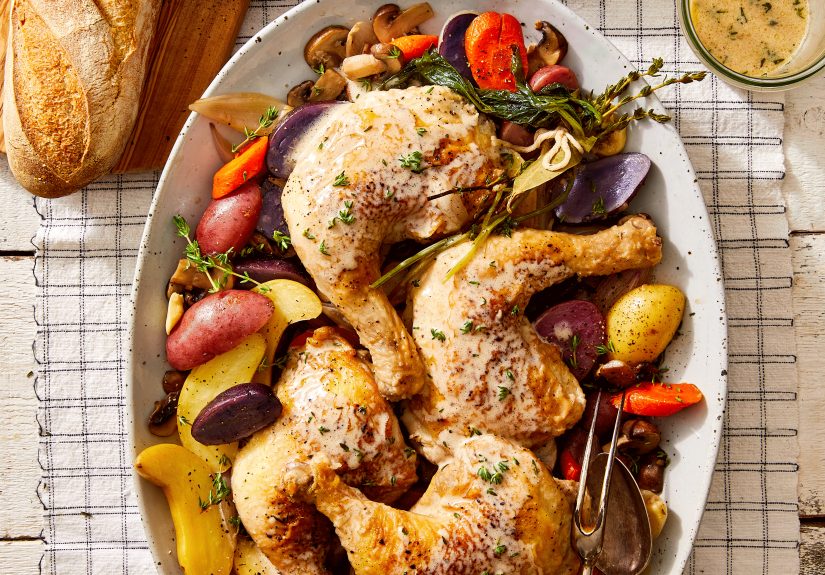
A good chicken fricassee recipe delivers tender chicken, mushrooms that taste like they’ve been hanging out with butter (in a good way), and a silky sauce that begs for something starchy to soak it upmashed potatoes, egg noodles, rice, or that heroic half-loaf of crusty bread you “accidentally” bought.
What Is Chicken Fricassée (and Why Is It So Good)?
Fricassée sits in the delicious middle ground between a sauté and a stew: you brown (or lightly color) the chicken first, then braise it gently in a flavorful liquid until it turns tender and relaxed. The classic version is known as a “white stew,” meaning the sauce stays pale and creamy rather than deep brown like coq au vin. Translation: it tastes rich, but looks elegantlike it owns at least one linen napkin.
Many modern American versions speed things up by dredging chicken in flour (hello, instant thickening power), searing it for flavor, building a mushroom-and-aromatic base, then simmering with white wine and stock. A finishing swirl of cream (and sometimes a little lemon) makes the sauce glossy and bright instead of heavy.
Chicken Fricassée Recipe at a Glance
- Serves: 4 to 6
- Time: About 55–70 minutes
- Skill level: Friendly to weeknights, impressive on weekends
- Best cookware: Dutch oven or deep skillet with a lid
Ingredients
For the chicken
- 2 1/2 to 3 pounds bone-in, skin-on chicken thighs (or a mix of thighs + drumsticks)
- 1 to 1 1/2 teaspoons kosher salt, plus more to taste
- 1/2 teaspoon black pepper
- 1/3 cup all-purpose flour (for dredging and thickening)
- 2 tablespoons olive oil (or neutral oil)
- 2 tablespoons unsalted butter
For the sauce and vegetables
- 8 to 10 ounces cremini or button mushrooms, sliced or quartered
- 1 medium yellow onion, diced
- 2 carrots, chopped (or 1 large carrot)
- 2 celery stalks, chopped (optional, but nice)
- 3 garlic cloves, thinly sliced or minced
- 1 tablespoon Dijon mustard (optional, for gentle tang)
- 1 cup dry white wine (Sauvignon Blanc, Pinot Grigio, or an unoaked Chardonnay)
- 1 3/4 to 2 cups chicken stock (low-sodium preferred)
- 1 bay leaf
- 4 to 6 sprigs fresh thyme (or 1/2 teaspoon dried thyme)
- 1/2 cup heavy cream (or half-and-half for a lighter sauce)
- 1 to 2 teaspoons fresh lemon juice (optional, but highly recommended)
- 2 tablespoons chopped fresh parsley or tarragon (or a mix)
Optional “chef-y” finishing move
- 1 egg yolk (for a classic liaison-style silkiness)
- 1 tablespoon extra cream (to temper the yolk)
Ingredient note: The bone-in, skin-on route gives the best flavor and stays juicy during simmering. If you prefer boneless chicken thighs, you can use themjust reduce simmer time a bit so they don’t overcook.
How to Make Chicken Fricassée (Step by Step)
1) Season and dredge
Pat the chicken dry (dry chicken = better browning). Season with salt and pepper. Place flour in a shallow bowl and lightly dredge the chicken, shaking off excess. You want a thin, even coatingnot a winter parka.
2) Sear for flavor
Heat oil and butter in a Dutch oven over medium-high heat. When the butter foams, add chicken skin-side down (work in batches so it sears, not steams). Cook 4–6 minutes per side until golden. Transfer chicken to a plate.
3) Build the mushroom base
Lower heat to medium. Add mushrooms to the pot. Cook 5–7 minutes, stirring occasionally, until they give up their moisture and start browning. Add onion, carrots, and celery (if using). Cook another 4–5 minutes until the onion softens. Stir in garlic and cook 30 secondsjust until fragrant.
4) Deglaze like you mean it
Pour in the white wine and scrape the bottom of the pot with a wooden spoon to lift all those browned bits. That’s not “burnt”; that’s flavor you already paid for. Simmer 2–3 minutes to reduce slightly.
5) Add stock and aromatics
Stir in chicken stock, bay leaf, and thyme. If using Dijon, whisk it in now. Bring to a gentle simmer (small bubbles, not a rolling boil).
6) Braise the chicken
Nestle the chicken back in (skin-side up if you want the skin to stay a bit crisper). Cover and simmer gently 20–30 minutes, until the chicken is cooked through and tender. If you have a thermometer, aim for 165°F in the thickest part of the meat. (If the sauce thickens too fast, add a splash of stock.)
7) Finish the sauce (aka the best part)
Remove thyme sprigs and bay leaf. Reduce heat to low. Stir in the cream and simmer 2–4 minutes until glossy. Add lemon juice a little at a time until the sauce tastes bright and balanced.
8) Optional: the “silky sauce” upgrade
In a small bowl, whisk egg yolk with 1 tablespoon cream. Spoon a few tablespoons of hot sauce into the yolk mixture while whisking (this is “tempering,” not “panic”). Then stir it back into the pot off the heat. Don’t boil after adding yolkkeep it gentle.
9) Herbs and serve
Sprinkle with parsley and/or tarragon. Taste and adjust salt and pepper. Serve immediately over mashed potatoes, egg noodles, rice, or with crusty bread for maximum sauce appreciation.
Pro Tips for a Next-Level Chicken Fricassee
Use gentle heat
Fricassée rewards patience. A calm simmer keeps the chicken tender and the sauce smooth. Boiling can toughen meat and make dairy sauces moody.
Don’t skip the scrape
Deglazing the browned bits after searing is where the pot turns into a flavor bank. Wine is classic, but stock works in a pinch.
Choose the right wine
Pick a dry white wine you’d happily drink. If it tastes sharp or sweet in the glass, it’ll taste sharp or sweet in your sauce. (Fricassée is comfort food, not a science experiment.)
Brighten at the end
Creamy sauce loves a tiny hit of acid. Lemon juice, a splash of white wine vinegar, or Dijon mustard can keep things lively.
Easy Variations (Because Your Fridge Has Opinions)
Lemon-mustard chicken fricassée
Increase Dijon to 2 tablespoons and finish with extra lemon zest. It’s cozy but perked uplike putting on clean sneakers.
Tarragon-pea version
Add 1/2 cup frozen peas in the last 3 minutes of simmering and finish with chopped tarragon. Classic, springy, and ridiculously good.
Bacon-and-mushroom “weekend energy”
Crisp 3–4 slices of bacon in the pot first, then sear chicken in the drippings (reduce added oil). Stir bacon back in at the end.
Lightened-up sauce
Swap heavy cream for half-and-half, or stir in a spoonful of Greek yogurt off the heat (keep the simmer gentle to avoid curdling).
What to Serve with Chicken Fricassée
- Mashed potatoes: the MVP for soaking up creamy mushroom sauce
- Buttered egg noodles: fast, nostalgic, and wildly compatible
- Rice or polenta: neutral bases that let the sauce shine
- Green veg: roasted asparagus, green beans, peas, or a simple salad to keep things balanced
- Crusty bread: not optional if you love yourself
Storage, Reheating, and Make-Ahead Notes
Chicken fricassée is even better the next daylike it had time to journal and process its feelings. Store leftovers in an airtight container in the fridge for 3–4 days. Reheat gently on the stove over low heat, adding a splash of stock if the sauce thickened too much.
Freezing works, but creamy sauces can sometimes separate. If you plan to freeze, consider holding back the cream and adding it fresh when reheating.
FAQ
Can I use chicken breast?
Yes, but it’s less forgiving. If using breasts, sear them and simmer gently just until cooked through, then pull them early if needed. Overcooked breast + creamy sauce = “why is this dry?” sadness.
Do I have to use mushrooms?
You don’t have to, but mushrooms are a big part of the classic flavor. If you skip them, add extra onion and a handful of chopped celery (or even artichokes) for body.
How do I know the chicken is done?
The safest, least dramatic way: use a thermometer and aim for 165°F. Also, the meat should be tender and the juices should run clear.
Real-Kitchen Notes: of Chicken Fricassée Experience
I’ve made chicken fricassée enough times to learn one universal truth: this dish is a sauce-first lifestyle choice. The chicken is important, sure, but the sauce is the reason people start “just tasting” and suddenly the spoon is suspiciously clean.
The first time I made it, I treated the mushrooms like an afterthoughttossed them in, stirred twice, moved on. The result was fine, but the sauce tasted flatter than it should. Then I learned the mushroom rule: let them cook until they actually brown. Mushrooms need time to release their water, then re-absorb flavor and caramelize. That extra five minutes turns your sauce from “creamy chicken” into “creamy chicken with depth, like it read a novel.”
Next lesson: flour can be both hero and chaos gremlin. A light dredge on the chicken gives you a naturally thickened sauce with almost no extra effort. But too much flour (or adding it at the wrong time) can make the sauce feel pasty. My sweet spot is a thin coating on the chicken plus a gentle simmer. If the sauce still needs help, I’d rather reduce it for a few minutes than dump in more flour and hope for the best.
Wine choice matters more than you’d think. I once used a sweet-ish “easy sipping” white that tasted like fruit salad with a business degree. The sauce came out oddly sugary, and the mushrooms didn’t know what to do with themselves. Dry wine is the move. If you don’t cook with alcohol, stock works, but add a small squeeze of lemon at the end to make up for the brightness wine usually brings.
Then there’s the simmer. Early on, I tried to “speed things up” by boiling. Spoiler: boiling is not speed; it’s stress. The chicken tightened up, and the sauce got a little rough around the edges. A gentle simmertiny bubbles, low heatkeeps everything tender and calm. Think “spa day,” not “spin class.”
My favorite upgrade is finishing with lemon and herbs. Creamy sauces can feel heavy if they don’t get a final spark. Lemon juice is that spark. Tarragon is the “French accent” that makes people ask what you did differently. Parsley is the dependable friend who makes everything taste fresh. Sometimes I use both and pretend I’m hosting a cooking show for my cat.
The best part? Chicken fricassée is forgiving. No carrots? Use peas. No thyme? Use bay plus parsley. Want it richer? Add a yolk liaison. Want it lighter? Half-and-half and extra lemon. It’s the kind of recipe that teaches you technique while still letting you be a real person with a real fridge. And when you serve it to someone, they will absolutely think you worked harder than you did. Which is, frankly, the dream.
Conclusion
This chicken fricassée recipe gives you the best of both worlds: weeknight-friendly steps and a dinner-party-level payoff. Sear the chicken, build a mushroomy base, braise gently, then finish with cream and a little brightness. The result is tender chicken in a velvety white wine sauce that makes any side dish feel like it showed up dressed appropriately.