Table of Contents >> Show >> Hide
- Quick Verdict
- What Is the Capital One Platinum Credit Card?
- Why This Card Can Be Good for Building Credit
- The Biggest Drawback: This APR Is Not Your Friend
- How to Use This Card to Build Credit the Right Way
- Pros of the Capital One Platinum Credit Card
- Cons of the Capital One Platinum Credit Card
- Who Should Get This Card?
- Who Should Skip It?
- Capital One Platinum vs. Other Credit-Building Paths
- Application Tips Before You Apply
- Final Review: Is the Capital One Platinum Worth It?
- Experiences With the Capital One Platinum Credit Card
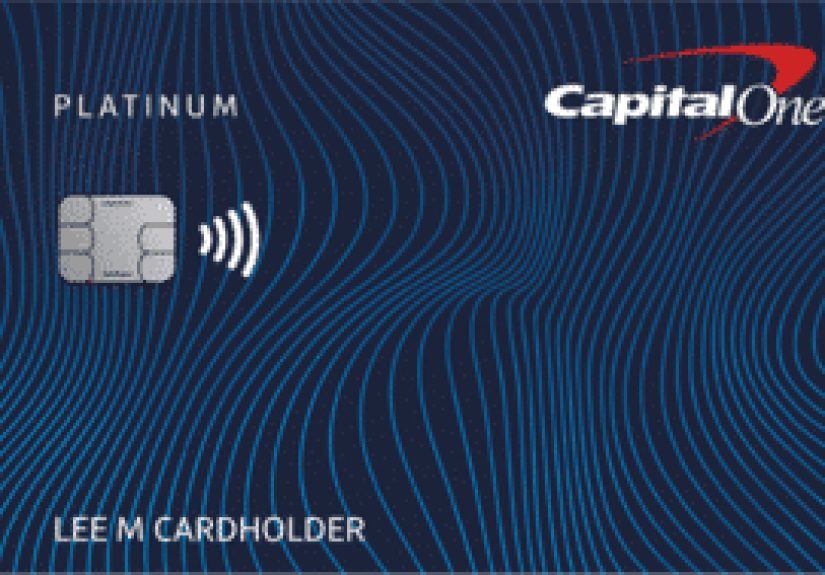
If credit cards were high school students, the Capital One Platinum Credit Card would be the kid who never forgets homework, never starts drama, and absolutely does not own a fog machine. It is not flashy. It is not exciting. It is not trying to win prom king. But if your goal is to build credit without paying an annual fee or putting down a security deposit, this card has a very real job to do.
That job is simple: help people with fair credit, limited credit history, or rebuilding credit get an unsecured credit card and develop better habits over time. In a world full of shiny rewards cards screaming about points, miles, lounge access, and “premium experiences,” the Capital One Platinum keeps things wonderfully boring. And honestly, boring can be beautiful when your credit score needs a little rehab.
This review takes a practical look at where the card shines, where it falls flat, and whether it deserves a place in your wallet if you are trying to build credit the smart way.
Quick Verdict
The Capital One Platinum Credit Card is one of the better no-frills credit-building cards on the market if you want an unsecured option with no annual fee. It is especially appealing for people with fair credit who do not want to tie up cash in a security deposit. The catch is that it offers no rewards, no intro APR, and a very high ongoing APR, which means it only works well if you pay your statement balance in full every month.
In plain English: this card is a tool, not a trophy.
What Is the Capital One Platinum Credit Card?
The Capital One Platinum Credit Card is designed for people with fair credit or people who are in the process of building or rebuilding a credit history. Unlike a secured credit card, it does not require an upfront deposit. That alone makes it attractive to someone who wants access to credit but does not want to park $200 or more as collateral just to get started.
At the same time, this is not a rewards card. You do not earn cash back. You do not earn points. You do not get a welcome bonus. You are signing up for a very basic product whose biggest benefit is the chance to prove that you can use credit responsibly.
Key Features at a Glance
- No annual fee
- No security deposit required
- Designed for fair credit
- Automatic consideration for a higher credit line in as little as six months
- No foreign transaction fees
- No rewards program
- No intro APR offer
- High variable APR
That lineup tells you exactly what this card is about. It removes a few barriers to entry, gives you the basics, and leaves the rest up to your habits.
Why This Card Can Be Good for Building Credit
Building credit is not magic. It is mostly a routine. The biggest ingredients are paying on time, keeping your balances low, and not acting like every available dollar on the card is free money sent by the universe. The Capital One Platinum can support that routine in a few useful ways.
No Annual Fee Means Less Pressure
When you are starting out, every fee matters. A card with a $0 annual fee lets you keep the account open, age your credit history, and build a positive payment record without paying just for the privilege of existing. That is a big deal. Some credit-building cards charge fees while offering very little in return. This one skips that nonsense.
No Security Deposit Helps Cash Flow
One of the strongest selling points here is that the card is unsecured. If you are new to credit or rebuilding after a rough patch, you may not love the idea of sending a deposit to a card issuer before you can even swipe. Capital One Platinum removes that hurdle. You can start building credit without freezing part of your cash.
Possible Credit Line Increase After Six Months
Capital One says cardholders are automatically considered for a higher credit line in as little as six months. That matters because a higher limit can make it easier to keep your credit utilization lower, assuming you do not respond by immediately buying everything in sight like you just won a shopping-themed game show.
Reports Credit Activity
A credit-building card only helps if your activity gets reported. Capital One reports account activity, which means on-time payments and responsible usage can contribute to a stronger credit profile over time. That is the entire point of carrying a starter card like this one.
The Biggest Drawback: This APR Is Not Your Friend
Here is the part where the review stops smiling politely and starts pointing at the fire alarm. The Capital One Platinum has a high variable APR, around 28.99% as of 2026. That means carrying a balance can get expensive fast.
This is why the card works best for people who treat it like a debit card with training wheels: spend modestly, pay in full, repeat. If you revolve debt month after month, the interest can wipe out the value of having a no-annual-fee card.
And no, carrying a balance does not help your credit score. That myth needs to retire. According to mainstream credit education guidance, paying on time and keeping utilization low matter. Paying interest for the drama of it all does not earn you bonus points with the credit gods.
How to Use This Card to Build Credit the Right Way
If you get approved for the Capital One Platinum Credit Card, your strategy should be boring, consistent, and slightly obsessive in the best possible way.
1. Pay On Time Every Single Month
Payment history is the biggest factor in FICO scoring. One missed payment can do far more damage than most beginners expect. Set up autopay for at least the minimum payment, then manually pay the full balance if possible. That way, you protect yourself from forgetfulness and from the classic “I thought I paid that” disaster.
2. Keep Utilization Low
Consumer credit guidance often recommends keeping utilization under 30%, and many credit experts prefer much lower than that. If your credit limit is modest, this matters even more.
For example, if your starting credit limit is $300, then 30% utilization is just $90. If you let the balance report at $250, your score may not love your enthusiasm. A small limit means you need tighter discipline. That is not a deal-breaker, but it is a reality.
3. Pay Before the Statement Closes
A smart move with starter cards is making more than one payment per month. Use the card for a few planned expenses, then pay it down before the statement date. That can help keep your reported balance low without forcing you to stop using the card completely.
4. Do Not Chase Credit Line Increases by Overspending
Yes, the promise of an automatic review in as little as six months is nice. No, that does not mean you should “show activity” by buying a gaming chair, six hoodies, and a suspiciously expensive desk lamp. Healthy usage looks stable and manageable, not chaotic.
5. Graduate When Your Credit Improves
The Capital One Platinum is not necessarily a forever card. It is more like a stepping stone. Once your score improves, you may qualify for cards with rewards, better perks, or lower costs. Use this card to level up, then move on when it makes sense.
Pros of the Capital One Platinum Credit Card
- No annual fee: You can build credit without paying to keep the account open.
- No security deposit: A huge plus for people who want an unsecured starter card.
- Fair-credit friendly: More realistic for people who are not sitting on a pristine score.
- Automatic account review for a higher limit: Helpful if you want more breathing room over time.
- No foreign transaction fees: Unusual and genuinely useful on an entry-level card.
- Helpful account tools: Mobile app access, fraud monitoring, due date flexibility, and credit monitoring tools add convenience.
Cons of the Capital One Platinum Credit Card
- No rewards: Not a penny of cash back, not a single point, not even a tiny applause sound effect.
- High APR: Carrying a balance can make this card expensive.
- No intro APR: It is not built for financing purchases.
- Potentially modest starting limit: This can make utilization management tricky.
- Limited long-term value: Once your credit improves, you can probably do better.
Who Should Get This Card?
The Capital One Platinum Credit Card makes the most sense for three kinds of people.
People With Fair Credit
If your score is not terrible but not exactly red-carpet material either, this card may be a realistic option. It is designed for fair credit, often associated with the 580 to 669 range.
Beginners Who Want an Unsecured Card
If you are new to credit and want something simple without a deposit, this is one of the cleaner starter-card options.
Rebuilders Who Can Pay in Full
If you had a few credit mistakes in the past and want a low-cost way to rebuild, this card can work. The key is paying in full each month. If you need to carry a balance, this is not the card to fall in love with.
Who Should Skip It?
You should probably skip the Capital One Platinum if you fall into one of these groups.
Rewards Hunters
If you want cash back, travel points, or welcome bonuses, this card will feel like a sad sandwich with no chips. There are better choices once your credit is strong enough.
People Who Carry Balances
High APR and starter-card limits are not a fun combination. If you expect to finance purchases over time, look for a lower-interest product or focus on improving your budget before applying.
Applicants With Stronger Credit
If your score has already improved into good or excellent territory, you can likely qualify for a card with more value. At that point, this card is probably too basic.
Capital One Platinum vs. Other Credit-Building Paths
One reason this card gets attention is that it sits in a sweet spot between secured cards and more expensive fair-credit cards.
Vs. Secured Cards
If you can qualify for the Capital One Platinum, you may prefer it to a secured card because there is no deposit requirement. That is the headline advantage. Secured cards still make sense if your credit is too thin or too damaged for unsecured approval, but if you can skip the deposit, many people will gladly do so.
Vs. Fair-Credit Rewards Cards
Some fair-credit cards offer cash back, but they may charge annual fees. The Capital One Platinum goes in the opposite direction: no annual fee, no rewards, very simple mission. Whether that trade-off is worth it depends on your priorities. If your only goal is rebuilding credit cheaply, simplicity can win.
Vs. Student Cards
Some student cards offer rewards and are easier to recommend if you are enrolled in school and qualify. But for non-students or people rebuilding credit later in life, the Capital One Platinum can still be a solid practical choice.
Application Tips Before You Apply
Capital One offers a pre-approval tool that typically uses a soft inquiry, which means you can check your odds without hurting your credit score. That is useful because you can gauge fit before submitting a full application.
Before applying, make sure your income, housing payment, and personal information are accurate. Also, be realistic about whether your current habits support a credit-building strategy. The card can help, but it cannot save you from late payments, maxed-out balances, or chaotic budgeting.
Final Review: Is the Capital One Platinum Worth It?
Yes, the Capital One Platinum Credit Card is worth a serious look if your main goal is to build credit with an unsecured card and minimal ongoing costs. It does exactly what a starter card should do: it gives you access to credit, avoids an annual fee, skips the security deposit, and gives you a path toward a potentially higher limit over time.
But make no mistake, this is not a lifestyle card. It is not meant to dazzle. It is meant to help you behave. And for the right person, that is more valuable than lounge access and a metal card that clinks dramatically on restaurant tables.
If you pay in full every month, keep your utilization low, and use the card for small planned purchases, the Capital One Platinum can absolutely help you build a stronger credit profile. If you want rewards, financing perks, or long-term excitement, keep walking.
Experiences With the Capital One Platinum Credit Card
One of the most interesting things about the Capital One Platinum Credit Card is that people rarely describe it as thrilling. They describe it as useful. And that is actually a compliment.
Many cardholders who are new to credit say the biggest relief is being approved for an unsecured card without having to send in a deposit first. That matters more than flashy marketing. For someone who is trying to rebuild after missed payments, limited history, or a rough financial patch, just getting approved for a basic card can feel like finally being allowed back into the financial grown-ups table. No confetti cannon needed. Just access, opportunity, and a monthly statement that hopefully does not cause panic.
A common positive experience is that the card feels easy to manage. Capital One’s app is generally well-liked, and beginners often appreciate being able to check balances, make payments, and monitor activity without needing a finance degree or a flashlight. That kind of convenience matters because credit improvement is often built on small behaviors repeated over and over. When it is easy to pay, track, and stay organized, it is easier to avoid mistakes.
Another theme that comes up often is that the card works best for people who use it lightly. Picture a first-year cardholder putting a streaming bill, gas purchase, or grocery run on the card each month, then paying it off before interest kicks in. That is the sweet spot. These users tend to feel like the card is doing exactly what it promised. It helps them establish a payment record, keep the account active, and slowly build confidence with credit.
Of course, not every experience is glowing. Some users get frustrated by modest starting credit limits. A lower limit can be annoying because even everyday spending can push utilization up faster than expected. Someone with a $300 limit might think they are barely using the card, only to realize their reported balance looks high compared with the available credit. That can make the card feel stricter than expected, especially for beginners who are still learning how utilization works.
There is also the reality that the card can feel underwhelming after six to twelve months. Since it offers no rewards, no welcome bonus, and no big lifestyle perks, many people eventually reach a point where they say, “Okay, thanks for the help, but I think I’m ready for a personality now.” That is not a failure of the card. It is actually the natural next step. A successful experience with the Capital One Platinum often ends with the user graduating to something better.
Overall, the real-world experience with this card is less about excitement and more about momentum. It is the kind of card that can help someone go from nervous beginner to confident user, from credit repair mode to credit improvement mode, and from “Will anyone approve me?” to “What should I upgrade to next?” In that sense, the Capital One Platinum does not need to be glamorous. It just needs to work. For many people, it does.