Table of Contents >> Show >> Hide
- What Does a Burn on a Tattoo Look Like?
- Common Causes of Burns on Tattoos
- What to Do Immediately After a Burn on a Tattoo
- What Not to Do to a Burned Tattoo
- When Should You See a Doctor?
- Will a Burn Ruin a Tattoo?
- How to Care for a Burned Tattoo While It Heals
- What About a Fresh Tattoo That Gets Burned?
- Can You Touch Up a Tattoo After a Burn?
- How to Prevent Burns on Tattoos
- Real-Life Style Experiences: What People Often Notice With a Burn on a Tattoo
- Conclusion
A burn on a tattoo is one of those skin situations that makes your brain immediately open twelve browser tabs. Is the ink ruined? Is that blister normal? Should you wrap it, moisturize it, ice it, apologize to it, or stare at it with deep regret? The short answer is: treat the burn first, protect the skin, and worry about the tattoo’s final appearance after healing. Your body does not care that the dragon on your forearm took six hours and cost half a rent payment. When skin is injured, healing comes before aesthetics.
A tattoo is not just art sitting on top of the skin like a sticker. Tattoo pigment is placed in the dermis, the layer beneath the outer surface. A burn can damage the outer layer only, or it can go deeper and disturb the same area where tattoo ink lives. That is why a burn on tattooed skin may look different from a burn on untattooed skin: colors may appear cloudy, lines may blur, swelling may distort the design, and blistering can make the whole thing look more dramatic than it actually is.
This guide explains what a burn on a tattoo could look like, what to do immediately, what not to do, when to get medical care, and how to think about tattoo touch-ups after the skin has recovered.
What Does a Burn on a Tattoo Look Like?
A burn on a tattoo can look mild, alarming, or somewhere in the “please tell me this is not permanent” zone. The appearance depends on the burn depth, the cause of the burn, your skin tone, the age of the tattoo, and the colors in the ink.
First-Degree Burn on a Tattoo
A first-degree burn affects only the outer layer of skin. On tattooed skin, it may look red, pink, warm, dry, tender, or slightly swollen. If you have darker skin, the area may appear reddish-brown, grayish, darker than usual, or shiny rather than bright red. The tattoo may temporarily look dull or faded because swelling and irritation scatter light over the design. Think of it like looking at a painting through fogged-up glass.
Common examples include a mild sunburn over a tattoo, a quick brush against a hot pan, or brief contact with steam. The area may sting, feel tight, or become itchy as it heals. If the burn is superficial, the tattoo often looks much better once the inflammation settles.
Second-Degree Burn on a Tattoo
A second-degree burn, also called a partial-thickness burn, reaches deeper layers and often causes blisters. On a tattoo, this may look like raised fluid-filled bubbles, shiny wet skin, intense redness or discoloration, swelling, and pain. The ink underneath may look warped because the skin surface is lifted and uneven.
This is the stage where people panic, usually with good reason. Blisters mean the skin barrier is damaged. That raises the risk of infection, scarring, and possible tattoo distortion. Do not pop the blisters, even if they are sitting right on the perfect linework of your favorite tattoo. A blister is your body’s biological bandage. Annoying? Yes. Useful? Also yes.
Third-Degree Burn on a Tattoo
A third-degree burn is a medical emergency. It damages the full thickness of the skin and may reach fat or deeper tissue. It can look white, waxy, leathery, brown, black, charred, or gray. Oddly, it may hurt less than a second-degree burn because nerve endings can be damaged. That lack of pain is not a good sign; it is the skin equivalent of the fire alarm going silent because the fire melted it.
If a burn over a tattoo looks charred, numb, deep, or leathery, do not try to manage it at home. Seek emergency care immediately. The tattoo may be permanently damaged, but the priority is preventing serious complications and preserving healthy tissue.
Common Causes of Burns on Tattoos
A tattoo can be burned in all the usual ways skin gets burned. The difference is that tattooed skin makes the damage more emotionally loaded because there is artwork involved.
Sunburn
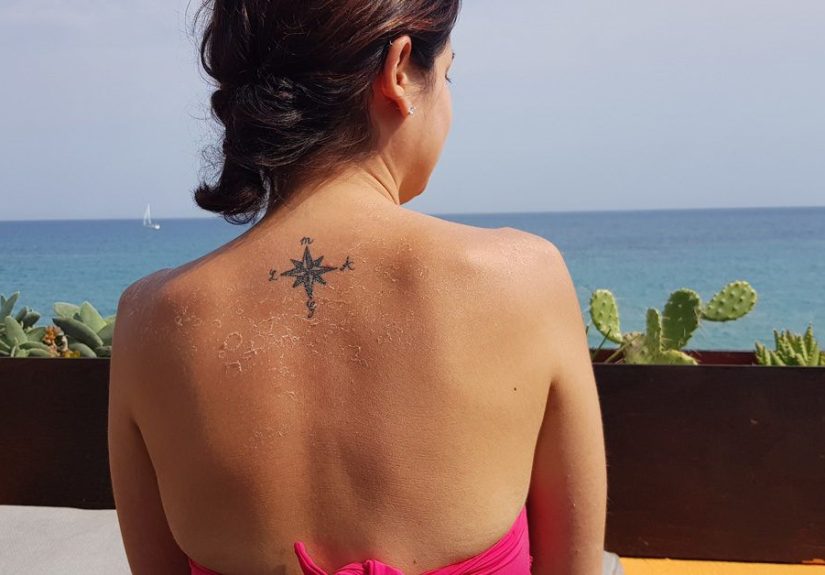
Sunburn is one of the most common ways tattoos get irritated or damaged. Fresh tattoos are especially vulnerable because they are healing wounds. Sun exposure can increase redness, swelling, pain, scabbing, fading, and the risk of scarring. Even healed tattoos can fade over time with repeated UV exposure, especially lighter colors such as yellow, pink, white, and pale blue.
Heat Burns
Hot pans, curling irons, motorcycle exhaust pipes, grills, space heaters, campfires, and oven racks are frequent offenders. These burns may be small but surprisingly deep, especially if the heat source touches the skin for more than a split second.
Chemical Burns
Cleaning products, acids, strong alkaline substances, hair removal creams, and certain industrial chemicals can burn tattooed skin. Chemical burns need quick flushing with water and may require medical care even when they do not look terrible at first.
Friction Burns
Road rash, sports turf, tight straps, and rough clothing can create friction burns. On a tattoo, friction can scrape the surface, pull at healing scabs, and leave patchy areas if the injury is deep enough.
MRI-Related Warmth or Burning
Rarely, some people feel warmth, swelling, or burning in a tattoo during an MRI. This does not happen to most tattooed people, and it is usually temporary, but you should tell your healthcare professional about tattoos before imaging.
What to Do Immediately After a Burn on a Tattoo
The first steps matter. Fast, calm action can reduce damage, pain, and the chance of a scar. Your goal is to stop the burning process, cool the skin safely, protect the wound, and decide whether medical care is needed.
Step 1: Get Away From the Burn Source
Move away from heat, sunlight, chemicals, electricity, or friction. If clothing or jewelry near the tattoo is tight, remove it before swelling increases. However, do not pull away fabric or material stuck to burned skin. That can make the injury worse.
Step 2: Cool the Burn With Cool Running Water
Hold the burned tattoo under cool running water. Use cool water, not ice water. Depending on the burn and available guidance, cooling for about 10 to 20 minutes is commonly recommended for minor thermal burns. If running water is not available, use a clean, cool wet cloth and change it as it warms.
Do not put ice directly on the burn. Ice can damage tissue and may make the injury deeper. Also skip butter, toothpaste, cooking oil, and “my cousin swears by it” kitchen remedies. Your tattoo is not toast. It does not need butter.
Step 3: Gently Clean the Area
For a minor burn, wash gently with mild soap and clean water after cooling. Do not scrub. Do not use hydrogen peroxide or rubbing alcohol on the burn unless a clinician specifically tells you to. Harsh products can irritate tissue and slow healing.
Step 4: Cover the Burn Loosely
Use a sterile, nonstick bandage or clean dressing. Keep it loose so swelling has room. Covering helps protect the damaged skin from friction, dirt, and bacteria. If the dressing sticks, moisten it with clean water before removing it.
Step 5: Manage Pain Safely
For minor burns, over-the-counter pain relievers such as acetaminophen or ibuprofen may help, as long as you can take them safely. Follow the label directions. If pain is severe, worsening, or out of proportion to the visible burn, get medical advice.
What Not to Do to a Burned Tattoo
Some mistakes can turn a minor injury into a bigger problem. Avoid these common burn-care sins:
- Do not apply ice directly to the tattoo.
- Do not pop blisters.
- Do not scratch peeling or scabbing skin.
- Do not use butter, oils, toothpaste, vinegar, or random internet potions.
- Do not expose the burn to sun while it heals.
- Do not re-tattoo the area until a medical professional or experienced artist confirms the skin is fully healed.
- Do not ignore spreading redness, pus, fever, or increasing pain.
When Should You See a Doctor?
Some burns need professional care, even if the tattoo is small. Seek urgent medical help if the burn is deep, large, charred, numb, caused by electricity or strong chemicals, or located on the face, hands, feet, genitals, buttocks, over a major joint, or around the eyes or mouth.
You should also contact a healthcare professional if the burn has large blisters, worsening swelling, increasing pain, red streaks, pus, bad odor, fever, chills, or skin that turns black around the edges. These can be signs of infection or tissue damage. A fresh tattoo already requires careful infection prevention; adding a burn raises the stakes.
People with diabetes, circulation problems, immune suppression, or a history of poor wound healing should be more cautious. Burns that might be “wait and see” for one person may deserve medical attention sooner for someone with higher healing risks.
Will a Burn Ruin a Tattoo?
Maybe, maybe not. A superficial burn may leave the tattoo looking temporarily faded, cloudy, or irritated, then return close to normal after healing. A deeper burn can damage the dermis, where tattoo pigment sits, and may cause permanent fading, patchiness, texture changes, scarring, or distorted lines.
Color can also change how damage appears. Black ink may look gray or blurred during healing. Red ink can be tricky because redness from inflammation may blend with the pigment, making irritation harder to judge. Lighter colors may look washed out after a burn or sun exposure.
The final result often cannot be judged right away. Burned skin can keep changing for weeks or months. The tattoo may look terrible during the blistering or peeling stage and much better later. Be patient before deciding the art is destroyed. Skin healing is not a live-streamed renovation show; the reveal takes time.
How to Care for a Burned Tattoo While It Heals
Keep the area clean, protected, and out of the sun. Change dressings as directed or whenever they become wet or dirty. Wear loose clothing so fabric does not rub the burn. Avoid swimming pools, hot tubs, lakes, and soaking baths until the skin is closed and healed. Water exposure can soften healing tissue and introduce bacteria.
If the skin is closed and not blistered or open, a gentle fragrance-free moisturizer may help dryness. If the burn is open, blistered, draining, or raw, ask a healthcare professional what to apply. Some ointments are useful in certain wounds, while others can irritate skin or trap moisture when used incorrectly.
Do not apply sunscreen to an open burn. Once the skin is fully healed, protect the tattoo with broad-spectrum, water-resistant SPF 30 or higher when outdoors. Sun protection is one of the best ways to preserve tattoo color and reduce future sunburn risk.
What About a Fresh Tattoo That Gets Burned?
A fresh tattoo is already a controlled skin injury. If it gets burned before it has healed, treat the situation seriously. The skin barrier is open, the immune system is already busy, and the design has not settled. A burn can increase the chance of infection, scarring, pigment loss, and uneven healing.
If a new tattoo gets sunburned, blistered, chemically irritated, or burned by heat, contact your tattoo artist for aftercare guidance and consider medical advice, especially if the skin opens or pain worsens. Tattoo artists understand ink healing, but healthcare professionals diagnose burns and infections. This is not a competition; it is a team sport.
Can You Touch Up a Tattoo After a Burn?
Often, yes, but timing matters. Do not rush into a touch-up. Tattooing over skin that is still healing can worsen scarring and produce poor results. The area should be fully closed, smooth, calm, and no longer tender, flaky, shiny, or discolored from active healing.
For minor burns, an artist may recommend waiting several weeks after the skin looks healed. For deeper burns or scars, you may need to wait months and possibly talk with a dermatologist first. Scar tissue accepts ink differently than normal skin. It may be tougher, more sensitive, or more likely to blur. An experienced tattoo artist can assess whether a touch-up, redesign, cover-up, or no action is the best option.
How to Prevent Burns on Tattoos
Prevention is much easier than repair. Keep fresh tattoos covered and out of direct sunlight. After healing, use SPF 30 or higher and reapply regularly outdoors. Be careful around grills, ovens, campfires, motorcycle exhaust, heating pads, and hot tools. If your job involves chemicals or heat, cover tattoos with protective clothing when possible.
Also, do not use aggressive DIY tattoo removal methods. Scrubbing, salting, burning, or chemically peeling a tattoo at home can cause infection, scarring, and permanent skin damage. If you want a tattoo removed or changed, talk with a board-certified dermatologist or qualified laser professional.
Real-Life Style Experiences: What People Often Notice With a Burn on a Tattoo
One common experience is the “temporary disaster” phase. Someone lightly burns a healed tattoo on a hot baking sheet, and within an hour the area is red, swollen, and the lines look fuzzy. For the next few days, the tattoo appears dull and slightly raised. The person assumes the ink is ruined. Then, as swelling fades and the top layer of skin calms down, the design looks almost normal again. In mild burns, inflammation can create a scary preview that is not the final result.
Another frequent situation is sunburn on a vacation tattoo. Picture someone with a two-week-old shoulder tattoo who thinks, “I’ll only be outside for a little while.” Four hours later, the tattoo feels hot, tight, and angry. The colors look faded, the skin peels unevenly, and every shirt feels like sandpaper. This is why tattoo artists sound so intense about sun avoidance. They are not being dramatic; they have seen what ultraviolet light can do to healing ink. A fresh tattoo needs shade and coverage, not a beach debut like it is starring in a sunscreen commercial.
Blistering creates the most anxiety. A small second-degree burn over a tattoo may form one or more blisters that distort the artwork. The hardest part is leaving those blisters alone. People often want to “release the pressure,” but popping a blister can open the door to bacteria and increase scarring risk. The better move is to protect the area, keep it clean, and get medical guidance if the blister is large, painful, or located somewhere that keeps rubbing against clothing.
Some people also notice that a healed burn leaves the tattoo slightly shiny or textured. This can happen when the skin remodels after injury. The ink may still be visible, but the surface catches light differently. In other cases, a small patch of color drops out, especially if peeling or scabbing was heavy. A skilled tattoo artist may be able to touch up the area later, but the skin must be fully healed first. Trying to fix it too soon is like repainting a wall while the plaster is still wet: bold, optimistic, and usually a bad idea.
The emotional side is real, too. Tattoos can mark memories, grief, identity, family, survival, or simply a time when someone had excellent taste and disposable income. Seeing a burn on meaningful ink can feel upsetting before the medical seriousness is even clear. The best approach is practical calm: cool the burn, protect the skin, watch for warning signs, and document changes with photos. If you need medical care, get it. If the tattoo needs cosmetic help later, handle that after healing. Skin first, art second. The art has a better chance when the skin gets the care it deserves.
Conclusion
A burn on a tattoo can look like redness, swelling, blistering, peeling, fading, cloudy ink, distorted lines, or in severe cases, charred or numb skin. The most important step is to treat the burn properly: cool it with cool running water, avoid ice and home remedies, cover it loosely, and seek medical care when the burn is deep, large, infected, or in a high-risk area. Some tattoos recover surprisingly well after minor burns, while deeper burns may cause scarring or pigment loss. Give the skin time before judging the final look, and wait until the area is fully healed before considering a touch-up.
Note: This article is for general educational purposes and does not replace medical advice. If a burn looks serious, becomes infected, or involves a fresh tattoo, contact a qualified healthcare professional.