Table of Contents >> Show >> Hide
- What Is the Brass Ilse Crawford Small Bowl?
- Why Ilse Crawford’s Design Language Works So Well Here
- Why Brass Still Wins in Modern Interiors
- How to Style the Brass Ilse Crawford Small Bowl
- Best Interior Styles for This Bowl
- Is It Functional or Purely Decorative?
- Quality, Craft, and Material Feel
- How to Care for a Small Brass Bowl
- Is the Brass Ilse Crawford Small Bowl Worth It?
- Who Should Buy This Bowl?
- What the Experience of Living With It Is Really Like
- Final Thoughts
If ever there were a home accessory designed to make minimalists feel smug and maximalists nod respectfully, it would be the Brass Ilse Crawford Small Bowl. Small? Yes. Quiet? Absolutely. Boring? Not a chance. This is the kind of object that proves a room does not need to shout to have presence. Sometimes all it takes is one beautifully shaped brass bowl sitting on a console table like it pays the mortgage.
In the world of designer home accessories, Ilse Crawford has long been associated with pieces that feel warm, human, tactile, and deeply considered. That matters here. The Brass Ilse Crawford Small Bowl is not trying to be flashy in a rhinestone-cowboy sort of way. Its appeal comes from proportion, material, and the simple fact that it looks good almost anywhere. On a coffee table, it feels curated. On a dresser, it feels intimate. On an entryway table, it looks like you definitely have your life together, even if your keys are still somehow always missing.
This article takes a close look at what makes the bowl special, why small brass bowl decor remains so relevant, how to style it, who should buy it, and what the everyday experience of living with a piece like this is really like.
What Is the Brass Ilse Crawford Small Bowl?
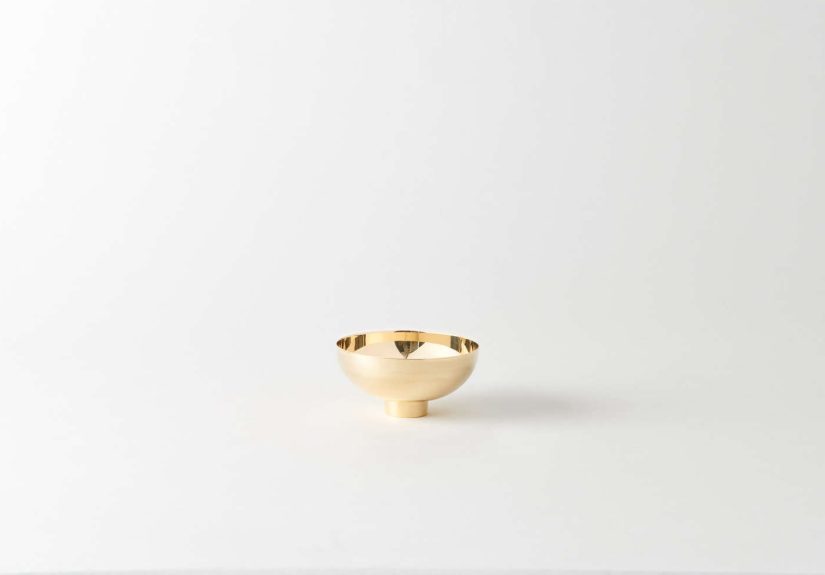
The Brass Ilse Crawford Small Bowl is a compact decorative bowl associated with the Ilse collection for Georg Jensen and often retailed through high-end design shops. It is typically described as a small brass decorative bowl with a raised or pedestal-like base, giving it a floating appearance rather than a flat, heavy look. That small lift changes everything. It adds sculpture, shadow, and elegance without adding visual noise.
Its proportions are part of the charm. At roughly five inches across and about two and a half inches tall, it lands squarely in that sweet spot between useful and ornamental. It is large enough to hold jewelry, keys, matches, or other little daily objects, yet compact enough that it never bulldozes a tabletop vignette. In other words, it behaves itself. Rare for decor, honestly.
The bowl is made in brass and carries the warm golden tone that makes brass home decor so enduring. Unlike bright chrome or colder metals, brass brings softness. It catches light in a flattering way, making a room feel richer and more layered. That is a big reason this piece keeps showing up in sophisticated interiors: it has presence, but it also has manners.
Why Ilse Crawford’s Design Language Works So Well Here
Ilse Crawford’s name carries weight because her work tends to prioritize the emotional experience of living with objects. She is known for interiors and products that feel lived-in, tactile, and human rather than sterile or overly styled. The small brass bowl fits perfectly into that design philosophy.
There is no unnecessary fuss here. No wild silhouette. No gimmicky detailing. No “look at me, I’m modern” theatrics. Instead, the bowl uses restraint as its superpower. The form is simple, but not generic. The brass finish is warm, but not gaudy. The footed base gives the object lift and grace, making it feel more refined than a standard catchall dish.
This is what separates the bowl from mass-market tabletop accessories. Plenty of bowls can hold earrings. Plenty of bowls can hold keys. But fewer can do it while also acting as a sculptural tabletop accent that improves the room even when empty.
Why Brass Still Wins in Modern Interiors
Brass has stayed relevant because it solves a problem many rooms have: they look flat. A space can have the right sofa, good paint, decent lighting, and still feel a little lifeless. Brass helps fix that. It introduces glow, reflection, and tactile contrast without screaming for attention.
That is especially true with smaller objects. A brass decorative bowl can quietly warm up a cool-toned room, soften a stark modern interior, or add polish to a rustic setting. In modern farmhouse spaces, brass is often most effective when it is not overly polished. A bit of age, patina, or mellowing makes it feel layered instead of showroom-stiff.
The Brass Ilse Crawford Small Bowl works because it taps into all of those strengths. It is reflective without being mirrored. Warm without feeling overly traditional. Clean-lined without turning cold. It sits right in that lovely middle ground where contemporary design meets emotional comfort.
How to Style the Brass Ilse Crawford Small Bowl
One of the bowl’s best qualities is flexibility. It is the sort of object that can move from room to room without looking confused, like a really stylish houseguest.
1. On an Entryway Console
If you want your entryway to look intentional, a small bowl is a smart move. The Brass Ilse Crawford Small Bowl works beautifully as an entryway catchall bowl for keys, coins, earbuds, or whatever tiny objects are currently running your life. Pair it with a mirror, a small lamp, and a stack of books for a layout that feels polished but practical.
2. On a Bedroom Dresser or Nightstand
This may be the bowl’s most natural habitat. It is ideal for rings, earrings, a watch, or those mysterious hair ties that reproduce overnight. On a bedroom surface, brass looks especially good beside wood, linen, stone, or ceramic. The mix of materials makes the space feel personal and layered rather than matchy-matchy.
3. On a Coffee Table
A coffee table usually benefits from one object with shine, one object with softness, and one object with height. This bowl can be the shine. Set it near a candle, a low floral arrangement, or a stack of art books and you have an arrangement that feels collected instead of crowded.
4. On a Dining Table or Mantel
Because the bowl has a sculptural base, it also works as a standalone accent on a dining table or mantel. You do not need to fill it with anything. In fact, leaving it empty can make it feel more intentional. The form gets to breathe, and the brass gets to do its light-catching thing.
5. In a Bathroom
Yes, really. Used thoughtfully, a small brass bowl can elevate a bathroom countertop. It can hold a ring while washing hands, a few guest soaps, or small accessories. Just be mindful of moisture and care, because brass likes attention. Not diva-level attention, but at least “wipe me down once in a while” attention.
Best Interior Styles for This Bowl
The beauty of the Brass Ilse Crawford Small Bowl is that it works across several aesthetics.
Scandinavian Style
This is the obvious pairing. The bowl’s restrained form, warm metal finish, and emphasis on craftsmanship fit naturally within Scandinavian-inspired interiors. It looks especially strong with oak, pale stone, muted textiles, and soft neutral palettes.
Modern Farmhouse
If your modern farmhouse style leans more “collected and sophisticated” than “barn exploded indoors,” this bowl is a winner. It adds polish and patina, which helps keep farmhouse spaces from feeling too rough or theme-y.
Minimalist Interiors
Minimalism needs texture and character to avoid looking emotionally unavailable. A footed brass bowl brings just enough warmth and material richness to keep a pared-back room from feeling sterile.
Eclectic and Collected Spaces
The bowl also thrives in layered interiors with vintage finds, ceramics, books, and art. Because the form is simple, it can balance busier surroundings without disappearing into them.
Is It Functional or Purely Decorative?
The honest answer is: both, but with emphasis on decorative. This is not the bowl you buy for popcorn during movie night unless your movie night is being hosted by architecture students with excellent sweaters. It is better understood as a luxury decorative bowl that can hold small dry items or personal objects depending on the version and finish.
That distinction matters because it sets expectations. If you are looking for a hardworking kitchen staple, you can spend less and get more utility elsewhere. But if you want a compact object that blends beauty, material richness, and everyday usefulness, this bowl makes much more sense.
Its power lies in elevating routine. Taking off a ring. Dropping off keys. Clearing a pocket. Styling a console. These are tiny acts, but good design makes tiny acts feel smoother and more pleasurable. That is the real luxury here.
Quality, Craft, and Material Feel
Part of what justifies the bowl’s premium positioning is its materiality. Brass has weight. It feels more substantial than resin, more timeless than trendy plated finishes, and more soulful than generic decor-store metal. When shaped well, it has a tactile presence that photographs nicely but feels even better in person.
The footed brass bowl design also helps the piece feel more architectural. Instead of reading as a flat dish, it becomes an object with silhouette and shadow. That gives it room presence disproportionate to its size, which is exactly what you want from a small tabletop accessory.
Brass will also change over time. Some people want it perfectly polished forever. Others love the mellow patina that develops with age. Either way, the material evolves, and that makes the object feel alive. It is not frozen in time. It gets better acquainted with your home.
How to Care for a Small Brass Bowl
Brass is beautiful, but it is not maintenance-free. Dust it regularly with a soft cloth and avoid harsh scrubbing. If the piece is lacquered, simple gentle cleaning is usually enough. If it is unlacquered or the finish softens over time, you may notice tarnish or patina developing.
That is not necessarily bad. Many designers actively prefer aged brass because it adds depth and character. Still, if you like a brighter finish, use a brass-safe cleaner carefully and always follow care guidance for the specific product version. In plain English: do not go full mad scientist on it with random pantry chemistry unless you know exactly what you are doing.
Is the Brass Ilse Crawford Small Bowl Worth It?
If you judge value only by size, this bowl may seem expensive. It is small, after all. It will not organize your entire mudroom, improve your credit score, or magically make junk mail disappear. But that is not the right test.
The right question is whether you value designer decor that combines usefulness, craftsmanship, and visual calm. If you do, the bowl makes sense. It is the kind of object that keeps working long after impulse purchases have lost their appeal. You can move it from the entryway to the bedroom to the coffee table and it still looks right. That kind of longevity matters.
It is especially worth considering if you like buying fewer, better objects. One thoughtful bowl that ages well and styles easily can outperform a dozen cheaper accessories that never quite look right together.
Who Should Buy This Bowl?
- People who love Scandinavian design accessories and subtle luxury
- Anyone styling a refined entryway, dresser, or coffee table
- Collectors of Ilse Crawford or Georg Jensen pieces
- Homeowners who appreciate brass, patina, and tactile materials
- Gift buyers looking for a special design-forward object
It may not be ideal for shoppers who want a large serving bowl, need food-safe utility first, or prefer bold, highly decorative statement pieces. This bowl is quieter than that. It is for people who notice proportion, finish, and atmosphere.
What the Experience of Living With It Is Really Like
Living with the Brass Ilse Crawford Small Bowl is less about dramatic transformation and more about daily satisfaction. It is the kind of object you start appreciating in small moments. You walk in the door, drop your keys into it, and suddenly your entryway looks less like a dumping ground and more like a thoughtfully arranged space. You take off your ring before bed, place it in the bowl on the nightstand, and the ritual feels a little calmer, a little more deliberate. That is the real charm of this piece: it quietly organizes life without turning into obvious storage.
There is also something deeply pleasing about the weight and tone of brass in everyday use. In the morning, the bowl catches light differently depending on the season. In a soft winter room, it adds warmth. In bright summer light, it glows. On gloomy days, it still manages to throw a little golden optimism back into the room, which is honestly more than some people do.
Another part of the experience is how easily the bowl moves through the house. It is not locked into one identity. For a while, it might live on a bedroom dresser holding jewelry. Then guests come over, and suddenly it migrates to the living room coffee table as part of a more polished setup beside candles and books. A few weeks later, it is in the entryway collecting keys and loose change like it was born for the job. That adaptability makes it feel useful in a way many decorative objects never manage.
There is also the visual calm it brings. Some decor pieces are attractive in the store but exhausting at home. They demand too much attention. This bowl does the opposite. Its simple form and small pedestal base make it feel composed. Even when the surface around it is busy, it adds structure. It creates a little pause in the room. Designers talk a lot about rhythm, contrast, and materiality, but sometimes the plain-English version is this: some objects make a room feel more settled. This is one of them.
Then there is the brass itself. Over time, it may stay fairly polished or it may soften into a more lived-in finish depending on use and care. Either way, the bowl gains personality. Tiny changes in tone can make it feel less like a store-bought accessory and more like part of your home’s story. That slow evolution is one of the nicest things about real materials. They do not just sit there; they age with you.
And yes, the bowl can spark compliments, which never hurts. People tend to notice it without quite knowing why. It is not oversized, not loud, not covered in ornament, and yet it reads as special. That is a rare trick. It looks expensive because it is thoughtful, not because it is trying too hard. In a world full of decor that basically screams, “Please validate me,” this bowl has the confidence to whisper.
Ultimately, the everyday experience of owning the Brass Ilse Crawford Small Bowl is about refined utility. It helps you keep track of small things, brings warmth to hard surfaces, and adds a sculptural note without cluttering the room. It is not a life-changing object in the dramatic sense. It is better than that. It is the sort of piece that makes ordinary routines feel better designed, and once you get used to that feeling, it is very hard to go back.
Final Thoughts
The Brass Ilse Crawford Small Bowl is a lesson in how small-scale design can have an outsized effect. It is elegant without being precious, useful without looking utilitarian, and warm without drifting into trend-chasing territory. Whether you style it on a nightstand, a console, a coffee table, or a mantel, it brings a polished calm that many interiors need.
For anyone drawn to Ilse Crawford design, Danish brass decor, or refined tabletop accessories that earn their keep, this bowl is easy to appreciate. It is not about excess. It is about material, mood, and the pleasure of using something beautiful every day.