Table of Contents >> Show >> Hide
- Why Sore Throats Happen in the First Place
- The Best Pick Overall: Honey
- Where Lemon Fits In
- Why Alcohol Is Usually the Worst Choice
- So Which One Wins?
- What Works Even Better Than Debating Kitchen Ingredients
- When a Sore Throat Needs Real Medical Attention
- Final Verdict
- Common Real-World Experiences With Lemon, Honey, and Alcohol for a Sore Throat
- SEO Metadata
Note: This article is for informational purposes only and is not a substitute for medical advice.
A sore throat has a sneaky way of turning ordinary life into a dramatic performance. Swallowing feels suspicious. Talking sounds like you swallowed sandpaper. And suddenly, everyone becomes a home-remedy expert. One person swears by warm lemon water. Another says honey is the answer. Then there is always that one person who insists a splash of alcohol will “kill the germs.”
So, which is actually best for a sore throat: lemon, honey, or alcohol?
Here is the short answer: honey is usually the best choice for soothing a sore throat, lemon can help in the right situation but is more of a supporting player, and alcohol is generally the worst option. It may seem bold and grown-up in old-school remedies, but when your throat is already irritated, alcohol often makes things worse by drying you out and adding more irritation.
That does not mean honey is a miracle cure or that lemon is useless. It means each option works differently, and when you compare comfort, safety, and evidence, one clearly rises above the others.
Why Sore Throats Happen in the First Place
Before comparing remedies, it helps to know what a sore throat really is. Most sore throats are caused by viruses, especially the kind that come with a cold. Some are caused by strep throat, which is a bacterial infection. Others can be linked to allergies, dry air, postnasal drip, mouth breathing, acid reflux, smoking, or irritation from coughing.
That last part matters because a remedy that feels good for a dry, scratchy throat may not feel great if your pain is coming from acid reflux or intense inflammation. In other words, your throat is not being difficult. It just has standards.
The Best Pick Overall: Honey
Why honey helps
Honey is the clear winner for most people because it does three useful things at once:
- It coats the throat, which can reduce that raw, scratchy feeling.
- It may calm coughing, which matters because coughing can keep your throat irritated.
- It has natural anti-inflammatory and antimicrobial properties, though those effects are not a substitute for medical treatment if you have a real infection like strep.
That thick texture is part of the magic. Honey acts almost like a natural throat glaze. Not the most glamorous phrase, but it gets the job done. When your throat feels dry and angry, coating the tissue can make swallowing less miserable for a while.
What the evidence suggests
Patient education from major U.S. medical organizations consistently puts honey on the shortlist of home remedies that can actually help. It is especially well known for easing cough, improving nighttime comfort, and making sore throats feel more manageable. That does not mean honey cures the illness itself. It means it can make the ride less bumpy while your body does the hard work.
Best ways to use honey
Honey is flexible, which is another point in its favor. You can:
- Take a spoonful straight
- Stir it into warm water
- Add it to tea
- Combine it with a small squeeze of lemon
The best version is usually the one you will actually use. Fancy manuka honey is not required. Plain honey works fine for most people.
When honey is not a good choice
There is one important rule: never give honey to children under 1 year old because of the risk of infant botulism. Adults and older kids can use it, but people with diabetes should also remember that honey is still sugar, even if it arrives with better manners than a candy bar.
Where Lemon Fits In
Lemon is a helper, not the hero
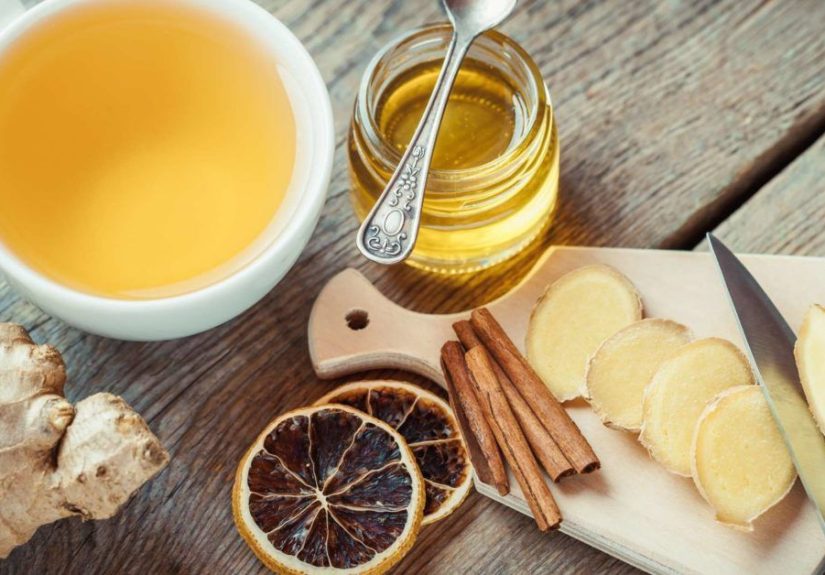
Lemon has a clean, fresh reputation, and in warm water it can feel soothing. It may help stimulate saliva, brighten the flavor of warm drinks, and make honey tea less boring. For some people, warm lemon water with honey is the perfect sore-throat combo because the warm liquid adds moisture, the honey coats the throat, and the lemon makes the drink more palatable.
But lemon alone is not usually the best remedy. It does not coat the throat the way honey does. It does not reliably reduce throat pain on its own. And if your throat is already very inflamed, acidic drinks may sting.
When lemon can be useful
Lemon may be worth trying if:
- You prefer warm drinks to plain water
- You are dealing with thick mucus or postnasal drip
- You enjoy the taste and it helps you drink more fluids
- You combine it with honey rather than using it alone
Hydration matters when you are sick. If lemon helps you sip warm liquids more often, that is a real benefit.
When lemon may backfire
Lemon is acidic, and that can be a problem for some people. If your sore throat is related to acid reflux, heartburn, or a burning sensation that gets worse after acidic foods, lemon may not be your friend. In those cases, citrus can add irritation instead of relief. A throat already dealing with reflux does not need extra drama from a big squeeze of citrus.
So lemon is not bad. It is just conditional. Think of it as the supporting cast member who can elevate the scene, but probably should not be handed the entire movie.
Why Alcohol Is Usually the Worst Choice
The old “hot toddy” myth
Alcohol has been hanging around home-remedy culture for ages, usually in the form of a hot toddy or a little whiskey in tea. The logic sounds charmingly old-fashioned: it warms you up, helps you relax, and maybe zaps some germs on the way down.
Unfortunately, your throat is not impressed by folklore.
Why alcohol is not ideal for a sore throat
Alcohol is generally a poor choice because it can:
- Dry you out, which is the opposite of what an irritated throat needs
- Increase dehydration, especially if you are already sick and not drinking enough fluids
- Irritate sensitive tissues, especially if your throat feels raw or burning
- Worsen reflux, which can make throat pain linger
- Interact badly with medications or make you feel worse overall
Some people confuse a temporary warming sensation with healing. Those are not the same thing. Alcohol might briefly feel soothing in the way stepping into a warm room feels soothing, but that does not mean it is helping your throat recover.
Who should definitely avoid alcohol for throat relief
Alcohol is especially unwise if you are:
- Dehydrated
- Taking cold medicine, pain relievers, sleep aids, or other medications
- Prone to acid reflux
- Trying to sleep well and recover
- A child or teenager
In short, alcohol is the remedy equivalent of showing up late, eating your snacks, and making the whole situation worse.
So Which One Wins?
First place: Honey
If your goal is soothing relief, honey is usually the best option of the three. It is easy to use, easy to combine with warm liquids, and more consistently helpful than lemon or alcohol.
Second place: Lemon
Lemon can be useful when mixed with warm water and honey, especially if it helps you stay hydrated. But it is not the top remedy by itself, and it can be irritating for people with reflux or very inflamed throats.
Last place: Alcohol
Alcohol is the least helpful choice and, for many people, the worst one. It may dry the throat, worsen dehydration, and increase irritation rather than calm it.
What Works Even Better Than Debating Kitchen Ingredients
If your throat hurts, the best relief usually comes from combining a few simple strategies instead of expecting one ingredient to save the day. Helpful options include:
- Warm fluids like tea or broth
- Honey for adults and children over age 1
- Saltwater gargles
- A cool-mist humidifier
- Rest
- Acetaminophen or ibuprofen if appropriate for you
- Lozenges or throat sprays for temporary comfort
These do not cure every cause of sore throat, but they can make you far more comfortable while symptoms improve.
When a Sore Throat Needs Real Medical Attention
Most sore throats are mild and go away on their own, but some deserve prompt medical care. You should contact a healthcare provider if you have:
- Trouble breathing
- Trouble swallowing
- Drooling or severe swelling
- A high fever
- A rash
- Blood in saliva or phlegm
- Symptoms that get worse or do not improve within a few days
- A sore throat that seems sudden and severe with swollen lymph nodes and no obvious cold symptoms
That last pattern can point to strep throat, which may need testing and antibiotics. Honey can soothe the pain, but it cannot replace proper treatment for a bacterial infection.
Final Verdict
If you are choosing between lemon, honey, and alcohol for a sore throat, honey is usually the best pick. It coats the throat, may reduce coughing, and has the strongest reputation for actually making you feel better. Lemon can help when it is diluted in warm water and paired with honey, but it is not the star of the show and may sting if your throat is badly irritated or reflux is involved. Alcohol is generally the worst option because it can dry you out, irritate the throat, and make recovery less comfortable.
So if your throat feels like it lost a fight with a cheese grater, skip the whiskey experiment. Reach for warm fluids and honey instead. Your throat will probably approve, and unlike alcohol, honey does not come with a dehydration side quest.
Common Real-World Experiences With Lemon, Honey, and Alcohol for a Sore Throat
People who deal with sore throats often describe honey as the remedy that gives the fastest sense of comfort, even if the relief is temporary. A spoonful of honey or honey stirred into warm tea tends to feel soothing almost right away because it softens that dry, scraped sensation many people notice when they swallow. A lot of people also say that when their sore throat comes with a cough, honey helps break the cycle. The throat hurts, the coughing keeps it irritated, and honey seems to calm the coughing just enough to let the throat rest for a while. That is one reason it is especially popular at night.
Lemon gets more mixed reviews. Some people love warm lemon water because it feels clean, fresh, and comforting. They often say it helps them sip more fluids, and that alone can make a big difference when the throat is dry from mouth breathing, congestion, or fever. Others find that lemon works best only when the amount is small and there is honey in the cup. Too much lemon can make the drink feel sharp, and instead of “ahh,” the reaction becomes “why did I do that to myself?” That is especially common in people who already have a burning throat, reflux, or a lot of raw irritation.
Alcohol-based remedies usually produce the most disappointment. Some people try a hot toddy expecting deep relief and end up noticing that the warm liquid helps more than the alcohol itself. In fact, many describe feeling temporarily warm or relaxed but not truly soothed. Later, they may notice more dryness, worse sleep, or that scratchy throat feeling returning with extra attitude. If the sore throat is tied to dehydration, alcohol can feel like pouring confusion on an already confused situation.
Another common experience is that the “best” remedy depends on the type of sore throat. A dry, tickly throat from indoor heat or mild viral symptoms often responds well to honey and humidity. A throat irritated by postnasal drip may improve with warm fluids and saltwater gargles. A sore throat caused by reflux may react badly to citrus and alcohol but feel better when people avoid acidic triggers and keep the throat moist. That is why two people can try the same remedy and report completely different results.
Many people also discover that no single ingredient does all the work. The most successful at-home routine is usually a combination: warm tea with honey, plenty of water, a humidifier at night, and maybe an over-the-counter pain reliever if needed. In everyday experience, honey tends to earn the most repeat customers, lemon works best as a sidekick, and alcohol mostly keeps its job because of tradition rather than performance. In the sore-throat Olympics, honey gets the gold, lemon gets a polite silver, and alcohol does not make the podium.