Table of Contents >> Show >> Hide
- What Are Bomboloni?
- Quick Game Plan (So You Know What You’re Signing Up For)
- Bomboloni Ingredients
- Equipment You’ll Want (And One Thing You’ll Definitely Want)
- Step-by-Step Bomboloni Recipe
- Classic Vanilla Pastry Cream (Crema Pasticcera)
- How to Fill Bomboloni (Without a Custard Crime Scene)
- Filling Ideas and Flavor Variations
- Pro Tips for Bakery-Style Bomboloni
- Troubleshooting: When Bomboloni Have Opinions
- Serving and Storage
- Frequently Asked Questions
- Real-Life Bomboloni Experiences ( of What It’s Actually Like)
- Conclusion
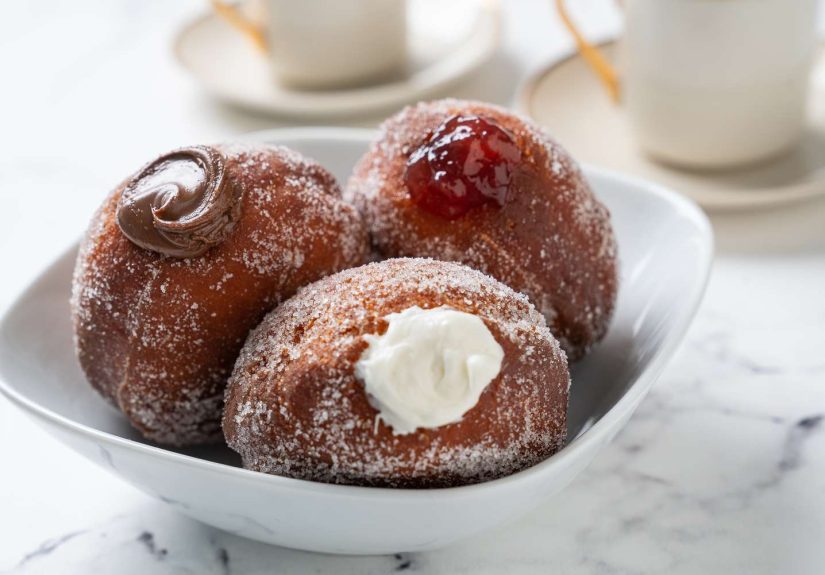
Bomboloni are Italy’s answer to the question, “What if a doughnut wore a cashmere sweater and took a nap in a cloud?”
They’re soft, round, sugar-coated, and usually filled with something dreamyclassic vanilla pastry cream (crema pasticcera),
jam, chocolate-hazelnut spread, or pistachio cream. This bomboloni recipe walks you through making
fluffy Italian donuts at home with real-bakery results: tender crumb, golden exterior, and a filling that
makes people stop mid-bite to say, “Wait… you made these?”
The secret isn’t magicit’s an enriched, brioche-like dough, proper proofing, and steady oil temperature. We’ll cover the
“why” behind each step, plus troubleshooting tips so your bomboloni don’t turn into “bombo-lonies” (a deeply unfunny joke,
but also a useful warning).
What Are Bomboloni?
Bomboloni are round Italian doughnuts traditionally fried, rolled in sugar, and filled after frying.
You’ll see them in Italian cafés and bakeries, often served with espresso for breakfast or an afternoon treat. They’re
similar to other filled doughnuts around the world, but bomboloni tend to be extra pillowy thanks to an enriched dough
(think eggs, milk, butter, and sugar), which creates that soft, tear-apart interior.
Quick Game Plan (So You Know What You’re Signing Up For)
- Mix + knead: 20–25 minutes (including kneading)
- First rise: 1–2 hours (until doubled)
- Chill (optional but awesome): 8–24 hours (better flavor, easier handling)
- Shape + second rise: 45–75 minutes (puffy and light)
- Fry + sugar coat: 15–20 minutes
- Fill: 10 minutes (plus “taste-testing,” which is very time-consuming)
Bomboloni Ingredients
For the Bomboloni Dough
- 3/4 cup whole milk, warm (about 95–105°F)
- 2 1/4 teaspoons active dry yeast (1 packet)
- 1/3 cup granulated sugar
- 2 large eggs, room temperature
- 1 large egg yolk, room temperature
- 1 teaspoon vanilla extract (optional but cozy)
- 3 1/4 cups bread flour (plus extra for dusting)
- 1 1/2 teaspoons kosher salt
- 6 tablespoons unsalted butter, softened (cut into pieces)
- Zest of 1 lemon or orange (optional, but very “Italian café”)
For Frying + Finishing
- Neutral oil (canola, vegetable, or peanut), for frying
- 1 to 1 1/2 cups granulated sugar, for rolling
For Classic Vanilla Pastry Cream Filling
- 2 cups whole milk
- 1/2 cup granulated sugar
- 4 large egg yolks
- 1/4 cup cornstarch
- Pinch of kosher salt
- 2 teaspoons vanilla extract (or seeds from 1/2 vanilla bean)
- 2 tablespoons unsalted butter
Equipment You’ll Want (And One Thing You’ll Definitely Want)
- Stand mixer with dough hook (or strong arms + determination)
- Large mixing bowl
- Rolling pin
- Round cutter (about 3 inches) or a drinking glass
- Heavy pot or Dutch oven (high sides help reduce splatter)
- Thermometer (clip-on or instant-read) this is the “definitely want”
- Spider strainer or slotted spoon
- Wire rack + paper towels
- Piping bag with a small round tip (or a zip-top bag with a corner snipped)
Step-by-Step Bomboloni Recipe
1) Wake Up the Yeast
- In a small bowl, combine the warm milk and 1 teaspoon of the sugar.
- Sprinkle in the yeast and stir gently. Let it sit 5–10 minutes until foamy.
If it doesn’t foam, your yeast may be expired or the milk may have been too hot or too cold. Yeast is sensitivelike a
reality TV contestant, but with better manners.
2) Make the Dough
- In the bowl of a stand mixer, combine bread flour, remaining sugar, and salt.
- Add the foamy yeast mixture, eggs, egg yolk, vanilla (if using), and citrus zest (if using).
- Mix on low until a shaggy dough forms, then knead 6–8 minutes.
- Add softened butter a tablespoon at a time, letting each piece mix in before adding the next.
- Continue kneading 6–8 minutes more, until the dough is smooth, elastic, and slightly tacky.
Enriched dough can feel sticky at firstresist the urge to bury it in flour. A slightly tacky dough fries up lighter and
more tender than a dry, stiff dough.
3) First Rise (Bulk Fermentation)
- Form the dough into a ball and place it in a lightly greased bowl.
- Cover and let rise in a warm spot until doubled, about 1 to 2 hours.
Warmth matters. Enriched dough ferments slower because sugar and fat can slow yeast activity, so don’t rush it.
4) Optional but Highly Recommended: Chill Overnight
After the first rise, punch down gently, cover tightly, and refrigerate 8–24 hours. Cold dough is easier to roll and cut,
and it develops deeper flavor. This step makes you look like you have your life togethereven if you absolutely do not.
5) Shape the Bomboloni
- Turn dough onto a lightly floured surface. Roll to about 1/2-inch thick.
- Cut rounds with a 3-inch cutter. Place on parchment-lined baking sheets.
- Gather scraps, rest 10 minutes, re-roll once, and cut more rounds.
6) Second Rise (Proofing)
- Cover the rounds lightly with plastic wrap or a clean towel.
- Let rise until noticeably puffy and airy, 45–75 minutes depending on room temp.
Proper proofing is one of the biggest keys to light, fluffy Italian donuts. Underproofed doughnuts can
split or stay dense; overproofed ones can collapse or absorb more oil.
7) Fry Like a Calm, Responsible Legend
- Fill a heavy pot with 2–3 inches of oil. Heat to 350–360°F.
- Fry 2–4 bomboloni at a time (don’t crowd). They should float.
- Fry about 1–2 minutes per side until deep golden brown.
- Transfer to a rack lined with paper towels. Let cool 2–3 minutes.
Oil temperature is everything. Too cool and they get greasy; too hot and they brown before the centers cook. Keep the oil
steady by adjusting heat between batches and checking the thermometer often.
8) Sugar Coat
- While warm (not blazing hot), roll bomboloni in granulated sugar.
- Let cool before filling so your pastry cream doesn’t melt into sadness.
Classic Vanilla Pastry Cream (Crema Pasticcera)
This pastry cream is thick enough to stay inside your bomboloni, but silky enough to feel fancy. Make it ahead so it can
chill and fully set.
How to Make Pastry Cream
- In a saucepan, warm milk until steaming (not boiling).
- In a bowl, whisk sugar, cornstarch, salt, and egg yolks until smooth.
- Slowly whisk in a splash of warm milk to temper the yolks, then whisk in more.
- Pour everything back into the saucepan. Cook over medium heat, whisking constantly, until thick and bubbling.
- Remove from heat; whisk in vanilla and butter.
- Press plastic wrap directly onto the surface and chill at least 2 hours.
How to Fill Bomboloni (Without a Custard Crime Scene)
- Use a small knife or skewer to make a hole on the side of each bomboloni.
- Fill a piping bag with chilled pastry cream (don’t overfill the bag).
- Insert the tip into the hole and pipe until the doughnut feels heavier and slightly fuller.
- Wipe any overflow and pretend it was “rustic on purpose.”
Filling Ideas and Flavor Variations
Once you’ve nailed the base bomboloni recipe, you can spin the filling wheel like a game show:
- Jam-filled bomboloni: Raspberry, strawberry, apricot, or blueberry.
- Chocolate-hazelnut: Warm slightly so it pipes smoothly.
- Chocolate pastry cream: Whisk 3–4 tablespoons cocoa into the pastry cream base, or melt chocolate into it.
- Pistachio cream: Fold pistachio paste into pastry cream or use a pistachio pastry cream.
- Citrus cream: Add orange zest to pastry cream and swap vanilla for a touch of almond extract.
- Cinnamon sugar: Roll in cinnamon sugar instead of plain sugar for a churro-adjacent vibe.
Pro Tips for Bakery-Style Bomboloni
- Use bread flour for a slightly stronger structure that stays fluffy after frying.
- Chill the dough overnight if you caneasier shaping, better flavor, less sticking.
- Proof until puffy; look for a gentle jiggle when you nudge the tray.
- Keep oil steady around 350–360°F for best texture and minimal greasiness.
- Drain on a rack, not directly on paper towels onlyairflow keeps them from steaming soggy.
- Fill when cool so the cream stays thick and doesn’t liquefy.
Troubleshooting: When Bomboloni Have Opinions
“Mine are greasy.”
Usually the oil was too cool or dropped too much between batches. Fry fewer at once and let oil recover back to
temperature.
“Dark outside, raw inside.”
Oil too hot. Drop the temperature slightly and fry a bit longer. Thermometer checks are your best friend here.
“They’re dense, not fluffy.”
Most common causes: underproofing, too much added flour, or not enough kneading to build structure. Next time, let them
rise until truly puffy and avoid over-flouring the dough.
“They deflated after frying.”
Often a sign of overproofing (they rose too far and weakened). Shorten the second rise slightly and handle gently when
transferring to oil.
Serving and Storage
Bomboloni are at their absolute best the day they’re madewarm, tender, and sugar-sparkly. If storing:
- Unfilled bomboloni: Keep at room temperature 1 day; rewarm briefly and roll in fresh sugar if needed.
- Filled bomboloni: Refrigerate and enjoy within 24 hours (cream fillings are perishable).
- Pastry cream: Keep chilled and covered up to 3 days.
- Freezing: Freeze unfilled, unsugared bomboloni. Thaw, warm, then sugar-coat and fill.
Frequently Asked Questions
Can I bake bomboloni instead of frying?
You can, but the texture will be more like a soft bun than a true Italian doughnut. Frying gives that classic tender
interior and delicate crust.
What oil is best for frying doughnuts?
Neutral, high-heat oils like canola, vegetable, or peanut oil work well. Choose something that won’t add a strong flavor.
Do I need a piping tip?
Helpful, yes. Mandatory, no. A zip-top bag with a small corner snipped can work, but a small round tip gives more control
and less “custard geyser.”
Real-Life Bomboloni Experiences ( of What It’s Actually Like)
Making bomboloni at home is a little like hosting a tiny, delicious science fair in your kitchen. The first “experience”
most people report is how quickly confidence grows during mixingbecause dough looks harmless. It sits there like an
innocent blob, and you think, “I’ve got this.” Then the butter goes in, the dough turns glossy and sticky, and you
realize you are negotiating with a soft, buttery octopus. That’s normal. Enriched dough always feels a bit dramatic
before it becomes smooth and elastic.
The second big experience: the rise. Watching the dough double is oddly satisfyinglike a time-lapse video you get to eat.
If you chill the dough overnight, you’ll also experience that smug little thrill of being “a planner,” even if your
planning is limited to pastries. The cold dough rolls out more cleanly, cuts into neat rounds, and generally behaves like
it’s trying to impress you.
Proofing the cut rounds is where patience becomes a main ingredient. In real kitchens, people tend to check every
7 minutes (scientifically proven, probably). You’ll see them slowly puff up, and you may start narrating their progress
like a sports commentator: “And this one… is looking airy… we may have a champion.” When they’re ready, they feel lighter
and look like they could bounce if they had tiny trampoline shoes.
Then comes fryingthe moment bomboloni stop being “a project” and start being “an event.” The most common first-time
experience is oil-temperature anxiety. You’ll hover with a thermometer like it’s a life-support monitor. The good news is
you don’t need perfection; you need steadiness. Once you drop the first dough round into the oil and it floats, gently
sizzling, it’s hard not to feel a little proud. When you flip it and it turns golden, you’ll understand why doughnuts
have been making people happy for so long.
Sugar-coating is pure joy. Warm bomboloni in a bowl of sugar look like they’re getting ready for a fancy party. The sugar
sticks best while they’re still warm, so you’ll experience that short window where you’re rolling doughnuts quickly and
pretending you’re on a pastry competition showexcept your prize is that you get to keep all the doughnuts.
Filling is the messy, hilarious finale. Even with a piping bag, you’ll likely sacrifice one bomboloni to “overfilling for
science.” That’s how you learn: the doughnut gets heavy, the cream pushes back, and suddenly you’ve invented the first
custard squeeze-toy. After a couple tries, though, it becomes satisfyinginsert tip, squeeze gently, feel it plump. When
you bite into a properly filled bomboloni and pastry cream meets warm, fluffy dough, the experience is immediate: the
room gets quieter, the eyes get wider, and everyone becomes very interested in being your best friend.
Conclusion
A great bomboloni recipe is part technique, part timing, and part “keep the oil at the right temperature
and nobody gets hurt.” Once you’ve made them once, you’ll start riffingdifferent fillings, citrus zest in the dough,
cinnamon sugar, pistachio cream, or a jam that tastes like summer. Make a batch for brunch, a holiday morning, or a random
Tuesday that needs improving. (Most Tuesdays do.)