Table of Contents >> Show >> Hide
- The Two Superpowers Inside Beets: Nitrates and Betalains
- Beetroot Juice: What You’re Really Drinking
- Beetroot Supplements: Capsules, Powders, and the Convenience Tax
- Beetroot Supplement vs. Juice: The Head-to-Head Comparison
- Which One Is Better for Your Goal?
- How to Use Beetroot Juice or Supplements (Without Guessing)
- Safety and Side Effects: What’s Normal vs. “Maybe Don’t”
- FAQ: Beetroot Supplement vs. Juice
- Conclusion: So… Supplement or Juice?
- Real-World Experiences and Practical Tips (About )
Beets are the only food that can boost your nitric oxide and briefly convince you that you need to call a doctor
because your pee turned pink. (Spoiler: it’s usually harmless. Also: welcome to the beet club.)
But when it comes to getting beet benefits, you’ve got options: chugging beetroot juice like a wellness warrior, or popping a
beetroot supplement like a responsible adult who doesn’t want to scrub purple stains off a blender. So which one actually wins?
Let’s compare beetroot supplements vs. beet juice for benefits, nutrients, convenience, and the stuff nobody tells youlike why
mouthwash can accidentally sabotage your beet “pump.”
The Two Superpowers Inside Beets: Nitrates and Betalains
Most of beetroot’s hype comes down to two main players:
-
Dietary nitrates (the “blood-flow” crowd favorite): your body can convert these into
nitric oxide, a molecule that helps blood vessels relax and widen, supporting circulation and potentially
lowering blood pressure. -
Betalains (the “why is everything magenta?” pigments): antioxidants that may support inflammation control and
help your body manage oxidative stressespecially around exercise.
Both beet juice and beetroot supplements can deliver these compounds, but the amounts and consistency can varysometimes a lot.
Beetroot Juice: What You’re Really Drinking
Nutrition snapshot
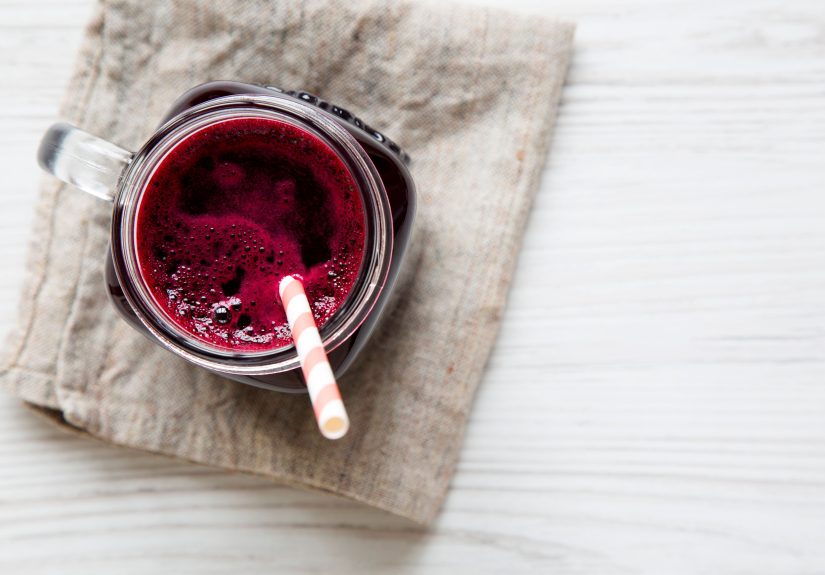
Beet juice is basically “beets with the fiber removed and the intensity turned up.” It can provide helpful micronutrients
(like potassium and folate), but it also concentrates natural sugars because you’re drinking multiple beets at once.
That’s not automatically badit’s just… honest.
Benefits: blood pressure and circulation support
Beetroot juice is famous for cardiovascular support because of its nitrate content. Clinical research has shown nitrate-rich
beetroot juice can reduce blood pressure in some peopleespecially those with hypertensionby supporting nitric oxide pathways.
But results vary depending on the person, the product, and the dose.
Benefits: exercise performance (aka “beet-powered legs”)
Athletes like beet juice because nitric oxide can improve blood flow and exercise efficiency. Translation: some people feel they
can go a bit longer before they hit that “who scheduled this workout?” moment.
Beetroot juice is also a natural source of betalainscompounds studied for antioxidant and anti-inflammatory properties that may
support exercise recovery and reduce oxidative stress markers.
The biggest downside: variability
Here’s the plot twist: not all beet juices deliver the same nitrate punch. Studies evaluating commercial beetroot juice products
have found nitrate and nitrite content can vary widelymeaning two bottles that look equally “healthy” may not be equally effective.
If you’ve ever thought “this beet juice used to work better,” you may not be imagining things.
Beetroot Supplements: Capsules, Powders, and the Convenience Tax
What counts as a beetroot supplement?
Beetroot supplements usually come as:
- Powder (mixable in water/smoothies; can retain more whole-beet components depending on processing)
- Capsules/tablets (portable, no taste, no mess, very “I have my life together” energy)
- Concentrated shots (technically a supplement format, often closer to juice’s nitrate-style dosing)
Benefits: easier consistencysometimes
Supplements can be convenient for daily use and travel. They also tend to be lower in sugar than juice (especially capsules).
That makes supplements appealing for people who are watching carbs or who simply don’t want their “health drink” to taste like
dirt-flavored jam.
But supplements have their own issue: standardization. Unless a brand provides verified nitrate content per
serving (and tests to prove it), a “beetroot powder” label doesn’t guarantee a consistent nitrate dose. Processing, storage,
and even the beet harvest can affect nitrate levels.
Betalains and polyphenols: what survives processing?
Beetroot powders can contain betalains, but the amount depends on how the product is made (freeze-drying tends to preserve more
than high-heat processing). If you’re choosing supplements for antioxidant support, the manufacturing method matters more than
the marketing copy.
Beetroot Supplement vs. Juice: The Head-to-Head Comparison
| Category | Beetroot Juice | Beetroot Supplements (Powder/Capsules) |
|---|---|---|
| Nitrates (nitric oxide support) | Often strong, but can vary by brand and batch | Can be strong if standardized; otherwise may vary widely |
| Betalains (antioxidants) | Usually present; depends on processing/storage | Present, but highly dependent on manufacturing method |
| Sugar & calories | Higher (concentrated natural sugars) | Lower (especially capsules); powder varies |
| Fiber | Low (juicing removes most fiber) | Powder may retain some; capsules usually minimal fiber |
| Convenience | Less convenient; needs refrigeration and tastes like “earth” | Very convenient; easy dosing; travel-friendly |
| Best for | People prioritizing nitrate-driven effects and who can tolerate juice | People who want convenience, lower sugar, and daily consistency |
Which One Is Better for Your Goal?
If your goal is blood pressure support
Beetroot juice has the most recognizable research “track record” for blood pressure outcomes because many clinical studies use
nitrate-rich beetroot juice or standardized juice shots. If you want to use a supplement instead, look for products that clearly
state nitrate content per serving and have quality testing to back it up.
Important: if you already take blood pressure medication, talk with a clinician before making beetroot a daily habit. Combining
multiple blood-pressure-lowering inputs can sometimes push you toward lightheaded territory.
If your goal is endurance performance
Many athletes prefer juice or concentrated “shots” because they’re closer to how studies dose nitrates. Powders can work too, but
performance outcomes are more likely when nitrate content is reliable. If you compete in tested sports, third-party certification
matters (more on that below).
If your goal is lower sugar or easier digestion
Capsules and some powders are usually easier on blood sugar than juice. And if beet juice gives you stomach drama, switching to a
smaller-dose powder or capsule can be a gentler approachespecially when taken with food.
If you’re prone to kidney stones (oxalate concerns)
Beets contain oxalates, which can be a concern for people susceptible to calcium-oxalate stones. Juice can concentrate oxalates
because you’re compressing multiple servings into one drink. If you have a history of stones, talk with your clinician or dietitian
before going heavy on beet juice or high-dose supplements. Hydration and dietary strategies (like pairing oxalate-containing foods
with calcium at meals) can matter a lot.
How to Use Beetroot Juice or Supplements (Without Guessing)
1) Think in “nitrate dose,” not “vibes”
Research often frames beet benefits around nitrate intake. Some reviews and trials use daily nitrate ranges that can add up to
meaningful blood pressure changes in certain groups. In the real world, the challenge is that product labels don’t always make
nitrate content obvious.
-
Juice: Look for products that are 100% beetroot juice (or standardized beet shots) and ideally provide nitrate
info or have published testing. -
Supplements: Prefer brands that list nitrate content (or use clinically studied extracts) rather than only
“beet root powder 2,000 mg” with no nitrate data.
2) Timing for workouts: give it a runway
For exercise, people often take beetroot 2–3 hours before training because nitrate conversion and nitric oxide availability take
time. If you take it right before you walk into the gym, you might just end up with expensive magenta burps.
3) The mouthwash trap (yes, really)
Here’s a nerdy but useful detail: nitrate conversion relies partly on oral bacteria. Antibacterial mouthwash can reduce nitrate
conversion and may blunt nitric oxide-related effects. If you’re using beetroot specifically for nitrate benefits, consider avoiding
strong antiseptic mouthwash right around your beet timing (unless your dentist has you on a specific regimenteeth are also important).
4) Quality matters more for supplements
In the U.S., dietary supplements are regulated differently than prescription medications. That doesn’t mean supplements are “bad,”
but it does mean you should shop smarter:
- Look for third-party certification (especially if you’re an athlete): programs like NSF Certified for Sport can help reduce contamination risks.
- Check for GMP (Good Manufacturing Practices) and transparent testing.
- Use reputable resources that explain third-party certification and supplement quality standards.
Safety and Side Effects: What’s Normal vs. “Maybe Don’t”
Common (and usually harmless)
- Beeturia: pink/red urine or stool
- GI discomfort: bloating or stomach upset, especially with larger juice servings
- Temporary blood pressure drop: can feel like lightheadedness in some people
Use caution if…
- You take blood pressure medications or have naturally low blood pressure
- You have a kidney stone history or oxalate restrictions
- You’re pregnant, managing complex medical conditions, or taking multiple medications (ask a clinician first)
FAQ: Beetroot Supplement vs. Juice
Is beetroot powder the same as beetroot juice?
Not exactly. Powder is typically dehydrated beetroot (sometimes processed in different ways), while juice is extracted liquid.
Powder can be convenient and lower in sugar, but nitrate content can vary unless it’s standardized.
Which is better for nitric oxide: beet juice or beetroot capsules?
Either can support nitric oxide pathways if the nitrate dose is high enough and consistent. Juice and standardized shots are often
easier to match to research protocols, while capsules can be more variable unless the brand provides verified nitrate content.
How do I choose a beet supplement that actually works?
Prioritize transparency: nitrate content per serving (if available), reputable manufacturing practices, and third-party certification.
Marketing words like “supercharged” and “ultra-mega-beet” are not legally binding scientific units.
Conclusion: So… Supplement or Juice?
If you want the most classic, research-aligned path for nitrate-driven benefits (blood pressure support, circulation, exercise
efficiency), beetroot juice or standardized beet shots often make dosing more straightforwardassuming you pick a
quality product and tolerate the taste.
If you want convenience, lower sugar, and daily habit potential, beetroot supplements can be a great optionbut
only if you choose a brand that takes testing and standardization seriously. Otherwise, you may be paying for the idea of beets
more than the benefits of beets.
The best choice is the one you’ll actually use consistently, that fits your health goals, and that doesn’t start a feud between
your taste buds and your schedule.
Real-World Experiences and Practical Tips (About )
Let’s talk about what happens outside the labwhere you’re not handed a perfectly measured beet shot by a scientist in a calm,
well-lit room. You’re in your kitchen, it’s 6:40 a.m., and your blender is judging you.
Experience #1: The “I’ll just drink the juice” phase. People often start with beet juice because it feels direct:
pour, drink, become a cardio legend. The first surprise is taste. Some folks genuinely like it (those people are emotionally
advanced). Others describe it as “sweet dirt” or “garden smoothie.” A common workaround is mixing beet juice with citrus, ginger,
or a little sparkling water to make it more refreshing and less… compost-adjacent.
Experience #2: The “Why am I burping beets?” moment. Beet juice can be potent, and big servings can hit the stomach
hardespecially on an empty belly. Many people report better tolerance by starting small, taking it with food, or switching to a
smaller, more concentrated shot rather than a giant glass. (Yes, it’s counterintuitive: smaller volume can sometimes feel easier.)
Experience #3: The athlete timing experiment. Endurance folks tend to treat beetroot like a pre-game ritual. They’ll
try it right before a workout, feel nothing, then declare it “overrated.” Later they learn timing matters and move it to 2–3 hours
pre-run. That’s when some report a subtle difference: steadier pacing, slightly less “leg heaviness,” or improved stamina on
longer intervals. It’s rarely a superhero transformationmore like upgrading your phone battery by 8%. Not flashy, but noticeable.
Experience #4: The travel problemand why supplements win it. Juice is inconvenient on the road. It’s bulky, it can
spoil, and airport security may treat a mysterious crimson liquid like you’re auditioning for a crime drama. Capsules and powders
are simply easier. People who switch to supplements often say the biggest benefit is consistency: it becomes a daily habit instead
of a once-in-a-while “health kick” that disappears when life gets busy.
Experience #5: The “I bought a powder and nothing happened” complaint. This is commonand often comes down to
product variability. Some powders are great; others are basically “beet-flavored optimism.” Practically, experienced users look for
brands that disclose nitrate content or have credible testing and certification. If the label is vague, results can be vague too.
Experience #6: The color chaos. Beetroot stains. It stains counters, cutting boards, shirts, and occasionally your
sense of peace. Powder is sneakier: it can puff into the air like a magenta smoke bomb if you scoop too aggressively. Real-world
tip: scoop slowly, rinse immediately, and don’t wear your favorite white hoodie unless you enjoy living dangerously.
The most consistent “success story” pattern is boring but true: start with a manageable dose, choose a quality product, time it
intelligently, and stick with it long enough to notice patterns. Beets are not a miraclejust a surprisingly powerful vegetable
with excellent PR and a flair for dramatic color.